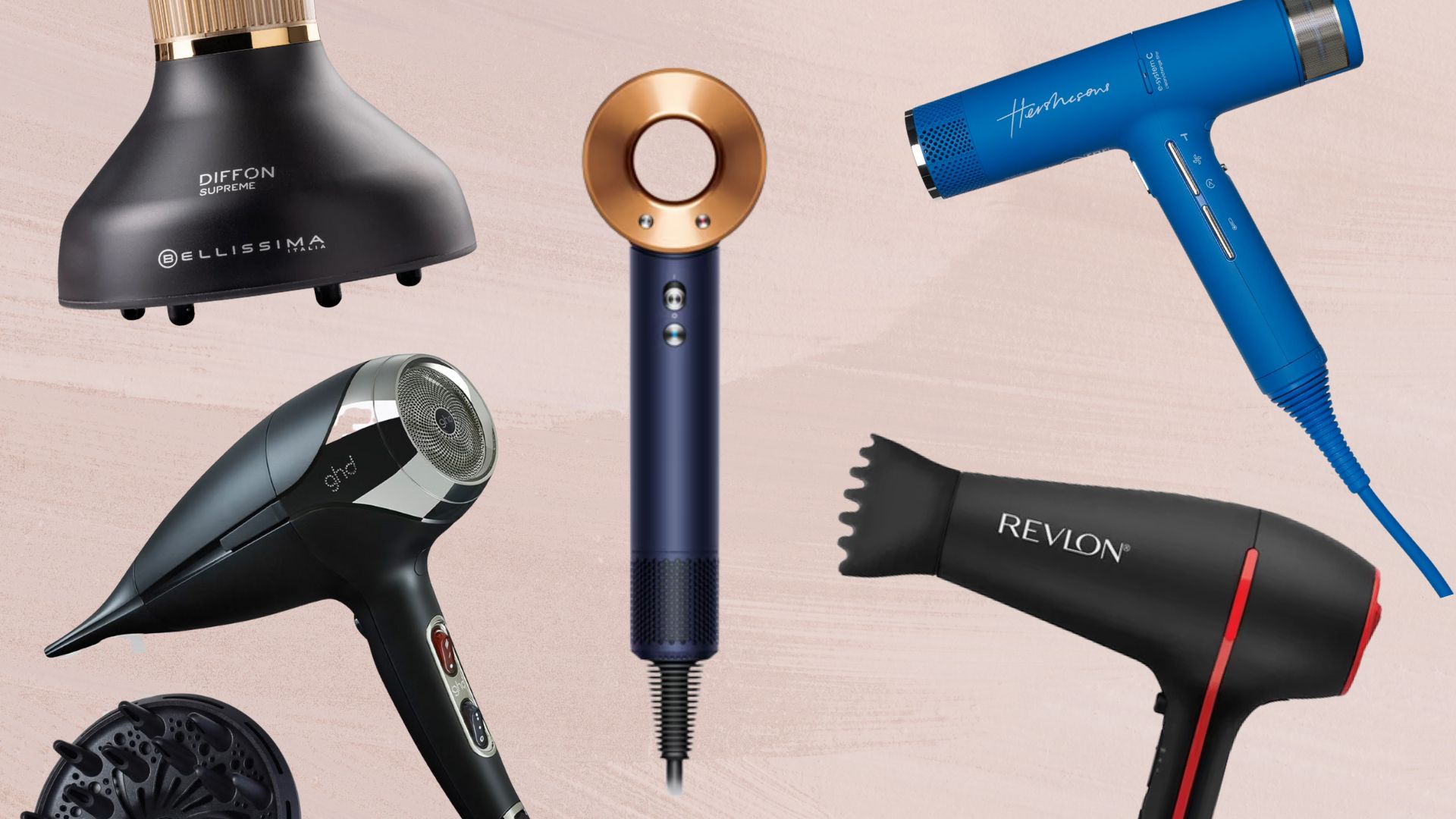
Selecting the ideal hairdryer involves balancing your specific hair texture, density, and styling goals against the technical capabilities of modern grooming devices. By evaluating heat settings, airflow technology, motor weight, and specialized attachments, you can identify a tool that reduces drying time while minimizing thermal damage, ensuring a professional-grade result tailored to your hair's unique requirements.
1. Evaluate Your Hair Type and Texture
Before examining technical specifications, you must first understand the fundamental requirements of your hair. Hair texture—whether fine, medium, or coarse—dictates how much heat your strands can safely endure. Fine or chemically treated hair is significantly more susceptible to heat damage, requiring hairdryers with lower heat settings and advanced temperature regulation. Conversely, thick or coarse hair requires higher airflow volume to penetrate the hair shaft efficiently and cut down on drying time, which prevents long-term moisture loss.
If your hair is prone to frizz, prioritize models that feature ionic technology. Negative ions help break down water molecules on the surface of the hair, allowing them to evaporate faster while sealing the hair cuticle. This process reduces static and results in a smoother finish. If you have curly hair, the most important feature is a diffuser attachment, which disperses airflow to prevent disrupting your natural curl pattern.
2. Understand Motor Quality and Weight
The motor is the heart of the hairdryer, determining both its longevity and its performance. In the current market, professional-grade tools often feature AC (Alternating Current) motors, which are designed for heavy-duty use, high airflow velocity, and a significantly longer lifespan compared to the DC (Direct Current) motors found in budget-friendly models. While AC motors are often heavier, their durability makes them an investment for users who blow-dry their hair daily.
Weight is a critical consideration for those with long, thick hair that requires extended drying times. A heavy dryer can lead to wrist fatigue and poor styling control. Many high-end models now use lightweight digital motors that provide industrial-strength airflow without the bulk. When testing a dryer, simulate the weight by holding it at arm's length for a minute to ensure it remains comfortable for the duration of your standard styling session.
3. Prioritize Adjustable Heat and Speed Settings
A "one-size-fits-all" temperature setting is a recipe for heat damage. The best hairdryers offer independent control over both heat and airflow. This allows you to start with high heat and high speed to remove excess moisture from the roots, and then switch to medium heat and low speed for precision styling or smoothing the ends.
Look for a "cool shot" button. This feature is not merely a convenience; it is essential for setting your style. Once a section of hair is dry, a blast of cold air helps close the hair cuticle and lock the style in place, which increases the longevity of your blowout and adds natural shine. Ensure the buttons are positioned ergonomically so you can toggle them easily while holding the tool.
4. Investigate Heat Distribution Technologies
Not all heat is created equal. Beyond the basic heating element, modern hairdryers utilize various materials to manage heat transfer. Ceramic and tourmaline components are industry standards for a reason. Ceramic heating elements provide consistent, infrared heat that penetrates the hair evenly, reducing the risk of "hot spots" that can scorch individual strands.
Tourmaline, a gemstone crushed into the dryer's components, naturally emits negative ions when heated. This enhances the anti-frizz properties of the dryer, making it an ideal choice for users struggling with humidity-induced damage. Some premium models also include glass bead sensors that measure the air temperature dozens of times per second, making real-time adjustments to prevent extreme heat exposure.
5. Consider Attachment Versatility
Attachments are what transform a basic hairdryer into a styling station. At a minimum, your dryer should include a concentrator nozzle. This attachment narrows the airflow, allowing you to direct heat precisely at the hair shaft. This is essential for achieving a sleek blowout, as it prevents air from blowing in every direction and causing flyaways.
For those with textured or curly hair, a diffuser is non-negotiable. It mimics natural air drying by spreading the air over a larger surface area, which gently lifts curls without causing frizz. If you are a frequent traveler or have a complex styling routine, check if the dryer is compatible with universal attachments or if the manufacturer offers specific accessories like wide-tooth combs or specialized styling picks.
6. Assess Safety and Maintenance Features
A neglected hairdryer can become a safety hazard and an underperformer. Over time, hair, dust, and product residue accumulate in the air intake vent at the back of the device. If this vent is blocked, the motor can overheat, leading to shortened device life or even a fire risk.
When choosing a dryer, ensure the rear filter is easily removable. A washable or snap-off filter allows you to keep the air intake clean, ensuring the motor runs cool and maintains optimal airflow. Additionally, look for ALCI (Appliance Leakage Current Interrupter) plugs, which are safety devices built into the cord that detect electrical shorts and shut off power immediately, protecting you from electrocution in the proximity of water sources like bathroom sinks.
7. Balance Budget Against Longevity
The hairdryer market in 2026 offers a vast price spectrum, from entry-level consumer models to high-end professional tools. While it is tempting to choose based on the lowest price, consider the cost per use. A professional-grade dryer with an AC motor may cost more initially, but it will likely last three to four times longer than an inexpensive alternative.
Furthermore, high-end dryers often feature superior ergonomics, quieter motors, and more sophisticated heat management systems. If your styling routine involves daily heat application, the investment in a higher-quality motor and material composition will pay dividends in hair health and reduced styling time. Use the following table to help guide your selection based on your specific needs.
| Feature | Best For Fine/Damaged Hair | Best For Thick/Coarse Hair | Best For Curly Hair |
|---|---|---|---|
| Motor Type | Lightweight DC/Digital | Durable AC Motor | Balanced/Standard |
| Heat Settings | Low to Medium | High | Medium |
| Key Tech | Ionic/Ceramic | High Airflow Velocity | Diffuser Attachment |
| Cool Shot | Essential | Essential | Highly Recommended |
Frequently Asked Questions
What is the difference between ionic and ceramic hairdryers? Ionic technology emits negative ions to break down water molecules, speeding up drying and reducing frizz. Ceramic technology ensures even heat distribution, preventing hot spots and damage. Many modern dryers incorporate both to provide the benefits of both faster drying and safer heat application.
How often should I clean the filter on my hairdryer? If you use your dryer daily, you should clean the rear filter at least once every two weeks. Simply detach the filter screen and wipe away any accumulated dust or hair. Proper maintenance prevents the motor from overheating and keeps your airflow consistent.
Does a more expensive hairdryer actually make a difference? Yes, primarily in motor longevity, weight, and consistency of heat. Professional models are engineered to withstand hours of daily use, whereas consumer models may lose power or fail after a year or two. Higher-end models also often feature intelligent heat sensors that prevent the air from exceeding a certain temperature.
Why does my hair feel dry after using a hairdryer? Frequent use of high heat or holding the nozzle too close to the hair can strip moisture from the shaft. Always use a heat protectant spray before drying and keep the nozzle at least six inches away from your hair. Using a lower heat setting combined with a "cool shot" can also significantly mitigate dryness.
Can a hairdryer help with volume? Yes. To maximize volume, dry your hair upside down or use a round brush to lift the roots while applying heat. Using the "cool shot" button while holding the hair in a lifted position helps "set" the volume, ensuring it lasts throughout the day.
Is it necessary to use a heat protectant? Always. A heat protectant product creates a thermal barrier that helps prevent the moisture inside your hair from boiling, which is what causes split ends and structural damage. It should be considered the first step in any blow-drying routine.
Final Recommendation
To make the best choice, assess your hair's density and how often you style. If you are a daily user with thick hair, prioritize a professional-grade unit with a durable AC motor and multiple heat/speed settings. If you have fine or damaged hair, prioritize ceramic components and adjustable, lower-temperature settings. Whichever model you select, ensure you maintain the air intake filter regularly and always apply a heat protectant to maintain hair integrity.