Choosing the right mobile app development partner can make the difference between a high-performing digital product and an expensive project failure. The top agencies in this space combine deep engineering capabilities with robust product strategy, user experience design, and reliable post-launch maintenance. When evaluating your options, key factors include technical stack expertise, geographic distribution, pricing models, portfolio scale, and verified client testimonials across enterprise and startup segments.
Understanding the Mobile App Development Landscape
The market for mobile software engineering has evolved past simple template customization. Modern organizations require sophisticated solutions that handle cross-platform frameworks, native performance optimization, cloud backend integration, and strict security compliance. Selecting an agency involves more than checking a directory; it requires aligning your internal product roadmap with an external engineering team's operational culture.
Before initiating outreach, organizations must clearly define their project scope, whether they need an iOS-exclusive native application, an Android release, or a unified cross-platform product using frameworks like Flutter or React Native. Understanding these core requirements streamlines the evaluation process and ensures you partner with a vendor whose technical depth matches your architectural demands.
Evaluation Criteria for App Development Agencies
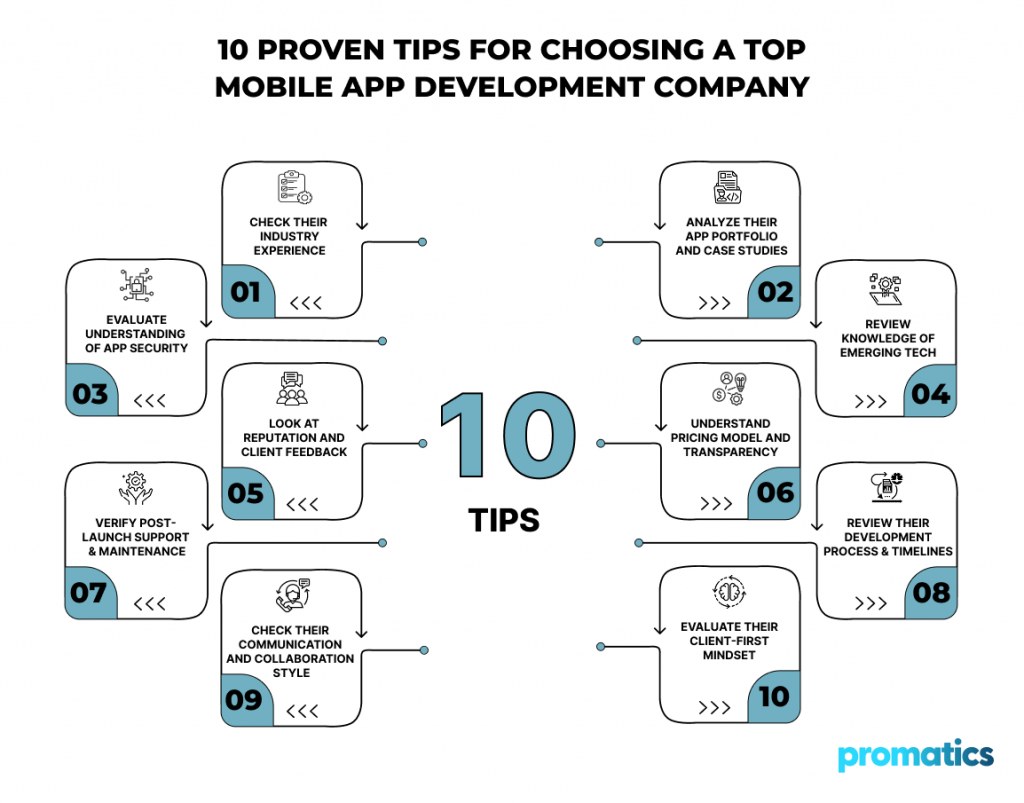
Assessing the top software vendors in the market requires a standardized framework. Without a clear checklist, decision-makers often get overwhelmed by polished marketing materials and impressive graphic portfolios that mask underlying technical shortcomings.
- Technical Portfolio and Case Studies: Review real-world applications deployed in official app stores. Assess user interface fluidity, loading speeds, and crash reporting metrics if available.
- Engagement Models: Determine whether the vendor offers dedicated teams, staff augmentation, or turnkey project-based delivery. Flexibility is vital for long-term scalability.
- Communication and Project Management: Look for agile methodologies, transparent milestone tracking, and regular code repositories access via platforms like GitHub or GitLab.
- Post-Launch Support: An application requires continuous updates, API maintenance, and operating system patch management. Ensure the vendor provides comprehensive service-level agreements (SLAs) after deployment.
Overview of the 7 Leading Mobile App Development Companies
The following agencies have established strong reputations for technical execution, client satisfaction, and complex digital product delivery. While each organization possesses unique strengths, all seven maintain proven track records in custom mobile software engineering.
1. ScienceSoft
Established in 1989, ScienceSoft brings decades of enterprise software heritage to mobile application development. Headquartered in McKinney, Texas, the company operates globally, delivering custom iOS, Android, and cross-platform solutions for healthcare, retail, banking, and telecommunications sectors. Their strength lies in rigorous quality assurance processes, regulatory compliance management (such as HIPAA and GDPR), and complex backend integrations.
2. ELEKS
ELEKS provides full-cycle software engineering services, specializing in custom mobile applications supported by advanced data science and artificial intelligence capabilities. Operating across Europe and North America, ELEKS focuses heavily on enterprise clients seeking digital transformation. Their mobile teams excel at building secure, scalable applications that integrate smoothly with existing enterprise resource planning (ERP) systems and cloud infrastructure.
3. Intellectsoft
Founded in 2007, Intellectsoft has grown into a prominent digital transformation consultancy and app development agency with offices in New York, London, and other major technology hubs. The firm caters to both ambitious startups and Fortune 500 enterprises, delivering native and cross-platform mobile solutions. Intellectsoft is particularly recognized for its rapid prototyping capabilities and expertise in emerging technologies like blockchain, IoT, and augmented reality.
4. Appster (Historical Context & Market Legacy)
While market dynamics shift rapidly, agencies that pioneered scalable startup product development paved the way for modern MVP (Minimum Viable Product) execution. When selecting modern equivalents with similar startup-focused accelerators, look for teams offering dedicated product discovery workshops and rapid iteration cycles designed to test market viability before heavy capital expenditure.
5. Yalantis
Yalantis is an international software development company with strong engineering centers in Europe, focusing heavily on mobile app development for logistics, healthcare, fintech, and real estate. They are recognized for their rigorous focus on user experience (UX) research, clean architecture, and transparent agile project execution. Yalantis helps clients transition from initial concept validation through to App Store and Google Play deployment.
6. Simform
Simform specializes in building high-performing digital products through agile engineering teams and rigorous technical assessments. Based in the United States with extensive development hubs, Simform assists clients with full-scale mobile product engineering, cloud migration, and automated testing frameworks. They emphasize engineering talent scalability, allowing clients to ramp team sizes up or down based on active sprint requirements.
7. Cheesecake Labs
Cheesecake Labs, headquartered in San Francisco with a core engineering base in Brazil, focuses on product design and mobile development for both venture-backed startups and established brands. They are widely known for their proficiency in React Native and Flutter development, enabling clients to launch performant cross-platform applications efficiently while maintaining a polished native feel.
Comparative Matrix of Development Partners
| Company | Primary Focus / Strengths | Typical Engagement Model | Notable Industries | Geographic Footprint |
|---|---|---|---|---|
| ScienceSoft | Enterprise compliance, backend integration, QA | Dedicated Teams, Turnkey | Healthcare, Retail, Finance | USA, Europe |
| ELEKS | Data science, AI integration, enterprise scale | Dedicated Teams, Staff Augmentation | Logistics, Fintech, Energy | Europe, North America |
| Intellectsoft | Emerging tech (IoT, Blockchain), enterprise/startups | Full-Cycle Development | Enterprise, Real Estate, Startups | USA, UK, Europe |
| Yalantis | UX/UI research, logistics, fintech apps | Agile Dedicated Teams | Logistics, Healthcare, Real Estate | Europe, Global |
| Simform | Cloud engineering, automated testing, scaling | Staff Augmentation, Turnkey | SaaS, Enterprise, Retail | USA, Global |
| Cheesecake Labs | React Native, Flutter, rapid product design | Product Squads, Co-Development | Startups, Media, FinTech | USA, Latin America |
Cost Considerations and Pricing Models
Understanding how mobile app development companies structure their pricing prevents budget overruns and misaligned expectations. Rates vary widely based on the geographic location of the engineering team, the complexity of the app's features, and whether you require ongoing maintenance.
- Fixed-Price Model: Best suited for small, well-defined projects with rigid scopes and clear deliverables. However, any scope changes during development can result in costly change orders.
- Time and Materials (T&M): The standard model for complex enterprise applications and startups requiring iterative development. You pay for the actual hours worked by developers, designers, and project managers.
- Dedicated Team Model: You retain a dedicated group of engineers who operate as an extension of your in-house team. This offers maximum flexibility and long-term cost efficiency for evolving product roadmaps.
Geographic location significantly influences hourly billing rates. North American and Western European agencies typically charge between $100 and $250+ per hour. Conversely, Eastern European, Latin American, and South Asian development hubs often offer competitive rates ranging from $40 to $100 per hour while maintaining high engineering standards.
Common Pitfalls to Avoid
Navigating the vendor selection process requires vigilance against common missteps that can derail a software project:
- Choosing Solely on Lowest Bid: Selecting the cheapest agency often results in poor code architecture, extensive technical debt, and missed deadlines, ultimately costing more to fix.
- Neglecting Post-Launch Ownership: Ensure your organization retains full ownership of the source code repository, intellectual property rights, and developer account credentials from day one.
- Skipping Product Discovery: Rushing straight into coding without a verified prototype or detailed functional specification document leads to misaligned features and wasted capital.
Frequently Asked Questions
How long does it take to develop a custom mobile application?
Timeline duration depends entirely on project scope and feature complexity. A basic Minimum Viable Product (MVP) with core user authentication and simple database integration typically takes 3 to 5 months. Large-scale enterprise applications involving complex backend synchronization, legacy system integration, and multi-platform native development often require 6 to 12 months or longer.
Should I choose native or cross-platform development?
Native development (using Swift for iOS and Kotlin for Android) provides maximum performance, platform-specific UI fluidity, and direct hardware access. Cross-platform frameworks like Flutter and React Native allow developers to write code once and deploy across multiple operating systems, significantly reducing initial development time and budget. Consult with your chosen development partner to evaluate which approach best suits your feature requirements and long-term business goals.
How do I protect my app idea when sharing it with agencies?
Reputable software development agencies routinely sign Mutual Non-Disclosure Agreements (NDAs) before discussing project specifics. Additionally, focusing your initial conversations on operational workflows and business logic rather than proprietary algorithms helps safeguard your core intellectual property during early vendor evaluations.
What happens after the mobile app is launched on the app stores?
Launching the application marks the beginning of its lifecycle. Ongoing maintenance is required to address operating system updates, fix newly discovered bugs, monitor server performance, and release feature iterations based on user feedback. Ensure your development contract includes a dedicated support phase or a service-level agreement (SLA) for post-launch management.
Conclusion and Next Actions
Selecting the best mobile app development partner requires balancing technical competency, cultural alignment, and financial transparency. Begin by documenting your core product requirements, establishing a realistic budget, and shortlisting three to four agencies from the vetted list above. Schedule introductory technical consultations, request relevant portfolio case studies, and conduct reference checks with past clients before finalizing your software engineering contract.