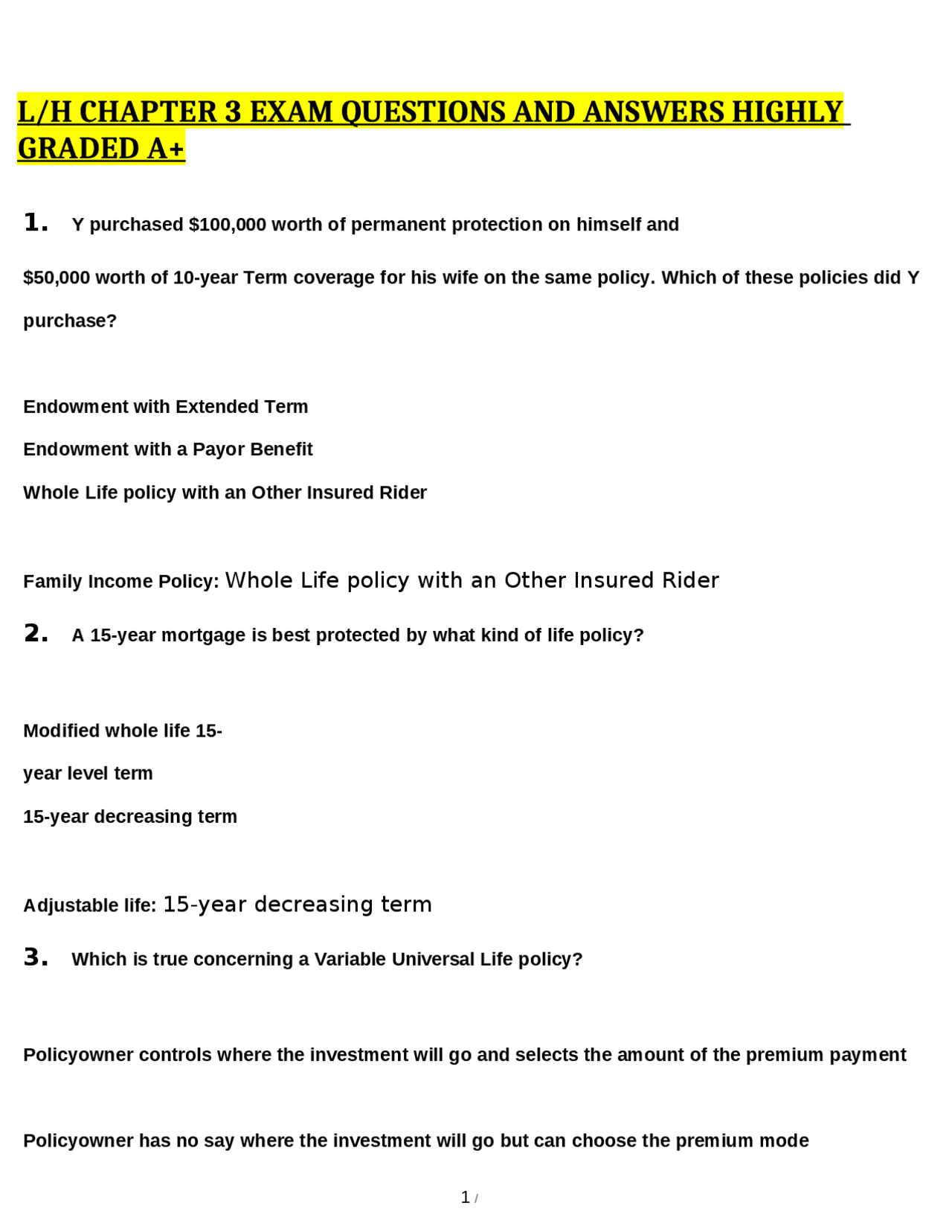
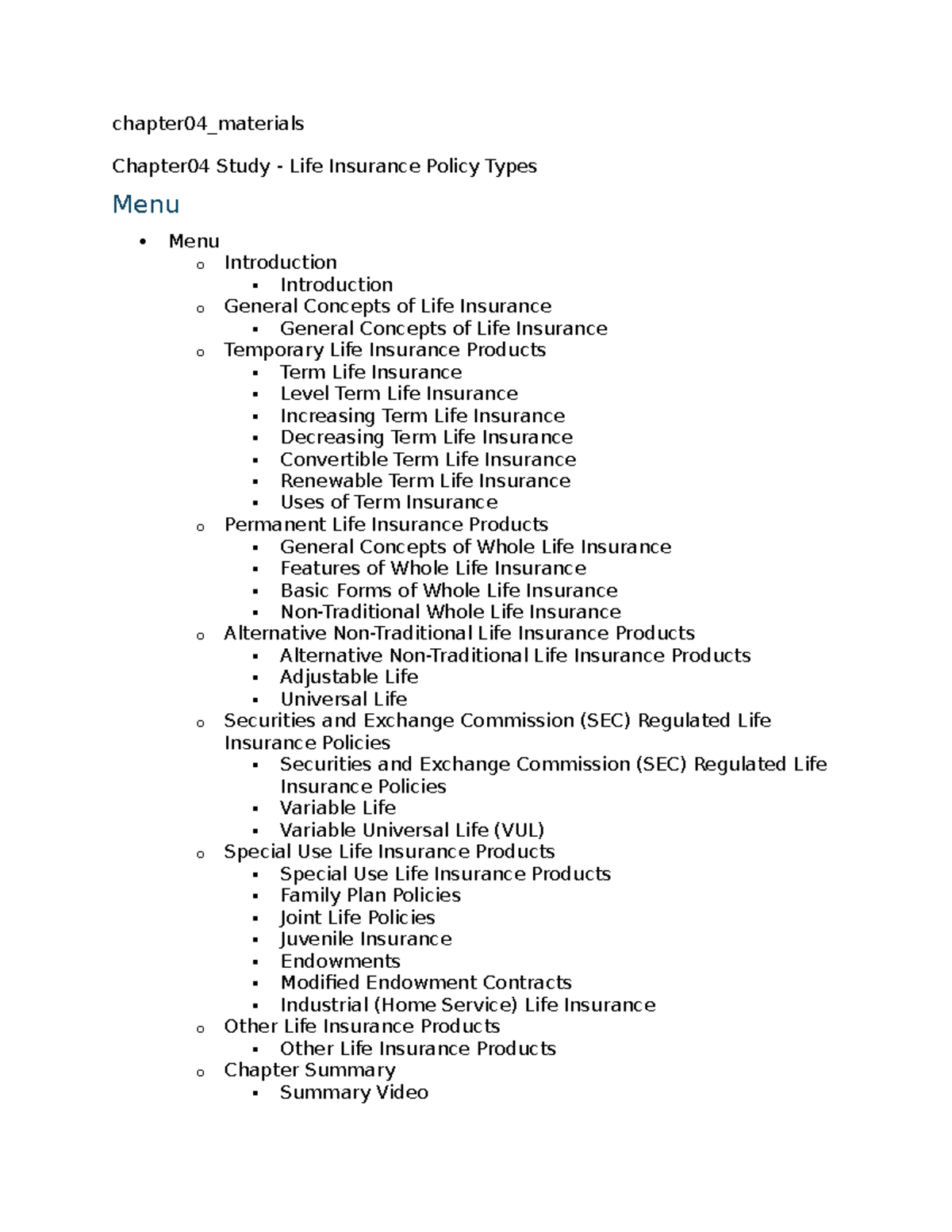
At 26 years old, a mother often balances raising young children with establishing long-term household financial security, making this an ideal life stage to lock in affordable life insurance rates. The five primary policy types available are term life insurance, whole life insurance, universal life insurance, variable universal life insurance, and final expense insurance, each offering distinct advantages depending on budget, savings goals, and family protection needs.
Navigating the financial marketplace as a young parent can feel overwhelming, particularly when trying to decipher complex insurance jargon, underwriting requirements, and policy structures. Selecting the right life insurance policy requires balancing immediate affordability against long-term financial obligations, such as replacing lost income, funding future college education, and paying off a mortgage if the unexpected happens. Understanding how each of these five policy categories functions allows a 26-year-old mother to make an informed decision that protects her children's financial future without overextending her current household budget.
Why Life Insurance Matters for a 26-Year-Old Mother
At age 26, individuals generally enjoy favorable health profiles, which directly translates to the lowest possible premium rates offered by insurance carriers. Locking in a policy during your mid-twenties means securing coverage at a time when mortality risk is statistically low, resulting in significant lifetime savings compared to waiting until your thirties or forties. For a mother with dependent children, a life insurance policy serves as a critical safety net designed to replace her economic value to the household.
Economic value extends far beyond a traditional paycheck. Stay-at-home mothers and working mothers alike provide essential services that carry high replacement costs if outsourced, including childcare, household management, transportation, and meal preparation. Furthermore, if a mother contributes to household income, her earnings are vital for covering day-to-day living expenses, healthcare, and long-term savings goals. Purchasing a policy ensures that surviving family members have immediate and sustained financial resources to maintain their standard of living during an emotional and challenging transition.
1. Term Life Insurance
Term life insurance provides coverage for a specific period, or "term," typically ranging from 10, 20, or 30 years. If the insured passes away during the active term, the designated beneficiaries receive a tax-free death benefit. If the term expires and the policyholder is still living, the coverage typically terminates unless renewed at a significantly higher rate or converted into a permanent policy.
Advantages and Suitability
For a 26-year-old mother, term life insurance is universally recommended by financial planners as the most cost-effective way to secure high coverage amounts. Because young mothers often face high financial demands—such as child-rearing costs, car loans, and mortgages—a 20-year or 30-year term policy ensures maximum financial protection while children are still financially dependent. Premiums are fixed for the duration of the term, making budgeting straightforward.
Underwriting and Conversion Privileges
Securing a term policy requires going through medical underwriting, which may involve a brief health questionnaire and sometimes a paramedical exam measuring height, weight, blood pressure, and blood chemistry. Many reputable term policies include a conversion rider, allowing the policyholder to switch from term coverage to a permanent policy later in life without undergoing a new medical exam, providing valuable long-term flexibility.
2. Whole Life Insurance
Whole life insurance is a form of permanent life insurance that remains active for the entire lifetime of the insured, provided premiums continue to be paid. Unlike term insurance, whole life policies feature a cash value component that grows at a guaranteed, fixed interest rate. A portion of each premium payment goes toward this cash value, which acts as a tax-advantaged savings vehicle that the policyholder can borrow against or withdraw from in the future.
Advantages and Suitability
The primary benefit of whole life insurance is permanence and predictability. Premiums are guaranteed never to increase, and the death benefit remains level throughout the insured's life. For a 26-year-old mother looking for a forced savings mechanism alongside lifelong protection, whole life can be an attractive option, though it requires a higher initial financial commitment than term insurance.
Cost and Complexity Considerations
The primary drawback of whole life insurance is its high cost. Premiums can be five to ten times more expensive than a comparable term life policy for a healthy 26-year-old. Because of this high cost, some policyholders struggle to maintain payments over decades, leading to policy lapses. It is essential to weigh whether the cash value growth outweighs the significantly higher monthly financial obligation.
3. Universal Life Insurance
Universal life (UL) insurance is another form of permanent life insurance, but it offers greater flexibility than whole life policies. UL policies feature adjustable premiums and flexible death benefits. The cash value component earns interest based on current market rates, often tied to a minimum guaranteed floor, allowing policyholders to alter their premium payments and death benefit amounts as their financial circumstances change over time.
Advantages and Flexibility
As a 26-year-old mother, your financial situation is likely to evolve significantly over the next few decades as your career progresses and your children grow. Universal life insurance accommodates these life changes by allowing you to increase your death benefit (subject to insurability) or decrease your premium payments if you temporarily draw funds from your accumulated cash value.
Potential Risks
The flexibility of universal life insurance requires active management. If interest rates drop significantly, the cash value may not grow as projected, requiring higher premium payments later in life to keep the policy active. Policyholders must regularly review annual statements to ensure their cash value is supporting the policy's ongoing insurance costs.
4. Variable Universal Life Insurance
Variable universal life (VUL) insurance combines the flexible premium and death benefit features of universal life insurance with investment options similar to mutual funds. The cash value of a VUL policy is invested in sub-accounts that track various stock and bond portfolios, exposing the policyholder to both market gains and market losses.
Investment Growth Potential
For financially savvy 26-year-old mothers comfortable with market risk, VUL policies offer the potential for substantial cash value growth that can outpace traditional fixed-rate insurance products. This accumulated wealth can be used later in life to supplement retirement income or fund major family milestones, such as college tuition for children.
Risk and Fee Profile
Variable universal life insurance carries the highest level of risk among standard life insurance products. If the underlying investments perform poorly, the cash value can erode rapidly, forcing the policyholder to pay substantially higher out-of-pocket premiums to prevent the policy from lapsing. Additionally, VUL policies typically feature higher administrative fees, investment management charges, and mortality expenses compared to term or whole life policies.
5. Final Expense Insurance
Final expense insurance, sometimes referred to as burial insurance or simplified issue whole life insurance, is a small permanent life insurance policy designed specifically to cover end-of-life expenses, such as funeral costs, medical bills remaining after health insurance, and minor outstanding debts. Coverage amounts are typically modest, ranging from $5,000 to $25,000.
Relevance for a 26-Year-Old Mother
While final expense insurance is marketed heavily toward seniors, it is important to understand its role in a broader financial portfolio. For a healthy 26-year-old mother, a traditional term or whole life policy is almost always a superior and more cost-effective choice because final expense policies offer lower coverage limits and higher per-thousand-dollar costs. However, individuals with specific pre-existing health conditions that disqualify them from standard underwriting might look to simplified or guaranteed issue policies as a baseline option.
Comparison of Policy Types for Young Mothers
| Policy Type | Duration | Cash Value Growth | Premium Stability | Primary Use Case |
|---|---|---|---|---|
| Term Life | Set period (10–30 years) | None | Fixed for the term | Maximum family protection during child-rearing years |
| Whole Life | Lifetime | Guaranteed, fixed rate | Fixed for life | Lifelong protection with forced savings |
| Universal Life | Lifetime | Tied to market interest rates | Adjustable | Flexible permanent coverage and adjustable premiums |
| Variable Universal Life | Lifetime | Tied to variable sub-accounts | Adjustable | High growth potential with associated market risk |
| Final Expense | Lifetime | Modest, guaranteed | Fixed for life | Covering basic burial and end-of-life costs |
Key Factors to Evaluate Before Purchasing
Selecting the appropriate life insurance policy requires a careful assessment of your family's current financial obligations and long-term goals. Taking a structured approach helps prevent under-insuring your household or overpaying for features you do not need.
Calculating Coverage Needs
A common rule of thumb in the insurance industry is the "10x rule," which suggests purchasing coverage equal to ten times your annual income. However, a more accurate calculation involves adding up your family's long-term financial liabilities—such as remaining mortgage balances, projected college tuition costs for your children, outstanding debts, and daily living expenses—and subtracting existing liquid savings. For a 26-year-old mother, a 20- or 30-year term policy with a $500,000 to $1,000,000 death benefit often provides robust protection at an affordable monthly cost.
Health and Underwriting Preparation
Insurance premium rates are determined largely by age and health status. As a 26-year-old, you are positioned to receive top-tier health classifications (such as "Preferred Plus" or "Preferred"), provided you do not use tobacco and have no significant chronic medical conditions. Maintaining healthy lifestyle habits, avoiding tobacco products, and addressing minor health markers before applying can yield substantial long-term savings on your premiums.
Frequently Asked Questions
How much does life insurance cost for a 26-year-old mother?
For a healthy, non-smoking 26-year-old woman, a 20-year term life insurance policy with a $500,000 death benefit typically costs between $20 and $30 per month. Permanent policies like whole life will cost significantly more, often exceeding $200 to $300 per month for the same coverage amount due to the cash value accumulation feature.
Can a stay-at-home mother qualify for life insurance?
Yes, stay-at-home mothers can easily qualify for life insurance. Insurance companies recognize the substantial economic value of domestic labor, childcare, and household management. Spouses can typically purchase a term policy on a stay-at-home mother that equals the replacement cost of hiring external childcare and household support services.
Is a medical exam required to get a policy?
Many life insurance policies require a standard medical exam, which is typically conducted at your home or workplace at the insurance company's expense. However, many carriers now offer "accelerated underwriting" or no-exam term policies for healthy applicants, utilizing digital medical databases and prescription history checks to approve coverage without a physical exam.
Should I choose term life or whole life insurance?
For the vast majority of 26-year-old mothers, term life insurance is the most practical choice because it provides high coverage amounts at a low cost when financial responsibilities are highest. Whole life insurance is generally reserved for individuals who have already maximized traditional retirement accounts, have permanent estate planning needs, or specifically want a guaranteed cash-value accumulation vehicle.
Can I convert my term life policy into a permanent policy later?
Many major term life insurance providers offer a policy conversion rider. This contractual option allows you to convert all or part of your term policy into a permanent whole life or universal life policy before a certain age or term expiration date, without undergoing a new medical exam or proving insurability.
Next Steps for Securing Coverage
Begin by calculating your family's financial obligations using a detailed worksheet that accounts for income replacement, debt, and future education costs. Obtain quotes from multiple reputable, financially stable insurance carriers to compare term lengths and premium rates. Finally, consult with an independent insurance broker or fee-only financial planner to review policy options and select a coverage structure that safeguards your family's financial future.