Navigating the process of obtaining a life and health insurance license in Illinois requires a strategic approach, combining rigorous pre-licensing education, effective exam preparation, and careful navigation of state-specific regulatory requirements. Aspiring insurance professionals must clear multiple hurdles set by the Illinois Department of Insurance (IDOI) and administered by third-party testing vendors before they can legally market, sell, or service policies in the state. Mastering this qualification process demands more than just rote memorization; it calls for a structured study plan, administrative precision, and a clear understanding of what happens after you pass the state examination. Whether you are launching a career as an independent agent or joining a captive agency, implementing proven preparation strategies can dramatically reduce your time to market and ensure compliance from day one.
1. Choose an IDOI-Approved Pre-Licensing Education Provider
Before you can sit for the Illinois life and health insurance examination, the state requires you to complete a specific number of pre-licensing education hours through an approved provider. Skipping this step or enrolling in an unaccredited course will result in your exam eligibility being rejected by the testing administrator, Pearson VUE.
When evaluating education providers, look for programs that offer a blend of structured reading materials, interactive video lectures, and robust question banks. Illinois typically mandates a set number of classroom or online equivalent hours for combined life and health courses, alongside separate requirements if you are studying for only one line of authority. A quality provider will automatically report your course completion certificate to Pearson VUE and the IDOI, streamlining your transition from the classroom to the testing center.
Look for providers that offer pass guarantees or supplemental diagnostic testing. These features help identify your weak areas across complex topics like policy riders, nonforfeiture options, and federal regulations such as the Affordable Care Act (ACA) and HIPAA before you pay for the official state exam.
2. Master State Regulations Alongside General Insurance Concepts
A common mistake candidates make is focusing exclusively on national insurance principles while ignoring Illinois-specific statutes. While understanding concepts like whole life, term life, health maintenance organizations (HMOs), and preferred provider organizations (PPOs) is critical, a significant portion of the state licensing exam tests your knowledge of Illinois insurance laws and regulations.
The IDOI enforces strict guidelines regarding agent ethics, rebating, twisting, unfair trade practices, and policy replacement rules. You must understand the precise timelines mandated by Illinois law for notifying the department of an address change, reporting administrative actions or criminal prosecutions, and maintaining continuing education (CE) credits.
To conquer this material, dedicate at least 30% of your study time to state-specific regulations. Create flashcards for statutory timeframes, licensing fees, and the powers of the Director of Insurance. Recognizing these distinct regulatory boundaries ensures you avoid tricky wording on the exam and prepares you for compliant field practices once licensed.
3. Leverage Practice Exams to Diagnose Weaknesses and Build Stamina
Passing the Illinois life and health insurance examination requires mental stamina and comfort with computer-based testing formats. The exam is comprehensive, timed, and covers a dense volume of technical data. Simply reading the textbook twice is rarely enough to guarantee a passing score on the first attempt.
Integrate practice exams into your daily routine starting from the second week of your studies. Treat these practice sessions like the real test by eliminating distractions and timing yourself. Review every incorrect answer immediately, paying close attention to the explanatory rationale provided in the test bank.
Recommended Study and Exam Preparation Milestones
| Milestone Phase | Primary Focus Area | Recommended Action |
|---|---|---|
| Phase 1: Education | Pre-licensing coursework | Complete all required instructional hours and chapter quizzes |
| Phase 2: Review | General concepts & state law | Utilize targeted flashcards and concept summaries |
| Phase 3: Testing | Practice exams & simulation | Score consistently above 80% on multiple full-length practice tests |
| Phase 4: Registration | Pearson VUE scheduling | Book the proctored exam and verify ID and fingerprint appointments |
4. Schedule Your Fingerprinting and Background Check Proactively
Licensing in Illinois is contingent upon passing a background check, which includes submitting electronic fingerprints. Many candidates make the mistake of waiting until they pass the exam to initiate this process, which can introduce unnecessary delays in receiving their actual license.
You should schedule your fingerprinting appointment through an IDOI-approved live scan vendor concurrently with or immediately after registering for your licensing exam. The fingerprinting vendor will submit your information to the Illinois State Police and the Federal Bureau of Investigation (FBI).
Be prepared to disclose any past misdemeanor or felony convictions, even if they occurred long ago or were expunged. Failing to disclose a criminal history on your licensing application is grounds for immediate denial by the IDOI and can permanently damage your standing with the department. Providing complete, transparent documentation alongside your application accelerates the review process once your exam score is posted.
5. Prepare for Post-Exam Administrative Steps and Carrier Appointments
Passing the Pearson VUE exam is a major milestone, but it does not mean you can immediately sell insurance. Your exam score is just the first green light in a multi-step administrative sequence managed by the state and your future sponsoring companies.
Once you pass, you must submit your formal license application through the National Insurance Producer Registry (NIPR) and pay the applicable state licensing fees. The IDOI will review your application, background check results, and education certification before issuing your electronic license certificate.
Furthermore, if you plan to work with specific insurance carriers, those companies must sponsor your appointment with the state. Each carrier has its own onboarding, product training, and appointment protocols. Aligning your carrier appointments in advance allows you to transition seamlessly from a licensed producer to an active, revenue-generating insurance professional without administrative downtime.
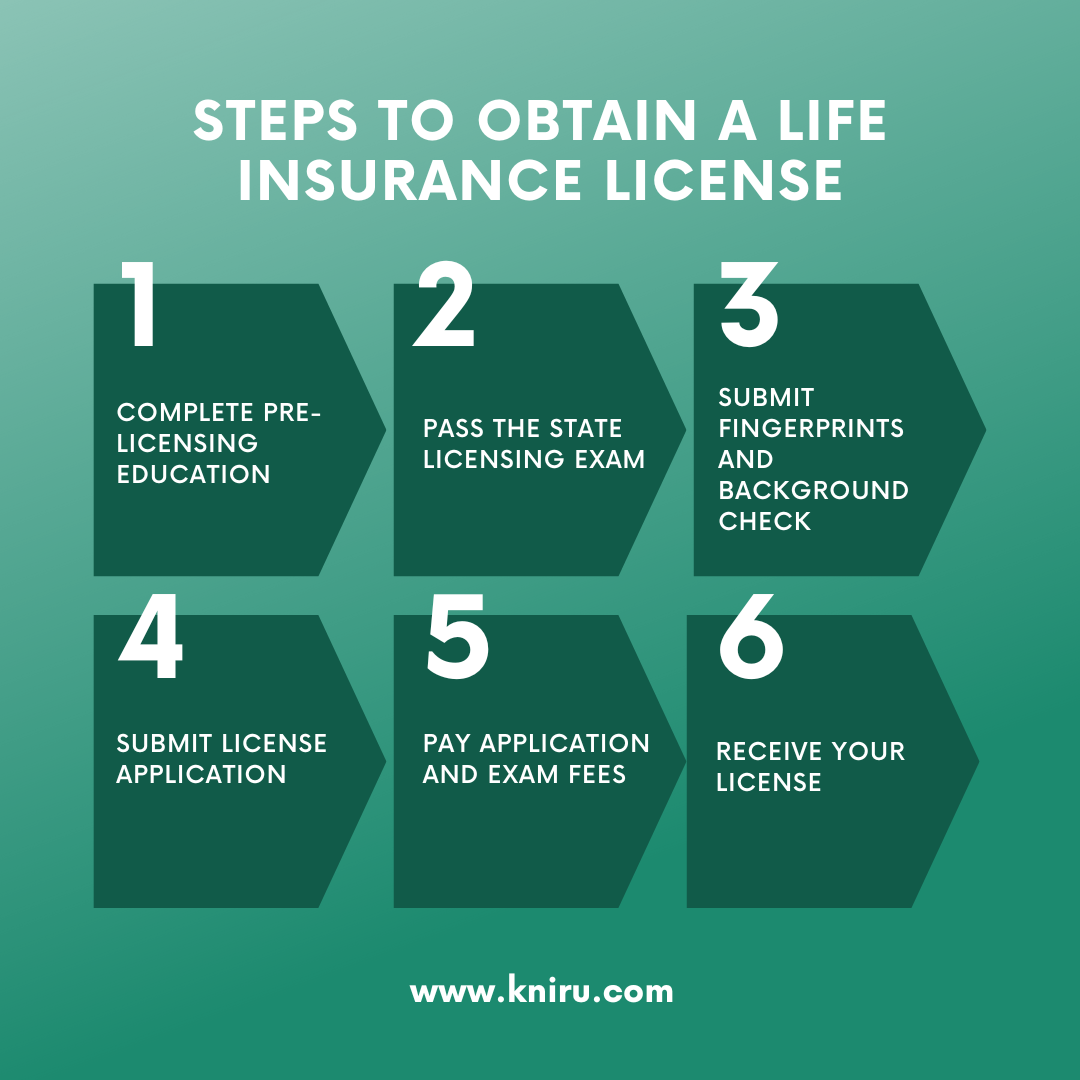
| Step | Responsible Party | Description |
|---|---|---|
| 1. Education | Approved Provider | Complete required hours and report completion to Pearson VUE |
| 2. Examination | Candidate & Pearson VUE | Pass the proctored life and health state licensing exam |
| 3. Background Check | State Police & FBI | Submit live scan fingerprints through an approved vendor |
| 4. Application | Candidate & NIPR | File the official license application and pay IDOI fees |
| 5. Appointment | Insurance Carriers | Secure company appointments to begin selling specific products |
Frequently Asked Questions
How long does it take to get a life and health insurance license in Illinois?
The timeline varies based on your study pace and availability, but most candidates complete the process within four to six weeks. This includes two to three weeks for pre-licensing education and exam study, a few days to schedule and pass the test, and roughly one to two weeks for background check processing and NIPR application approval by the IDOI.
What score do I need to pass the Illinois life and health insurance exam?
Candidates must achieve a scaled score of at least 70 to pass the Pearson VUE administered examination. The exam consists of scored questions covering both general life and health principles and Illinois-specific insurance laws, alongside potential unscored pretest questions used by the testing vendor for statistical analysis.
Can I take the Illinois insurance exam online from home?
Yes, Pearson VUE offers online proctored exams (OnVUE) that allow you to take the test from your home or office, provided your computer equipment, webcam, and testing environment meet their strict technical and security standards. Alternatively, you can schedule your exam at a physical Pearson VUE testing center in Illinois.
What happens if I fail the state licensing exam on my first attempt?
If you do not achieve a passing score, you can retake the examination. Pearson VUE provides a diagnostic score report indicating your performance across different sections. You can schedule a retake after paying the required exam fee again, though it is wise to spend at least a few days reviewing your weak areas before sitting for the test a second time.
Do I need to complete continuing education immediately after getting my license?
Continuing education (CE) requirements do not apply immediately upon licensure, but they begin with your first renewal cycle. In Illinois, insurance producers must complete a specified number of CE hours—including mandatory ethics training—every two years to maintain active license status and qualify for carrier appointments.
Conclusion and Next Actions
Obtaining your life and health insurance license in Illinois is a structured journey that rewards discipline, thorough preparation, and attention to detail. By enrolling in an accredited pre-licensing course, prioritizing state-specific regulations, managing your fingerprinting schedule proactively, and understanding the post-exam appointment process, you can eliminate friction and enter the market with confidence. Begin your journey today by researching IDOI-approved education providers and mapping out a consistent study schedule tailored to your professional goals.