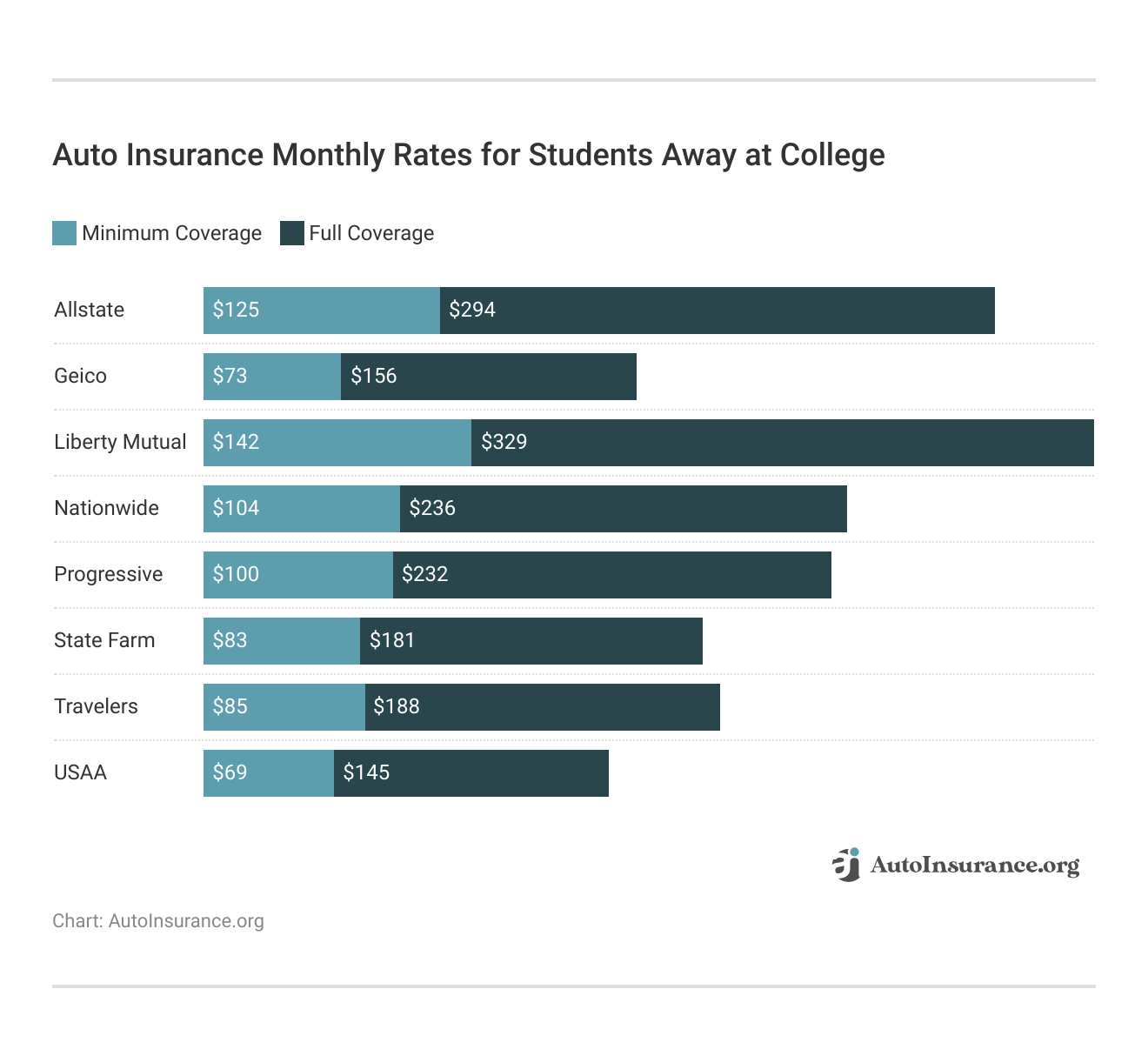
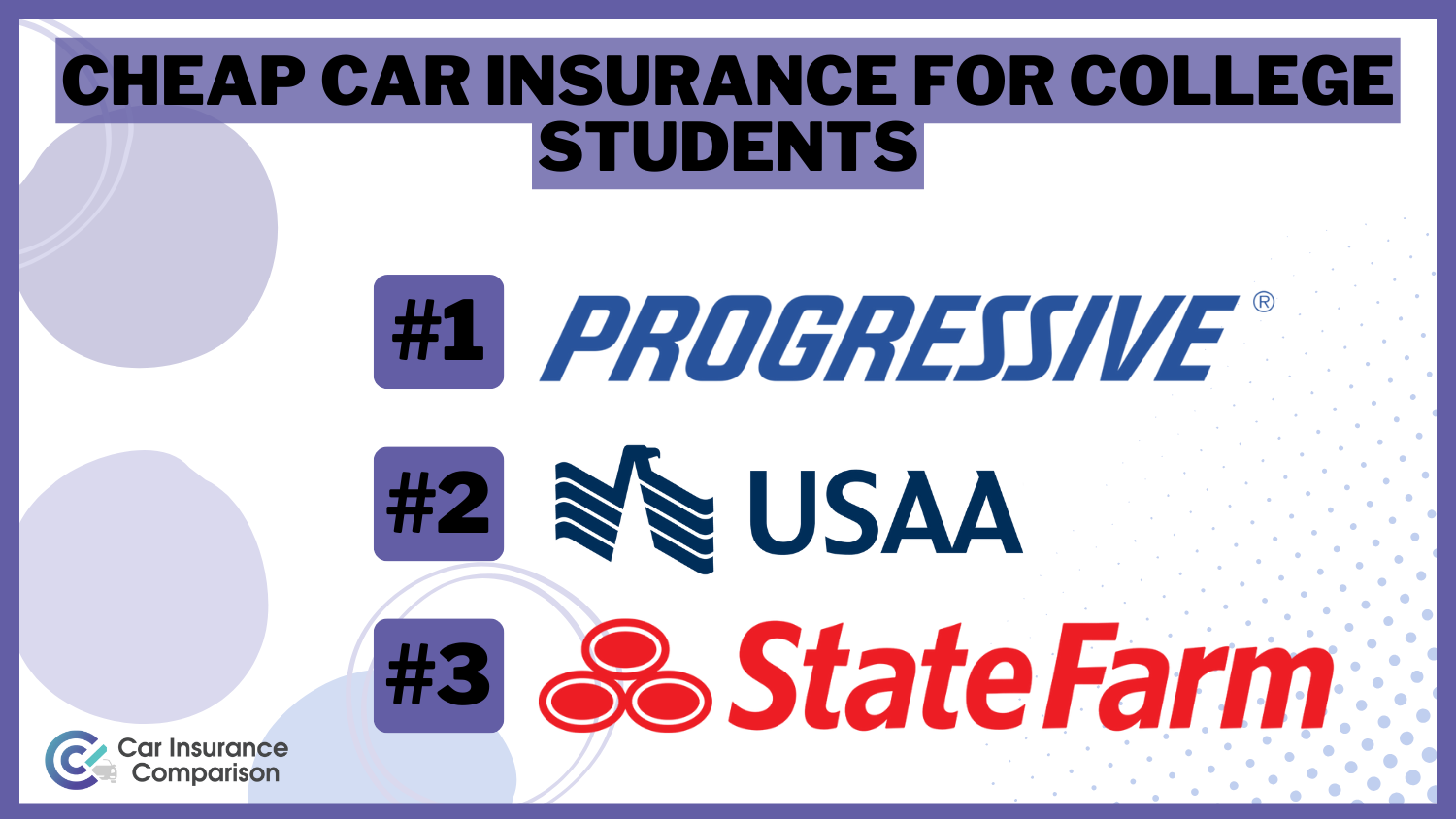
Finding the best auto insurance for college students requires balancing affordability with adequate liability and collision protection, as young drivers typically face higher premium rates due to limited driving history. Providers like Geico, State Farm, Progressive, Nationwide, and Allstate stand out by offering specific discounts for good grades, student organizations, and away-at-school allowances.
Navigating the auto insurance market as a college student or the parent of one can feel overwhelming. Insurance companies classify young adults aged 18 to 22 as high-risk drivers because statistical data shows they are more prone to accidents, distracted driving, and traffic violations. Consequently, monthly premiums can spike significantly. However, major insurers have recognized this demographic's unique financial constraints and driving habits. By taking advantage of specialized discounts, telematics programs, and flexible policy structures, students can secure robust coverage without breaking their academic budgets.
Understanding Why College Students Face Higher Insurance Rates
Insurance underwriters rely heavily on historical data, actuarial tables, and risk assessment models. When an individual enters college, they usually fall into a high-risk bracket for several measurable reasons. Comprehending these factors helps explain why shopping around and targeting specific providers is essential for securing lower rates.
Lack of Driving Experience
The primary driver of high insurance costs for college students is the lack of a mature driving record. Insurers look for a minimum of three to five years of clean driving history to gauge reliability. A student who received their license at age 16 and is now a 19-year-old college sophomore simply does not have enough time-tested experience behind the wheel to qualify for preferred tier rates.
Urban Environments and Campus Living
Where a student parks and drives their vehicle heavily impacts rates. Many college campuses are located in dense urban areas or congested college towns characterized by heavy pedestrian traffic, tight parking garages, and frequent stop-and-go driving. These environments elevate the statistical probability of fender-benders, vandalism, and theft, which insurers factor directly into premium calculations.
Moving Away from Home Without the Vehicle
A unique scenario for college students is the "away at school" discount eligibility. If a student attends a university more than 100 miles away from home and leaves their primary vehicle behind—relying instead on walking, bicycles, or public transit—they can often remain listed on their parents' policy as an occasional driver at a drastically reduced rate. Understanding this distinction prevents families from paying for full-time daily driver coverage when the vehicle sits idle in a hometown driveway for months at a time.
Key Coverage Types Every College Student Needs
Before evaluating specific insurance providers, students and their families must understand what coverage types are mandatory and which offer valuable financial protection against unexpected liabilities.
Liability Coverage
Every state mandates minimum liability insurance requirements, which cover bodily injury and property damage you cause to others in an accident. However, state minimums are often dangerously low. A serious accident resulting in major medical bills can quickly exceed a $25,000 state minimum limit, leaving the driver personally sued for the remainder. Experts generally recommend upgrading to a 100/300/100 limit structure ($100,000 bodily injury per person, $300,000 per accident, and $100,000 property damage).
Collision and Comprehensive Coverage
If a college student drives a relatively new car or is still making auto loan payments, lenders will require collision and comprehensive coverage. Collision pays for damage to your vehicle resulting from a crash with another car or object, while comprehensive covers non-collision events such as theft, fire, animal strikes, or storm damage. Students driving older, paid-off cars worth less than a few thousand dollars may want to drop these coverages to save money, weighing the premium cost against the actual cash value of the vehicle.
Uninsured and Underinsured Motorist Coverage
A significant percentage of drivers on the road carry either no insurance or the bare minimum. If a student is hit by an uninsured driver, uninsured motorist coverage steps in to pay for medical bills and vehicle repairs that the at-fault party cannot cover. This coverage is relatively inexpensive and provides crucial protection for young drivers operating on tight budgets.
The 5 Best Auto Insurance Companies for College Students
Evaluating insurers for college students requires looking beyond base rates to examine student-specific discounts, mobile app usability, and financial stability ratings.
1. Geico: Best Overall for Affordable Rates and Student Discounts
Geico consistently ranks as one of the most budget-friendly options for young drivers. The company's digital-first platform makes it exceptionally easy for tech-savvy college students to manage policies, file claims, and access digital insurance cards via a smartphone app.
- Good Student Discount: Students who maintain a "B" average or a 3.0 GPA can save up to 15% on qualifying coverages.
- Membership Discounts: Affiliation discounts are available for students who belong to specific alumni associations, fraternities, sororities, or honor societies.
- Driver's Education Discount: Drivers under the age of 21 who complete an approved driver training course may qualify for additional reductions.
2. State Farm: Best for Student Away at School and Personal Touch
State Farm operates through a vast network of local, dedicated agents, making it an ideal choice for parents who prefer a face-to-face relationship when managing family policies that include college students.
- State Farm Student Away at School Plan: If a student is at a school at least 100 miles away from home and does not take the car, the policy rate drops significantly while maintaining active coverage for when they return home during breaks.
- Good Student Discount: Full-time high school or college students under age 25 who maintain a cumulative GPA of 3.0 or higher are eligible for substantial savings.
- Steer Clear Program: Drivers under age 25 can complete a mobile-based safe driving course to earn significant premium reductions upon completion.
3. Progressive: Best for Flexible Budgeting and Name Your Price Tool
Progressive appeals to college students who want granular control over their monthly expenses. Their transparent quoting tools allow users to adjust coverages to see how different deductibles and limits alter the final price.
- Name Your Price Tool: Students can input the exact monthly amount they want to pay, and Progressive displays coverage combinations that fit that budget.
- Snapshot Program: Progressive’s telematics program tracks driving habits (such as speed, braking, and phone distraction) via a mobile app. Safe student drivers can earn deep discounts, though aggressive drivers should note that rates can occasionally increase.
- Electronic Billing and Paperless Discounts: Simple administrative discounts reward students who manage their policies entirely online.
4. Nationwide: Best for Telematics and Safe Driving Rewards
Nationwide offers competitive rates and stands out for its consumer-friendly app ecosystem and flexible payment structures, making it a strong contender for independent college students.
- SmartRide Program: This opt-in telematics program tracks driving behavior and offers an immediate participation discount, with potential savings of up to 40% for safe drivers upon policy renewal.
- Good Student Discount: Full-time students aged 16 to 24 with a "B" average or better qualify for reduced rates.
- Accident Forgiveness: For students who maintain a clean record, Nationwide offers accident forgiveness options to prevent rate spikes after a first minor incident.
5. Allstate: Best for Rewards Programs and Safe Driving Perks
Allstate provides robust policy features and unique reward structures that incentivize safe habits, which is particularly beneficial for young drivers building a long-term insurance profile.
- Allstate Milewise: For college students who live on campus and rarely drive—perhaps only using their vehicle for weekend grocery runs or heading home for holidays—Milewise operates on a pay-per-mile model where you pay a low base rate plus a few cents for every mile driven.
- Drivewise: A mobile application that tracks safe driving speeds and braking, rewarding users with cash back or rate cuts every six months.
- Good Student Discount: Full-time high school or college students under age 25 who achieve good grades receive lower rates.
Comparison of Top Auto Insurance Options for College Students
| Insurance Provider | Good Student Discount Criteria | Away at School Discount | Notable Feature for Students |
|---|---|---|---|
| Geico | 3.0 GPA / "B" Average | Yes | Digital-first app management and fraternity/sorority discounts |
| State Farm | 3.0 GPA / "B" Average | Yes (100+ miles) | Extensive network of local agents and Steer Clear program |
| Progressive | Varies by state guidelines | Yes | Name Your Price budgeting tool and flexible deductible adjustments |
| Nationwide | "B" Average (Ages 16–24) | Yes | SmartRide telematics with up to 40% potential savings |
| Allstate | Good grades under age 25 | Yes | Milewise pay-per-mile option for low-mileage student drivers |
Strategies to Lower Auto Insurance Costs While in College
Even with standard student discounts, auto insurance remains a significant expense. Implementing proactive financial and driving strategies can further compress monthly premium costs.
Stay on Your Parents' Policy if Possible
Whenever feasible, keeping a college student on their parents' household insurance policy is far cheaper than purchasing an individual, standalone policy. Insurers view multi-car, multi-driver households as lower risk and extend bundle discounts that single young adults cannot access on their own.
Maintain a High Grade Point Average (GPA)
Insurance companies treat academic performance as a proxy for maturity and responsibility. Consistently maintaining a 3.0 GPA (a "B" average) or higher unlocks the good student discount across almost all major carriers. Students should keep electronic copies of their unofficial transcripts or report cards ready to upload during annual policy renewals.
Choose Vehicles with High Safety Ratings
If a college student is purchasing or bringing a specific car to campus, selecting a vehicle with top safety ratings from the Insurance Institute for Highway Safety (IIHS) or the National Highway Traffic Safety Administration (NHTSA) will lower comprehensive and collision premiums. Sedans and crossover SUVs with advanced driver-assistance systems cost less to insure than sports cars or modified vehicles.
Opt for Higher Deductibles
Raising a collision and comprehensive deductible from $500 to $1,000 can reduce overall premium costs by 10% to 20%. Students and parents should ensure they have adequate emergency savings set aside to cover the higher out-of-pocket deductible amount in the event of an unexpected claim.
Common Mistakes College Students Make When Buying Insurance
Navigating insurance contracts for the first time frequently leads to avoidable financial pitfalls. Being aware of these errors protects students from coverage gaps and unexpected expenses.
- Failing to Update the Garaging Address: Students often forget to inform their insurer when moving from a family home to a college dorm or off-campus apartment. If an accident occurs in an unreported ZIP code, the insurer may deny the claim due to misrepresentation of risk.
- Carrying Inadequate Liability Limits: Purchasing the absolute minimum legal coverage required by the state to save money upfront leaves the driver financially exposed to catastrophic lawsuits if they cause a major accident.
- Ignoring Telematics Privacy Concerns: While safe driving apps offer large discounts, users must weigh the data-sharing implications of having their acceleration, braking, and location tracked continuously by a corporate software application.
- Not Shopping Around Annually: Insurance rates fluctuate based on market conditions, age milestones, and driving record updates. Sticking with the same provider out of habit without comparing annual quotes can mean missing out on lower rates elsewhere.
Frequently Asked Questions
Do college students need their own auto insurance policy?
Not necessarily. If the student lives at home during school breaks and primarily drives a vehicle registered to their parents, remaining on the parents' policy is usually the most cost-effective option. However, if the student purchases a vehicle under their own name, they are legally required to hold an individual policy in their own name.
What GPA is required to qualify for a good student discount?
Most major auto insurance companies require a minimum 3.0 cumulative GPA, which corresponds to a "B" average, or placement on the Dean's List or honor roll. High school students ranked in the top 20% of their class or scoring above a certain threshold on standardized tests like the SAT or ACT may also qualify.
How does the "away at school" discount work?
The away-at-school discount applies when a student attends a college or university located a specific distance—usually 100 miles or more—away from their permanent home address and leaves the family car behind. Because the student rarely drives the vehicle, the insurer temporarily reduces the rating factor for that driver, lowering the overall household premium.
Can college students use telematics apps to lower rates?
Yes, programs like Progressive Snapshot, Nationwide SmartRide, and Allstate Drivewise are widely available to college students. These mobile apps monitor driving behavior in real-time. Safe drivers who avoid speeding, rapid acceleration, and late-night driving can earn significant discounts, though risky driving habits can occasionally cause rates to rise.
What should a college student do immediately after an accident?
A student involved in an accident should first ensure everyone is safe and move to a secure location if possible. They must call 911 to file an official police report, exchange insurance and contact information with other drivers, take clear photographs of the scene and vehicle damage, and notify their insurance provider as soon as possible to begin the claims process.
Next Steps for Securing Student Coverage
Start by gathering current vehicle registration details, driving records, and the most recent academic transcripts. Request online quotes from at least three of the top providers listed above to compare baseline premiums side by side. Ensure you specifically ask customer service representatives about away-at-school allowances and good student discounts to maximize your monthly savings.