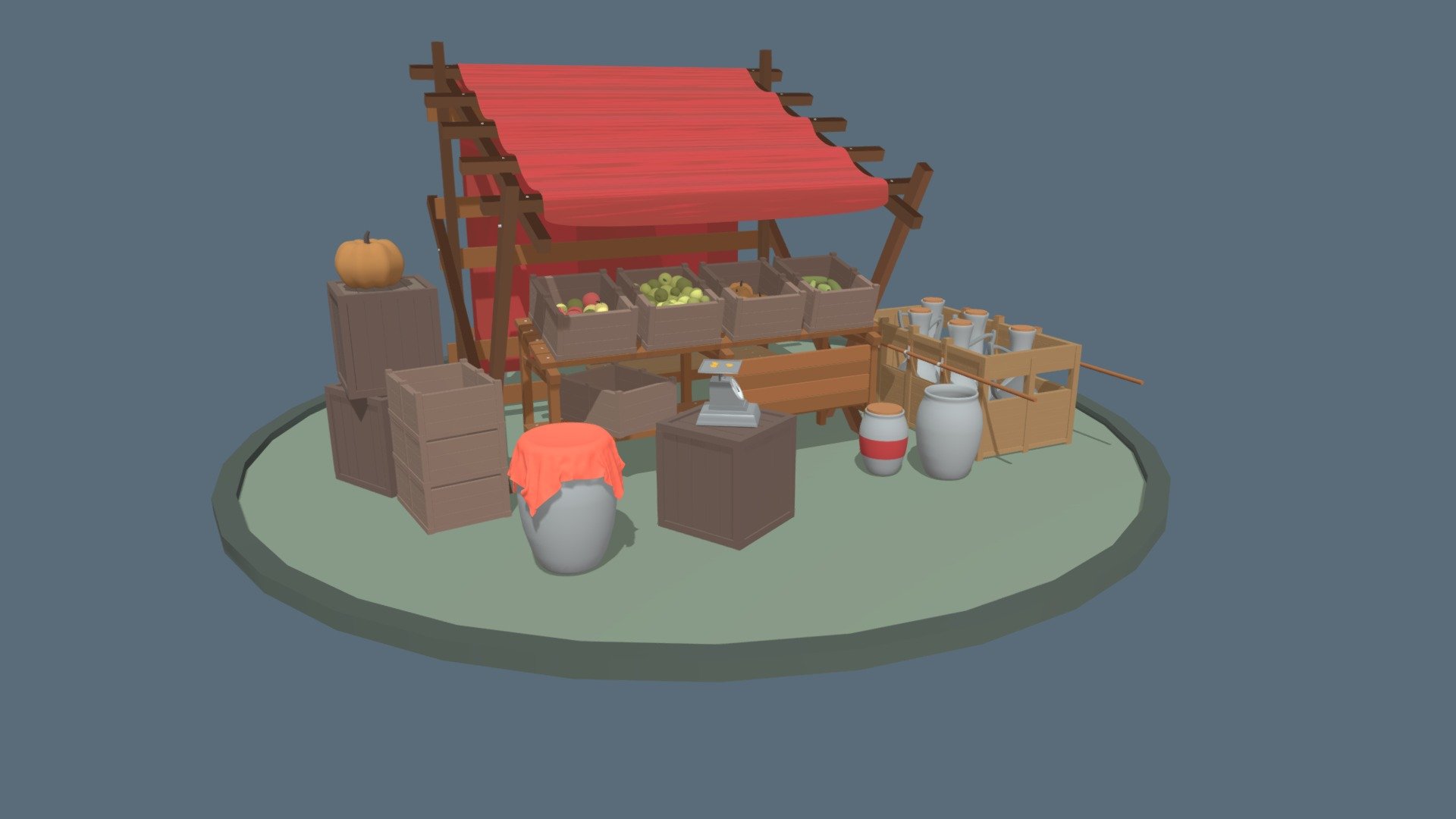
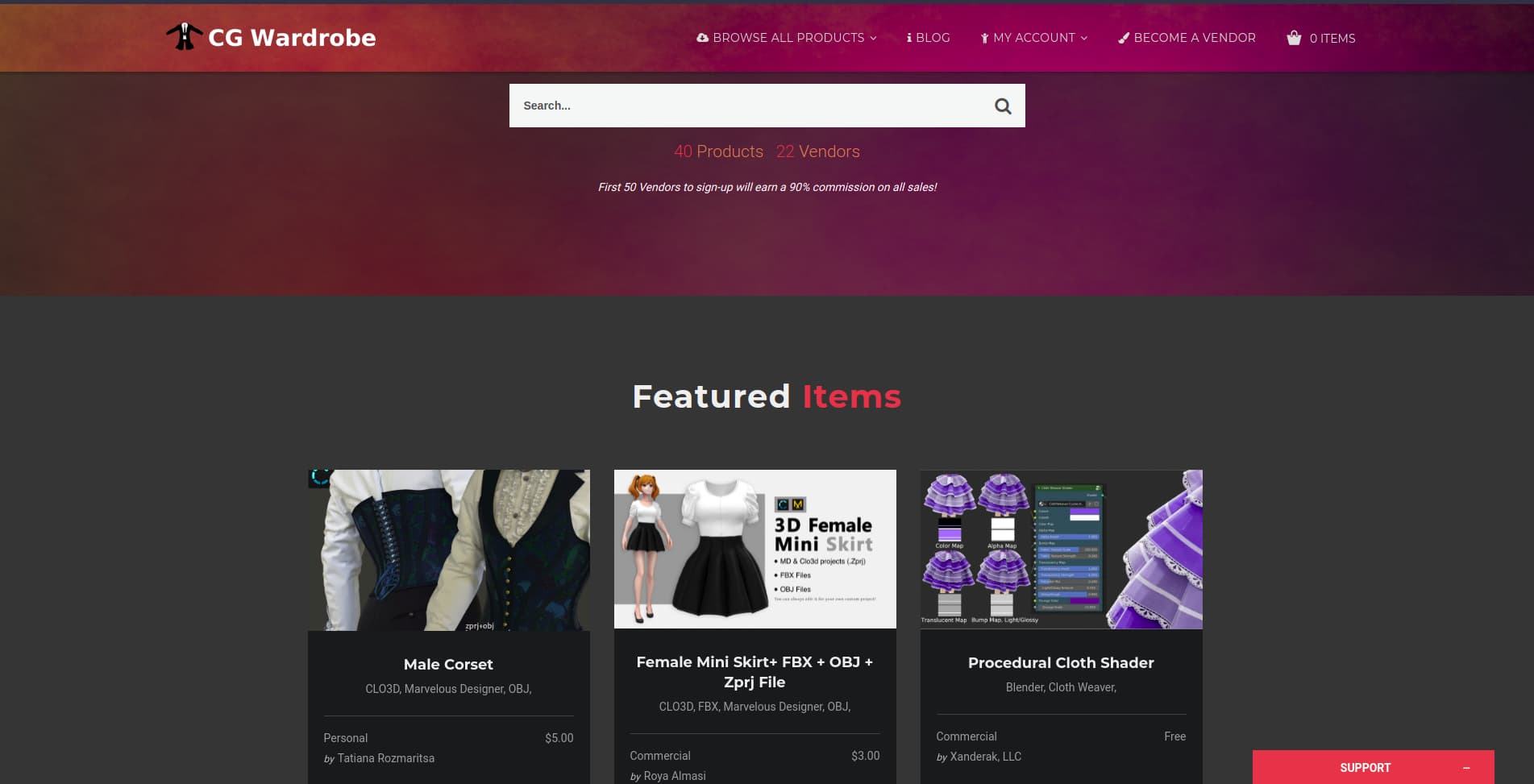
A 3D marketplace is a digital platform where creators buy, sell, and license three-dimensional assets, models, textures, and animations for use in industries such as gaming, VFX, architecture, and 3D printing. These ecosystems connect digital artists with developers, providing standardized formats, licensing frameworks, and secure transactional infrastructure to accelerate modern digital production workflows.
Introduction to the 3D Asset Ecosystem
The digital creation landscape relies heavily on pre-made three-dimensional content. Building every asset from scratch—whether a photorealistic human face, a complex mechanical engine, or an intricate architectural interior—is cost-prohibitive and inefficient for modern production pipelines. A 3D marketplace serves as the central bazaar for this content, bridging the gap between independent digital sculptors, technical artists, and large-scale studios.
Understanding how these platforms operate requires looking beyond simple storefronts. These ecosystems involve complex interactions between file format compatibility, licensing legalities, software integrations, and royalty structures. Whether you are an independent game developer searching for low-poly props or a visual effects studio looking for high-fidelity photogrammetry scans, navigating this landscape effectively requires knowing where to look, what file formats to demand, and how licensing models impact commercial distribution.
Core Categories of 3D Assets
Digital marketplaces host a vast array of content tailored to specialized industrial workflows. Assets are rarely monolithic; they consist of geometric meshes, material shaders, skeletal rigs, and animation data tailored to specific engines and rendering software.
Character Models and Rigged Entities
Characters represent some of the most complex assets available on commercial platforms. A standard character package often includes the base mesh, high-resolution textures (diffuse, normal, roughness, displacement), blend shapes for facial expressions, and a skeletal rig compatible with software like Autodesk Maya, Blender, or Unreal Engine.
- Game-Ready Characters: Optimized with lower polygon counts and efficient UV unwrapping to run smoothly in real-time engines.
- Cinematic Characters: High-density meshes utilizing subdivision surfaces, designed for offline rendering engines like Arnold or V-Ray.
- Stylized vs. Photorealistic: Assets span from hand-painted stylized figures for mobile games to scanned photogrammetry human models for VFX.
Environment and Architectural Elements
Environments comprise modular building blocks, props, foliage, and landscapes. Architectural visualization (ArchViz) assets prioritize hyper-realistic interior furnishings, lighting setups, and surface materials, whereas game environments focus on modularity, allowing developers to snap walls, floors, and props together seamlessly to build expansive game worlds.
Materials, Textures, and Shaders
Modern rendering relies on Physically Based Rendering (PBR) workflows. Marketplaces feature extensive libraries of tileable materials, procedural node graphs, and surface textures. Formats like Substance materials (.sbsar) allow developers to adjust parameters such as weathering, color variation, and roughness directly inside their host application before export.
Major 3D Marketplaces Compared
Different platforms cater to distinct segments of the digital arts community, varying by commission rates, asset verification standards, and software integration.
| Platform Name | Primary Focus | Licensing Models | Target Audience | Key Integration |
|---|---|---|---|---|
| TurboSquid | General 3D Models & VFX | Royalty-Free, Editorial | VFX, Advertising, General 3D | Broad multi-software support |
| Sketchfab | Web-based Viewing & Assets | Standard & Creative Commons | Web developers, 3D hobbyists | Browser-based 3D viewer |
| CGTrader | Diverse Community Marketplace | Royalty-Free, Commercial | Game devs, independent artists | Direct model downloads |
| Unreal Marketplace | Engine-Specific Ecosystem | Epic Games EULA | Unreal Engine developers | Native engine integration |
| Unity Asset Store | Engine-Specific Ecosystem | Unity Asset Store EULA | Unity game developers | Native engine integration |
Independent Open Marketplaces
Platforms like CGTrader and TurboSquid operate independently of specific software engines. They act as open platforms where any artist can upload models. TurboSquid, acquired by Shutterstock, features stringent quality verification tiers like "CheckMate," ensuring models meet specific geometric and unwrapping standards. CGTrader hosts a massive community of independent creators, offering competitive commission structures and frequent sales events. Sketchfab stands out for its robust browser-based viewer, allowing potential buyers to inspect wireframes, textures, and animations in real time before making a purchase.
Proprietary Engine Marketplaces
Ecosystems tied directly to game engines, such as the Unreal Engine Marketplace and the Unity Asset Store, streamline production pipelines. Assets purchased here are often pre-configured for the target engine, featuring ready-to-use materials, blueprints, and script components. Epic Games also integrates Quixel Megascans into its ecosystem, providing Unreal Engine developers with access to a massive library of high-fidelity scanned assets and surface materials.
Technical Specifications and File Format Standards
One of the greatest hurdles in utilizing a 3D marketplace is format compatibility. Unlike 2D images that rely on universal formats like JPEG or PNG, three-dimensional data requires complex structural definitions for geometry, rigging, and animation.
Universal vs. Native Formats
- FBX (Filmbox): Developed by Autodesk, FBX is the industry workhorse for transferring meshes, skeleton rigs, and animations between software packages with minimal data loss.
- OBJ: A legacy format that stores geometry and basic UV coordinates but does not support rigging, skeletal data, or complex material trees.
- GLTF / GLB: Often described as the "JPEG of 3D," this open standard format is optimized for web delivery, augmented reality (AR), and real-time applications, preserving PBR materials and animations efficiently.
- USD (Universal Scene Description): Developed by Pixar, USD is increasingly becoming the industry standard for collaborative pipeline integration in high-end VFX and animation studios.
- Native Formats: Files saved in their original software format (e.g.,
.blendfor Blender,.maxfor 3ds Max,.mafor Maya). These preserve software-specific modifiers and procedural setups but require the host application to open.
PBR Texture Channel Requirements
Quality control involves inspecting texture maps. A standard PBR workflow requires multiple maps to render realistically under varying lighting conditions:
- Albedo / Base Color: Defines the foundational color without lighting data.
- Normal Map: Simulates high-frequency surface detail without increasing polygon count.
- Roughness / Glossiness: Controls how light scatters across the surface.
- Metallic: Distinguishes between metallic and non-metallic surfaces.
- Ambient Occlusion (AO): Darkens creases and crevices where ambient light struggles to reach.
Commercial Licensing Models and Legal Compliance
Purchasing an asset from a 3D marketplace does not mean you own the intellectual property. You are purchasing a license to use the asset under specific conditions dictated by the platform or the individual creator.
Royalty-Free (RF) vs. Editorial Licenses
- Royalty-Free: The most common commercial license. Buyers pay a single fee to use the asset across multiple projects without paying ongoing royalties to the creator. However, standard RF licenses usually restrict the resale of the raw asset files.
- Editorial Use Only: These assets contain trademarked logos, real-world branding, or recognizable likenesses of people or private property. They cannot be used for commercial advertising or product promotion; they are strictly limited to news, documentaries, and educational commentary.
- Enterprise and Extended Licenses: Large studios often require extended licenses to distribute uncompiled source assets within internal tools or to grant access to hundreds of employees across multiple global offices.
Frequently Asked Questions
What file format should I look for when buying a 3D model?
The ideal format depends on your pipeline. For general use and animation transfer, FBX is the most reliable industry standard. If you are developing web or AR applications, GLB/GLTF is preferred due to its lightweight delivery. Always check if the platform offers your software's native format to preserve procedural modifiers.
Can I use marketplace 3D models in commercial video games?
Yes, provided you purchase a standard royalty-free commercial license. However, you must ensure the asset is compiled into a standalone application (like a game build) and that raw asset files are not exposed for end-users to extract and repurpose outside your game.
What is photogrammetry and why is it popular in marketplaces?
Photogrammetry is the process of extracting 3-dimensional data from sets of overlapping photographs. It allows artists to capture real-world rocks, bark, surfaces, and historical artifacts with hyper-realistic textures and geometry, drastically reducing the time required to hand-sculpt organic details.
How do platform commission rates affect creators and buyers?
Marketplaces take a cut of each sale to cover hosting, payment processing, and platform maintenance. Commission rates vary significantly, ranging from 30% to over 50% depending on whether the creator participates in exclusive distribution programs. These rates indirectly influence asset pricing and the volume of independent content available.
What should I do if a purchased 3D asset has broken textures or bad topology?
Most marketplaces feature a dispute or refund policy for defective items. Before requesting a refund, check the product description to ensure you downloaded the correct engine-specific files. Reputable sellers often provide technical support or updates to fix geometry and texturing bugs upon request.
Practical Next Actions for Buyers and Sellers
Navigating a 3D marketplace successfully requires a strategic approach tailored to your role in the pipeline.
For buyers, establish a standardized asset audit checklist before integrating models into production. Verify that polygon counts align with your target platform (mobile, console, or offline render), inspect UV maps for overlapping coordinates, and confirm that texture paths are correctly linked. Always archive your licensing agreements alongside your project files to maintain clear legal compliance for commercial distribution.
For creators and digital artists looking to sell assets, focus on clean topology, organized outliners, and thorough documentation. Providing multiple formats (such as FBX alongside native files), clear PBR texture maps, and well-named material slots significantly reduces customer friction and drives positive reviews. Prioritize platforms that match your artistic niche—whether that is engine-specific marketplaces for game-ready assets or open platforms for high-end cinematic models.