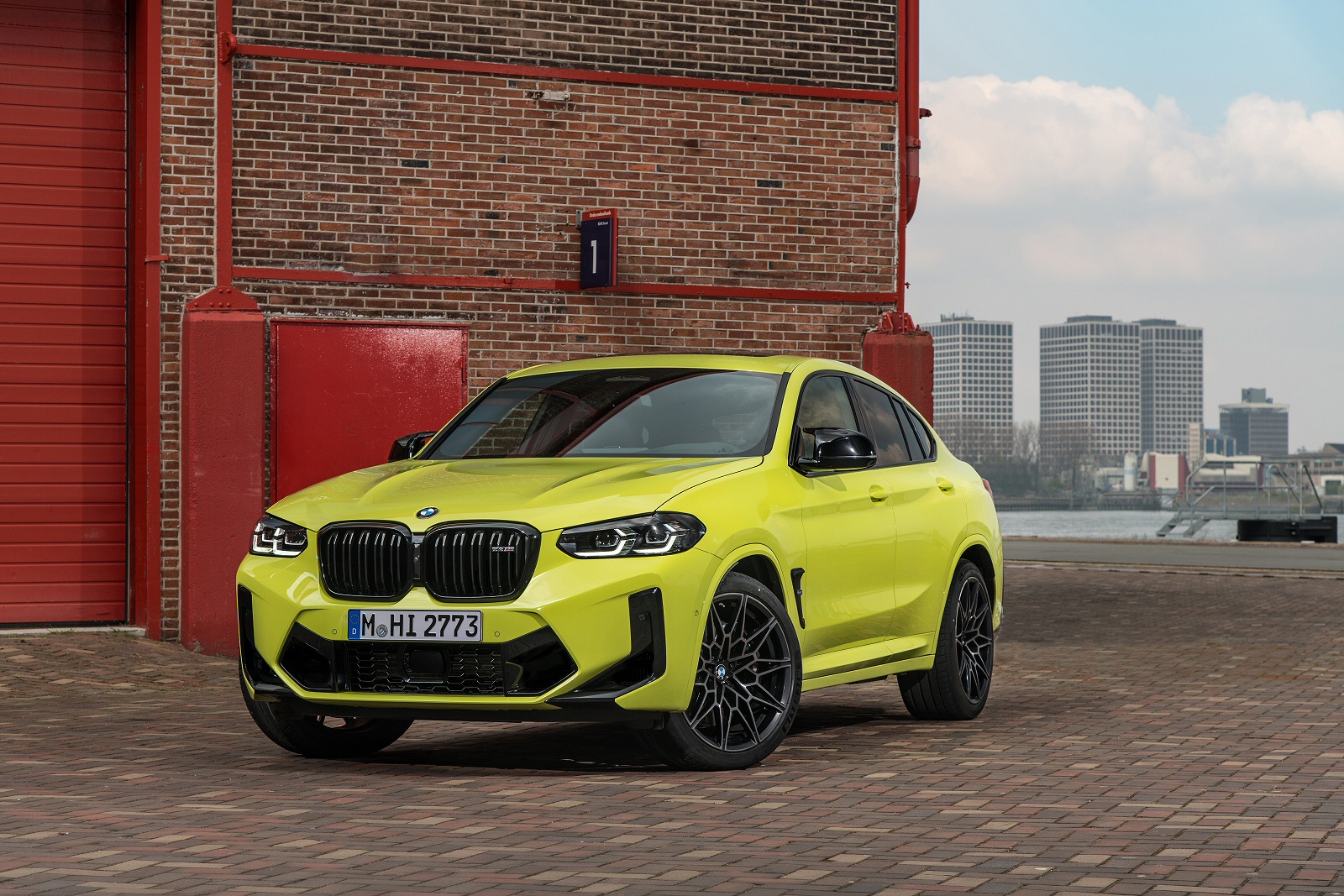
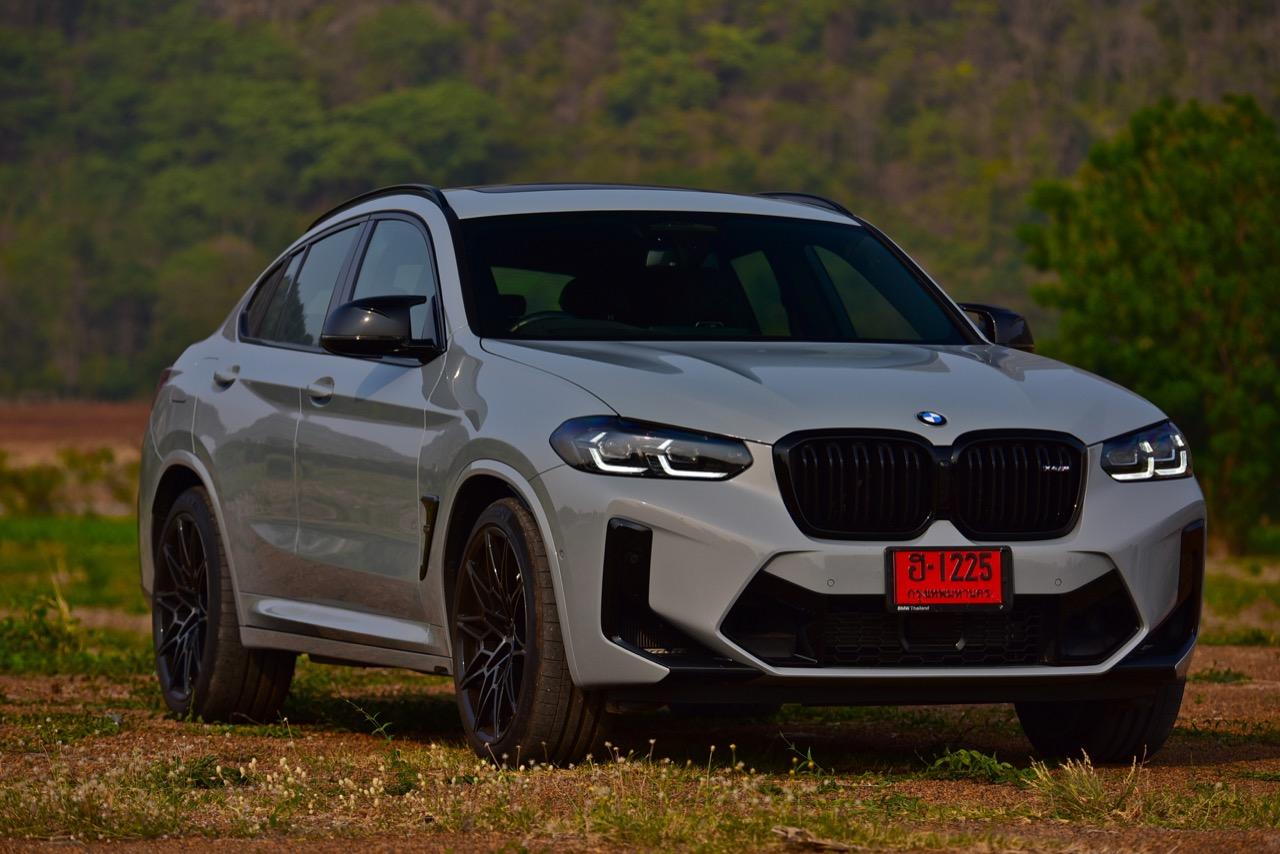
The 3.2-second 0–60 mph time for the BMW X4 M Competition is a benchmark achieved through independent real-world testing, significantly outperforming BMW’s official conservative claim of 3.7 seconds. This elite level of acceleration is made possible by the 503-horsepower S58 twin-turbocharged inline-six engine, a highly sophisticated M xDrive all-wheel-drive system, and the lightning-fast shifts of the 8-speed M Steptronic transmission.
The Engineering Behind the 3.2-Second Sprint
To understand how a vehicle weighing over 4,500 pounds can accelerate with the ferocity of a dedicated supercar, one must look deep into the mechanical architecture of the F98-generation BMW X4 M Competition. As of 2026, while the automotive world pivots increasingly toward electrification, the X4 M Competition remains a masterclass in internal combustion optimization.
The heart of this performance is the S58 engine. Unlike standard BMW engines, the S58 is a true M-division powerplant, sharing much of its DNA with the engine found in the M3 and M4. It utilizes a 3.0-liter displacement with two mono-scroll turbochargers. The technical depth of this engine is staggering; it features a 3D-printed cylinder head core, which allows for complex geometries that traditional casting cannot achieve, resulting in optimized weight and superior thermal management.
The engine produces 503 horsepower and 479 lb-ft of torque in its Competition trim. However, the "3.2-second" figure often cited by enthusiasts and automotive journalists (such as those from Car and Driver) is the result of how that power is delivered. The S58 is a high-revving engine, but its torque curve is exceptionally broad, allowing the vehicle to pull hard from a standstill and maintain that momentum through the top of the rev range.
M xDrive and Traction Management
Raw power is useless without the ability to transmit it to the pavement. The BMW X4 M Competition utilizes a specifically tuned M xDrive all-wheel-drive system. This is not a standard xDrive system; it is a rear-biased setup that works in tandem with the Active M Differential.
During a 0–60 mph launch, the system monitors wheel slip at a millisecond frequency. When the driver engages Launch Control, the computer manages the clutch engagement within the transfer case to ensure that the maximum amount of torque is sent to the wheels with the most grip. In most conditions, this means an initial burst of power to all four wheels to prevent spin, followed by a rapid transition to a rear-bias to maximize pushing force as the vehicle’s weight shifts backward.
The role of the ZF-sourced 8-speed M Steptronic transmission cannot be overstated. By 2026, the software tuning for this gearbox has reached a pinnacle of refinement. In its most aggressive "Drivelogic 3" setting, the shift times are virtually instantaneous. Unlike a dual-clutch transmission (DCT) which can sometimes struggle with the massive weight and torque of an SUV during a hard launch, the torque-converter-based Steptronic provides the durability needed for repeated high-stress launches while maintaining shift speeds that rival the best DCTs in the world.
The Discrepancy: Factory Specs vs. Real-World Testing
One of the most common points of confusion for buyers and enthusiasts is the difference between BMW’s advertised 3.7-second 0–60 mph time and the 3.2-second or 3.3-second times recorded by independent testers. This discrepancy is rooted in two primary factors: BMW’s historical conservatism and the "one-foot rollout" standard.
BMW's Conservative Ratings
BMW is notorious for "underrating" their vehicles. The factory-published figures are typically achievable in less-than-ideal conditions (high elevation, average fuel quality, or non-prepped surfaces). This ensures that every customer, regardless of their location, can meet or beat the advertised number. In reality, the S58 engine often produces closer to 540–550 horsepower at the crank when measured on a dynamometer, despite the official 503-hp rating.
The One-Foot Rollout
North American automotive publications typically use a "one-foot rollout" when measuring 0–60 mph times. This mimics the timing lights at a drag strip, where the clock doesn't start until the front tire has moved approximately 12 inches. This practice generally subtracts about 0.2 to 0.3 seconds from the total time. Therefore, a "true" 0–60 from a dead stop might be 3.5 seconds, while the "tested" 3.2-second figure represents the car’s performance once it is actually in motion.
Technical Specifications and Performance Data
The following table outlines the key performance metrics of the BMW X4 M Competition as observed in 2026 performance benchmarks.
| Feature | Specification |
|---|---|
| Engine Type | 3.0L Twin-Turbocharged Inline-6 (S58) |
| Horsepower | 503 hp @ 5,950–7,200 rpm |
| Torque | 479 lb-ft @ 2,750–5,500 rpm |
| Transmission | 8-Speed M Steptronic with Drivelogic |
| Drivetrain | M xDrive (All-Wheel Drive) |
| 0–60 mph (Factory) | 3.7 Seconds |
| 0–60 mph (Tested) | 3.2 – 3.3 Seconds |
| 1/4 Mile Time | 11.5 Seconds @ 119 mph |
| Curb Weight | Approx. 4,590 lbs |
| Top Speed | 155 mph (177 mph with M Driver's Package) |
Launch Control: How to Achieve the 3.2-Second Time
To replicate these high-performance figures, the driver must follow a specific sequence to engage the BMW Launch Control system. This is not simply "flooring it" from a red light; the vehicle must be prepared for the thermal and mechanical stress of a maximum-effort start.
- Warm-up: The engine and transmission must be at operating temperature. The system will not allow a launch if the fluids are too cold or too hot.
- M-Mode Selection: The driver should select M2 or a custom configuration where the DSC (Dynamic Stability Control) is set to "MDM" (M Dynamic Mode) or turned completely off.
- Drivelogic Setting: The transmission must be in the "S" (Sequential) or "D" mode with the Drivelogic toggle set to the third (most aggressive) level.
- Brake Pressure: With the left foot, the driver must press the brake pedal firmly to the floor.
- Throttle Application: With the right foot, the driver presses the accelerator past the "kick-down" point. The instrument cluster will display a "Launch Control Active" message or a flag icon.
- Release: Once the engine holds the optimal RPM (usually around 3,000–3,500 RPM), the driver releases the brake, and the M xDrive system manages the torque distribution for the 3.2-second sprint.
Comparison with Key Competitors
As of 2026, the X4 M Competition remains one of the fastest internal combustion SUVs in its segment. However, the competition is fierce, and the 3.2-second 0–60 time places it in an elite bracket.
Mercedes-AMG GLC 63 S
The AMG GLC 63 S has traditionally used a 4.0L V8, though newer iterations have moved toward hybridized four-cylinder setups. While the V8 versions offer a more visceral sound, the X4 M Competition's S58 engine often proves more efficient at high-speed acceleration. The AMG typically clocks in between 3.4 and 3.6 seconds, making the BMW slightly faster in a straight line.
Porsche Macan GTS / Turbo
The Macan is widely considered the gold standard for SUV handling. However, in terms of raw 0–60 performance, the X4 M Competition usually edges out the Macan GTS. While the Macan’s PDK transmission is legendary for its speed, the sheer power advantage of the BMW’s S58 engine allows it to pull ahead during the 0–60 and 1/4 mile sprints.
Tesla Model Y Performance
In the realm of electric vehicles, the Model Y Performance is the most direct rival. The Tesla can achieve 0–60 in approximately 3.5 seconds. While the Tesla has the advantage of instant torque, the BMW X4 M Competition’s 3.2-second tested time actually surpasses the Tesla once the "rollout" is accounted for in both vehicles. Furthermore, the BMW continues to pull much harder above 60 mph, where EVs often begin to lose their acceleration advantage.
Limitations and Practical Considerations
While the 3.2-second performance is a remarkable feat of engineering, it does come with certain trade-offs that potential owners should consider in 2026.
Ride Quality
To achieve the stability required for a 3.2-second launch and high-speed cornering, the X4 M Competition features a very stiff suspension. Even in "Comfort" mode, the ride is significantly firmer than a standard X4. Owners often report that the vehicle can be jarring over broken pavement or expansion joints.
Tire Wear and Maintenance
Achieving these acceleration figures puts immense stress on the tires. The X4 M Competition typically comes equipped with high-performance summer tires like the Michelin Pilot Sport 4S. Frequent use of Launch Control will significantly shorten the lifespan of these tires and the brake pads. Furthermore, the specialized S58 engine requires strict adherence to maintenance schedules, including high-quality synthetic oils and frequent spark plug changes if the car is driven hard.
Fuel Consumption
Despite the efficiency gains made by 2026, a twin-turbocharged performance SUV is not an economy vehicle. Driving the X4 M Competition in a manner that utilizes its 0–60 potential will result in fuel economy significantly lower than the EPA-rated averages.
The Role of Aerodynamics and Chassis
The "Sports Activity Coupe" (SAC) design of the X4 M isn't just about aesthetics; it plays a role in the high-speed stability necessary for sub-4-second runs. The sloping roofline reduces the wake area at the rear of the vehicle, though it does sacrifice some cargo space compared to its sibling, the X3 M.
The chassis of the Competition model features specific bracing, including a carbon fiber reinforced plastic (CFRP) strut brace in the engine compartment. This rigidity ensures that when the M xDrive system sends 500+ horsepower to the wheels, the body doesn't flex, allowing the suspension geometry to remain optimal for maximum tire contact.
FAQ: BMW X4 M Competition Performance
Does the 3.2-second 0-60 mph time require special fuel?
While the X4 M Competition can run on standard premium (91 or 93 octane) fuel, achieving the absolute best performance figures typically requires high-quality 93 octane. The S58 engine's knock sensors are very sensitive; if lower-quality fuel is detected, the ECU will pull timing to protect the engine, which will result in slightly slower acceleration times.
Is Launch Control bad for the car?
BMW engineers the M-division cars to handle the stress of Launch Control, but it is not "harmless." Repeated launches in quick succession can lead to heat soak in the transmission and differential. The car’s computer will actually prevent Launch Control from engaging if it detects that component temperatures are too high. While it won't break the car immediately, frequent use will accelerate the wear on the drivetrain and tires.
What is the difference between the X4 M and the X4 M Competition?
The "Competition" is a specific trim level. In the F98 generation, the standard X4 M produced 473 hp, while the Competition model increased that to 503 hp. The Competition also includes the M Sport exhaust system, 21-inch wheels, and specific interior appointments. Most importantly, the Competition model has a revised torque curve that is essential for hitting the 3.2-second 0–60 mark.
How does the 2026 BMW X4 M Competition compare to an M3?
The X4 M Competition uses the same S58 engine as the M3. However, because the M3 is lighter and lower to the ground, it is generally faster in most performance metrics. That said, the X4 M’s all-wheel-drive system gives it a significant advantage in "stoplight" acceleration and all-weather performance where a rear-wheel-drive M3 might struggle for traction.
Can the 3.2-second time be improved with tuning?
Yes. The S58 engine is highly receptive to aftermarket tuning. With a simple ECU reflash and high-flow downpipes, many tuners have pushed the X4 M Competition into the sub-3.0-second range for 0–60 mph. However, this typically voids the manufacturer's warranty and may impact the vehicle's long-term reliability.
Final Recommendation: Is the X4 M Competition for You?
The 3.2-second BMW X4 M Competition represents a unique intersection of utility and extreme performance. If your primary goal is to own one of the fastest-accelerating internal combustion vehicles on the road while still having the ground clearance and AWD capability of an SUV, the X4 M Competition is nearly peerless in 2026.
However, buyers should be prepared for the "M-tax"—higher insurance premiums, expensive tire replacements, and a stiff ride that may be too aggressive for those seeking a traditional luxury SUV experience. For those who prioritize the thrill of the launch and the technical mastery of a high-revving straight-six, there are few vehicles that can match the visceral experience of the X4 M Competition at full tilt.