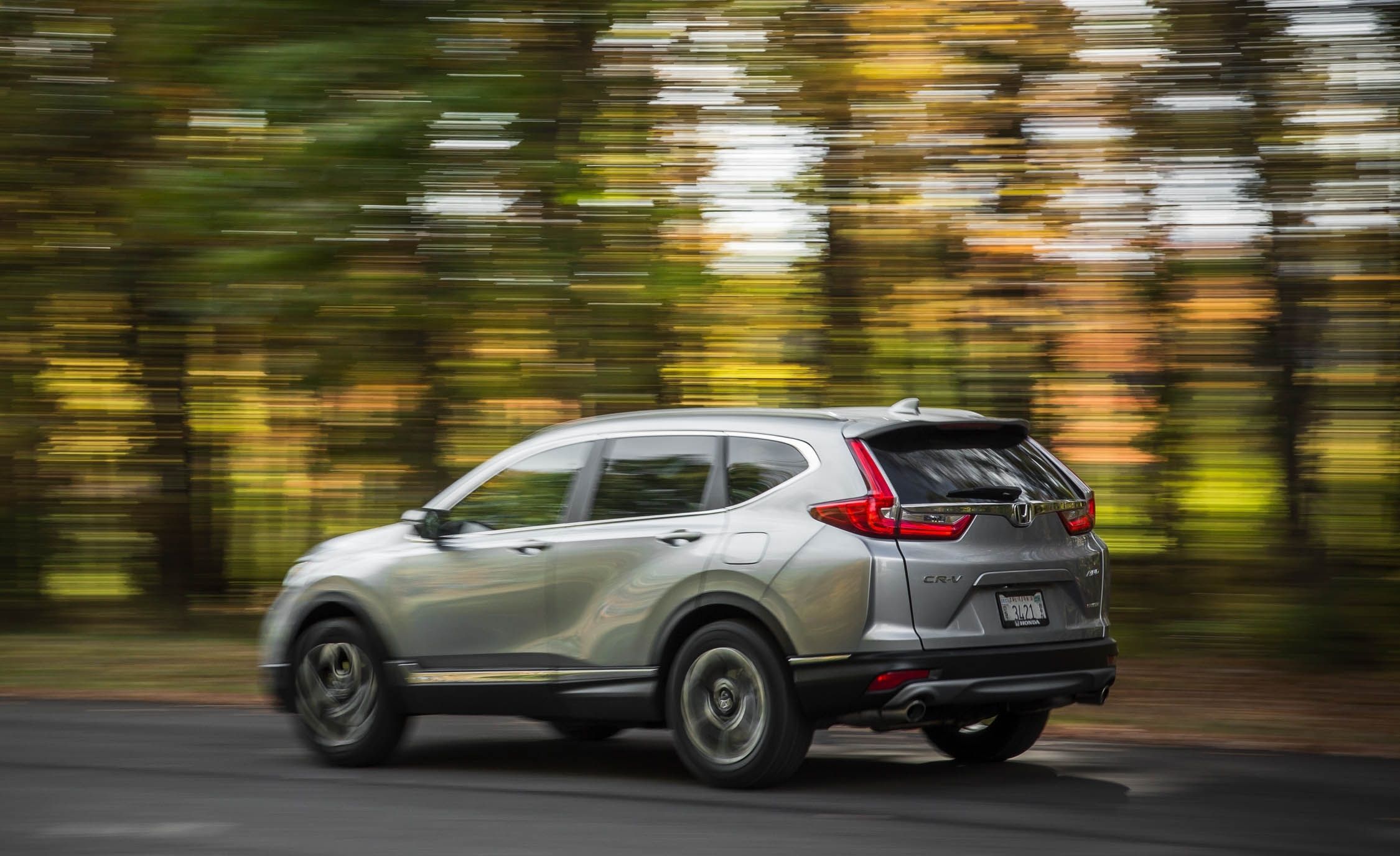
Achieving an average of 23 mpg in a 2007 Honda CR-V reflects its EPA combined fuel economy rating, making it a reliable benchmark for this third-generation compact crossover. Real-world fuel economy for this model typically ranges between 20 mpg in heavy city driving and 26 mpg on the highway, depending on maintenance, drivetrain configuration, and driving habits.
Understanding the 2007 Honda CR-V Fuel Economy Foundation
When evaluating the 23 mpg 2007 honda cr v fuel economy snapshot, drivers and prospective buyers are looking at a vehicle that introduced a major stylistic and mechanical redesign for the third generation. Released in late 2006 for the 2007 model year, this iteration of the Honda CR-V shifted away from its boxy, truck-like past into a smoother, more aerodynamic passenger crossover. At the heart of its powertrain is a 2.4-liter, naturally aspirated four-cylinder engine (designated the K24Z1) paired with a traditional 5-speed automatic transmission.
The official United States Environmental Protection Agency (EPA) ratings for the 2007 Honda CR-V were originally calculated under testing standards that changed slightly in 2008. Under the revised standards, the front-wheel-drive (FWD) model earned an EPA rating of approximately 20 mpg in city driving and 27 mpg on the highway, culminating in a combined average of 23 mpg. The all-wheel-drive (AWD/Real Time 4WD) variant saw a minor penalty, typically rated at 20 mpg city and 26 mpg highway, with a combined rating hovering around 22 to 23 mpg depending on conditions. Understanding these baseline figures provides a critical anchor for evaluating a used vehicle's current performance against its factory specifications.
Factory Specifications and Drivetrain Impact on MPG
Vehicle architecture plays a decisive role in fuel efficiency. The 2007 Honda CR-V utilized a single engine option across all trim levels (LX, EX, and EX-L), ensuring consistency in displacement and horsepower output. However, mechanical variations across trims and drivetrains directly influence fuel consumption profiles.
The K24Z1 engine produces 166 horsepower at 5,800 rpm and 161 lb-ft of torque at 4,200 rpm. Unlike later generations that adopted continuously variable transmissions (CVTs) to optimize gear ratios continuously, the 2007 model relies on a proven 5-speed automatic. While this transmission lacks the ultra-wide gear spread of modern gearboxes, it is mechanically robust.
| Drivetrain Configuration | EPA City MPG | EPA Highway MPG | EPA Combined MPG | Typical Real-World Range |
|---|---|---|---|---|
| Front-Wheel Drive (FWD) | 20 | 27 | 23 | 20 – 26 mpg |
| All-Wheel Drive (AWD) | 20 | 26 | 22 | 19 – 25 mpg |
Choosing between FWD and AWD models changes fuel dynamics moderately. The Real Time 4WD system on the 2007 CR-V adds mechanical weight and parasitic drivetrain drag. While it remains disengaged during normal dry-pavement cruising—sending power exclusively to the front wheels—the dual-pump system engages the rear wheels automatically when front-wheel slippage is detected. This extra mass and mechanical resistance account for the slight dip in highway and combined efficiency.
Real-World Driving Dynamics vs. EPA Estimates
While laboratory EPA estimates suggest a neat combined average of 23 mpg, actual fuel economy on the road fluctuates based on variable external factors. For an aging vehicle approaching two decades of service, environmental and operational conditions exert a heavy influence on fuel burn rates.
Urban and Stop-and-Go Driving
In dense metropolitan environments, achieving the nominal 20 mpg city rating requires disciplined driving habits. The 2007 CR-V has a curb weight ranging from roughly 3,500 to 3,600 pounds depending on the trim package. Moving this mass from a complete stop demands substantial energy. Aggressive acceleration, frequent idling, and short trips where the engine never reaches optimal operating temperature can easily drop real-world city fuel economy down to 17 or 18 mpg.
Highway Cruising and Aerodynamics
On long stretches of interstate highway, the 2007 CR-V can comfortably exceed its combined rating, often matching or slightly surpassing its 26–27 mpg highway estimate. However, aerodynamics play a governing role here. The third-generation CR-V features a wider, more rounded stance than its predecessor, but maintaining speeds above 70 mph increases aerodynamic drag significantly. Drivers who keep cruising speeds around 65 mph frequently report better highway mileage than those pushing 75 to 80 mph.
Key Factors Influencing Fuel Economy Degradation
When a 2007 Honda CR-V fails to reach the benchmark 23 mpg combined average, it is rarely a design flaw; instead, it points to mechanical wear, neglected maintenance, or electronic sensor degradation. Identifying these factors helps owners restore efficiency.
Ignition and Fuel Delivery Systems
Over time, spark plugs wear down, ignition coils lose peak voltage, and fuel injectors develop varnish buildup. The K24Z1 engine requires regular spark plug replacement (typically specified with iridium or platinum plugs every 100,000 miles, though earlier inspection is wise). Worn spark plugs lead to incomplete combustion, forcing the Engine Control Unit (ECU) to inject more fuel to maintain smooth idle and power delivery.
Air Intake and Emissions Components
A clogged engine air filter restricts airflow, reducing volumetric efficiency. Furthermore, a failing oxygen ($\text{O}_2$) sensor or a degraded Mass Air Flow (MAF) sensor can feed inaccurate air-fuel ratio data to the computer. When sensors drift out of calibration, the vehicle defaults to a rich fuel mixture, directly tanking fuel economy without necessarily triggering a Check Engine Light immediately.
Rolling Resistance and Wheel Alignment
Tire pressure and suspension geometry exert a massive pull on fuel economy. Underinflated tires increase rolling resistance, requiring the engine to work harder to maintain velocity. Similarly, out-of-spec wheel toe or camber angles create scrubbing friction against the pavement. Ensuring tires are inflated to the manufacturer placard specifications (typically 30–32 psi) and performing regular wheel alignments are low-cost ways to recover lost miles per gallon.
Maintenance Checklist to Retain or Restore 23 MPG
Restoring or maintaining optimal fuel economy on a high-mileage 2007 Honda CR-V requires a systematic approach to preventive maintenance. Neglecting basic tune-up items creates a cumulative drain on efficiency.
- Replace Spark Plugs: Inspect and replace worn plugs using OEM-specified components to ensure a hot, precise spark.
- Service Fluid and Filters: Change the engine air filter and clean the throttle body. Old engine oil of the incorrect viscosity can also introduce internal friction; adhering to 5W-20 motor oil is recommended by Honda.
- Monitor Tire Health: Check tire pressures weekly and ensure tires have adequate tread depth and balanced wear.
- Inspect Brakes: A stuck brake caliper or dragging pad can continuously apply friction to a rotor, creating a constant parasitic load that lowers fuel economy.
- Valve Clearance Adjustment: The K24Z1 engine features mechanical valve lifters. Over time, valve clearances can tighten or loosen, impacting engine breathing and efficiency. Checking and adjusting valve lash per maintenance schedules restores engine smoothness and efficiency.
Frequently Asked Questions
Can a 2007 Honda CR-V run on regular 87 octane fuel?
Yes. The 2007 Honda CR-V engine is engineered to run efficiently on regular unleaded gasoline with an octane rating of 87. Using premium fuel provides no performance or fuel economy benefits for this standard, naturally aspirated engine, as its compression ratio does not require higher octane ratings to prevent engine knock.
Why is my 2007 Honda CR-V getting much less than 23 mpg?
Significantly low fuel economy usually stems from neglected maintenance or mechanical faults. Common culprits include a stuck brake caliper causing drag, a failing oxygen sensor, severely clogged air filters, old spark plugs, or driving predominantly in short-trip urban traffic where the engine never warms up fully.
Does the all-wheel-drive system affect fuel economy significantly?
The Real Time 4WD system decreases fuel economy by roughly 1 mpg on the highway and combined cycles compared to the front-wheel-drive model. This penalty comes from the added mechanical weight of the driveshaft, rear differential, and transfer case components.
What is the fuel tank capacity of a 2007 Honda CR-V?
The fuel tank capacity for both FWD and AWD 2007 Honda CR-V models is 15.3 gallons (57.9 liters). Combined with a real-world fuel economy average of 23 mpg, drivers can expect a practical cruising range of approximately 320 to 350 miles between fill-ups under normal driving conditions.
Conclusion and Next Actions
Achieving and maintaining a 23 mpg fuel economy snapshot in a 2007 Honda CR-V is entirely feasible with disciplined driving habits and rigorous adherence to routine maintenance. For prospective buyers or current owners, treating fuel economy as a diagnostic tool allows for early detection of mechanical wear, ensuring the vehicle remains a dependable and relatively efficient daily driver. To verify your vehicle's current standing, calculate your actual fuel economy manually over several tank fill-ups using the odometer and gallons added, rather than relying solely on aging dashboard estimators, and address any maintenance lags immediately.