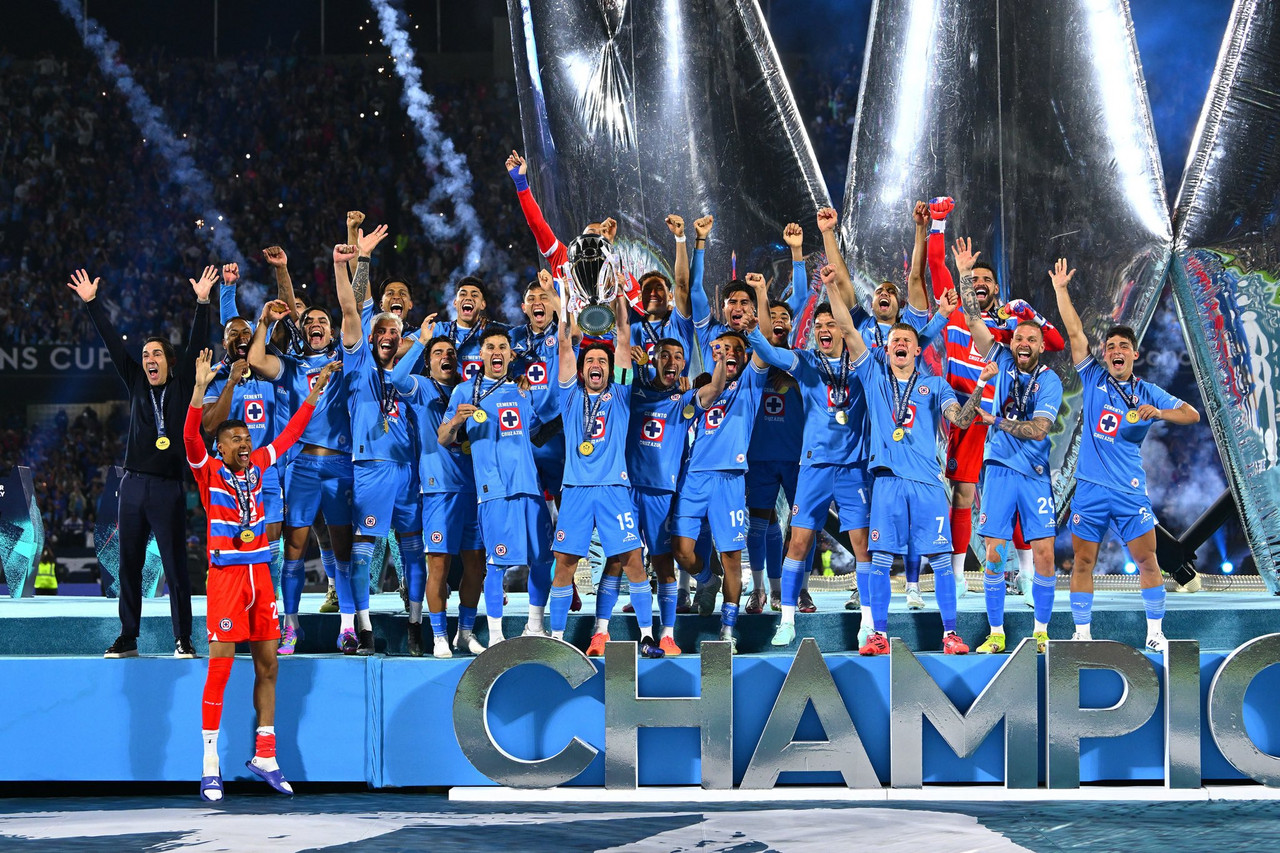
The 2021 edition of the Scotiabank Concacaf Champions League—widely recognized in general discussions as the Concacaf Champions Cup—was the 56th edition of North America’s premier club football tournament, featuring top-tier clubs from North America, Central America, and the Caribbean competing for regional supremacy and a spot in the FIFA Club World Cup.
Introduction and Historical Context of the 2021 Tournament
The 2021 Concacaf Champions Cup (officially the 2021 Scotiabank Concacaf Champions League) stood as a critical milestone in the modern era of the confederation's premier club competition. Operating as a knockout-style tournament following a streamlined format, the 2021 iteration brought together sixteen of the best clubs across the Confederation of North, Central America and Caribbean Association Football (Concacaf) region.
The tournament's history traces back to the Concacaf Champions' Cup inaugurated in 1962, but the 2021 event continued the legacy of the re-branded Champions League format introduced in the 2008–09 season. This overview explores the structural framework, participant qualification pathways, path-to-victory knockout mechanics, key match outcomes, and the broader ramifications of the 2021 tournament for regional club football.
Tournament Format and Qualification Mechanics
Understanding how clubs earned the right to participate in the 2021 competition requires examining the complex qualification matrices managed by Concacaf's member associations. Unlike open leagues, entry into the Champions Cup is strictly merit-based, demanding high performance in domestic leagues or regional cups such as the Concacaf League and the Canadian Championship.
Allocation of Berths
The 16-team tournament field was distributed across specific sub-confederations to ensure representation from across the geographical footprint of the Americas north of South America:
- Liga MX (Mexico): 4 berths, typically awarded to the Apertura and Clausura champions and runners-up.
- Major League Soccer / USSF (USA/Canada): 4 berths, allocated through the MLS Cup champion, regular season conference leader, U.S. Open Cup winner (or alternate MLS qualifier), and the Canadian Championship winner.
- Central American Zone (UNCAF): 4 berths, filled by the top-performing clubs from the previous year's secondary regional competition, the Concacaf League.
- Caribbean Zone (CFU): 1 berth, awarded to the champion of the Caribbean Club Championship.
- Additional Berths: The remaining spots were determined by cumulative performance metrics and secondary qualification paths within the Concacaf League framework.
The Knockout Format
Due to ongoing logistical adjustments and scheduling constraints stemming from the global public health landscape of the early 2020s, the 2021 tournament maintained a single-leg or traditional two-legged home-and-away knockout bracket, entirely bypassing the historical group stage phase.
The competition commenced directly at the Round of 16, progressing through the Quarterfinals, Semifinals, and culminating in a single-match or two-legged Final (ultimately played as a single high-stakes final match hosted by the finalist with the better tournament performance record). Away goals rules applied during two-legged ties, though ties at the final whistle of the second leg proceeded directly to penalty shootouts without extra time in certain rounds, depending on specific tournament operational guidelines.
Qualified Teams and Participant Profile
The 2021 field boasted a dynamic mix of traditional powerhouses, particularly from Mexico's Liga MX and Major League Soccer, alongside ambitious challengers from Central America and the Caribbean.
Notable Contenders
- Club América (Mexico): One of the most successful clubs in the history of the competition, entering with high expectations and deep continental experience.
- Monterrey (Mexico): A dominant force in international play, boasting multiple recent Champions League titles.
- Cruz Azul (Mexico): Entering the tournament in stellar domestic form, looking to capture another regional crown.
- Columbus Crew (USA): Participating as the reigning MLS Cup champions, representing the growth and tactical evolution of North American club soccer.
- Philadelphia Union (USA): Making their debut appearance in the tournament after strong domestic performances.
- Atlanta United FC (USA): Regular contenders known for deep continental runs.
- Portland Timbers (USA): Earning qualification via domestic positioning.
- Deportivo Saprissa and Alajuelense (Costa Rica): Traditional Central American giants qualifying via the Concacaf League.
| Club Name | Country / League | Qualification Method | Best Historical Finish Prior to 2021 |
|---|---|---|---|
| Club América | Mexico (Liga MX) | Liga MX Aggregate Finalist | Champions (7 Titles) |
| Monterrey | Mexico (Liga MX) | Liga MX Aggregate Finalist | Champions (4 Titles) |
| Cruz Azul | Mexico (Liga MX) | Liga MX Apertura Top Position / Aggregate | Champions (6 Titles) |
| Columbus Crew | United States (MLS) | 2020 MLS Cup Champion | Debut / Round of 16 Best |
| Philadelphia Union | United States (MLS) | 2020 MLS Supporters' Shield Winner | Tournament Debut |
| Atlanta United FC | United States (MLS) | U.S. Open Cup / MLS Allocation | Quarterfinals |
| Deportivo Saprissa | Costa Rica (FPD) | Concacaf League Performance | Champions (3 Titles) |
Key Stages and Tournament Progression
The 2021 tournament delivered intense sporting drama from the opening whistle of the Round of 16 in April 2021 through to the grand finale in October 2021.
Round of 16 and Tactical Battles
The opening round immediately highlighted the gap and narrowing margins between Liga MX and MLS sides. Matches such as Columbus Crew versus Real Estelí and Philadelphia Union versus Saprissa showcased disciplined defensive blocks by Central American sides trying to neutralize high-pressing North American offenses. Ultimately, the tactical depth and technical execution of Mexican and top-tier MLS clubs propelled heavyweights like Monterrey, Cruz Azul, Club América, and Philadelphia Union into the quarterfinal round.
Quarterfinals and Semifinals
As the tournament narrowed to eight teams, matchups grew increasingly physical. The rivalry between Liga MX and MLS took center stage. MLS representatives like the Philadelphia Union and Columbus Crew pushed deep into the tournament, with Philadelphia advancing past Atlanta United in an all-MLS quarterfinal clash before meeting Club América.
On the other side of the bracket, Monterrey and Cruz Azul demonstrated clinical efficiency. Monterrey dispatched their opponents with disciplined counter-attacking football, while Cruz Azul asserted dominance through possession-based dominance. In the semifinals, Monterrey overcame Cruz Azul in a high-profile Mexican classic, while Club América bowed out following a tense battle against the eventual champions.
The Final Showdown
The 2021 Concacaf Champions Cup culminated in an all-Liga MX final between Monterrey and América. Hosted at the Estadio BBVA in Guadalupe, Nuevo León, Mexico, the single-match final on October 28, 2021, served as a tactical masterclass.
Monterrey capitalized on an early defensive error, netting through Rogelio Funes Mori in the 9th minute. Despite intense pressure from Club América throughout the second half—including a dramatic goal-line clearance and late-game tactical substitutions—Monterrey's backline held firm. The 1–0 victory secured Monterrey's fifth regional title and cemented their status as modern titans of the tournament.
Technical Analysis and Performance Metrics
Analyzing the statistical trends of the 2021 tournament reveals clear indicators of success in modern Concacaf competition:
- Defensive Stability: Champions Monterrey conceded only three goals across the entire tournament, highlighting that clean sheets and resilient low blocks remain essential for continental survival.
- Set-Piece Efficiency: A significant percentage of goals scored in the knockout stages originated from dead-ball situations, corners, and indirect free kicks, where physical height and aerial dominance proved decisive.
- Squad Depth Management: Because the tournament ran concurrently with grueling domestic schedules, clubs with deep squads capable of rotating players without dropping technical standards advanced further into the late stages.
Frequently Asked Questions
What was the prize for winning the 2021 Concacaf Champions Cup?
The winner of the 2021 tournament, Monterrey, earned the prestigious regional club trophy, financial distributions from Concacaf, and crucially, qualification for the FIFA Club World Cup, representing the confederation on the global stage against elite champions from Europe, South America, and other confederations.
How many teams competed in the 2021 tournament?
The 2021 Concacaf Champions Cup featured exactly 16 club teams from across North America, Central America, and the Caribbean, competing exclusively in a direct-elimination knockout format starting from the Round of 16.
Why was the tournament played across an extended calendar?
Due to adjustments in regional scheduling and international windows in the wake of global sports calendar shifts, the tournament started in April 2021 with early knockout rounds and concluded with the single-match final in late October 2021.
Did away goals rule apply during the 2021 competition?
Yes, for two-legged ties in the early knockout rounds, the away goals rule served as the primary tiebreaker if aggregate scores were level at the end of regulation time.
How did MLS teams perform in the 2021 edition?
MLS teams demonstrated competitive growth, with the Philadelphia Union reaching the semifinal stage after defeating regional opponents, though Mexican clubs ultimately maintained their historical dominance by capturing both final spots.
Practical Recommendations for Following Regional Club Soccer
For analysts, researchers, and supporters tracking continental tournaments like the Concacaf Champions Cup, maintaining a comprehensive view requires monitoring domestic league standings early in the calendar year, understanding squad registration rules regarding foreign players, and keeping track of refereeing standards across different sub-confederation venues. Reviewing match logs and tactical breakdowns from official Concacaf repositories provides deep insight into how regional tactics evolve year over year.