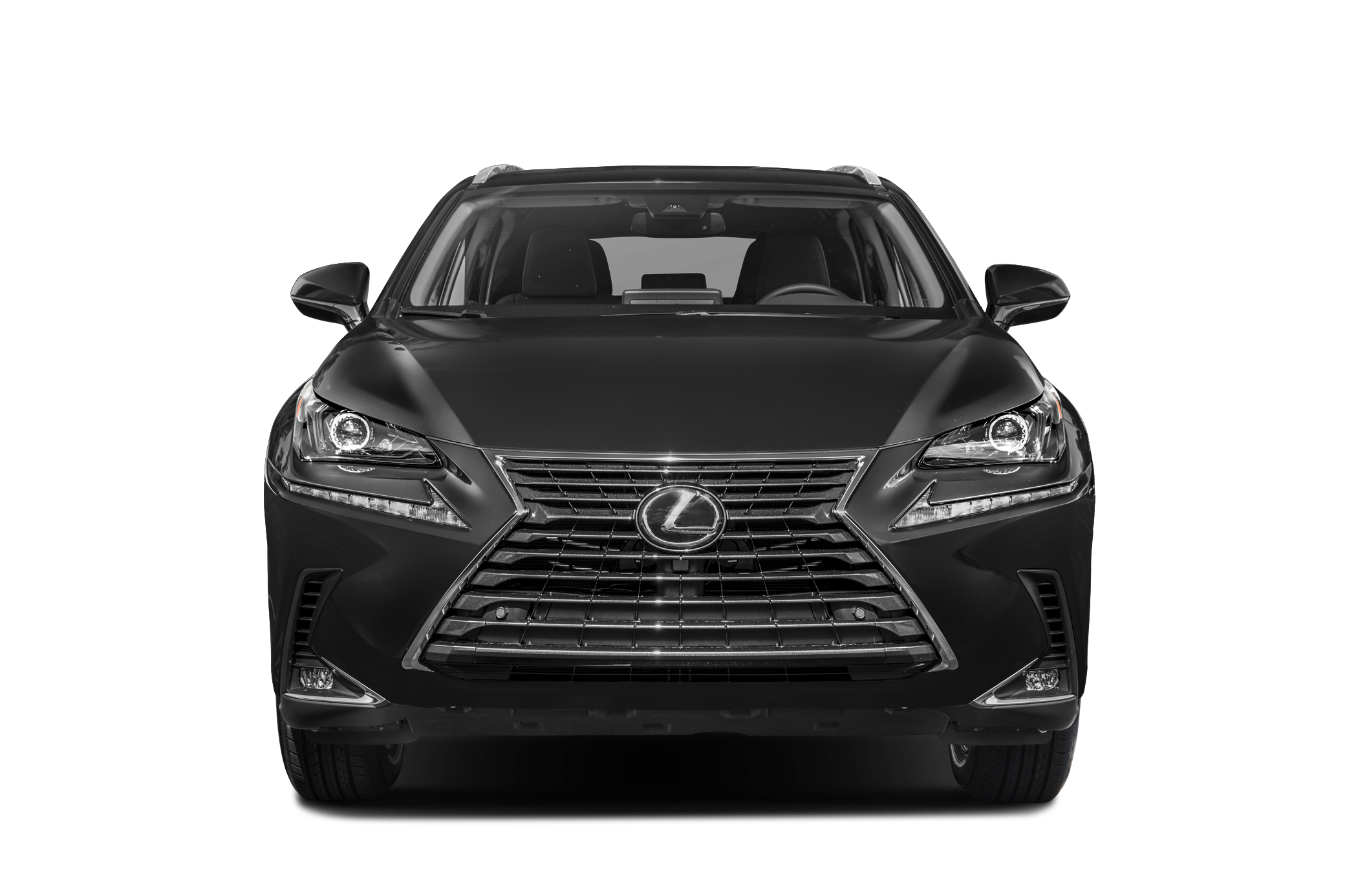
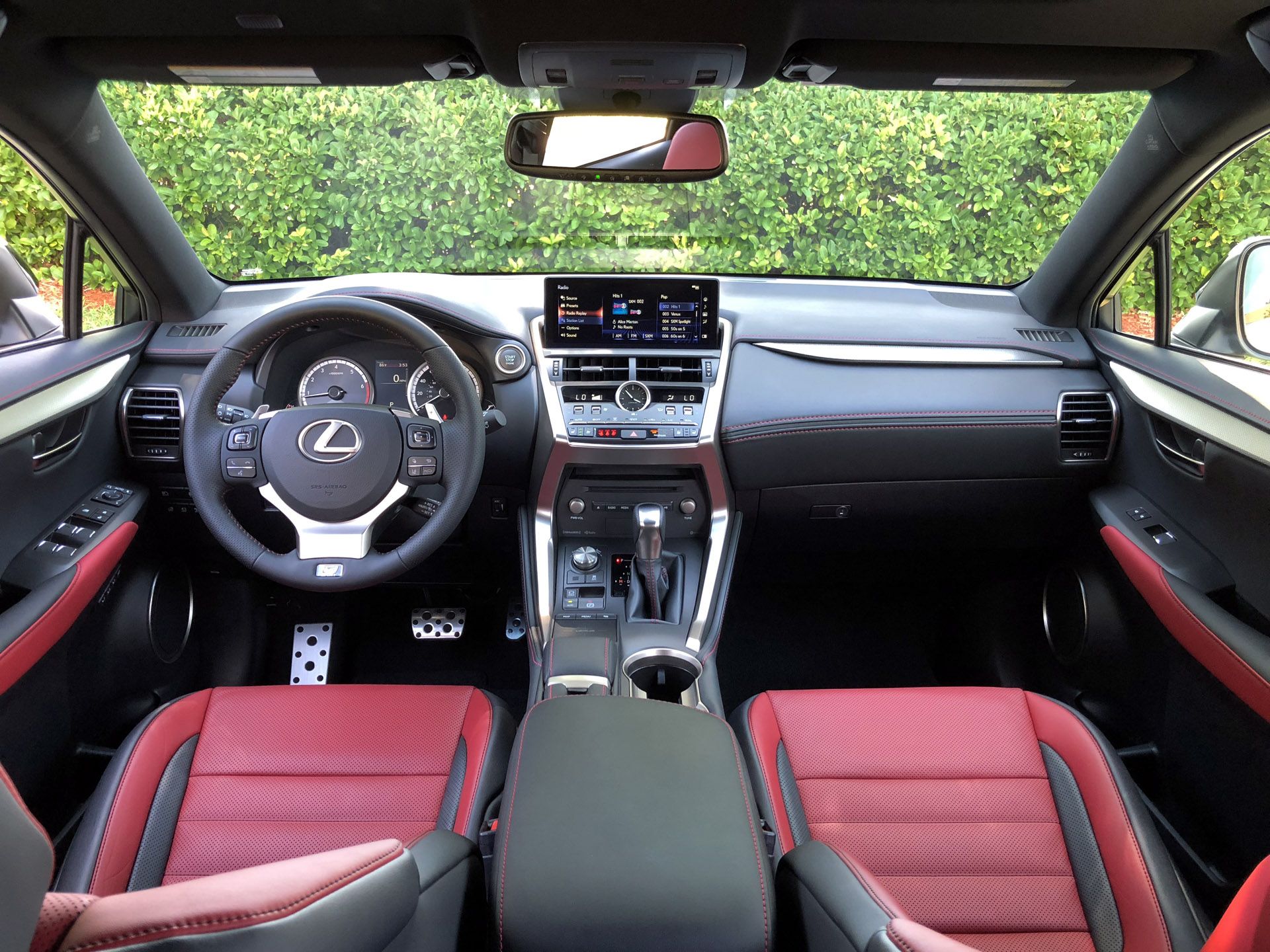
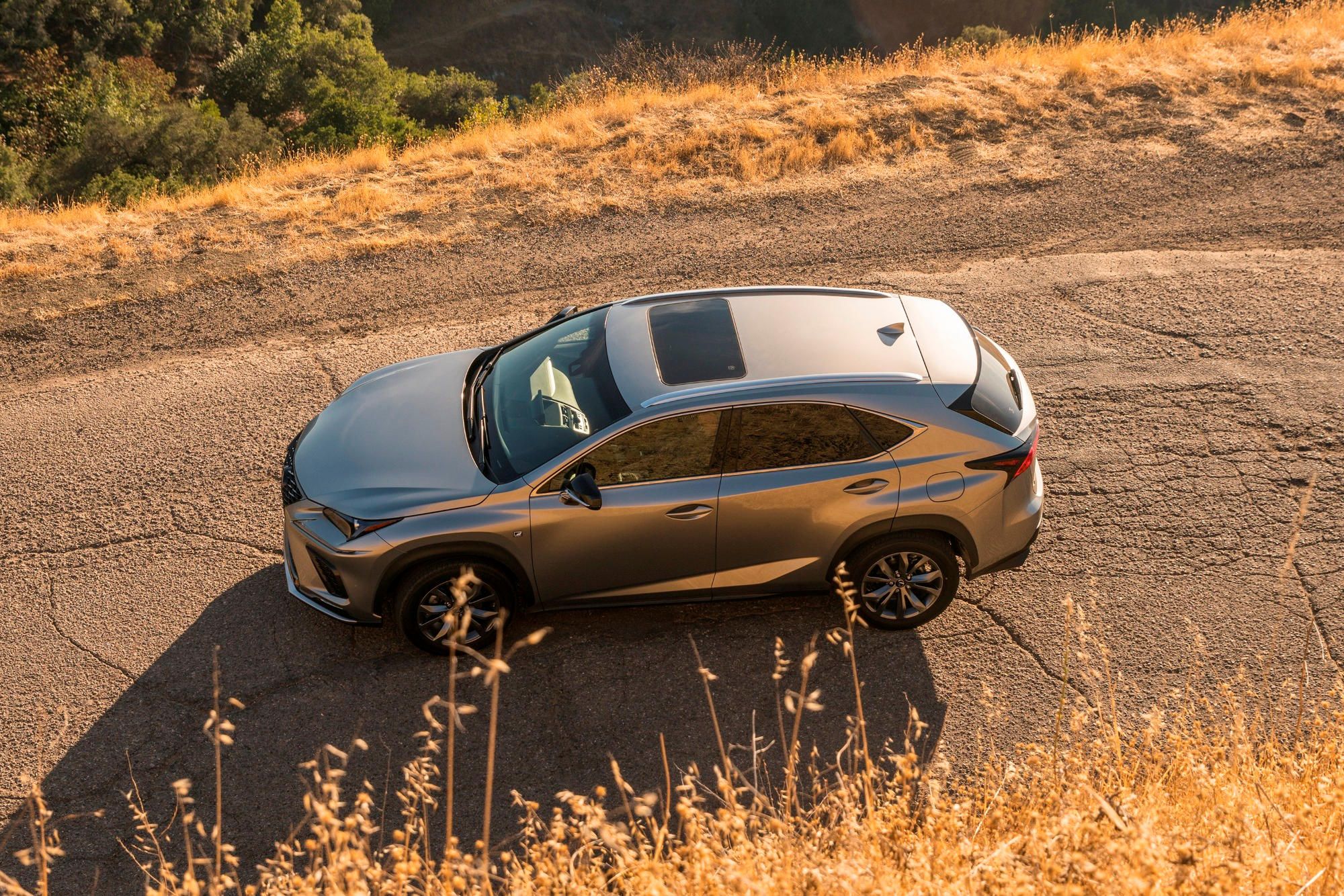
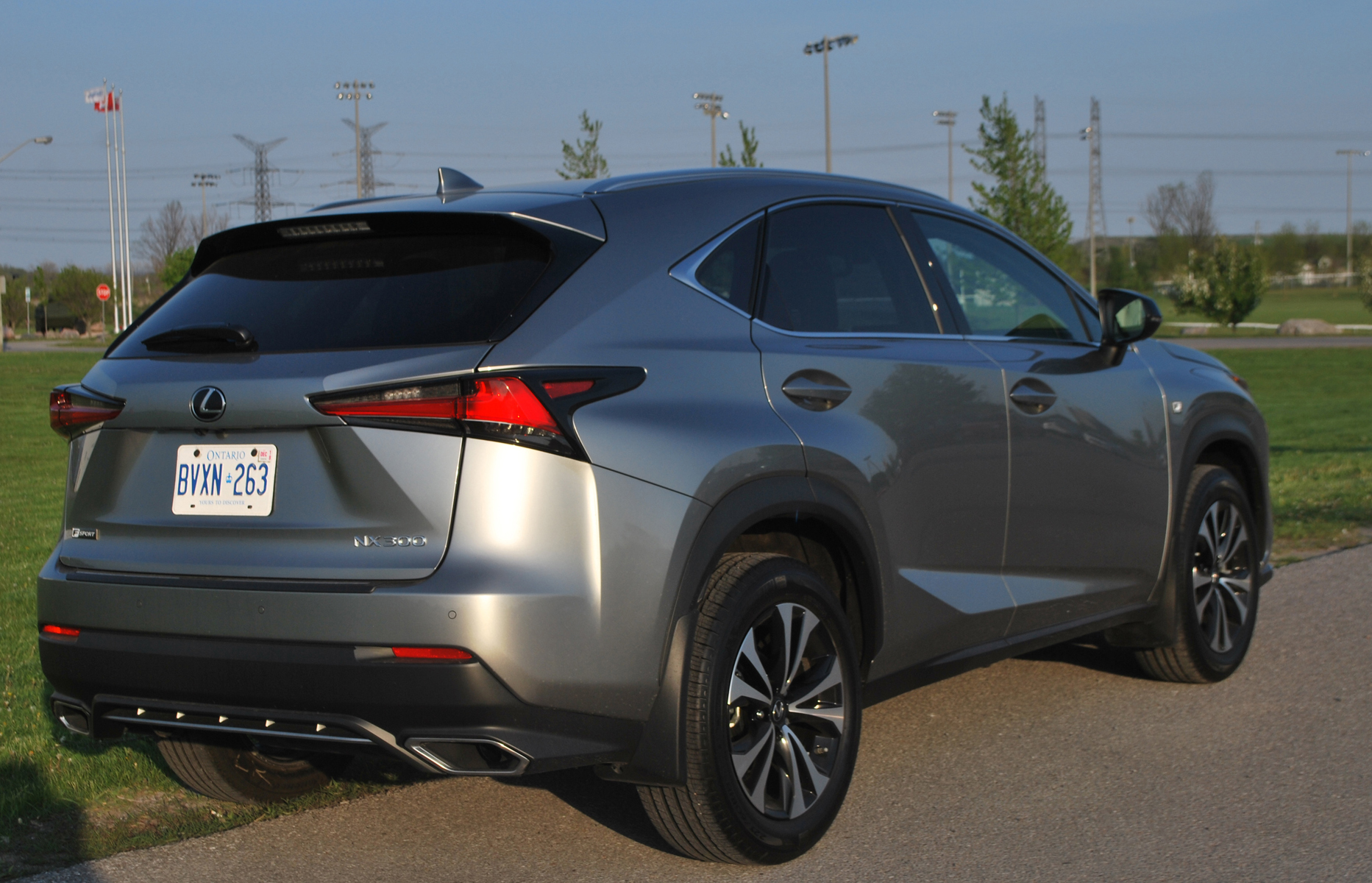
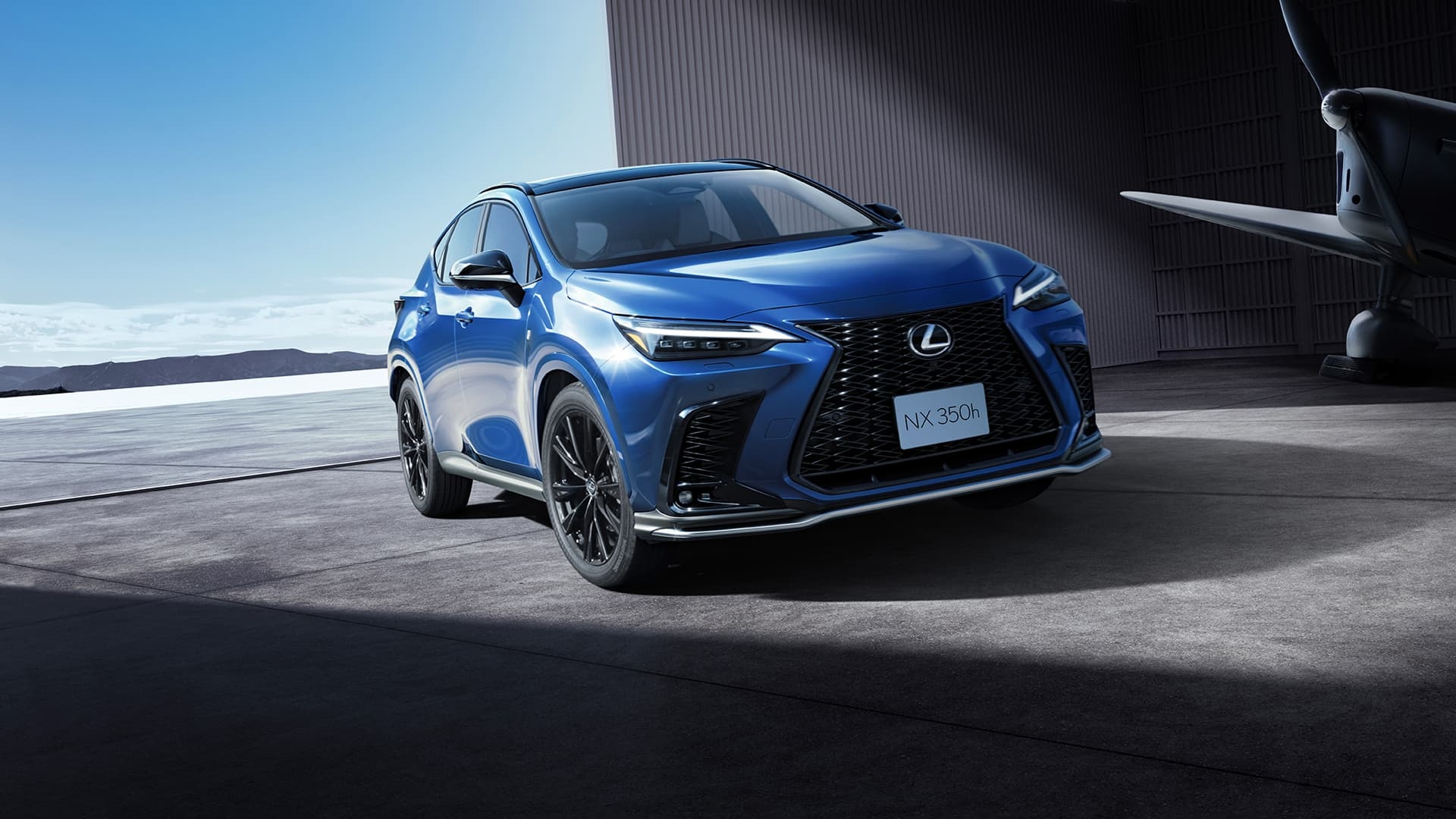
The 2018 Lexus NX generates 235 horsepower in its standard turbocharged gasoline model (NX 300) and 194 total system horsepower in its hybrid variant (NX 300h), delivering balanced acceleration, smooth power delivery, and everyday efficiency tailored to the compact luxury crossover segment.
Introduction to the 2018 Lexus NX Powertrain Lineup
Understanding the horsepower figures of the 2018 Lexus NX requires looking closely at how Lexus restructured its nomenclature and engineering for this model year. For 2018, Lexus refreshed the exterior styling, updated the suspension tuning, and crucially renamed its mainstream gasoline model. The vehicle previously known as the NX 200t was officially rebranded as the NX 300, although it retained the same underlying forced-induction powerplant. Simultaneously, the gasoline-electric hybrid model continued production as the NX 300h, serving efficiency-focused buyers.
For prospective buyers, current owners, and automotive enthusiasts, evaluating these horsepower figures goes beyond a single peak number. Power delivery, torque curves, transmission pairing, and drivetrain configurations all dictate how the 2018 Lexus NX performs in the real world. This guide provides a comprehensive breakdown of the horsepower ratings, engine architectures, driving dynamics, and comparative performance metrics for both variants of the 2018 Lexus NX.
The NX 300: Turbocharged Gasoline Performance
The conventional gasoline variant of the 2018 Lexus NX is designated the NX 300. Despite the numerical badge suggesting a 3.0-liter engine, the vehicle relies on a smaller, highly efficient forced-induction motor designed to balance responsiveness and fuel economy.
Engine Architecture and Specifications
At the heart of the NX 300 is a 2.0-liter twin-scroll turbocharged inline-4 engine (factory code 8AR-FTS). This engine utilizes advanced engineering features, including:
- D4-ST Direct and Port Fuel Injection: Combines high-pressure direct fuel injection into the combustion chambers with port injection for lower-load scenarios, optimizing emissions and power delivery.
- VVT-iW (Variable Valve Timing-intelligent Wide): Allows the engine to switch between the Otto and Atkinson combustion cycles, enhancing thermal efficiency.
- Integrated Exhaust Manifold: Cast directly into the cylinder head, this design improves warm-up times and channels exhaust gases efficiently into the twin-scroll turbocharger, minimizing turbo lag.
Horsepower and Torque Output
The 2018 Lexus NX 300 delivers 235 horsepower achieved between 4,800 and 5,600 RPM. More importantly for daily driving dynamics, the engine produces 258 lb-ft of torque across a remarkably broad flat band from 1,650 to 4,000 RPM. This low-end torque availability ensures that the vehicle accelerates from a standstill with minimal hesitation, compensating for the weight inherent to a luxury crossover equipped with heavy safety equipment and sound-deadening materials.
Transmission Pairing and Drivetrain Options
To handle the 235 horsepower, Lexus paired the 2.0-liter turbo engine with a 6-speed sequential-shift automatic transmission featuring ECT-i (Electronically Controlled Transmission with intelligence). While some competitors in the luxury compact SUV segment adopted 8- or 9-speed transmissions by 2018, the Lexus 6-speed is widely noted for its mechanical durability and smooth, predictable shifting patterns.
The NX 300 is available in two drivetrain configurations:
- Front-Wheel Drive (FWD): Power is routed exclusively to the front wheels, offering slightly lower curb weight and marginally better EPA-rated highway fuel economy.
- All-Wheel Drive (AWD): Utilizes an Active Torque Control AWD system that can send up to 50 percent of available torque to the rear wheels via an electromagnetic clutch coupling when wheel slippage is detected at the front.
The NX 300h: Hybrid Efficiency and Net Power
For buyers prioritizing fuel economy over outright acceleration, the 2018 Lexus NX 300h offers a gasoline-electric hybrid powertrain configuration that combines internal combustion with electric propulsion.
Hybrid Powertrain Components
The NX 300h pairs a naturally aspirated 2.5-liter 4-cylinder engine (2AR-FXE) operating on the efficiency-maximized Atkinson cycle with high-output electric motor-generators powered by a nickel-metal hydride (NiMH) battery pack stored beneath the rear floor area.
Total System Horsepower Explained
In hybrid vehicles, simply adding the peak horsepower of the gasoline engine and the electric motor together does not yield the total output because both power sources reach their maximum capacities at different operating conditions. Lexus rates the total system horsepower of the 2018 Lexus NX 300h at 194 horsepower.
While this is lower than the gasoline-only NX 300's 235 horsepower figure, the electric motors provide instantaneous torque delivery off the line, making the hybrid feel responsive and quick in city traffic despite the deficit in peak horsepower.
Transmission and All-AWD Mechanics
The NX 300h utilizes an Electronically controlled Continuously Variable Transmission (ECVT). Rather than using fixed physical gears, the ECVT uses a planetary gear set to continuously blend power from the gasoline engine, electric motor, and generator.
Unlike the mechanical driveshaft layout of the conventional NX 300 AWD, the NX 300h AWD system (known as Electronic AWD or AWD-i) achieves all-wheel traction through a dedicated rear electric motor. When the vehicle's computer detects slippage, a separate, independent electric motor drives the rear wheels. This eliminates the need for heavy mechanical transfer cases and physical propshafts running down the center tunnel of the vehicle.
Comparative Performance Specifications
To clearly visualize how the power outputs translate to real-world dimensions, weights, and capabilities, the following table compares the two primary powertrain variants of the 2018 Lexus NX lineup.
| Specification | 2018 Lexus NX 300 (Gasoline) | 2018 Lexus NX 300h (Hybrid) |
|---|---|---|
| Engine Type | 2.0L Turbocharged Inline-4 | 2.5L Inline-4 + Electric Motors |
| Horsepower | 235 hp @ 4,800–5,600 RPM | 194 hp (Total System Output) |
| Torque | 258 lb-ft @ 1,650–4,000 RPM | Not officially rated as a combined peak |
| Transmission | 6-Speed Automatic | Electronically controlled CVT |
| Drivetrain | FWD or Electronic AWD | Electronic AWD-i (Standard) |
| Curb Weight (AWD) | Approx. 4,068 lbs | Approx. 4,192 lbs |
| 0–60 MPH Time | ~6.9 to 7.2 seconds | ~9.1 to 9.2 seconds |
| EPA Fuel Economy (AWD) | 22 City / 27 Hwy / 24 Combined | 33 City / 30 Hwy / 31 Combined |
F SPORT Variants: Performance Illusion vs. Reality
When shopping for a 2018 Lexus NX, buyers frequently encounter the F SPORT package. Because of its aggressive mesh grille, bolstered sport seats, sport-tuned suspension, and distinct instrumentation, many prospective buyers mistakenly assume the F SPORT badge includes an upgraded, higher-horsepower engine.
It is critical to understand that the F SPORT package does not increase the horsepower of the 2018 Lexus NX.
- Whether an NX 300 is built in the standard base trim, Comfort package, Luxury trim, or F SPORT trim, it features the exact same 2.35-horsepower 2.0-liter turbocharged engine.
- The F SPORT package focuses entirely on cosmetic enhancements and dynamic handling adjustments. It incorporates unique chassis tuning, stiffer spring rates, firmer stabilizer bars, and—when equipped with the available Adaptive Variable Suspension (AVS) derived from the Lexus LC sports coupe—sharper damping control.
- Additionally, F SPORT models feature a Sound Generator that amplifies engine notes into the cabin during hard acceleration, creating a sportier auditory experience without altering the actual engine output.
Real-World Driving Dynamics and Power Delivery
Statistics on paper only tell part of the story. How does 235 horsepower or 194 horsepower feel during everyday driving scenarios such as highway merging, passing slower traffic, and navigating urban environments?
Throttle Response and Turbo Lag in the NX 300
The 2.0-liter turbo engine in the NX 300 delivers its peak torque remarkably low in the rev range (starting at 1,650 RPM). This engineering characteristic minimizes the noticeable lag traditionally associated with turbocharged engines. When stepping on the accelerator from a dead stop, the vehicle moves away cleanly. However, when demanding sudden passing power at highway speeds (e.g., accelerating from 60 to 80 MPH), the 6-speed transmission must drop down a gear or two, resulting in a brief moment of hesitation before the turbo spools and the full 235 horsepower engages.
Smoothness and City Maneuverability in the NX 300h
The hybrid NX 300h operates differently. In stop-and-go city traffic, the electric motor provides immediate torque, allowing the vehicle to creep forward smoothly and silently on battery power alone under low loads. While its 194 total horsepower results in a slower 0–60 MPH acceleration time (roughly 9.1 seconds compared to the gas model's ~7 seconds), the powertrain feels effortless and refined in urban environments where heavy acceleration is rarely required.
Frequently Asked Questions
Does the 2018 Lexus NX require premium fuel?
Yes. To achieve its rated 235 horsepower and maintain optimal engine longevity, efficiency, and emissions compliance, Lexus recommends using premium unleaded gasoline (91 octane or higher) for the turbocharged NX 300. Using regular 87 octane fuel is technically permissible in emergency situations due to knock-sensor safeguards, but it will result in a slight reduction in peak power output and overall fuel efficiency. The hybrid NX 300h runs on regular 87 octane fuel.
How much can the 2018 Lexus NX tow?
When properly equipped with a factory towing package, both the gasoline NX 300 and the hybrid NX 300h feature a maximum towing capacity of 2,000 pounds. This capacity is adequate for small utility trailers, jet skis, or lightweight pop-up campers, but owners must remain mindful of payload limits and tongue weights to avoid straining the powertrain and transmission.
Is the 2018 Lexus NX considered fast?
The 2018 Lexus NX is not classified as a sports utility vehicle or a high-performance crossover. With a 0–60 MPH time of approximately 7.0 seconds for the gasoline model, it offers adequate, safe merging and passing power for everyday highway driving, but its primary tuning focus is on smooth comfort, quiet cabin isolation, and mechanical reliability rather than straight-line speed.
Why did Lexus change the name from NX 200t to NX 300 for 2018?
Lexus updated its global vehicle nomenclature to better reflect a vehicle's perceived performance tier rather than its literal engine displacement. Because the 2.0-liter turbocharged engine offered performance levels comparable to a traditional naturally aspirated 3.0-liter engine, the badge was changed from "200t" (2.0L turbo) to "300" to align with industry marketing conventions.
What is the difference between the driving modes in the 2018 Lexus NX?
The 2018 Lexus NX features a Drive Mode Select dial that allows drivers to cycle between Eco, Normal, and Sport modes (and Sport S+ on models equipped with Adaptive Variable Suspension). Selecting Sport mode remaps the electronic throttle curve for quicker response, holds gear ratios longer in the transmission, and weights the electronic power steering feel to provide a more engaged driving experience without actually altering the engine's base horsepower output.
Conclusion and Buying Guidance
The 2018 Lexus NX provides two distinct horsepower solutions tailored to different driver priorities. If your driving habits demand confident highway passing power, firmer throttle response, and traditional mechanical engagement, the 235-hp NX 300 serves as the ideal choice. Conversely, if your daily commute involves heavy stop-and-go urban traffic where fuel efficiency and low-end electric torque take precedence, the 194-hp NX 300h hybrid delivers superior economy without sacrificing luxury comfort. When evaluating these models on the pre-owned market, verify that previous owners adhered to strict maintenance schedules and premium fuel requirements for the turbocharged variant to ensure long-term mechanical health.