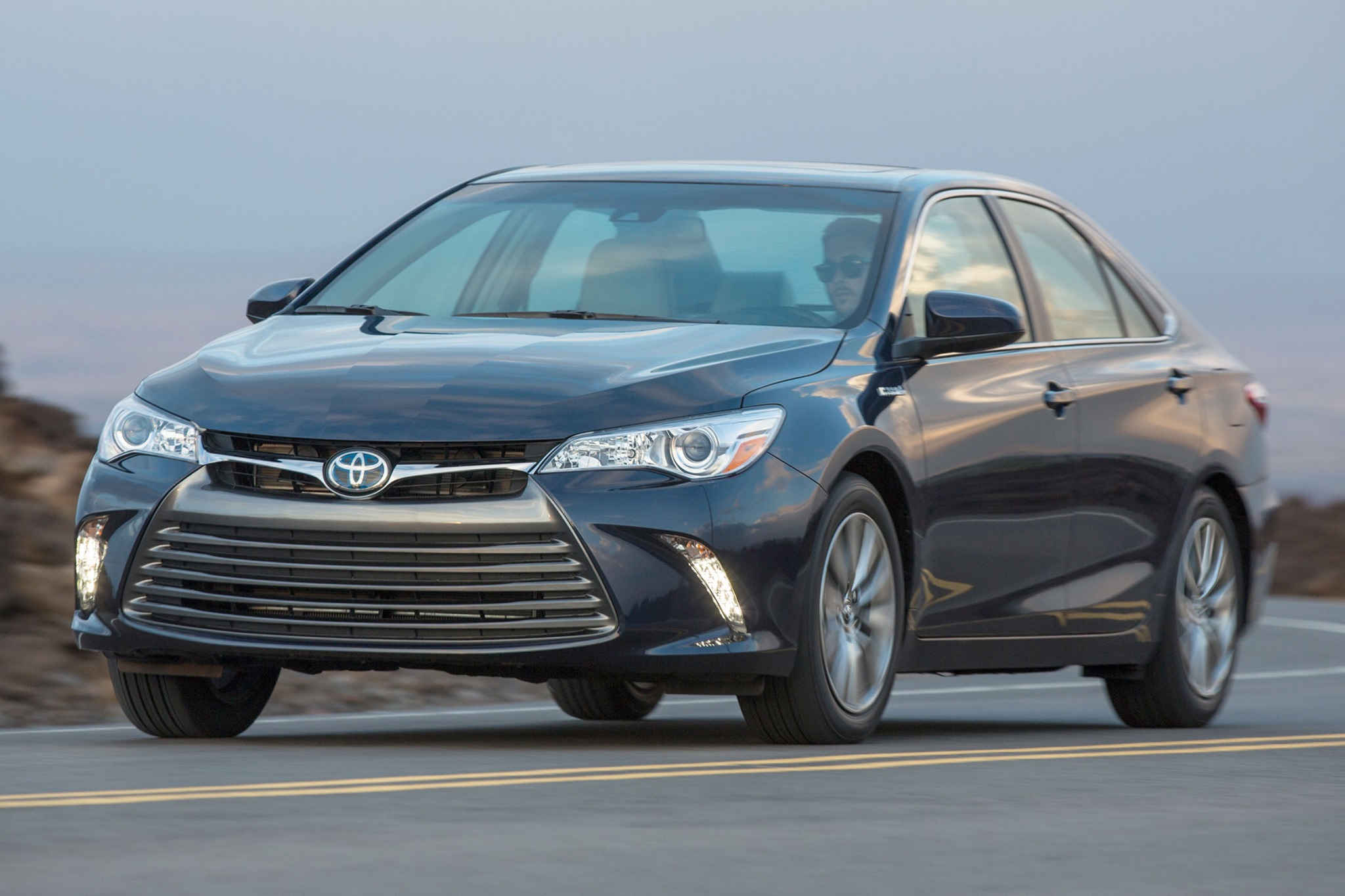
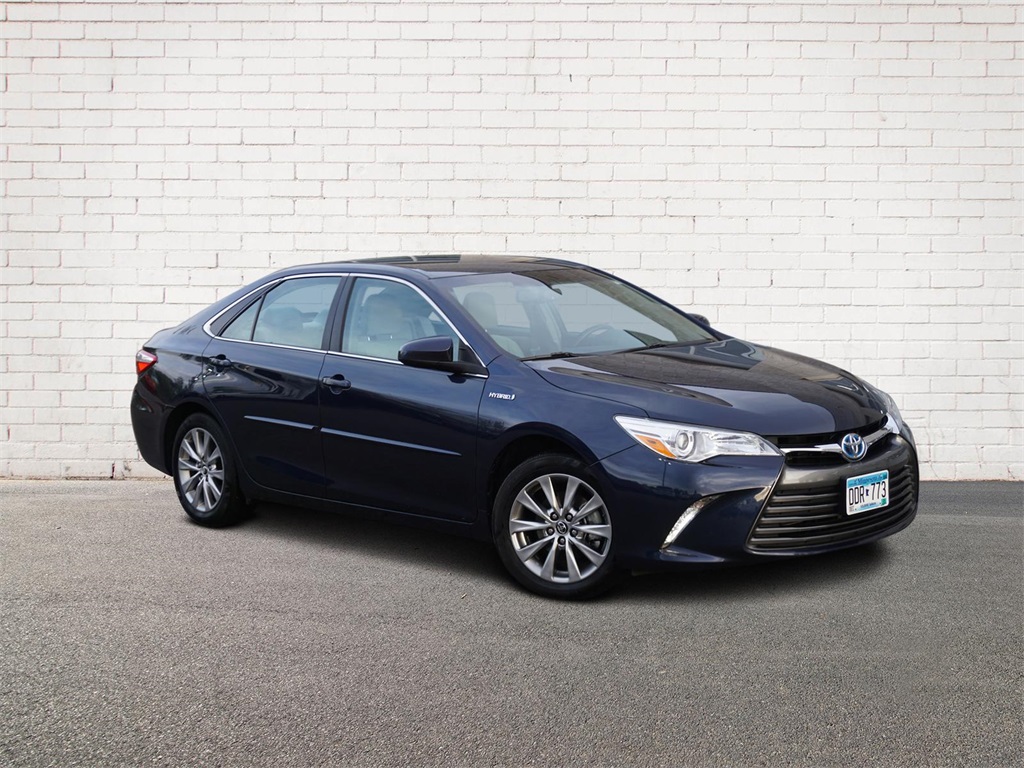
The 2016 Toyota Camry Hybrid SE provides a unique blend of fuel-efficient hybrid technology and sport-tuned driving dynamics. It pairs a 2.5-liter Atkinson-cycle four-cylinder engine with an electric motor to deliver 200 total system horsepower, while offering a firmer suspension and more aggressive styling than the standard LE or luxury-oriented XLE trims.
Representing the mid-cycle refresh of the seventh-generation Camry (XV50), the 2016 model arrived during a period when Toyota sought to shed its reputation for building "boring" cars. The SE (Sport Edition) trim was specifically designed to attract buyers who wanted the 40-mpg city efficiency of a hybrid without sacrificing the sharper handling and bolder aesthetic typically reserved for gasoline-only sport sedans. In 2026, a decade after its release, this model remains a highly sought-after vehicle on the secondary market due to its proven reliability and the enduring relevance of its hybrid powertrain.
The SE Trim: Defining the "Sport" in Hybrid
The "SE" designation stands for Sport Edition, and in the context of the 2016 Camry Hybrid, it is more than just a badge. While the powertrain remains identical to other hybrid trims, the chassis and aesthetic elements receive significant revisions.
Suspension and Handling
The most substantive difference in the SE is its sport-tuned suspension. Toyota engineers utilized unique shock absorber valving, firmer bushings, and a modified electric power steering (EPS) calibration. These changes result in a car that feels more planted during cornering and offers more feedback through the steering wheel compared to the softer, more isolated ride of the LE trim. While it does not transform the Camry into a dedicated sports sedan, it significantly reduces the "floaty" sensation often criticized in previous hybrid generations.
Exterior Styling Cues
Visually, the 2016 Camry Hybrid SE is distinguished by its aggressive front fascia. It features a large, black mesh grille that replaces the horizontal slats found on the LE. The headlights incorporate smoked housings, and the rear end receives a color-keyed trunk spoiler and a unique lower bumper design. The SE also sits on 17-inch alloy wheels with a graphite finish, wrapped in low-profile tires that contribute to the sharper handling but also slightly increase road noise compared to the 16-inch wheels on the LE.
Powertrain and Hybrid Synergy Drive
At the heart of the 2016 Toyota Camry Hybrid SE is the Toyota Hybrid Synergy Drive system. This system is a "full hybrid," meaning it can operate on gasoline alone, electricity alone, or a combination of both.
The Internal Combustion Engine (ICE)
The primary power source is a 2.5-liter four-cylinder engine (2AR-FXE). This engine operates on the Atkinson cycle, which delays the closing of the intake valves to allow for a more efficient expansion stroke. While this cycle produces less raw power than a traditional Otto cycle engine of the same displacement, it is significantly more fuel-efficient. In this application, the ICE produces 156 horsepower and 156 lb-ft of torque on its own.
The Electric Motor and Battery
Working in tandem with the engine is a high-torque electric motor powered by a 244.8-volt Nickel-Metal Hydride (NiMH) battery pack located behind the rear seat. The total system output is rated at 200 horsepower. This power is managed by an electronically controlled Continuously Variable Transmission (eCVT). Unlike a traditional belt-and-pulley CVT, Toyota’s eCVT uses a planetary gearset to blend the power from the engine and motor seamlessly.
Performance Metrics
In real-world driving, the 2016 Camry Hybrid SE is surprisingly quick. It can accelerate from 0 to 60 mph in approximately 7.6 to 7.9 seconds. This makes it faster than the standard non-hybrid four-cylinder Camry of the same year. The immediate torque provided by the electric motor allows for confident merging and passing at highway speeds.
Fuel Economy and Efficiency
One of the primary reasons for choosing the SE Hybrid is its fuel economy. However, it is important to note that the SE’s sportier hardware does impact its efficiency slightly compared to the entry-level LE trim.
EPA Ratings
The 2016 Camry Hybrid SE was originally rated by the EPA at 40 mpg in the city and 37 mpg on the highway, resulting in a combined rating of 39 mpg. For comparison, the LE trim achieved 43/39/41 mpg. The difference is primarily attributed to the SE's larger 17-inch wheels and wider tires, which increase rolling resistance, as well as the slightly higher curb weight associated with the SE's additional equipment.
Driving Modes
To help drivers maximize efficiency, the Camry Hybrid SE includes several selectable modes:
- EV Mode: Allows the car to operate solely on battery power for short distances (typically under a mile) at low speeds, provided the battery has sufficient charge.
- ECO Mode: Adjusts the throttle response and air conditioning output to prioritize fuel savings.
- Sport Mode: While not a dedicated button like in newer models, moving the gear selector to "S" allows for simulated gear shifts, providing more engine braking and a more responsive feel when driving on winding roads.
Interior Comfort and Technology
The interior of the 2016 Camry Hybrid SE reflects the "sport" theme with specific materials and layouts designed to feel more driver-centric than the base trims.
Seating and Materials
The SE comes standard with Sport fabric SofTex-trimmed front seats. SofTex is a synthetic leather material that is lighter than real leather, highly durable, and resistant to spills. The seats feature larger side bolsters to keep passengers in place during spirited driving. The interior also features silver grain trim and a leather-wrapped steering wheel with paddle shifters—a rare sight in a hybrid from this era.
Cabin Space and Practicality
The Camry has long been praised for its spacious cabin, and the 2016 model is no exception. It offers ample legroom for both front and rear passengers. However, the hybrid battery pack does necessitate a compromise in cargo space. The trunk capacity is 13.1 cubic feet, which is smaller than the 15.4 cubic feet found in the non-hybrid Camry. Additionally, while the rear seats do fold down, the pass-through is significantly narrower due to the placement of the battery cooling vents and the battery itself.
Infotainment and Connectivity
In 2016, the Camry Hybrid SE was equipped with Toyota's Entune Audio system. This includes a 6.1-inch touchscreen, a backup camera, Bluetooth connectivity, and a USB port. By 2026 standards, this system feels dated, as it lacks native Apple CarPlay or Android Auto support. Many owners in the current used market opt to install aftermarket head units to bring the vehicle’s connectivity up to modern standards.
Safety and Reliability Ratings
Toyota’s reputation for safety and longevity is a cornerstone of the 2016 Camry Hybrid SE’s value proposition.
Crash Test Results
The 2016 Camry performed exceptionally well in safety evaluations:
- NHTSA: Received a 5-Star Overall Safety Rating.
- IIHS: Earned the "Top Safety Pick+" designation when equipped with optional front crash prevention technology. It received the highest "Good" rating in all crashworthiness categories, including the challenging small overlap front test.
Standard Safety Features
Standard equipment includes 10 airbags, electronic stability control, traction control, and the Star Safety System. Some SE models may be equipped with the optional Blind Spot Monitor with Rear Cross-Traffic Alert, though these were more commonly found on the higher XLE trim.
| Feature | 2016 Camry Hybrid LE | 2016 Camry Hybrid SE | 2016 Camry Hybrid XLE |
|---|---|---|---|
| Combined MPG | 41 MPG | 39 MPG | 38 MPG |
| Wheel Size | 16-inch Steel/Alloy | 17-inch Alloy (Graphite) | 17-inch Alloy (Super Chrome) |
| Suspension | Standard | Sport-Tuned | Standard |
| Seat Material | Fabric | SofTex / Sport Fabric | Leather-Trimmed |
| Total System HP | 200 HP | 200 HP | 200 HP |
| Grille Style | Horizontal Slat | Black Mesh | Horizontal Slat (Chrome) |
Maintenance and Long-Term Ownership in 2026
As of 2026, a 2016 Toyota Camry Hybrid SE is a decade old. For potential buyers or current owners, understanding the maintenance requirements of a high-mileage hybrid is essential.
Hybrid Battery Longevity
The most common concern with older hybrids is the NiMH battery pack. While these batteries are designed to last the life of the vehicle, they typically begin to show signs of degradation after 10 to 15 years or 150,000 to 200,000 miles. In 2026, many 2016 models may be approaching the end of their battery life. Symptoms of a failing battery include a significant drop in fuel economy, the internal combustion engine running more frequently, and the cooling fan for the battery (located near the rear seat) running loudly and constantly. Replacement costs for a new OEM battery usually range from $2,500 to $4,000, though refurbished cells or third-party replacements are available for less.
Brake System Durability
Hybrids use regenerative braking, which uses the electric motor to slow the vehicle and recharge the battery. This significantly reduces wear on the physical brake pads and rotors. It is not uncommon for a 2016 Camry Hybrid to reach 100,000 miles on its original set of brake pads. However, the brake actuator—a complex component that manages the transition between regenerative and hydraulic braking—has been a known point of failure in some Toyota hybrids and can be expensive to repair.
Cooling Systems
The Camry Hybrid has two separate cooling systems: one for the gasoline engine and one for the hybrid inverter. It is vital to ensure both systems are flushed and the coolant replaced according to the manufacturer’s schedule (typically every 100,000 miles). Overheating the inverter can lead to catastrophic and expensive electrical failure.
Driving Experience: Is it Actually Sporty?
When evaluating the 2016 Camry Hybrid SE, it is important to manage expectations regarding its "sporty" nature. Compared to a standard hybrid, the SE feels more "buttoned down." The steering has a heavier weight to it, which provides a better sense of where the front wheels are pointed during a turn. The suspension resists body roll more effectively than the LE, making the car feel more agile on highway on-ramps and winding suburban roads.
However, the eCVT transmission is the limiting factor for enthusiasts. There are no actual gears to shift, so the "paddle shifters" simply tell the computer to increase or decrease the amount of regenerative braking or engine speed to simulate a gear change. Under heavy acceleration, the engine will still "drone" at a high RPM until the driver lets off the gas, which is a characteristic of almost all Toyota hybrids of this era.
Frequently Asked Questions
Does the 2016 Camry Hybrid SE require premium fuel?
No, the 2.5-liter engine in the 2016 Camry Hybrid SE is designed to run on regular 87-octane unleaded gasoline. Using premium fuel will not provide any noticeable benefit in performance or fuel economy.
Can I install Apple CarPlay in a 2016 Camry Hybrid SE?
The factory Entune system does not support Apple CarPlay or Android Auto. To get these features in 2026, you will need to replace the factory head unit with a third-party multimedia receiver from brands like Sony, Pioneer, or Kenwood. Most of these can be integrated with the existing steering wheel controls and backup camera.
How much should I pay for a 2016 Camry Hybrid SE in 2026?
The price in 2026 depends heavily on mileage and battery health. A well-maintained model with roughly 120,000 miles typically sells for between $8,000 and $11,000, depending on the local market. Models with a recently replaced hybrid battery or lower mileage may command a premium.
What are the most common problems with this model?
Beyond the eventual need for battery replacement, common issues include a leaking water pump (which can be identified by pink crusty deposits around the engine bay) and occasional rattles from the dashboard or sunroof. The 2016 model year is generally considered one of the most reliable in the Camry's history.
Is the hybrid battery covered by a warranty in 2026?
In most cases, no. The original Toyota hybrid battery warranty was 8 years or 100,000 miles (whichever came first). In states that follow California Air Resources Board (CARB) emissions standards, the warranty was extended to 10 years or 150,000 miles. By 2026, even CARB-state vehicles are likely at or near the end of their warranty period.
Practical Recommendation for Buyers
If you are looking for a reliable, fuel-efficient used car in 2026, the 2016 Toyota Camry Hybrid SE remains a premier choice. Its combination of 39 combined MPG and a more engaging driving experience than the base model makes it a versatile commuter. When shopping, prioritize vehicles with a documented service history, specifically looking for evidence of cooling system maintenance. If the vehicle has over 150,000 miles and the original battery, negotiate the price to account for a potential battery replacement in the near future. A pre-purchase inspection by a technician familiar with Toyota's Hybrid Synergy Drive is highly recommended to verify the health of the inverter and the individual battery blocks.