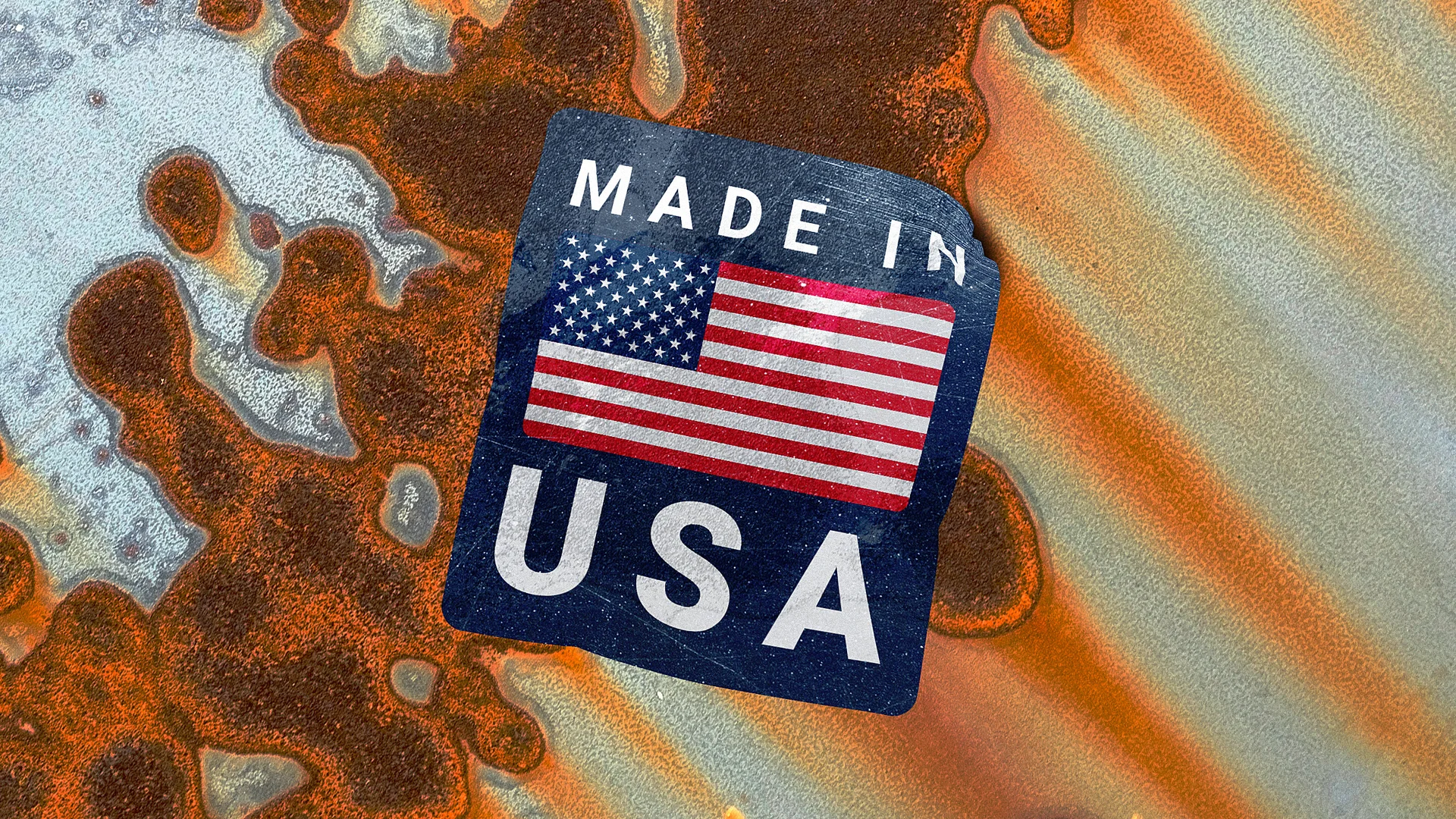
The year 2014 marked a significant turning point for domestic manufacturing, consumer purchasing habits, and economic revitalization in the United States, often heralded as a pivotal milestone for the modern "Made in America" movement following the post-2008 recession recovery.
The Economic Landscape Leading to 2014
To understand why 2014 gained the moniker of the "Year of Made in America," one must examine the macroeconomic environment preceding it. In the wake of the Great Recession, which officially spanned from December 2007 to June 2009, the United States manufacturing sector experienced staggering job losses and factory closures. Millions of manufacturing jobs had been outsourced to overseas markets, particularly in East Asia, in pursuit of cheaper labor and lower operational costs.
By 2014, however, the economic calculus of global supply chains began to shift. Rising labor and shipping costs in traditional manufacturing hubs abroad, coupled with a growing domestic desire for economic self-reliance, created a fertile ground for a resurgence in domestic production. Economists and industry analysts noted that the total cost of manufacturing goods overseas versus domestically—often referred to as total cost of ownership—was narrowing significantly. Energy costs in the United States plummeted due to the shale gas boom, providing American factories with a competitive advantage in energy-intensive production processes like chemical processing, metal fabrication, and heavy manufacturing.
Furthermore, consumer sentiment underwent a measurable shift. Public polling and retail data from 2014 indicated a growing willingness among American shoppers to pay a premium for products explicitly labeled with the country-of-origin mark "Made in USA." This consumer demand forced major retailers, independent brands, and industrial giants to reevaluate their sourcing strategies, moving away from a total reliance on offshore manufacturing toward a hybrid model or a complete return to domestic facilities.
Key Drivers of the Domestic Manufacturing Revival
Several structural and cultural factors converged in 2014 to accelerate the domestic production movement, transforming a niche consumer preference into a broader national economic trend.
1. Consumer Preferences and Supply Chain Transparency
Consumers in 2014 demanded greater transparency regarding where and how their goods were made. Issues such as workplace safety in foreign factories—highlighted by tragic international industrial accidents in preceding years—sensitized the public to ethical sourcing. Shoppers increasingly viewed domestic manufacturing as a guarantee of higher labor standards, environmental regulations, and product safety.
2. Technological Advancements and Automation
The American manufacturing sector in 2014 was vastly different from the smokestack industries of the mid-20th century. The integration of advanced manufacturing technologies, computer-aided design, and early-stage industrial automation meant that factories required fewer manual laborers overall, but demanded a higher-skilled workforce. This technological leap reduced the labor-cost disparity that originally drove offshoring, enabling American plants to compete globally through superior efficiency and precision.
3. Corporate Strategy and Reshoring Initiatives
Prominent American brands began launching dedicated "Made in USA" collections or shifting entire product lines back to domestic soil in 2014. Companies recognized that domestic production offered agility, faster time-to-market, and reduced inventory holding costs compared to managing long-distance supply chains across oceans.
| Factor | Pre-Recession Era | 2014 Shift | Impact on Domestic Production |
|---|---|---|---|
| Primary Sourcing Strategy | Offshoring for minimal labor cost | Total cost of ownership evaluation | Increased consideration for domestic plants |
| Consumer Sentiment | Price and convenience driven | Demand for transparency and ethics | Higher willingness to purchase domestic goods |
| Energy Inputs | High and volatile domestic energy costs | Declining energy costs via domestic shale boom | Lower operational overhead for U.S. factories |
| Manufacturing Technology | Traditional labor-intensive assembly | Adoption of advanced automation and robotics | Enhanced productivity and global competitiveness |
Federal, State, and Local Policy Support
The momentum behind domestic production in 2014 was not driven by market forces alone; it was bolstered by concerted policy efforts across various levels of government. Federal agencies, including the Department of Commerce and the Manufacturing Extension Partnership (MEP) network, ramped up initiatives to connect domestic suppliers with original equipment manufacturers (OEMs).
At the state level, governors and economic development agencies aggressively courted manufacturing investments through tax incentives, workforce training grants, and infrastructure improvements. Programs designed to retrain displaced workers for advanced manufacturing roles became a cornerstone of state-level economic recovery plans.
Additionally, regulatory scrutiny regarding federal procurement rules tightened. Under procurement laws such as the Buy American Act, federal agencies were strongly encouraged to prioritize domestically produced goods, providing a reliable, baseline stream of revenue for American manufacturers during a fragile economic recovery.
Challenges and Limitations of the "Made in USA" Push
Despite the celebratory narrative surrounding 2014 as the banner year for domestic manufacturing, structural challenges remained that prevented a wholesale return of all outsourced industries.
- Ecosystem Gaps: Decades of offshoring meant that entire supply chains—such as textile mills, specialized component foundries, and raw material processors—had disappeared from the United States. Rebuilding these foundational supply ecosystems required massive capital investment that could not happen overnight.
- Workforce Skills Gap: While advanced manufacturing created high-paying jobs, finding qualified machinists, technicians, and engineers proved difficult. The retirement of the aging baby boomer workforce outpaced the entry of younger workers into vocational and technical training programs.
- Higher Retail Prices: Even with improved automation, the baseline cost of labor, regulatory compliance, and environmental standards in the U.S. meant that many consumer goods produced domestically were inherently more expensive than their imported counterparts, limiting their market share among budget-conscious consumers.
Comparative Analysis: Domestic vs. Offshore Production Dynamics in 2014
| Operational Metric | Domestic Production (U.S.) | Offshore Production (Global Sourcing) |
|---|---|---|
| Lead Times | Short; rapid replenishment of inventory | Long; vulnerable to international shipping delays |
| Quality Control | High oversight; adherence to strict U.S. standards | Variable; requires rigorous independent auditing |
| Intellectual Property | Highly protected under U.S. legal frameworks | Higher risk of IP leakage or unauthorized replication |
| Initial Capital Expense | High due to facility setup, automation, and labor | Lower initial investment; reliant on contract manufacturers |
Frequently Asked Questions
What legal standard governs "Made in USA" claims?
The Federal Trade Commission (FTC) regulates "Made in USA" claims under the FTC Act. For a product to bear an unqualified label, it must be "all or virtually all" made in the United States, meaning all significant parts and processing that go into the product must originate domestically, with only negligible foreign content.
Did manufacturing employment surge dramatically in 2014?
While 2014 marked a psychological and strategic turning point for the movement, manufacturing job growth was steady rather than explosive. The focus shifted away from raw headcounts toward productivity gains, automation, and the retention of high-value industrial sectors.
How did consumers verify authentic domestic products in 2014?
Consumers relied heavily on brand transparency, third-party certification organizations, and strict adherence to FTC labeling guidelines. Retailers often created dedicated online sections or in-store displays specifically highlighting domestic goods.
What industries led the domestic production resurgence in 2014?
Industries with high transportation costs, heavy energy requirements, or stringent safety regulations—such as automotive, aerospace, heavy machinery, apparel niches, and consumer appliances—led the reshoring trend in 2014.
Next Steps for Economic and Industrial Research
For researchers, policymakers, and business leaders examining historical industrial shifts, evaluating the outcomes of the 2014 domestic manufacturing push offers critical insights into modern supply chain resilience. Analyzing how companies balanced cost efficiency with geopolitical supply chain risks in subsequent years provides a robust framework for contemporary manufacturing strategies.