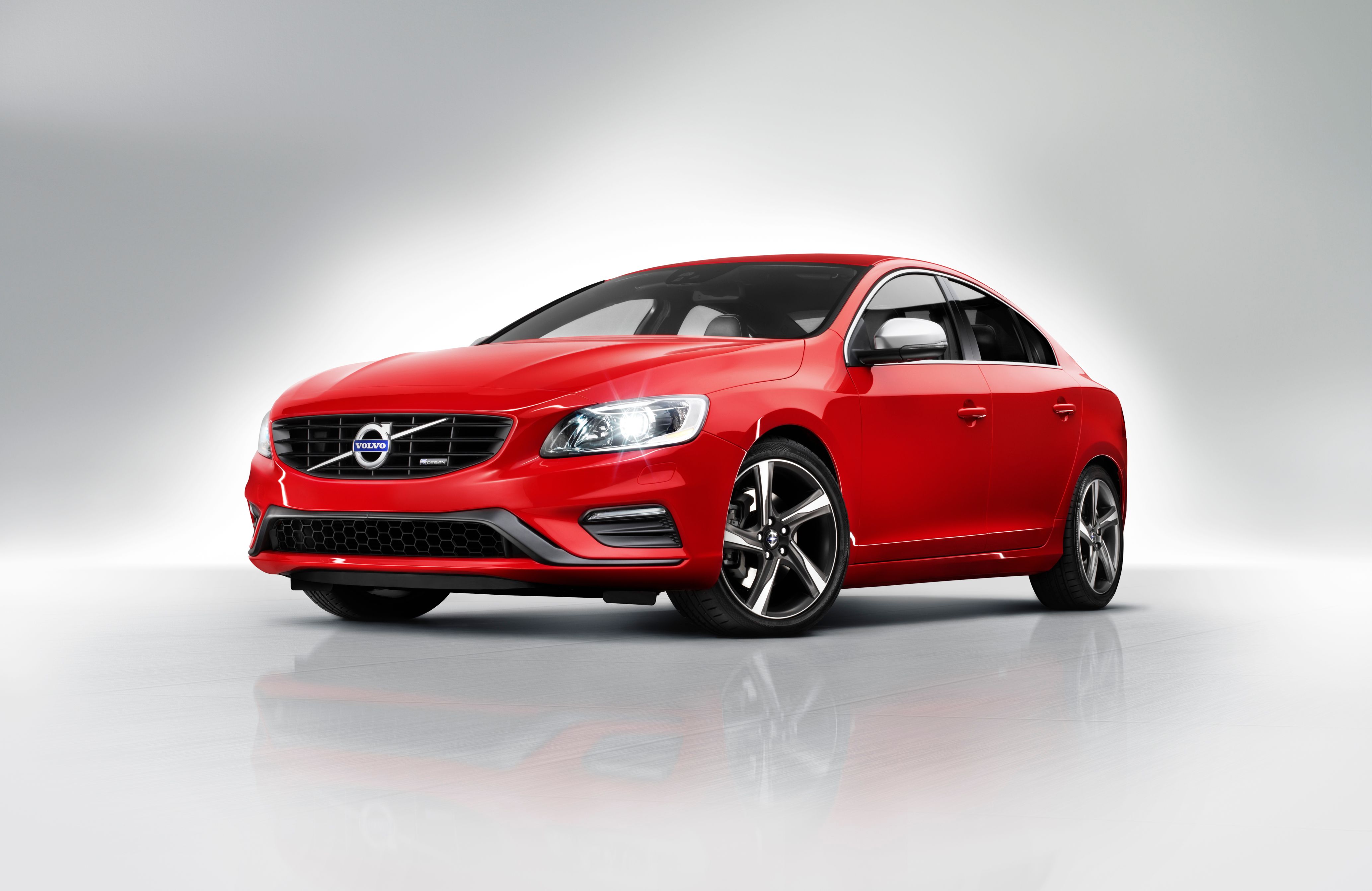
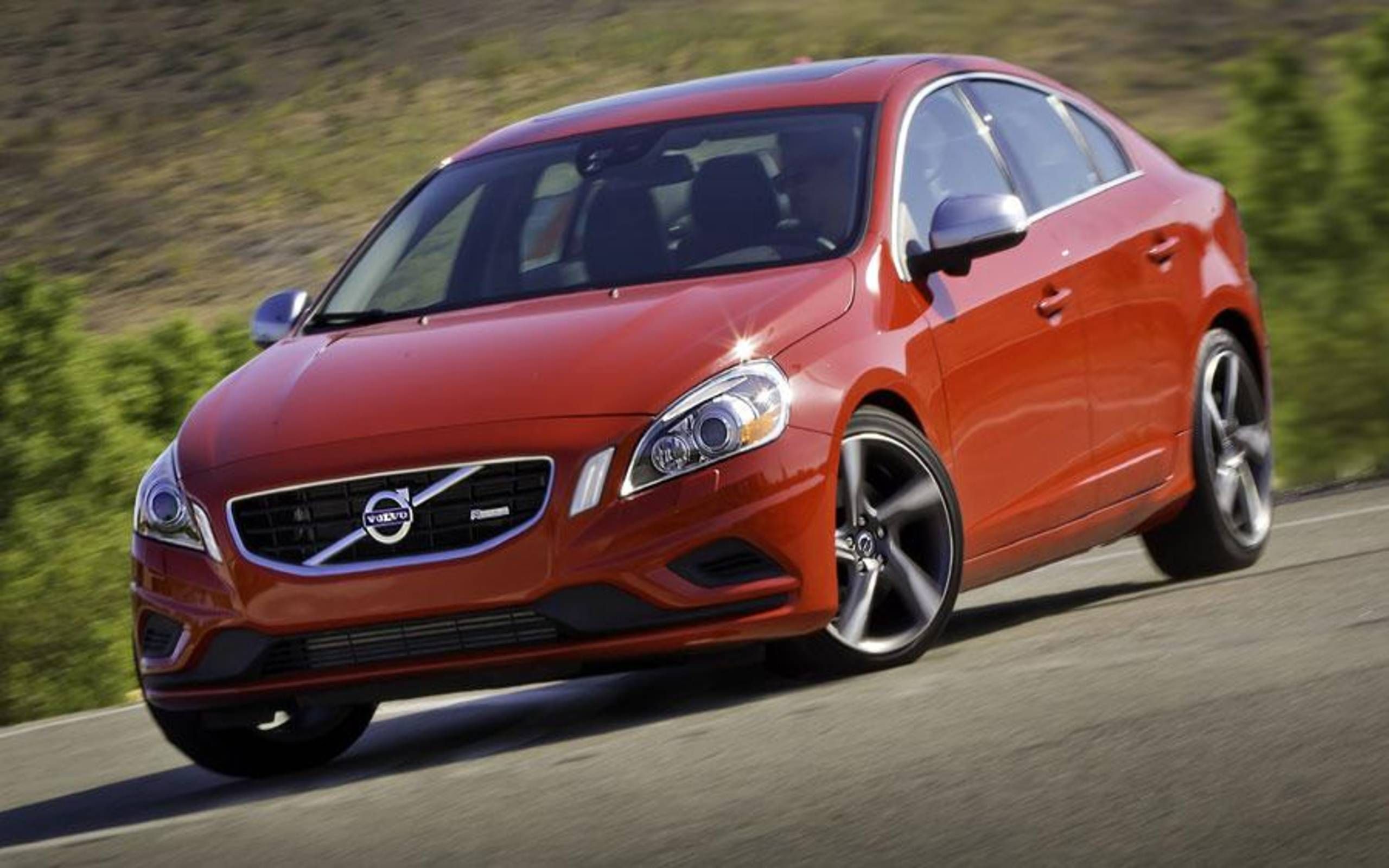
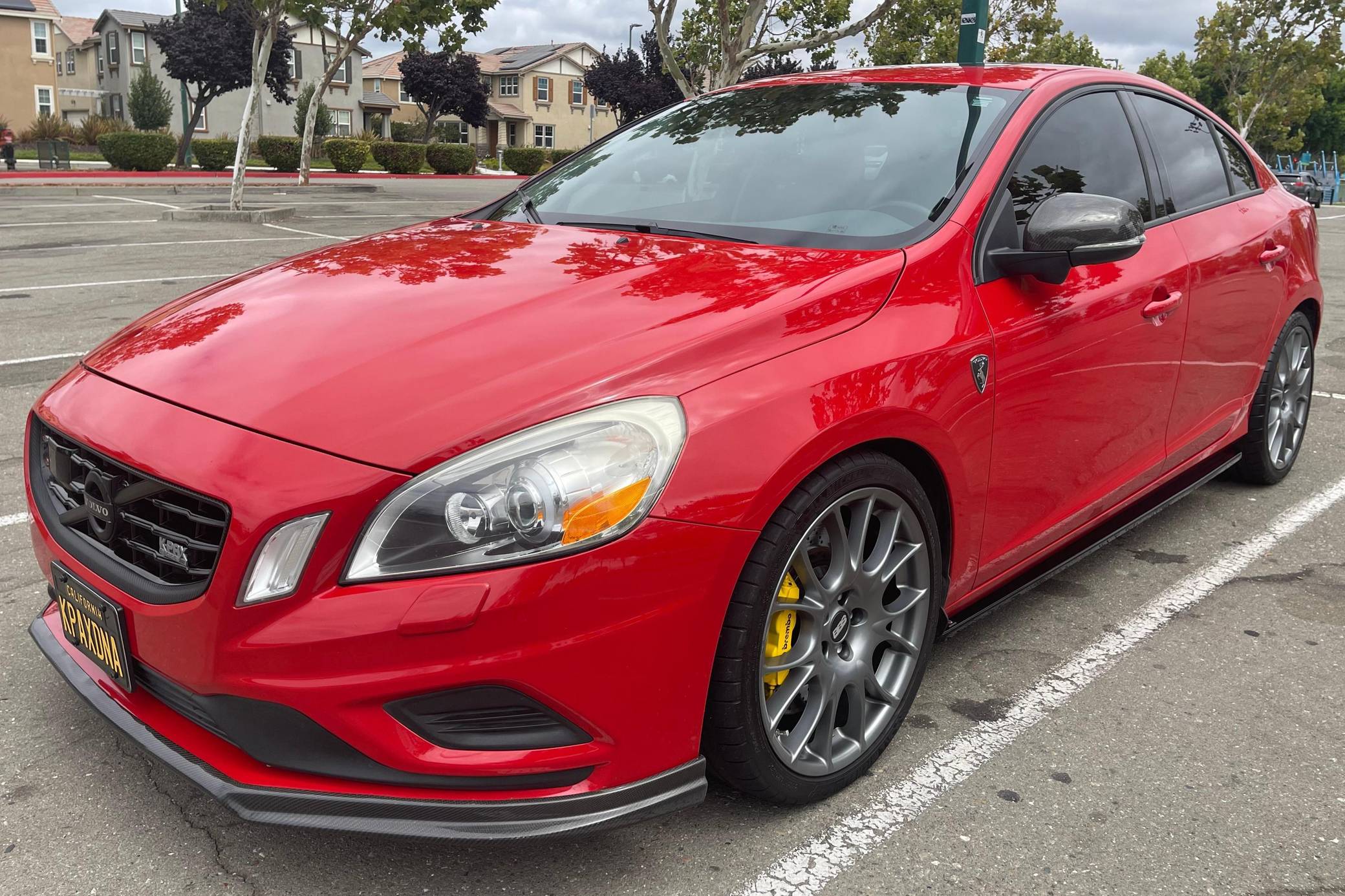
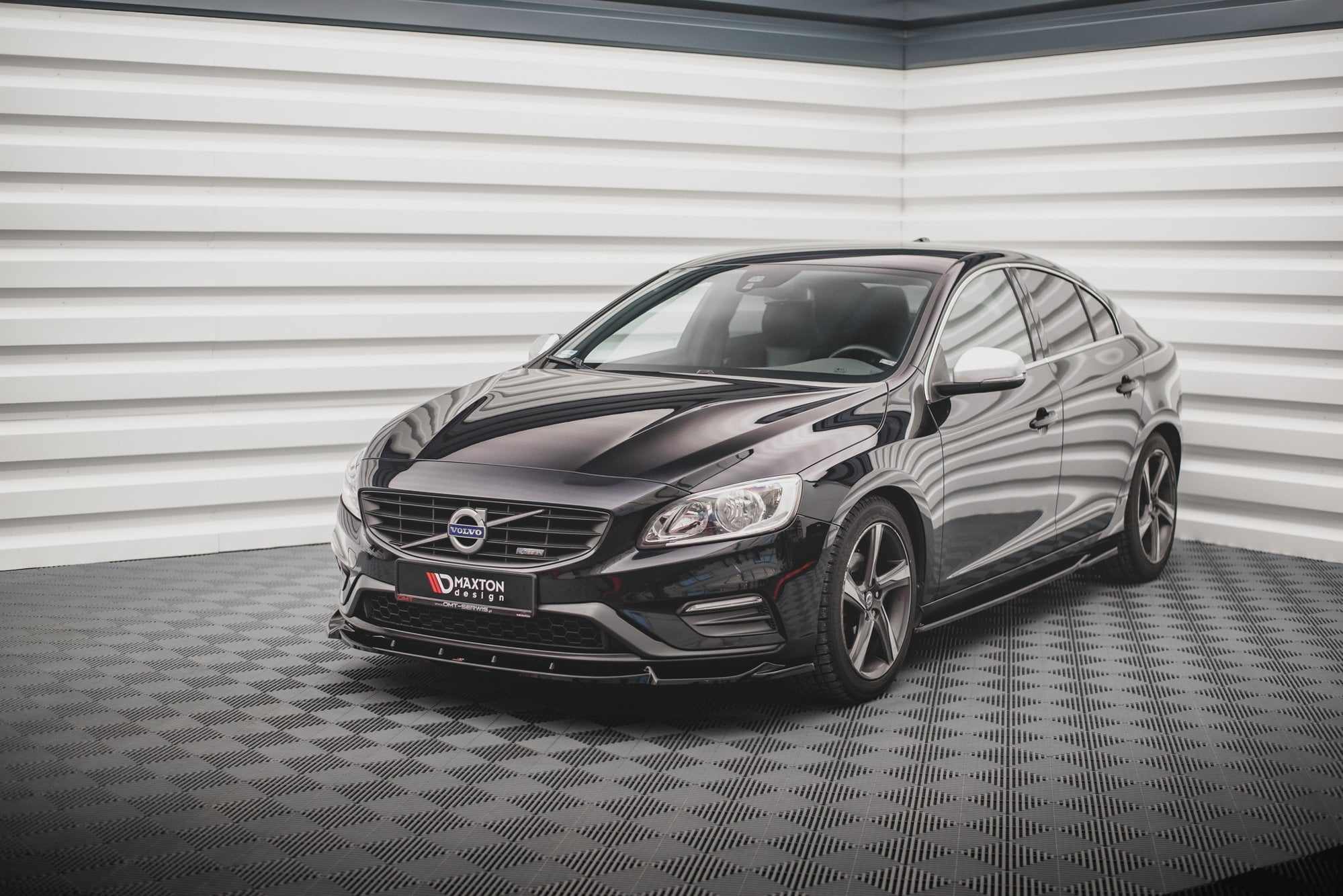
The 2013 Volvo S60 T6 AWD R-Design is an enthusiast-oriented compact luxury sport sedan pairing a factory Polestar-tuned 3.0-liter turbocharged inline-six engine with all-wheel drive. Producing 325 horsepower and 354 pound-feet of torque, it delivers a sub-5.5-second sprint to 60 mph alongside tailored sport suspension tuning, bolstered seating, and distinctive Scandinavian styling.
Engineering and Performance: The Polestar-Tuned SI6 Powertrain
At the heart of the 2013 Volvo S60 R-Design is the "Short Inline 6" (SI6) powerplant, internally designated as the B6304T4. Unlike its rear-wheel-drive German competitors, Volvo engineers packaged this 3.0-liter straight-six transversely across the front axle. To fit a six-cylinder engine horizontally between the strut towers, Volvo designed a compact front-end accessory drive and placed the camshaft and auxiliary drives at the rear of the engine over the transmission via a specialized gear train known as the Rear End Auxiliary Drive (READ) system.
For the R-Design trim, Volvo collaborated directly with its performance division, Polestar, to flash an aggressive engine calibration straight from the factory. While the standard 2013 S60 T6 produced 300 horsepower and 325 lb-ft of torque, the R-Design software recalibrated boost pressure and throttle mapping to deliver:
- Horsepower: 325 hp @ 5,400 rpm
- Torque: 354 lb-ft @ 3,000–3,600 rpm
- 0–60 mph Acceleration: 5.3 seconds
- Governed Top Speed: 130 mph (electronically limited)
Power delivery is characterized by a twin-scroll turbocharger that virtually eliminates noticeable lag. Maximum torque arrives low in the rev band and holds flat through 3,600 rpm, yielding effortless highway passing capability.
The powertrain is paired exclusively with an Aisin-Warner TF-80SC six-speed "Geartronic" automatic transmission. For the 2013 model year, Volvo enhanced the transmission's programming with an updated "Sport" mode, which holds gears longer through corners, downshifts aggressively under braking, and sharpens throttle response. While it lacks the rapid-fire engagement of contemporary dual-clutch units—and does not feature the steering-wheel paddle shifters introduced in the 2014 mid-cycle refresh—the conventional torque converter provides smooth low-speed operation and durability capable of handling the engine's high torque output.
Chassis Dynamics: Suspension, Braking, and AWD Architecture
The second-generation S60 (built on Volvo’s P3 vehicle architecture, shared with the V60, XC60, and several European Ford platforms) received substantial structural and suspension enhancements in R-Design guise.
- MacPherson Strut + Strut Tower Brace
- Monotube Rear Dampers / Stiffer Bushings
- Haldex Generation 5 AWD System
- Corner Traction Control (Torque Vectoring)
The R-Design Sport Chassis
Volvo dropped the ride height of the 2013 R-Design by 15 millimeters (0.6 inches) compared to the standard dynamic chassis. Spring stiffness increased by 15%, and the rear suspension incorporates monotube dampers rather than twin-tube units. The monotube design dissipates heat more effectively under aggressive driving, preventing damping fade on rough or undulating roads.
To sharpen turn-in response, engineers reinforced the front subframe bushings and installed stiffer rear suspension bushings, backed by a factory front strut tower brace spanning the engine bay. These upgrades reduce body roll during rapid directional changes, though they yield a noticeably firmer ride quality over broken pavement.
BorgWarner / Haldex Generation 5 AWD
The 2013 model year marked a pivotal mechanical transition: Volvo replaced the prior Haldex Generation 4 all-wheel-drive unit with the BorgWarner (Haldex) Generation 5 system.
The Gen 5 system eliminated the hydraulic accumulator and external pressure control solenoid found on older units. Instead, an electronically controlled centrifugal overflow valve regulates hydraulic pressure directly, simplifying mechanical complexity and shaving nearly three pounds of curb weight. Under normal straight-line cruising on dry pavement, up to 95% of power routes to the front wheels to preserve fuel economy.
When slip is detected—or preemptively during hard standing-start acceleration—the multi-plate wet clutch pack clamps shut in milliseconds, funneling up to 50% of available engine torque to the rear wheels. The system is augmented by Volvo's Corner Traction Control, a brake-based torque vectoring feature that lightly clamps the inside front brake caliper while transferring power to the outer wheel to curb understeer mid-corner.
Design and Cabin Appointments: The Analogue Pre-Facelift Era
The 2013 model stands as the penultimate year of the "pre-facelift" second-generation S60 design, highly regarded for retaining tactile, analogue instrumentation before the brand shifted toward digital screens and four-cylinder engines.
Exterior Identification
The R-Design is distinguished from standard S60 trims by subtle, purposeful aerodynamic and styling details:
- Front Fascia: A black high-gloss mesh grille carrying an authentic R-Design emblem, paired with silk-metal matte trim framing the lower air dams.
- Profile: Silk-metal finish on the exterior mirror caps, complemented by distinctive 18-inch five-spoke "Ixion" diamond-cut alloy wheels (with 19-inch variants available as an option).
- Rear Profile: A sculpted lower diffuser finished in contrasting anthracite with dual 90 mm (3.5-inch) polished chrome exhaust tips.
Interior Atmosphere and Ergonomics
Inside, the cabin features Volvo’s signature "floating" center stack angled slightly toward the driver. Key interior elements include:
- Watch-Dial Instrument Cluster: Unlike the digital TFT displays introduced in 2014, the 2013 model features twin physical, deep-set analogue gauges illuminated in vibrant R-Design blue.
- Sport Bucket Seats: Sculpted front seats with aggressive lateral bolstering, finished in ribbed off-black leather with contrasting off-white stitching and smooth leather inserts. These seats remain renowned for exceptional long-distance orthopedic support.
- Control Surfaces: A perforated leather-wrapped three-spoke steering wheel with an inset R-Design logo, aluminum sport pedals, and sport shift knob.
- Infotainment: The central 7-inch display houses the Sensus infotainment system, controlled via physical rotary dials on the floating console or steering wheel controls. While lacking modern smartphone mirroring interfaces, it provides Bluetooth audio streaming, hands-free calling, and available navigation.
2013 Volvo S60 Powertrain & Trim Comparison
The following table contrasts the 2013 S60 R-Design with its contemporary model-year stablemates, illustrating performance and mechanical variations across the lineup.
| Feature / Specification | S60 T5 FWD / AWD | S60 T6 AWD | S60 T6 AWD R-Design |
|---|---|---|---|
| Engine Configuration | 2.5L Turbocharged Inline-5 (B5254T5) | 3.0L Turbocharged Inline-6 (B6304T4) | 3.0L Turbocharged Inline-6 (B6304T4) |
| Aspiration | Single Turbocharger | Twin-Scroll Turbocharger | Twin-Scroll Turbocharger (Polestar Tune) |
| Peak Horsepower | 250 hp @ 5,400 rpm | 300 hp @ 5,600 rpm | 325 hp @ 5,400 rpm |
| Peak Torque | 266 lb-ft @ 1,800–4,200 rpm | 325 lb-ft @ 2,100–4,200 rpm | 354 lb-ft @ 3,000–3,600 rpm |
| Transmission | 6-speed Automatic (TF-80SC) | 6-speed Automatic (TF-80SC) | 6-speed Sport-Tuned Automatic (TF-80SC) |
| Drivetrain | Front-Wheel Drive (AWD Opt.) | Haldex Generation 5 AWD | Haldex Generation 5 AWD |
| 0–60 mph Acceleration | ~6.4–6.6 seconds | ~5.8 seconds | ~5.3 seconds |
| Suspension Calibration | Touring / Dynamic | Dynamic | R-Design Sport (-15 mm, Monotube Rear) |
| EPA Fuel Economy (MPG) | 21 City / 30 Hwy (FWD) | 18 City / 25 Hwy | 18 City / 25 Hwy |
| Brake Rotor Size (Front) | 316 mm (12.4 in) | 316 mm or 336 mm | 336 mm (13.2 in) Heavy-Duty Discs |
Long-Term Reliability and Critical Maintenance Inspection Points
When assessing a 2013 S60 R-Design on the pre-owned market, prospective buyers and long-term owners must understand the distinct mechanical idiosyncrasies of the SI6 3.0T engine and P3 platform. Despite solid overall build quality, neglect can produce expensive repairs.
- COMMON 3.0T SERVICE HUBS
- PCV Oil Trap (Whistling / Oil Leaks)
- READ Drive Belt (Decoupler pulley chatter/failure)
- Haldex Pump Screen (Sludge clogging, no rear drive)
1. Positive Crankcase Ventilation (PCV) Oil Trap Diaphragm
The PCV oil filter housing and oil separator sit on top of the engine block between the intake runners. Over time, the internal rubber diaphragm ruptures due to sustained crankcase heat.
- Symptoms: A high-pitched squealing or whistling sound at idle that ceases when the oil dipstick or oil filler cap is lifted; elevated crankcase pressure leading to oil weeping from the camshaft seals.
- Remedy: Replacement of the complete oil trap box assembly (Volvo OEM or reputable OEM suppliers). Servicing this early prevents rear main engine seal blowouts caused by excessive crankcase pressure.
2. Rear End Auxiliary Drive (READ) and Accessory Belt Drive
Because the accessory belts are powered from the rear gear train on the transverse engine, accessing the serpentine belt, alternator decoupler pulley, and water pump is labor-intensive.
- Inspection: Listen for bearing chirp, grinding, or rattling at the right-rear side of the engine bay.
- Maintenance Interval: Replace the serpentine belt, tensioner, and idle pulleys every 100,000 to 120,000 miles. Complete READ drive gear bearing replacement requires specialized tools and significant labor if the decoupler pulley is ignored and damages the assembly.
3. Haldex Gen 5 Pump Strainer Clogging
While Haldex Gen 4 units featured an external replaceable cartridge filter, the 2013 Gen 5 system removed the separate filter, relying on a small metal mesh screen on the hydraulic pre-charge pump.
- The Failure Mode: Friction material from the clutch plates accumulates in the gear oil, creating a viscous black sludge that clogs the pump screen. When choked, the pump cannot build sufficient pressure to engage the rear multi-plate clutch, quietly converting the vehicle into a front-wheel-drive car with torque steer and dash error codes (such as "AWD Disabled - Service Required").
- Remedy: Though designated as "lifetime fluid" by some dealer networks, independent Volvo specialists recommend replacing the Haldex fluid and unbolting the pre-charge pump to clean the mesh intake screen every 30,000 to 40,000 miles.
4. Angle Gear (Bevel Gear) and Collar Sleeve
The angle gear transfers power from the front transaxle to the propshaft running rearward. The splined collar sleeve connecting the transmission output shaft to the angle gear is prone to internal spline fretting wear over high mileage, especially if subjected to recurring launch-control starts or hard standing accelerations. If the splines strip completely, power cannot reach the rear differential. Check the angle gear housing for fluid leaks around the input and output axle seals.
5. Front Lower Control Arm Bushings
The large, fluid-filled horizontal rear bushings on the front lower control arms are a standard wear item across the P3 chassis. Due to the high curb weight (roughly 3,800 lbs) and sports suspension, these hydro-bushings tear between 60,000 and 80,000 miles. Symptoms include clunking over low-speed bumps, steering wander, and uneven inner-edge front tire wear.
Running Costs, Fuel Efficiency, and Ownership Realities
Operating a 2013 Volvo S60 R-Design requires accepting luxury running costs with sports car fuel consumption:
- Fuel Costs: The 3.0T requires premium 91-octane or 93-octane unleaded fuel to maintain its 325-horsepower rating without pinging or ignition retard. Expect around 16–19 mpg in realistic stop-and-go urban commuting, stretching to 24–26 mpg during steady-state highway driving.
- Brakes and Tires: The R-Design is equipped with large 336 mm front brake rotors. Rotor and pad sets are heavier and more costly than basic S60 models. The combination of AWD, aggressive front negative camber, and high torque demands strict tire rotation schedules every 5,000 to 6,000 miles to prevent cupping and premature tread wear.
- Diagnostic Tools: DIY maintenance benefits considerably from a dedicated J2534 passthrough interface or specialized Volvo diagnostic tool (such as VIDA-compatible hardware). The networked modules control everything from electric parking brake retraction during pad replacement to Haldex pump calibration.
Frequently Asked Questions
Did the 2013 Volvo S60 R-Design come with a manual transmission?
No. The North American market 2013 S60 R-Design was offered exclusively with the Aisin-Warner TF-80SC six-speed Geartronic automatic transmission. European markets received limited manual gearboxes in lower-output diesel or four-cylinder trims, but the 3.0T R-Design AWD remained an automatic-only platform worldwide.
How does the 2013 R-Design differ from the 2014 S60 R-Design?
The 2013 model year represents the final iteration of the distinct original styling, featuring dual-round exterior headlight pods and an analogue, blue-gauge instrument cluster. The 2014 model brought a mid-cycle exterior refresh with single-unit headlights, a broader grille, steering-wheel-mounted paddle shifters, and an all-digital TFT instrument cluster. Both share the identical 325 hp Polestar-tuned 3.0T engine and Gen 5 Haldex system.
Does the 3.0T engine have a timing belt or a timing chain?
The 3.0-liter B6304T4 engine uses an internal timing chain engineered to last the service life of the engine. It does not require periodic belt replacement like the older Volvo 2.5-liter five-cylinder engines. However, the external serpentine accessory belt drive (READ system) must be maintained at recommended service intervals.
Can the 2013 S60 R-Design be tuned beyond the factory 325 horsepower?
Yes. The 3.0T engine responds well to performance upgrades. Reputable aftermarket software calibrations, combined with a larger front-mount intercooler and high-flow downpipe, can reliably push the SI6 powertrain to 360–380 horsepower and over 400 lb-ft of torque before fuel system flow limitations require upgraded hardware.
Why does my S60 R-Design spin its front wheels during hard acceleration?
If the front wheels slip or break traction under heavy throttle, the all-wheel-drive system is malfunctioning. The most frequent cause is a clogged Haldex Gen 5 pre-charge pump strainer screen, a burned-out Haldex pump motor, or a stripped angle gear collar sleeve. Have the vehicle scanned for drivetrain trouble codes and inspect the rear differential electronics.
Purchasing Recommendations and Next Steps
The 2013 Volvo S60 R-Design represents an appealing intersection of Swedish understated design, straight-line speed, and all-weather capability. It provides a distinct alternative to contemporary BMW 335i xDrive or Audi S4 models, typically with lower used acquisition costs and fewer high-pressure direct-injection complications, as the SI6 uses reliable port fuel injection.
If you are evaluating a pre-owned 2013 S60 R-Design:
- Commission a Pre-Purchase Inspection (PPI): Have a certified European or Volvo specialist raise the car on a lift to inspect the angle gear for weeping seals, check the front control arm bushings for fluid leaks, and inspect the accessory belt tensioner.
- Verify AWD Engagement: Test hard acceleration from a stop on a loose or damp surface to ensure torque transfers seamlessly to the rear axle without wheel hop or dashboard warning messages.
- Budget for Fluid Flushes: If service history is incomplete, immediately change the engine oil with high-grade synthetic, flush the transmission fluid, and clean the Haldex Gen 5 pump screen while refilling with fresh fluid.