Reviewing the photographic record of the 2013 Boston Marathon involves analyzing a trajectory from celebratory athletic achievement to a site of tragedy and, ultimately, a global symbol of resilience. These images capture the elite race finishes, the immediate aftermath of the Boylston Street bombings, and the intensive investigation that followed, forming a permanent historical archive of the "Boston Strong" spirit.
The visual history of the 2013 Boston Marathon is perhaps one of the most documented events in modern sporting history. Occurring at the intersection of professional photojournalism and the rise of high-quality smartphone photography, the day’s events were captured from thousands of angles. Looking back from 2026, these photos serve as more than just news clippings; they are forensic evidence, emotional touchstones, and a testament to the city of Boston’s endurance.
The Dual Nature of the 2013 Photographic Record
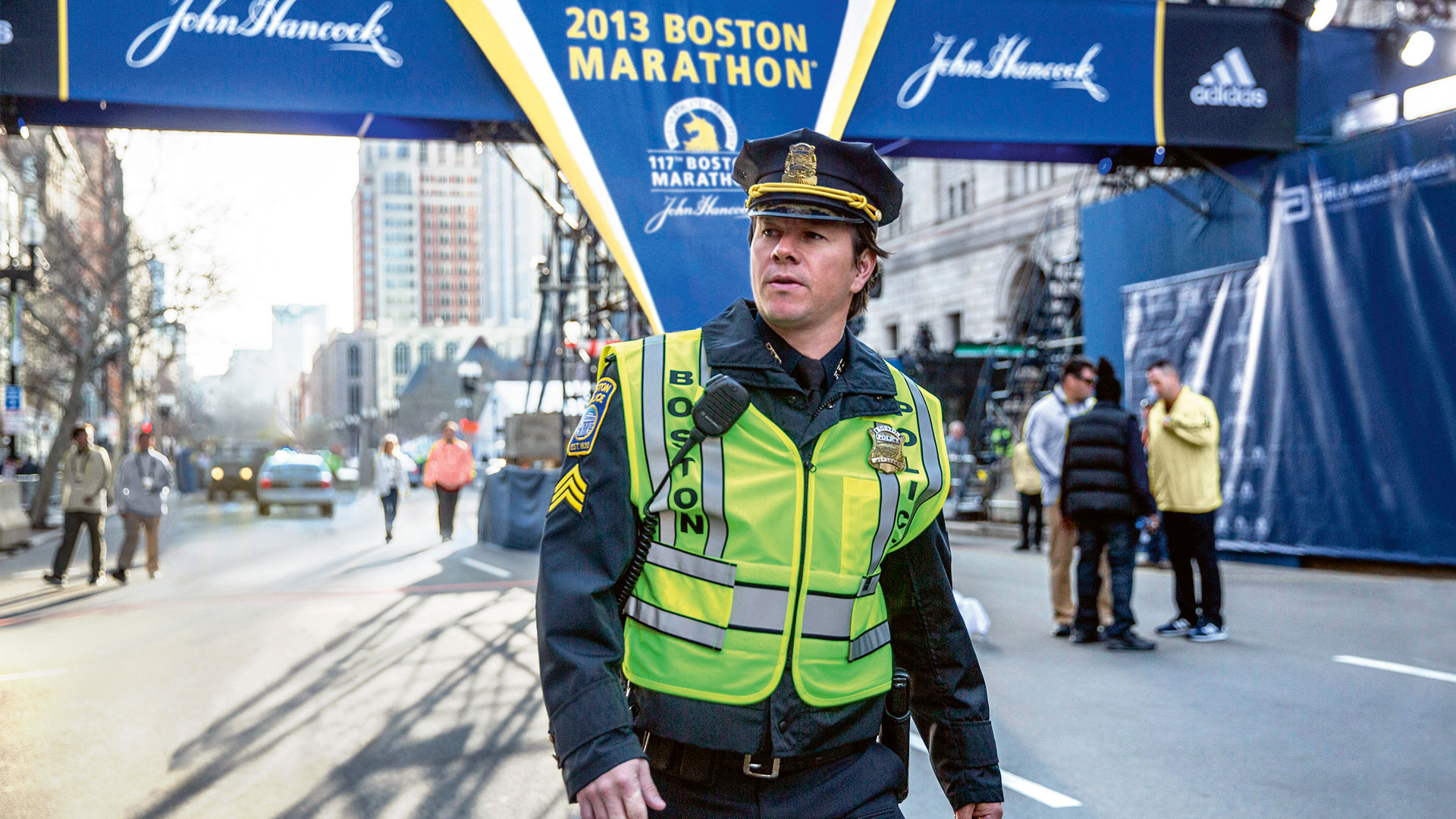
When we review the photos of April 15, 2013, we must categorize them into two distinct phases: the traditional celebration of the 117th Boston Marathon and the documentation of the emergency response and subsequent manhunt.
Prior to 2:49 p.m., the imagery followed a predictable, joyous pattern. Photographers were stationed at the Hopkinton start line, the Newton hills, and the finish line near the Boston Public Library. The primary subjects were the elite runners and the thousands of "charity runners" who embody the heart of the event.
The Elite Race and Initial Celebrations
The early photos from the 2013 race capture the victory of Lelisa Desisa of Ethiopia in the men’s division and Rita Jeptoo of Kenya in the women’s division. These images characterized the marathon’s traditional prestige. Reviewing these photos today, one sees the vibrant colors of the athletic gear and the dense, cheering crowds that lined Boylston Street, unaware of the impending crisis.
The technical quality of these early images, captured by seasoned sports photographers using high-speed DSLR cameras, highlights the peak of human performance. Sharp focus on the runners' expressions and the blur of the cheering crowds created a sense of kinetic energy that has always defined the Boston Marathon.
The Shift: Documenting the Unthinkable
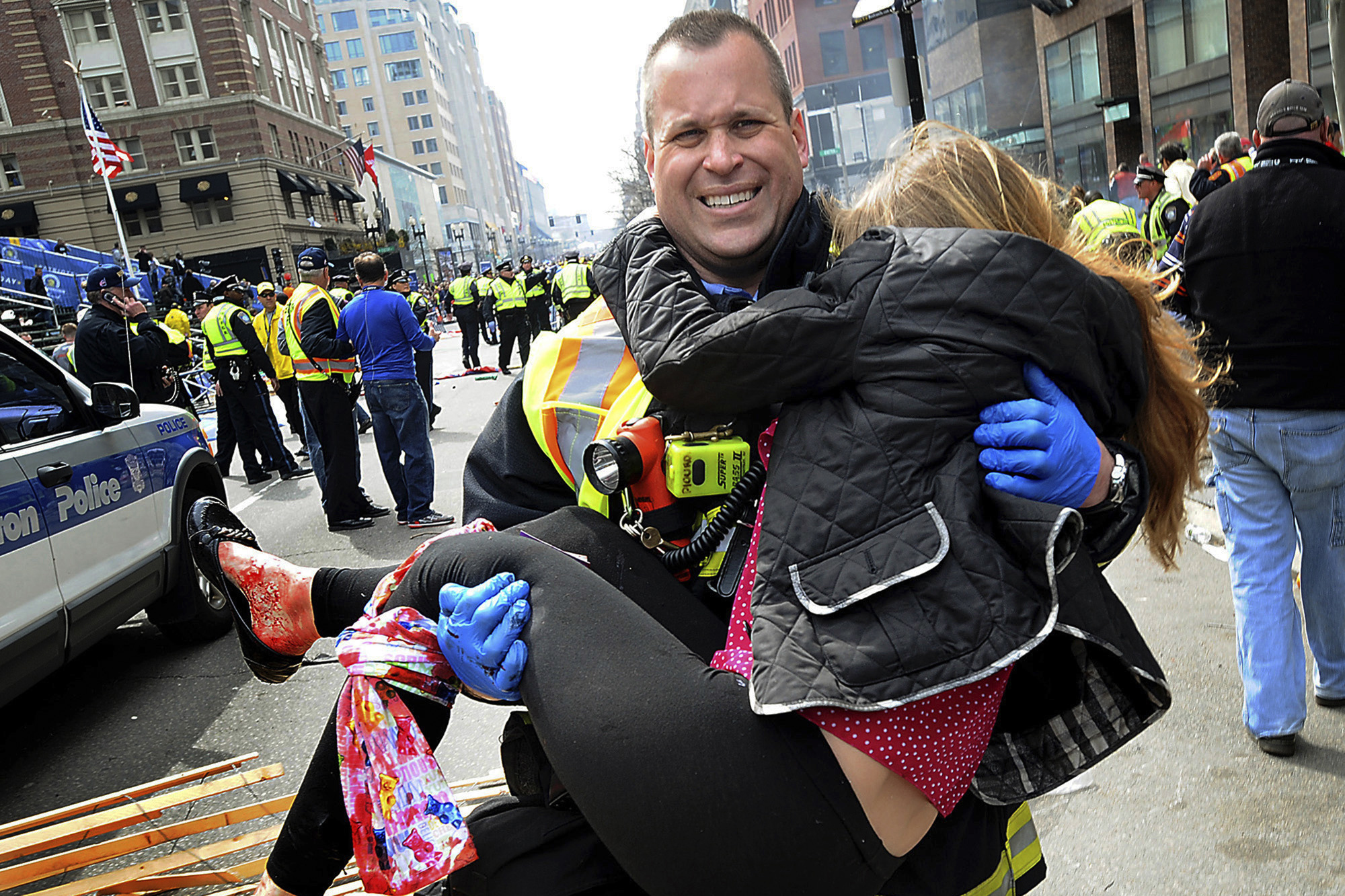
At 2:49 p.m., the nature of the photography shifted instantly. The transition from sports photography to conflict-style photojournalism occurred in seconds. Reviewing the photos from this window requires an understanding of the ethical and technical challenges faced by those on the ground.
Professional photographers, many of whom were still at the finish line to capture the "middle of the pack" runners, found themselves documenting a mass-casualty event. These images are characterized by:
- The Smoke and Chaos: Initial photos captured the immediate plume of white smoke near the flags of various nations.
- The First Responders: Iconic images of police officers, race volunteers, and bystanders—famously including Carlos Arredondo in his cowboy hat—leaping over barricades to assist the wounded.
- The Human Toll: Raw, unfiltered images of the injured that shocked the world and necessitated a global conversation about the ethics of publishing graphic imagery.
The "Review" aspect here is critical. In the years following 2013, many of these photos have been curated for museum exhibits and historical archives to ensure the bravery of the "first-on-scene" civilians is never forgotten.
The Role of Citizen Photography and Social Media
The 2013 Boston Marathon was a watershed moment for the use of citizen-captured imagery. Because thousands of spectators were using smartphones to record their friends and family crossing the finish line, the FBI and local law enforcement were provided with an unprecedented "crowdsourced" visual database.
In a review of the investigative process, it was noted that authorities processed over 10,000 photos and videos submitted by the public. This massive influx of digital data allowed investigators to reconstruct the moments leading up to the blasts with granular detail.
Identifying the Suspects
The "photos in review" during the week of the marathon became a global phenomenon when the FBI released images of two suspects, later identified as Tamerlan and Dzhokhar Tsarnaev. These photos, pulled from surveillance footage and bystander cameras, were low-resolution but sufficient for public identification. The decision to release these photos changed the course of the investigation, leading to the lockdown of the city and the eventual capture of the surviving suspect.
Forensic Photography and the Trial Evidence
Beyond the public-facing news photos, there exists a vast archive of forensic photography. These images were used during the 2015 trial of Dzhokhar Tsarnaev to establish the placement of the explosive devices and the extent of the damage.
These photos include:
- Blast Site Analysis: Close-up shots of the sidewalk, the remnants of the pressure cooker devices, and the impact on surrounding structures.
- Surveillance Reconstruction: Sequential stills from Lord & Taylor and other Boylston Street businesses that tracked the suspects' movements through the crowd.
- Medical Evidence: Documentation used by medical examiners to testify about the nature of the injuries sustained by the victims.
While these images are not typically part of public "photo reviews" due to their sensitive nature, they remain the most critical visual record for the legal and historical record of the event.
Visual Themes of the "Boston Strong" Movement
Following the tragedy, the photographic narrative shifted once more. The imagery of 2013 and early 2014 began to focus on recovery and the "Boston Strong" slogan. This phase of photography is essential for any comprehensive review because it illustrates the psychological recovery of the community.
Memorials and Tributes
Photos of Copley Square transformed into a makeshift memorial became iconic. The images of hundreds of pairs of running shoes left by mourners served as a powerful visual metaphor for the race that was interrupted. These photos often utilized soft lighting and wide-angle shots to capture the scale of the public’s grief and solidarity.
The 2014 Return
The review of 2013 photos is often paired with the images of the 2014 marathon. Photographers intentionally mirrored shots from the 2013 race to show the city's defiance. The "finish line" photos of 2014, featuring Meb Keflezighi’s historic win, acted as a visual bookend to the 2013 tragedy.
Technical Comparison of 2013 Photo Assets
The following table summarizes the different types of photographic assets generated during and after the 2013 Boston Marathon.
| Category | Primary Sources | Key Subjects | Historical Impact |
|---|---|---|---|
| Professional Sports | BAA, Getty Images, Boston Globe | Elite winners, charity runners | Captured the spirit of the 117th race. |
| Breaking News | Photojournalists at the finish line | Immediate aftermath, first responders | Provided real-time global awareness of the crisis. |
| Citizen/Bystander | Smartphones, social media (Twitter/X) | Spectators, suspect movement | Revolutionized crowdsourced investigations. |
| Forensic/Legal | FBI, Boston Police Department | Evidence, blast sites, surveillance | Secured the legal conviction of the perpetrator. |
| Commemorative | Documentary photographers | Memorials, "Boston Strong" signage | Defined the city's cultural identity post-tragedy. |
Ethical Considerations in Reviewing Sensitive Imagery
Reviewing photos of the 2013 Boston Marathon requires a high degree of sensitivity. As time passes, the distance from the event allows for a more analytical perspective, but the emotional weight remains.
The Debate Over Graphic Content
In 2013, major news outlets like The New York Times and the Boston Globe faced criticism and praise for their decisions to publish graphic photos. Some argued that the photos were necessary to convey the gravity of the terrorism, while others felt they violated the privacy and dignity of the victims. In 2026, many of these "review" galleries utilize content warnings or focus on the heroism of the responders rather than the carnage, reflecting a shift in editorial standards toward victim-centered reporting.
Preservation and Archiving
The Digital Public Library of America and local institutions in Boston have worked to archive these photos. Ensuring that digital files—often prone to "bit rot" or platform obsolescence—are preserved is a technical challenge. Reviewing these photos today is only possible because of dedicated digital preservation efforts that migrated 2013-era social media uploads into stable archival formats.
Frequently Asked Questions
Where can I find the official photo gallery of the 2013 Boston Marathon?
The Boston Athletic Association (BAA) maintains an archive of race-day photos, primarily focusing on the athletic competition. For a more comprehensive historical review, the Boston Public Library and various news organizations like the Boston Globe maintain digital archives that include both the race and the aftermath.
How were photos used to catch the suspects in the 2013 marathon bombing?
Law enforcement used a process of visual triangulation. By comparing time-stamped photos from various bystanders and surveillance cameras, the FBI was able to isolate individuals who were carrying heavy backpacks and who did not react to the explosions in the same way as the rest of the crowd. This "visual footprint" was the key to identifying the Tsarnaev brothers.
Who took the most famous photos of the 2013 Boston Marathon?
John Tlumacki of the Boston Globe is widely recognized for his harrowing and brave photography at the finish line. His images of the first responders and the wounded are considered some of the most significant pieces of photojournalism in the 21st century.
Are there any documentaries that review these photos in detail?
Yes, several documentaries, such as HBO's Marathon: The Patriots Day Bombing, utilize the photo and video archives of that day to provide a minute-by-minute account of the events. These films often interview the photographers to provide context on how the images were captured.
How has marathon photography changed since 2013?
Since 2013, security protocols have changed how and where photographers can be positioned. Additionally, there is now a much greater emphasis on real-time digital uploads and the use of AI-driven image recognition to monitor crowds, a direct technological evolution stemming from the lessons learned during the 2013 investigation.
Final Recommendations for Researchers and Students
When conducting a review of 2013 Boston Marathon photos, it is essential to approach the material with a clear objective. If you are researching photojournalism ethics, focus on the editorial decisions made by major newspapers in the 48 hours following the blast. If your focus is on the history of the race itself, look toward the BAA archives to understand how the event has evolved from a local tradition to a global symbol of strength.
Always utilize reputable sources such as the Library of Congress, the Boston Public Library, or official news archives. Avoid unverified social media "deep dives" that may contain misattributed or altered images. By sticking to verified historical records, you ensure that your review of these photos remains accurate and respectful to the legacy of those who were affected by the events of that day.