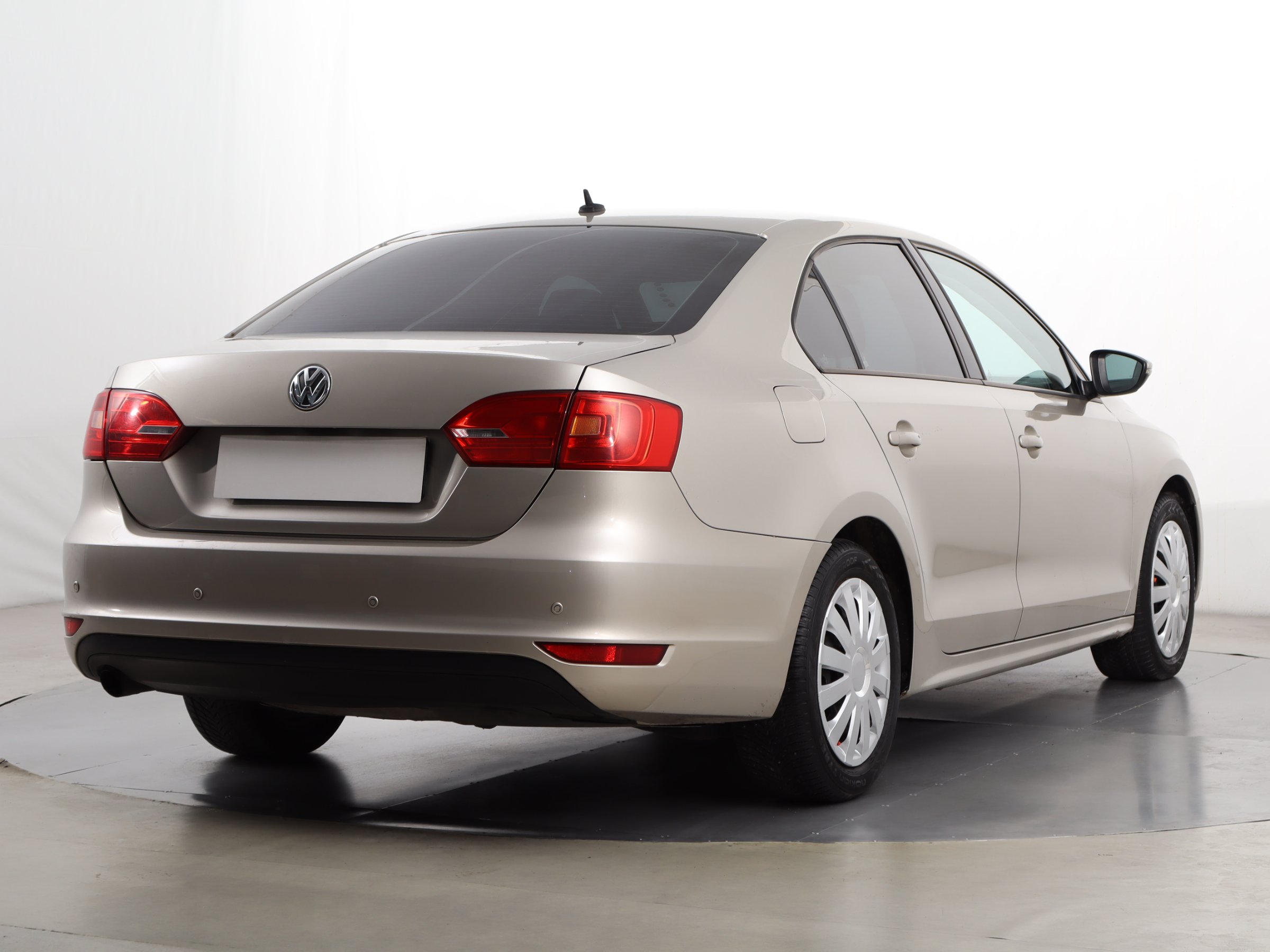
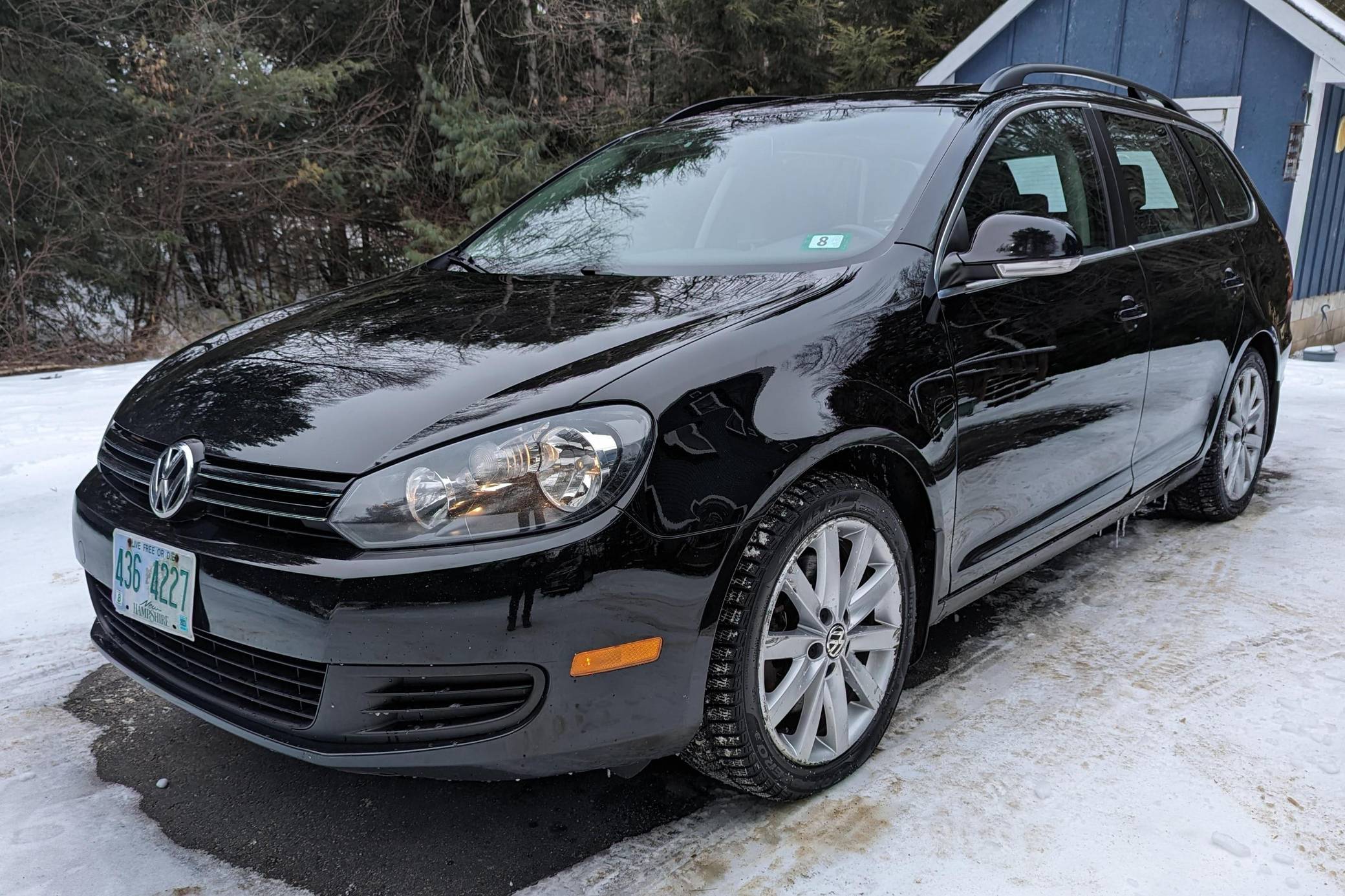
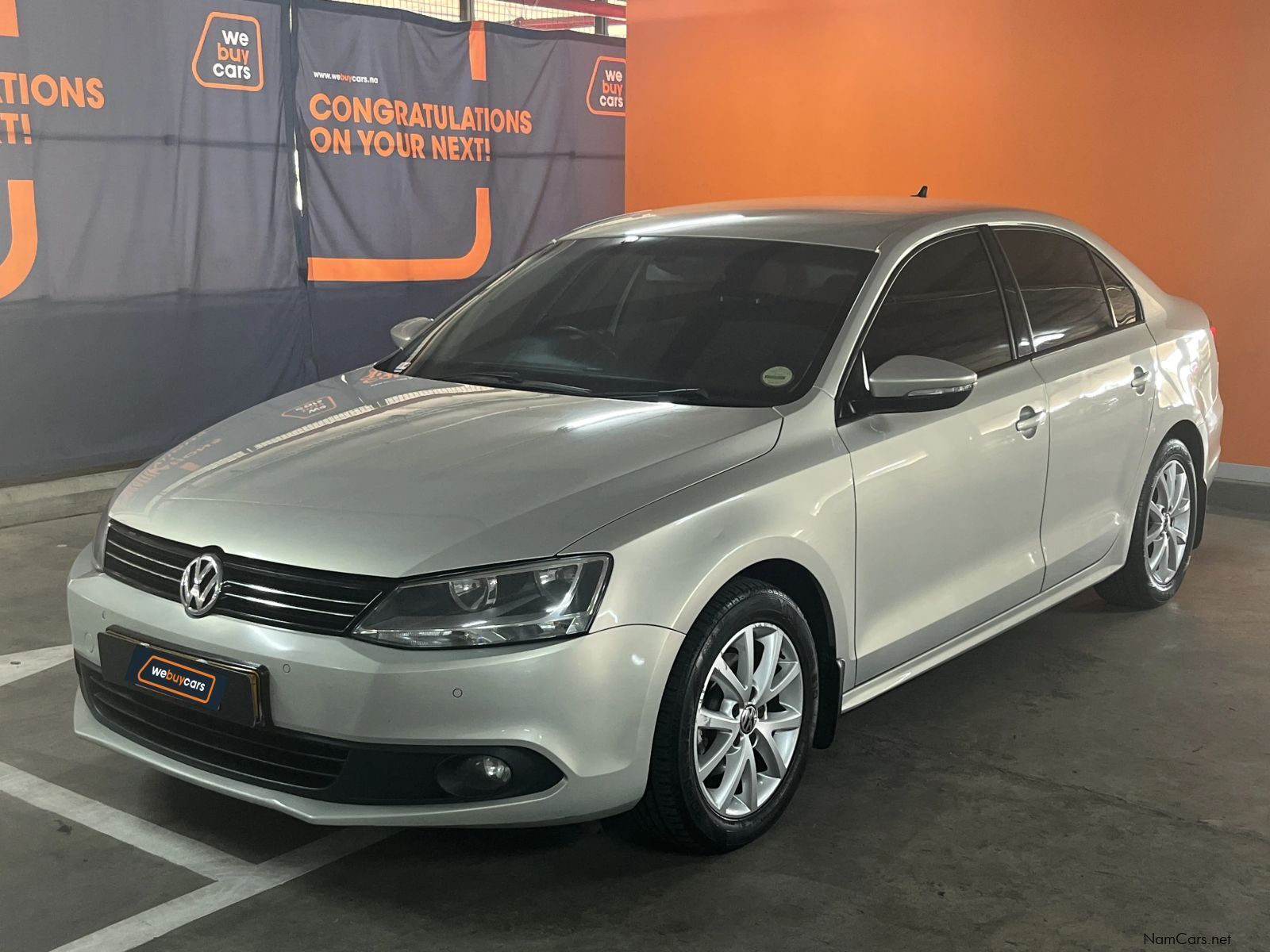
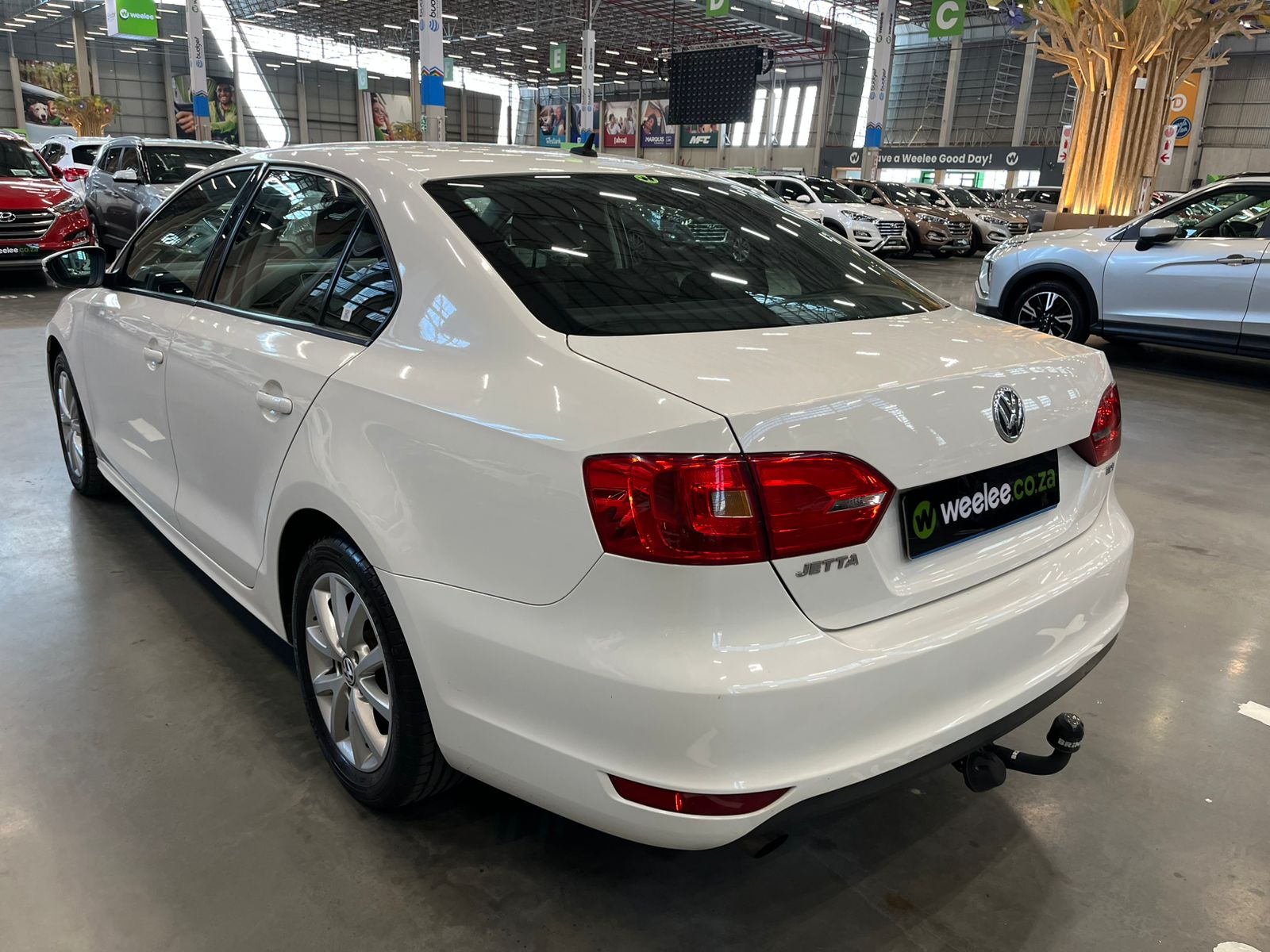
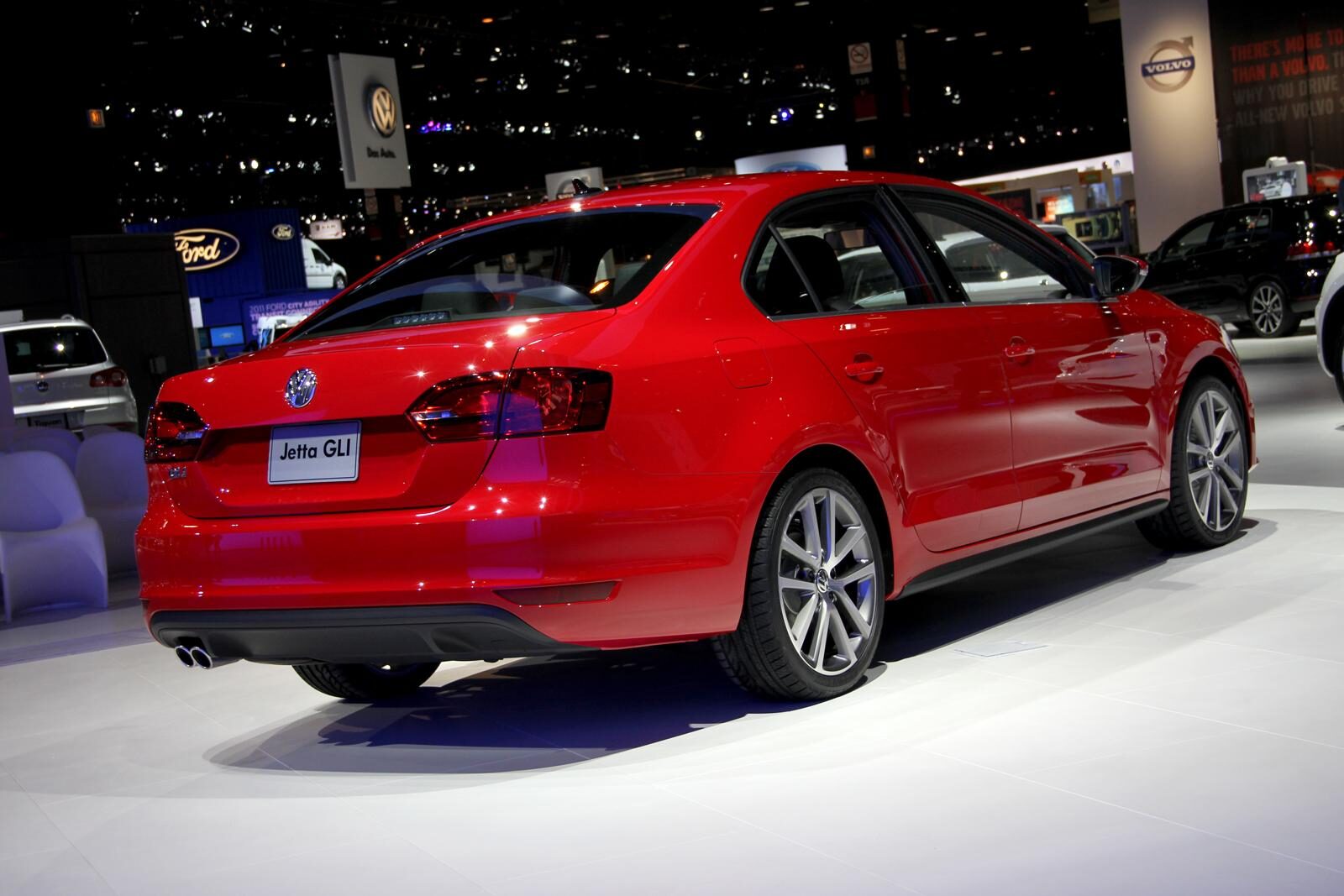
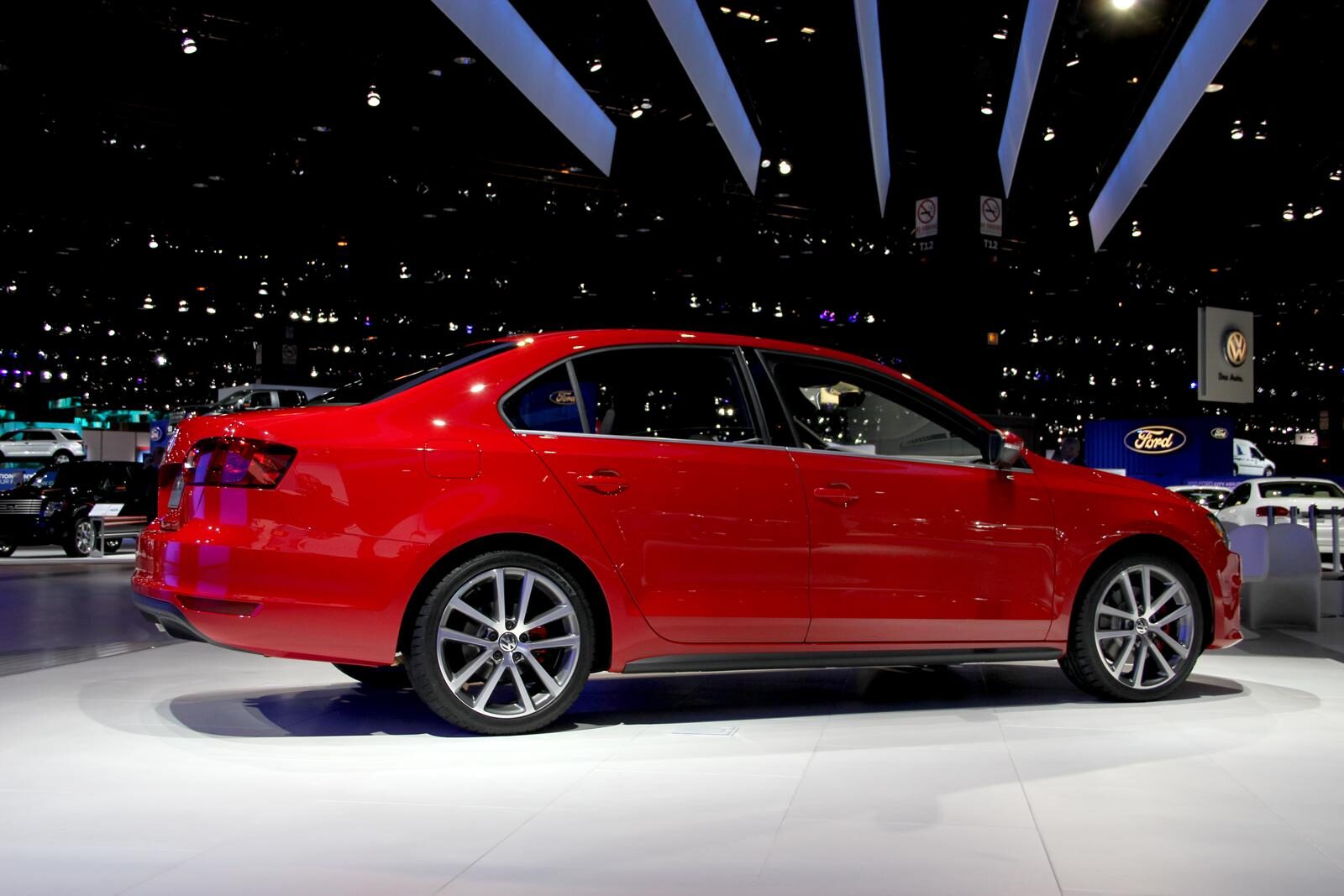
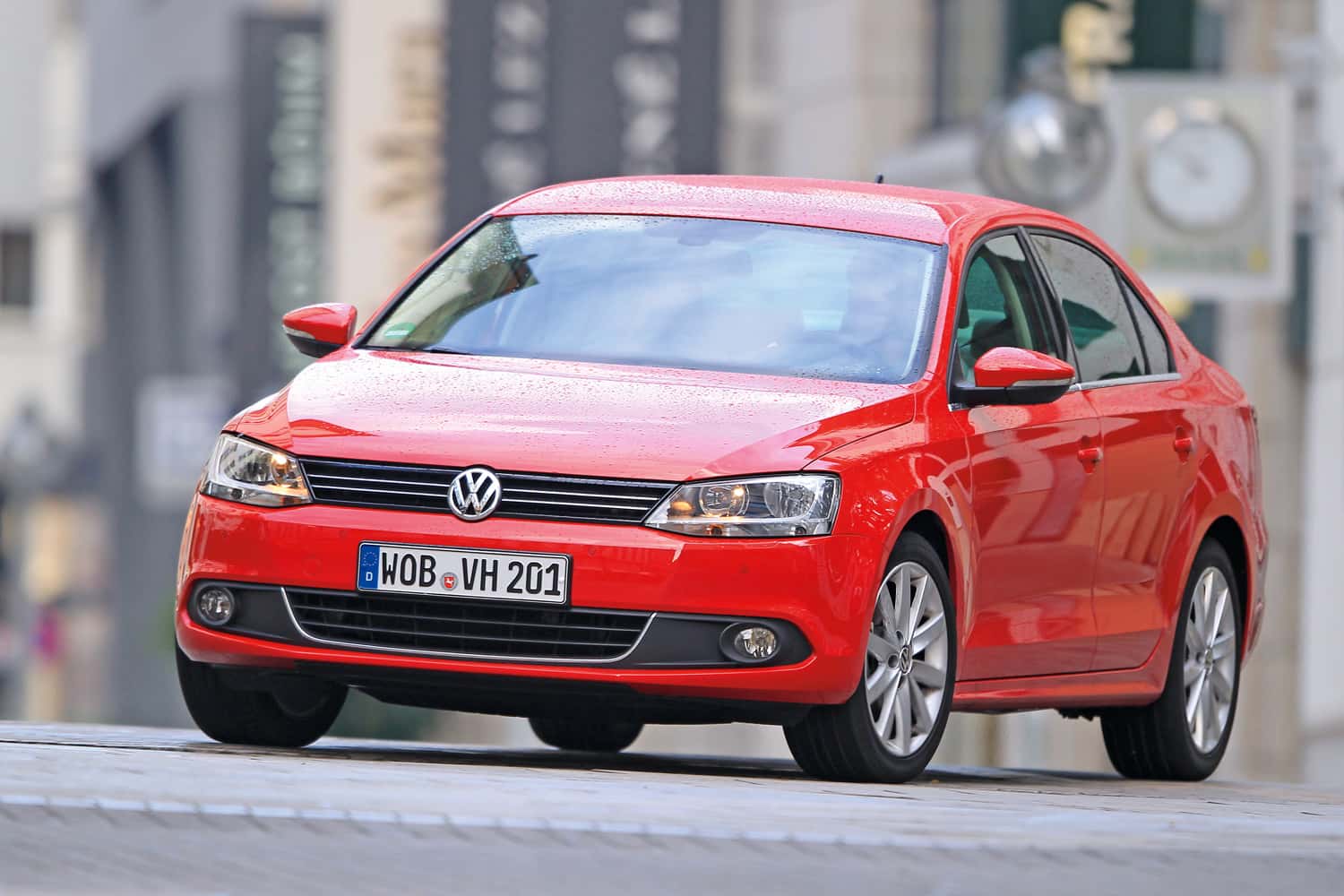
The 2012 Volkswagen Jetta TDI (Turbocharged Direct Injection) represents one of the most complex chapters in modern automotive history, evolving from a symbol of fuel-efficient innovation to the center of a multi-billion dollar global scandal. For owners and enthusiasts in 2026, the timeline of this vehicle spans its 2011 debut, the 2015 "Dieselgate" revelation, the subsequent massive federal settlements, and its current status as a sought-after yet aging high-mileage commuter vehicle.
Understanding the 2012 Jetta Diesel timeline requires looking at the intersection of engineering ambition, regulatory oversight, and the eventual legal frameworks that defined the "Fix" and the extended warranties that have largely shaped its second life on the used market.
The Era of "Clean Diesel" (2011–2014)
The journey of the 2012 Jetta TDI began in late 2011 when Volkswagen launched the sixth-generation (MK6) Jetta in the North American market. At the time, the 2.0L EA189 engine was marketed as a "Clean Diesel" alternative to hybrids, promising high torque and highway fuel economy exceeding 42 MPG without the need for Selective Catalytic Reduction (SCR) and Urea (AdBlue) fluid.
Launch and Market Dominance
In 2012, the Jetta TDI was a top seller in its segment. Volkswagen’s engineering feat—achieving Tier 2 Bin 5 emissions standards using only a Lean NOx Trap (LNT)—was praised by the industry. Unlike the larger Passat or the later 2015 Jetta models, the 2012 Jetta relied on a specialized catalyst to "trap" nitrogen oxides, which were then burned off during a regeneration cycle.
This period was marked by high consumer satisfaction. Drivers reported real-world fuel economy that often surpassed EPA estimates, reaching nearly 50 MPG on long highway hauls. The 140 horsepower and 236 lb-ft of torque provided a driving dynamic that felt significantly more robust than the gasoline-powered competitors of the era.
Technical Specifications of the 2012 EA189 Engine
- Displacement: 2.0 Liters, 4-Cylinder.
- Induction: Turbocharged and Intercooled.
- Fuel System: Common Rail Direct Injection.
- Emissions Control: Exhaust Gas Recirculation (EGR), Diesel Particulate Filter (DPF), and Lean NOx Trap (LNT).
- Transmission Options: 6-speed manual or 6-speed DSG (Direct-Shift Gearbox) dual-clutch automatic.
The Revelation: September 18, 2015
The timeline shifted dramatically on September 18, 2015, when the U.S. Environmental Protection Agency (EPA) issued a Notice of Violation to Volkswagen Group. This followed independent testing by West Virginia University’s Center for Alternative Fuels, Engines, and Emissions (CAFEE), which discovered that Jetta TDIs were emitting up to 40 times the legal limit of nitrogen oxides (NOx) during real-world driving.
The 2012 Jetta was identified as containing a "defeat device"—a sophisticated software code that detected when the vehicle was undergoing emissions testing. During testing, the car would fully engage its emissions controls; however, during normal operation, these controls were scaled back to improve performance and fuel longevity, leading to the massive discrepancy in NOx output.
The Legal and Regulatory Response (2016–2017)
Following the discovery, a series of lawsuits and federal investigations culminated in the 2.0L TDI Settlement, one of the largest consumer class-action settlements in U.S. history. For owners of the 2012 Jetta Diesel, the timeline between 2016 and 2017 was defined by a critical choice: the Buyback or the Modification.
The Buyback Program
Volkswagen was required to offer to buy back affected vehicles at their "Clean Trade-In" value as of September 2015, plus a restitution payment (typically ranging from $5,100 to $10,000 depending on the vehicle's age and options). Thousands of 2012 Jettas were returned to VW, where they were stored in massive "car graveyards" across the United States, including stadiums and desert lots, awaiting a certified emissions fix or recycling.
The Approved Emissions Modification (AEM)
For owners who wished to keep their cars, or for those who purchased "fixed" cars from VW dealer lots later, the EPA and the California Air Resources Board (CARB) approved a technical modification. For the 2012 Jetta (categorized as a Generation 1 TDI), the fix was primarily software-based.
The "Fix" for the 2012 Jetta included:
- Software Update: Recalibration of the Fuel Injection timing and EGR rates to reduce NOx.
- Hardware Maintenance: While the 2012 model didn't require an AdBlue tank retrofit, the fix placed significantly more stress on the Diesel Particulate Filter (DPF) and the EGR system.
- The "Fix" Sticker: A label was applied under the hood to signify the vehicle was compliant with the settlement terms.
Post-Fix Performance and Warranty (2018–2022)
By 2018, most 2012 Jettas remaining on the road had received the AEM. This period was characterized by owner observations regarding performance changes. Many drivers noted a slight decrease in fuel economy (approximately 1–3 MPG) and more frequent DPF regeneration cycles, which were audible via high fan speeds after the engine was turned off.
The Extended Emissions Warranty
A pivotal part of the 2012 Jetta diesel timeline is the Extended Emissions Warranty. This was a court-mandated protection plan that covered nearly every component of the fuel and emissions systems. For the 2012 model, the warranty lasted for the greater of:
- 10 years or 120,000 miles from the original in-service date.
- 4 years or 48,000 miles from the date the emissions fix was performed.
As we stand in 2026, the vast majority of 2012 Jetta TDIs have aged out of this warranty. For cars fixed in late 2018 or early 2019, the 4-year/48k extension typically expired between 2022 and 2023. This shift has transitioned the 2012 Jetta from a "risk-free" commuter under warranty to a vehicle requiring specialized mechanical attention.
Comparative Timeline of Major Events
| Year | Event Type | Description |
|---|---|---|
| 2011 | Launch | Introduction of the 2012 Jetta TDI with the EA189 engine and Lean NOx Trap. |
| 2015 | Violation | EPA issues Notice of Violation; "Dieselgate" becomes public. |
| 2016 | Settlement | $14.7 billion settlement approved; Buyback and Fix programs begin. |
| 2017 | Modification | EPA/CARB approve the "Gen 1" emissions fix for 2012 models. |
| 2018 | Resale | VW begins selling "Certified Pre-Owned" fixed TDIs from storage lots. |
| 2022 | Warranty End | Most 2012 TDIs reach the end of their 10yr/120k or 4yr/48k extensions. |
| 2026 | Current Status | Vehicle enters the high-mileage/enthusiast phase; focus shifts to DPF/HPFP maintenance. |
Maintenance Realities in 2026
For those operating a 2012 Jetta Diesel today, the timeline has entered the "longevity phase." While the EA189 engine block itself is known for lasting 300,000 miles or more, several specific technical hurdles define the current ownership experience.
High-Pressure Fuel Pump (HPFP) Concerns
The Bosch CP4 high-pressure fuel pump remains a critical point of failure. Designed for European diesel standards, these pumps can struggle with the lower lubricity of some U.S. diesel fuels. In 2026, many owners utilize fuel additives to increase lubricity and prevent "grenading" of the pump, which can send metal shards through the entire fuel system.
DPF and EGR Longevity
Without the benefit of the emissions warranty, a clogged Diesel Particulate Filter (DPF) is a significant expense. The 2012 model’s software-heavy fix increased the frequency of soot burn-offs. If a 2012 Jetta is used primarily for short city trips, the DPF may reach its ash load limit prematurely. Replacement costs can exceed the current market value of the car, leading some owners to look toward specialized independent shops for cleaning or alternative solutions.
The Timing Belt Interval
A crucial milestone in the 2012 Jetta timeline is the 120,000-mile service. This includes the timing belt and water pump replacement. For a 2012 model, most vehicles should have seen this service performed between 2019 and 2023. If a vehicle is approaching 240,000 miles in 2026, it is due for its second major belt service—a non-negotiable task to prevent catastrophic engine failure.
Frequently Asked Questions
Is the 2012 Jetta TDI still reliable in 2026?
The 2012 Jetta TDI remains fundamentally reliable if the timing belt and DSG services (every 40,000 miles) have been strictly followed. However, because most are now well beyond their 120,000-mile mark, owners should expect "wear and tear" items like suspension bushings, dual-mass flywheels (on DSG models), and emissions sensors to require replacement. The engine remains a "half-million-mile" candidate, but the peripherals require vigilance.
Did the emissions fix ruin the 2012 Jetta's fuel economy?
It did not "ruin" the economy, but it did change the efficiency curve. Before the fix, many owners reported 45–50 MPG on the highway. Post-fix, those numbers typically settled between 40–44 MPG. The engine also runs slightly hotter and performs more frequent active regenerations, which consumes a small amount of additional fuel.
How do I check if a 2012 Jetta had the emissions fix?
You can verify the status by entering the Vehicle Identification Number (VIN) into the Volkswagen Look-up Portal. Additionally, a physical check under the hood should reveal an authorized modification decal. If the car was never fixed (a "never-corrected" car), it may have registration issues in states with strict emissions testing, such as California or New York.
Are there any active recalls for the 2012 Jetta Diesel?
Aside from the emissions-related recalls, the 2012 Jetta has had various campaigns over the years, including those for the clock spring (airbag connectivity) and specific fuel line vibration dampeners. Owners should use the NHTSA recall tool to ensure all safety-related campaigns have been addressed.
Why is the 2012 model different from the 2015 TDI?
The 2012 model uses the Gen 1 EA189 engine with a Lean NOx Trap (LNT). The 2015 model uses the Gen 3 EA288 engine, which includes an AdBlue (DEF) system. The 2015 models generally saw less of a fuel economy hit after their respective fixes because the AdBlue system handles most of the NOx reduction, allowing the engine to run more efficiently than the 2012 LNT-based system.
Practical Recommendations for Current Owners
If you are maintaining or looking to purchase a 2012 Jetta Diesel in 2026, prioritize a detailed service history. Focus specifically on the DSG fluid changes every 40,000 miles and the timing belt every 120,000 miles. Given that the extended emissions warranty has likely expired, it is advisable to find a local independent mechanic who specializes in TDI engines, as they can often provide more cost-effective solutions for DPF and EGR maintenance than a dealership.
The 2012 Jetta Diesel remains a unique artifact of automotive history—a car that offers a driving experience and efficiency level that is increasingly rare in the era of electrification, provided the owner is prepared for the specific maintenance demands of a post-Dieselgate world.