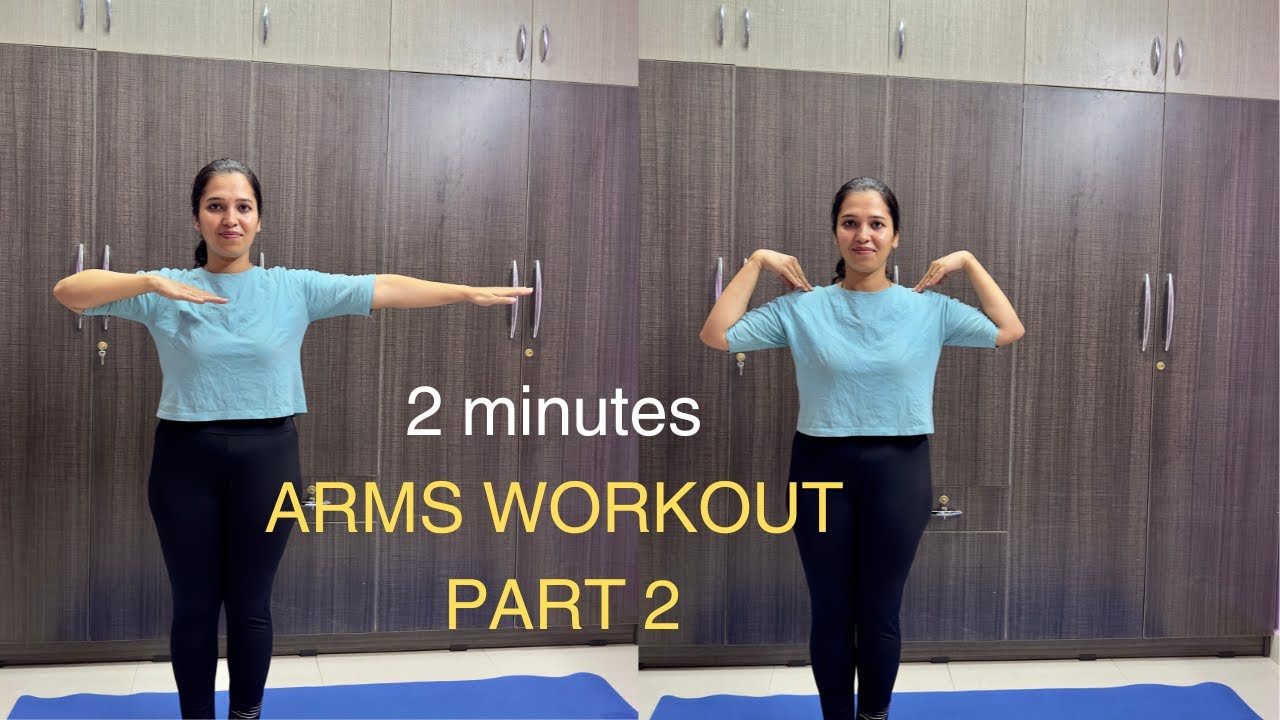
Achieving significant fitness results in a compressed 20-minute timeframe requires leveraging high-intensity protocols, compound functional movements, and precise work-to-rest ratios to trigger maximal physiological adaptations without the need for prolonged gym sessions.
Introduction to Time-Efficient Conditioning
The traditional paradigm of spending sixty to ninety minutes in the gym is no longer the sole pathway to physical conditioning, metabolic health, and muscular development. Modern schedules demand efficiency, leading exercise scientists and practitioners to examine how short, highly concentrated bouts of exertion can rival or even surpass the benefits of longer, steady-state routines. A 20-minute fitness session is not merely a watered-down version of a standard workout; it is a specialized training stimulus. By stripping away extraneous downtime and focusing purely on high-output movements, individuals can elicit powerful cardiovascular and neuromuscular responses.
To maximize results in this tight window, every second must be optimized. This requires moving away from casual pacing and isolated exercises in favor of structured intervals, multi-joint movements, and progressive overload principles adapted for speed and intensity. Whether the objective is fat loss, cardiovascular endurance, or lean muscle retention, understanding the physiological mechanisms behind short-burst training is the key to unlocking its full potential.
The Physiology of Short-Burst Training
Short-burst training relies heavily on high-intensity intervals and metabolic conditioning to alter how the body utilizes energy and responds to stress. When intensity is drastically scaled up, the body shifts its energy systems to accommodate the immediate demand for ATP (adenosine triphosphate).
Energy Systems and EPOC
During a high-intensity 20-minute workout, your body predominantly utilizes the anaerobic energy systems (the ATP-PC system and the glycolytic system) during the active work phases, while relying on the aerobic system to recover during brief rest periods. This dual demand creates a powerful metabolic disturbance.
- Excess Post-Exercise Oxygen Consumption (EPOC): Often referred to as the "afterburn effect," EPOC is the elevated rate of oxygen consumption following strenuous activity as the body repairs muscle tissue, clears lactate, replenishes oxygen stores, and restores core temperature.
- Hormonal Response: High-intensity short-burst routines stimulate the acute release of catecholamines (epinephrine and norepinephrine) and growth hormone, which play supportive roles in fat mobilization and metabolic rate enhancement.
- Cardiovascular Efficiency: Rapidly spiking and lowering heart rates trains the cardiovascular system to recover faster, improving stroke volume and overall heart health in a fraction of the time required by moderate continuous training.
Essential Components of an Effective 20-Minute Routine
A successful short-burst workout cannot be thrown together at random. Because the duration is strictly limited, the selection of exercises, the pacing strategy, and the structural format dictate whether the session yields transformation or merely fatigue.
Compound Movements Over Isolation
When time is constrained, isolation exercises like bicep curls or tricep kickbacks are inefficient. Instead, workouts must be anchored by compound movements that recruit multiple large muscle groups simultaneously.
- Lower Body Power: Squats, lunges, and thrusters engage the quadriceps, glutes, and hamstrings, driving massive energy expenditure.
- Upper Body Push/Pull: Push-ups, overhead presses, pull-ups, and inverted rows distribute the workload across the chest, shoulders, back, and arms.
- Core Integration: Planks, mountain climbers, and kettlebell swings tie the kinetic chain together, ensuring postural integrity under fatigue.
Training Formats for Maximum Density
The structure of the workout determines its "density"—the amount of work completed within a specific timeframe. Several formats lend themselves exceptionally well to 20-minute blocks:
- AMRAP (As Many Rounds As Possible): Setting a list of exercises and a target rep scheme, then cycling through them continuously for 20 minutes with self-regulated rest.
- EMOM (Every Minute On the Minute): Performing a designated number of repetitions at the start of every minute, with the remaining time serving as rest. This enforces a strict work-to-rest ratio.
- HIIT Intervals (High-Intensity Interval Training): Alternating strict blocks of maximum-effort work (e.g., 40 seconds) with fixed recovery periods (e.g., 20 seconds) for 20 consecutive cycles.
Sample 20-Minute Full-Body Workout Routine
To illustrate how these components fit together, the following EMOM-style routine provides a balanced, full-body stimulus designed to elevate the heart rate, challenge muscular endurance, and maximize output within 20 minutes.
Warm-Up (Crucial Pre-Work, 3 Minutes Unscored)
- Arm circles and torso twists (1 minute)
- Bodyweight squats to dynamic lunges (1 minute)
- High knees and jumping jacks (1 minute)
The 20-Minute EMOM Protocol
Rotate through the following four stations across five complete rounds (totaling 20 minutes). Complete the assigned reps within the minute, and use whatever time remains as rest.
| Minute Marker | Exercise | Target Repetitions / Effort | Primary Muscles Involved |
|---|---|---|---|
| Minute 1 | Dumbbell Thrusters | 10 to 12 Reps | Quads, Glutes, Shoulders, Core |
| Minute 2 | Renegade Rows | 8 to 10 Reps (Each Arm) | Back, Biceps, Core, Stabilizers |
| Minute 3 | Jump Squats or Bodyweight Squats | 15 Reps (Explosive) | Glutes, Quads, Calves |
| Minute 4 | Push-Up to Mountain Climber | 10 Reps (1 Rep = Push-up + 4 Climbers) | Chest, Triceps, Anterior Core |
Note: If you complete the reps in 35 seconds, you have 25 seconds to recover before the next minute begins. If you take 55 seconds, your recovery is compressed.
Common Pitfalls and How to Avoid Them
Attempting to compress a workout into 20 minutes introduces specific risks. Without proper execution, exercisers often sacrifice safety for speed or fail to reach the threshold required for adaptation.
- Sacrificing Form for Speed: Rushing through complex movements under fatigue leads to structural breakdown and injury. Quality of movement must always precede velocity. If form degrades, slow down or scale the movement.
- Skipping the Warm-Up: Jumping straight from a seated position into maximum-effort sprints or heavy compound lifts shocks the central nervous system and strains cold joints. Dedicate at least three to five minutes to dynamic preparation.
- Inconsistent Pacing: Starting a 20-minute workout at a frantic, unsustainable pace leads to premature burnout around the seven-minute mark. Aim for a pacing strategy where your output remains steady and high from the first round to the last.
- Neglecting Progressive Overload: Doing the exact same bodyweight routine with the same intensity for months leads to plateaus. Progress can be achieved by increasing movement complexity, adding external resistance, or reducing transition times.
Maximizing Recovery and Nutrition for Short-Burst Success
Because short-burst training places a heavy acute demand on the central nervous system and metabolic pathways, recovery outside the workout window is paramount.
Fueling and Hydration
- Pre-Workout Nutrition: Consume a light, easily digestible carbohydrate and a small amount of protein 30 to 60 minutes prior to training to ensure readily available glycogen stores for explosive output.
- Hydration: Even mild dehydration reduces power output and increases perceived exertion. Ensure adequate water intake throughout the day leading up to the session.
- Post-Workout Recovery: Replenish glycogen stores and supply amino acids for muscle repair by consuming a balanced meal containing protein and complex carbohydrates within a reasonable window post-exercise.
Rest Days and Frequency
Performing a maximum-intensity 20-minute workout every single day can lead to overtraining, joint inflammation, and central nervous system fatigue. Aim for 3 to 5 sessions per week, interspersed with active recovery days involving walking, mobility work, or stretching to allow tissues to adapt and rebuild.
Frequently Asked Questions
Can a 20-minute workout really replace a traditional one-hour gym session?
For many individuals, yes. Research indicates that high-intensity interval training can yield comparable cardiovascular and metabolic improvements to longer, moderate-intensity workouts in less time, provided the intensity during the work intervals is genuinely high. However, if your goal is maximal powerlifting strength or hyper-specific bodybuilding volume, a 20-minute burst should complement, rather than completely replace, specialized training.
What equipment do I need for an effective short-burst routine?
You can execute a highly effective 20-minute workout with zero equipment using bodyweight alone (calisthenics). However, introducing basic tools such as a pair of adjustable dumbbells, a kettlebell, or a jump rope significantly expands your exercise options and allows for easier progressive overload.
Is short-burst training safe for beginners?
Yes, but beginners must scale the movements appropriately. Novice exercisers should prioritize mastering foundational movement patterns (such as standard squats and push-ups) at a moderate pace before introducing high-speed intervals or jumping mechanics to protect joints and build baseline work capacity.
How often should I do 20-minute high-intensity workouts per week?
Three to four sessions per week is ideal for most people. This frequency provides a powerful stimulus for adaptation while leaving adequate days for rest, recovery, and other forms of physical activity like walking or mobility training.
What should I do if I feel dizzy or overly fatigued during the workout?
Stop immediately. Short-burst training pushes the cardiovascular and respiratory systems hard, and dizziness is often a sign of dehydration, low blood sugar, or overexertion. Rest, hydrate, and scale back the intensity for subsequent sessions. Never push through acute pain or lightheadedness.
Conclusion and Next Action
Mastering the 20-minute fitness window requires shifting your mindset from how long you exercise to how effectively you utilize every minute. By prioritizing compound movements, maintaining strict work-to-rest intervals, and respecting the need for proper form and recovery, you can achieve remarkable physical conditioning on a tight schedule. For your next step, select a structured 20-minute protocol outlined above, schedule three sessions for the upcoming week, and commit to tracking your output and recovery to ensure continuous progress.