Navigating workers' compensation wage reimbursement timelines can be stressful when you are out of work due to a workplace injury. While many injured employees hope for immediate relief, a "2 day" window usually refers to either the mandatory waiting period before benefits kick in or the initial reporting timeline required by employers, rather than a guaranteed payout within 48 hours of an injury.
When an employee suffers a workplace injury or contracts an occupational illness, the immediate concerns generally revolve around medical care and financial stability. Losing income while recovering creates profound anxiety, making prompt wage replacement a critical priority. However, statutory frameworks govern how and when wage loss benefits begin. Understanding the legal definitions, waiting periods, filing procedures, and state-specific variations helps injured workers manage their expectations and secure the financial support to which they are legally entitled while recovering.
The Reality of Workers' Compensation Timelines
The concept of a "2 day" turnaround in workers' compensation claims is frequently misunderstood. Injured workers often search for a two-day reimbursement window, expecting that their lost wages will be paid out within 48 hours of filing a claim. In reality, workers' compensation insurance systems operate under structured legal guidelines that rarely result in direct compensation within two days of an accident.
Instead, the number two typically appears in two distinct contexts within workers' compensation regulations: the employer reporting window and the statutory waiting period. In many jurisdictions, employers must report an injury to their insurance carrier or state board within a short timeframe, sometimes as brief as a couple of days. Alternatively, many state laws enforce a waiting period before wage loss benefits begin to accrue.
Distinguishing between these administrative rules and actual financial delivery is essential. Insurance carriers must investigate claims, verify employment status, calculate average weekly wages, and obtain medical documentation confirming temporary total or partial disability. This administrative due diligence generally takes longer than 48 hours, meaning that while claims can be initiated quickly, physical receipt of a reimbursement check almost always takes longer.
Decoding the Waiting Period Versus the Reporting Window
To fully understand how timelines function in the workers' compensation system, one must separate the employer's reporting requirements from the employee's waiting period for benefits.
Employer Reporting Requirements
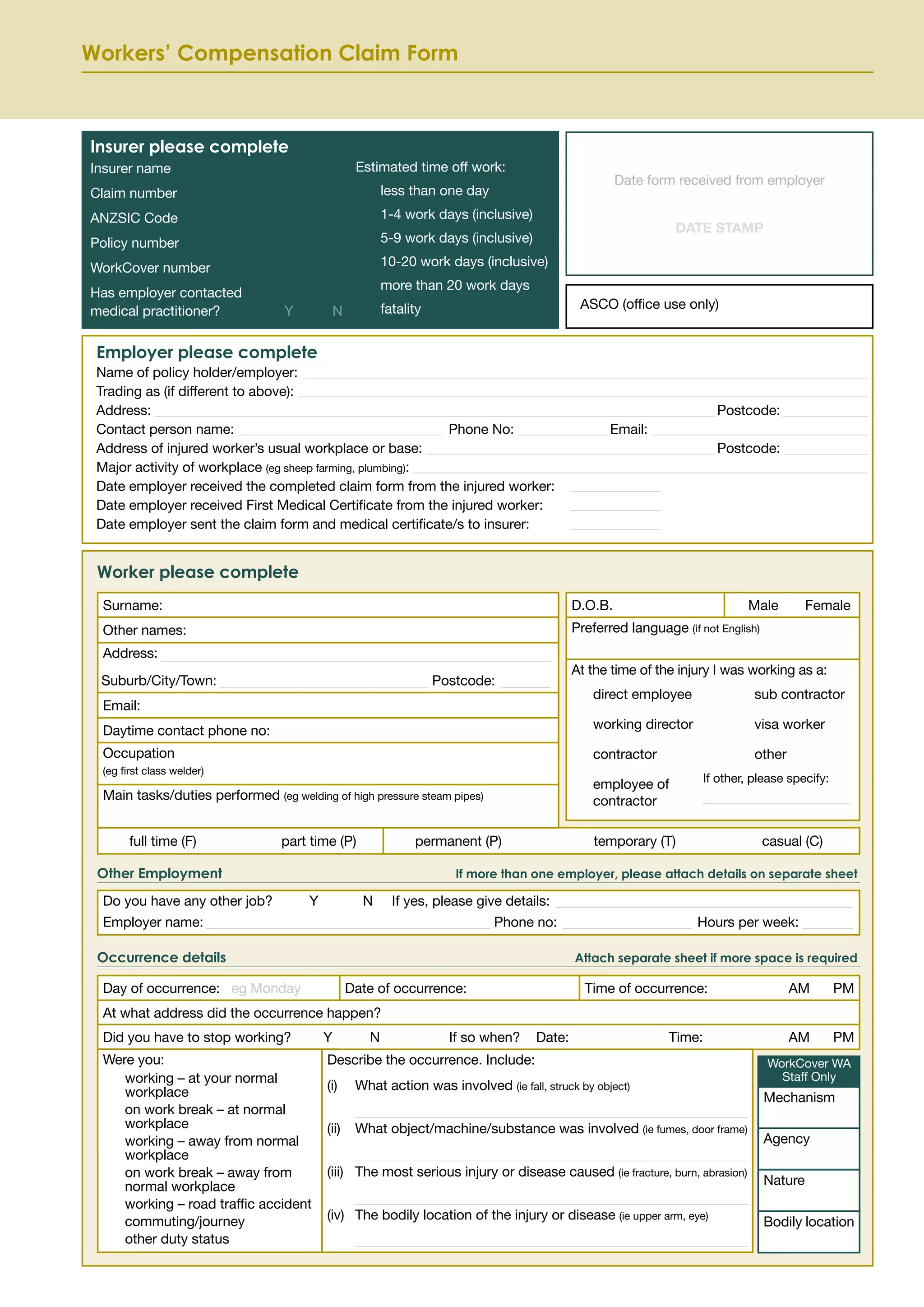
When an injury occurs on the job, the injured worker must notify the employer promptly, typically within 30 days depending on the jurisdiction, though immediate notice is always recommended. Once notified, the employer or supervisor has a legal obligation to initiate the claims process. In many states, employers must file an official First Report of Injury (FROI) form with their insurance carrier and the state workers' compensation board within a tight deadline—sometimes within 48 to 72 hours of receiving notice. This rapid reporting requirement is designed to prevent fraud, ensure timely medical intervention, and prompt the insurer to begin investigating the compensability of the claim.
The Statutory Waiting Period
The statutory waiting period refers to the number of days an employee must be out of work before wage replacement benefits actually begin to accrue. Across many states, this waiting period is set at 3 to 7 calendar days.
| Timeline Concept | Typical Duration / Rule |
|---|---|
| Employee Injury Notice | Immediate to 30 days (jurisdiction dependent) |
| Employer FROI Submission | Often 48 to 72 hours of notice |
| Statutory Waiting Period | 3 to 7 days (retroactive threshold varies) |
| Initial Wage Loss Calculation | Calculated based on Average Weekly Wage (AWW) |
If a state enforces a 7-day waiting period, an employee who misses work for only two days generally will not receive wage replacement benefits for those specific days through workers' compensation. Wage loss benefits are typically only paid for short absences if the disability exceeds a specific threshold, known as the "retroactive period." If an employee remains out of work past that threshold (for example, 14 or 21 days), the insurer may retroactively pay benefits for those initial waiting period days. Therefore, expecting a 2-day wage reimbursement is legally and structurally inconsistent with standard workers' compensation statutory designs.
Eligibility Criteria for Wage Replacement Benefits
Not every workplace injury automatically triggers wage reimbursement. To qualify for temporary disability benefits, an injured worker must meet specific statutory criteria established by state labor codes and insurance regulations.
Employment Status and Coverage
First, the individual must be classified as a covered employee rather than an independent contractor. While statutory definitions vary, most state laws mandate that employers carry workers' compensation insurance for all standard employees, part-time workers, and in some cases, seasonal staff. Independent contractors typically must secure their own coverage or are excluded from standard employer-paid policies.
Medical Certification of Disability
An employer or insurance carrier will not issue wage reimbursement based solely on an employee's word that they cannot work. A treating physician authorized by the employer or the workers' compensation network must formally evaluate the injury and issue a written restriction or total work incapacity order. This medical documentation serves as the foundational proof required to justify time away from work and calculate temporary total disability (TTD) or temporary partial disability (TPD) benefits.
Course and Scope of Employment
The injury or illness must arise out of and in the course of employment. Incidents that occur during standard commuting, unauthorized activities, or while under the influence of prohibited substances are frequently contested. Establishing that the accident happened while performing job-related duties is mandatory for any claim approval, including wage reimbursement.
How Wage Reimbursement Amounts Are Calculated
When an employee qualifies for wage loss benefits, the reimbursement amount is rarely equal to their full gross salary. Instead, state laws dictate a formula designed to replace a specific percentage of the worker's average earnings, subject to statutory minimums and maximums.
Determining the Average Weekly Wage (AWW)
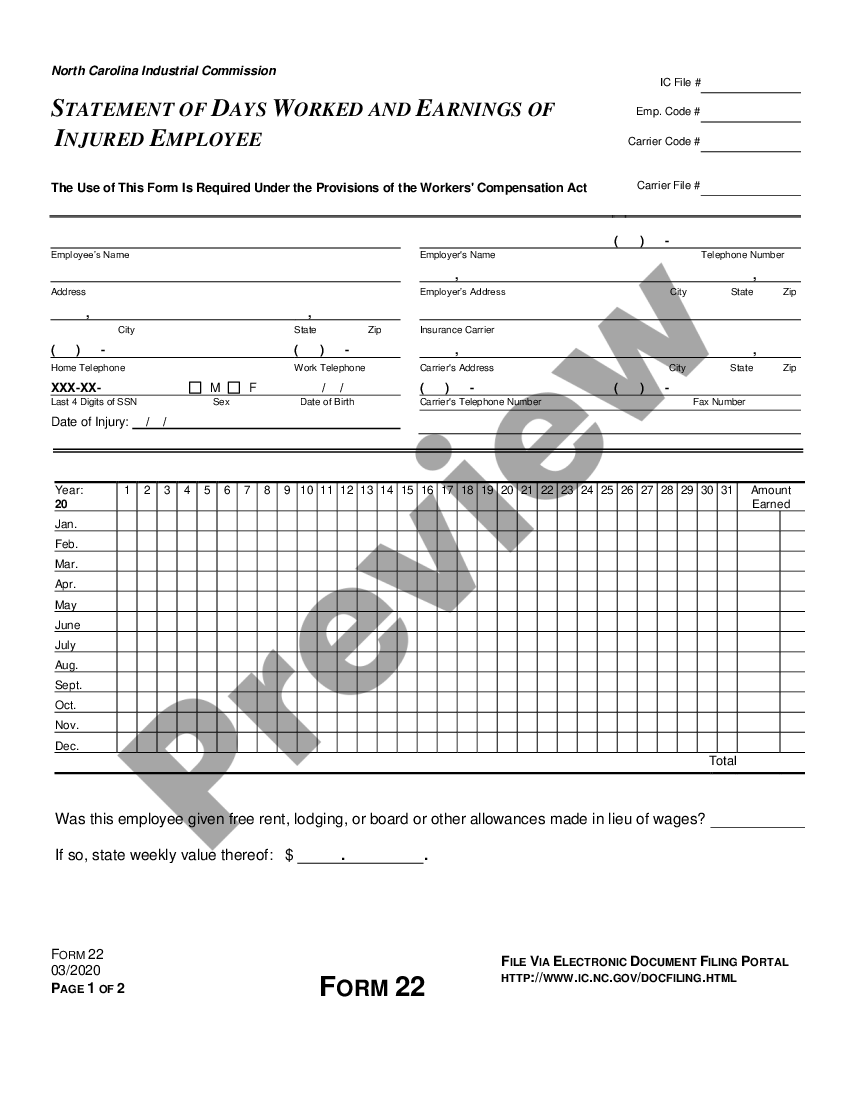
The calculation typically begins with determining the Average Weekly Wage (AWW). Insurers usually review the injured worker's earnings over a historical lookback period—often the 52 weeks prior to the date of injury. This calculation accounts for base pay, overtime, commissions, and sometimes the value of regular board or lodging, divided by the number of weeks worked.
Statutory Replacement Rates
Most jurisdictions set the wage replacement rate at two-thirds (66 2/3%) of the employee's average weekly wage. For example, if an employee earned an average of $900 per week, their temporary total disability benefit would typically be calculated around $600 per week.
- Maximum Caps: State laws impose a ceiling on weekly benefits, often tied to the state average weekly wage (SAWW). High-income earners may find their reimbursement capped below the standard two-thirds percentage.
- Minimum Floors: Conversely, low-income earners are protected by statutory minimum benefit levels, ensuring they receive a viable subsistence amount during recovery.
- Tax-Free Status: Workers' compensation wage replacement benefits are generally exempt from federal and state income taxes, which partially offsets the reduction from gross to net earnings.
Step-by-Step Actions to Secure Wage Loss Benefits
Navigating the administrative workflow correctly minimizes delays in receiving approved financial benefits. Injured workers should follow a disciplined sequence of actions from the moment an incident occurs.
- Report the Injury Immediately: Notify a supervisor, manager, or human resources representative in writing as soon as possible. Adhere strictly to the employer's designated reporting procedures.
- Seek Authorized Medical Treatment: Visit the designated occupational health clinic or physician approved by the employer's insurance program. Obtain a clear, written work status report detailing any restrictions or complete time-off orders.
- Submit Documentation to the Employer and Insurer: Ensure that copies of the medical work slip and formal incident report are transmitted to the insurance claims adjuster managing the file.
- Keep Meticulous Records: Maintain a dedicated folder containing all medical notes, prescription receipts, travel mileage logs for medical visits, and correspondence with the insurance adjuster or employer.
- Follow Treatment Protocols: Attend all scheduled medical appointments and physical therapy sessions. Unexcused missed appointments give insurers grounds to suspend benefits.
Common Pitfalls and Troubleshooting Delays
Even with prompt reporting, injured workers frequently encounter roadblocks that stall wage reimbursement. Identifying these obstacles helps in resolving them effectively.
Missing or Incomplete Medical Documentation
The most common reason for delayed wage benefits is a lack of explicit medical disability notes. If a doctor tells a patient verbally to stay home for two days but fails to document that instruction explicitly on an official work status form, the insurance carrier will deny wage loss for that period. Always verify that the physician's paperwork explicitly states "total incapacity from [Date] to [Date]" or details specific lifting and physical restrictions.
Contested Claims and Investigatory Delays
Insurance carriers possess a legal right to investigate claims before accepting liability. If an employer disputes how the injury occurred, or if there are discrepancies in medical histories, the insurer may issue a temporary notice of delay. During this investigation period, wage payments are paused. Consulting with a qualified workers' compensation attorney becomes essential if a claim faces prolonged investigation or wrongful denial.
Independent Medical Examinations (IMEs)
As a claim progresses, the insurance company may request an Independent Medical Examination (IME) with a physician of their choosing. Failing to attend an IME can result in an immediate suspension of both medical and wage benefits. Injured workers should prepare for these evaluations carefully and consult legal counsel if disputes arise regarding the IME doctor's findings versus their treating physician's restrictions.
Frequently Asked Questions
Can I get paid workers' compensation for missing just two days of work?
In most jurisdictions, short absences of two days fall directly within the statutory waiting period. Unless your state has a zero-day waiting period or your disability extends long enough to trigger retroactive reimbursement, short absences are typically not compensated through workers' compensation wage benefits.
How soon after an injury should my employer report the claim?
Employers are generally required by state law to file an injury report with their insurance carrier within 48 to 72 hours of receiving notice from the employee. Prompt reporting ensures that the administrative review process begins without unnecessary friction.
Are workers' compensation wage reimbursement checks taxable?
Generally, no. Temporary total and temporary partial disability benefits paid under state workers' compensation acts are exempt from federal and state income taxes, meaning your benefit check represents tax-free income.
What should I do if my wage reimbursement check is delayed?
First, contact your insurance claims adjuster to verify that they have received your current medical work status slips. If the delay persists without justification, gather your documentation and consult a licensed workers' compensation attorney to understand your rights regarding penalty filings or expedited hearings.
Next Actions for Injured Workers
If you are currently managing a workplace injury and seeking wage reimbursement, prioritize securing detailed, written medical documentation from an authorized physician that explicitly restricts you from working. Cross-reference your state's specific labor code regarding waiting periods and reporting timelines to understand your exact entitlements. Maintain open, documented communication with your employer and insurance claims adjuster, and do not hesitate to seek professional legal counsel if your benefits are delayed or contested.