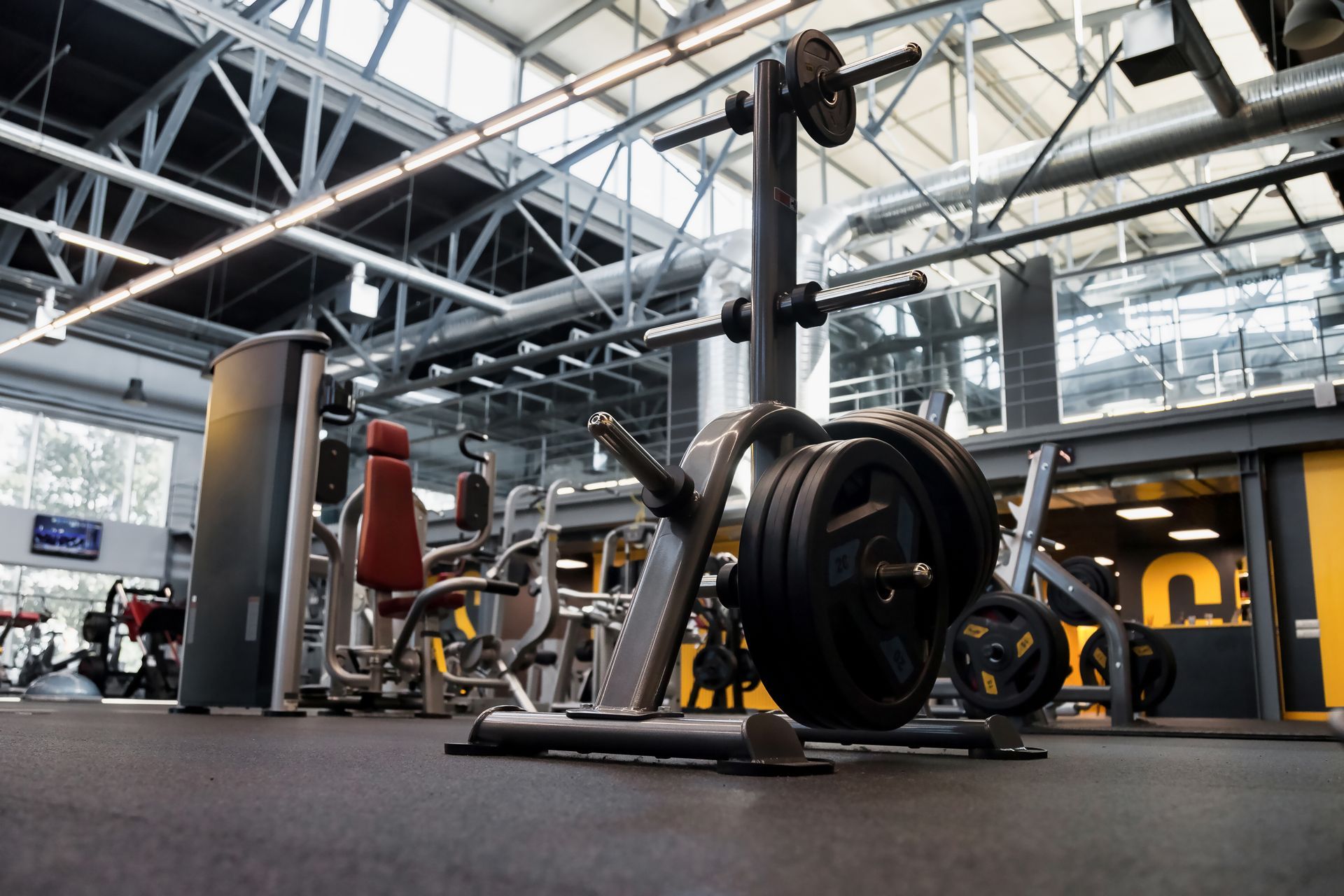
The modern fitness landscape is evolving at an unprecedented pace, driven by shifting consumer demands, advanced wearable technology, and a deeper understanding of holistic health. Rather than focusing solely on traditional bodybuilding or generic cardiovascular exercise, contemporary gym-goers seek personalized, data-backed, and immersive experiences that seamlessly blend physical conditioning with mental wellness and community engagement.
The Evolution of Modern Fitness Culture
The traditional paradigm of the commercial gym—rows of identical treadmills, static weight machines, and a front desk handing out paper membership forms—has undergone a radical transformation. Today's facilities operate less like warehouses for heavy iron and more like comprehensive wellness ecosystems. While the core motivation to exercise remains rooted in health, longevity, and physical capability, the methods used to achieve these goals have diversified exponentially.
This evolution is driven by several macro-level shifts in consumer behavior. Modern members expect flexibility, transparency, and personalization. They view fitness not as a localized task performed for an hour a day, but as an integrated lifestyle choice that impacts sleep, nutrition, recovery, and stress management. Consequently, gym operators are pivoting to address every pillar of physical and mental health under one roof.
Technological Integration and Data-Driven Training
Technology has transitioned from a novel gimmick to the central operating system of the modern fitness experience. Members no longer guess whether their workouts are effective; they demand quantitative proof derived from biometric sensors, algorithmic tracking, and continuous feedback loops.
Wearables and Biometric Synchronization
Smartwatches, chest straps, and continuous glucose monitors (CGMs) have changed how individuals interact with gym equipment. Modern fitness centers now feature gym floors equipped with Bluetooth and ANT+ connectivity, allowing members to sync their personal devices directly to rowers, stationary bikes, and strength-training rigs. This integration allows real-time monitoring of metrics such as heart rate variability (HRV), power output, and caloric expenditure, which are automatically logged into proprietary fitness apps for longitudinal analysis.
Artificial Intelligence and Personalized Programming
Artificial intelligence (AI) has democratized personalized coaching. AI-powered equipment automatically adjusts resistance, repetition ranges, and range of motion based on a user's historical performance, fatigue levels, and specific goals. These systems mitigate the risk of injury caused by improper loading and ensure progressive overload without requiring the constant supervision of an in-person trainer.
Specialized Boutique Concepts vs. Hybrid Giants
The fitness market has bifurcated into two dominant models: hyper-focused boutique studios and massive hybrid mega-gyms that attempt to provide an all-in-one solution for every demographic.
- Boutique Studios: These facilities focus on a single discipline—such as indoor cycling, high-intensity interval training (HIIT), reformer pilates, or martial arts conditioning—with heavy emphasis on community, premium lighting, and immersive audio-visual production.
- Hybrid Mega-Gyms: These large-scale facilities retain traditional weight rooms and cardio decks while adding dedicated zones for functional fitness turf, recovery spas, coworking spaces, and child care. They appeal to consumers looking for maximum value and variety within a single monthly membership fee.
| Facility Type | Core Focus | Typical Membership Cost | Primary Demographic |
|---|---|---|---|
| Boutique Studio | Niche discipline, community, immersive atmosphere | High ($30–$40 per class or $200+ monthly unlimited) | Urban professionals, enthusiasts seeking social connection |
| Hybrid Mega-Gym | Comprehensive amenities, equipment variety, flexibility | Moderate ($50–$150 monthly) | Families, general fitness participants, multi-sport athletes |
| Budget Commercial Club | Low-cost access to standard equipment | Low ($10–$25 monthly) | Price-sensitive beginners, independent trainees |
Recovery and Longevity as Primary Pillars
Perhaps the most significant paradigm shift in recent years is the elevation of recovery from an afterthought to a core component of the training regimen. Modern gym design increasingly prioritizes spaces dedicated to physiological restoration and injury prevention.
Active and Passive Recovery Amenities
- Contrast Therapy: Facilities now frequently incorporate infrared saunas alongside cold plunges or ice baths, capitalizing on the well-documented physiological benefits for circulation, inflammation reduction, and mental resilience.
- Compression and Mobility Zones: Dedicated lounges featuring pneumatic compression boots, percussion massage devices, and assisted stretching stations have become standard offerings rather than luxury upsells.
- Longevity Diagnostics: High-end facilities partner with physical therapists and sports scientists to offer VO2 max testing, body composition scans (such as DEXA or multi-frequency bioimpedance), and movement screenings to establish baseline longevity metrics for members.
Functional Fitness and Open-Floor Architecture
The layout of the modern gym floor reflects a departure from fixed-path exercise machines in favor of open spaces dedicated to functional movement patterns—pushing, pulling, hinging, squatting, carrying, and rotating.
Equipment Shifts
Traditional seated selectorized machines are taking up less square footage, replaced instead by turf zones, sled tracks, kettlebells, battle ropes, gymnastic rings, and modular rigs. This design encourages multi-planar movement, core stabilization, and athletic versatility, catering to both everyday functional strength and specialized athletic preparation.
Small Group Training (SGT)
Bridging the gap between expensive one-on-one personal training and anonymous large-group aerobics classes, small group training has emerged as a revenue driver for gyms and a preferred format for members. These sessions typically cap participants at 6 to 12 individuals, ensuring personalized coaching attention while fostering a collaborative, team-oriented training environment.
Community Building and Digital Ecosystems
Modern gym loyalty is built on community engagement both inside and outside the physical four walls of the facility. Gyms function as social hubs where members build relationships through shared physical challenges, nutrition challenges, and social events.
Concurrently, digital ecosystems extend the gym's reach into the member's home and travel schedule. Branded apps deliver on-demand workouts, nutrition tracking portals, community leaderboards, and booking systems for classes and recovery amenities. This omni-channel approach ensures high retention rates by keeping members engaged even on days they cannot visit the physical facility.
Frequently Asked Questions
What are the main drivers behind current gym design trends?
Current trends are driven by consumer demand for hyper-personalization, data-driven performance tracking, integrated recovery amenities, and community-centric boutique experiences that treat fitness as holistic wellness rather than isolated exercise.
How has technology changed strength training equipment?
Technology has introduced smart resistance systems, automated weight selection, real-time feedback on velocity and form, and AI-driven workout adjustments that optimize progressive overload while minimizing injury risk.
Are boutique fitness studios replacing traditional commercial gyms?
Boutique studios have captured significant market share among urban demographics seeking specialized instruction and community, but large hybrid gyms remain popular by offering broader amenities and lower monthly costs.
Why is recovery infrastructure becoming standard in modern gyms?
Consumers increasingly view recovery tools—such as saunas, cold plunges, and compression therapy—as essential for injury prevention, stress reduction, and longevity, prompting gyms to integrate them into standard memberships.
How do small group training models benefit gym members?
Small group training provides the individualized coaching and accountability of personal training at a fraction of the cost, while leveraging group dynamics to increase motivation and adherence.
Next Actions for Fitness Enthusiasts and Operators
Navigating the modern fitness landscape requires a clear assessment of individual goals or business objectives. For gym-goers, evaluate whether your current facility supports holistic wellness—including recovery, functional movement space, and community—or if a hybrid or specialized boutique model better aligns with your lifestyle. For fitness operators and facility owners, success in the current market depends on moving beyond basic equipment provision to create integrated ecosystems that prioritize data, recovery, and flexible member experiences.