Glucagon-like peptide-1 (GLP-1) is a potent incretin hormone produced primarily in the L-cells of the distal ileum and colon. Its primary functions include stimulating glucose-dependent insulin secretion, suppressing glucagon release, slowing gastric emptying, and promoting satiety through the central nervous system. These mechanisms collectively regulate blood glucose levels and energy homeostasis.
By the year 2026, our understanding of GLP-1 has expanded far beyond its initial role as a simple metabolic regulator. Originally discovered in the 1980s and brought to clinical prominence through the development of GLP-1 receptor agonists (GLP-1 RAs), this peptide is now recognized as a multi-organ signaling molecule. Whether produced naturally in the gut or administered via advanced pharmacological agents like semaglutide, tirzepatide, or the newer triple-agonist retatrutide, GLP-1 exerts influence on almost every major organ system.
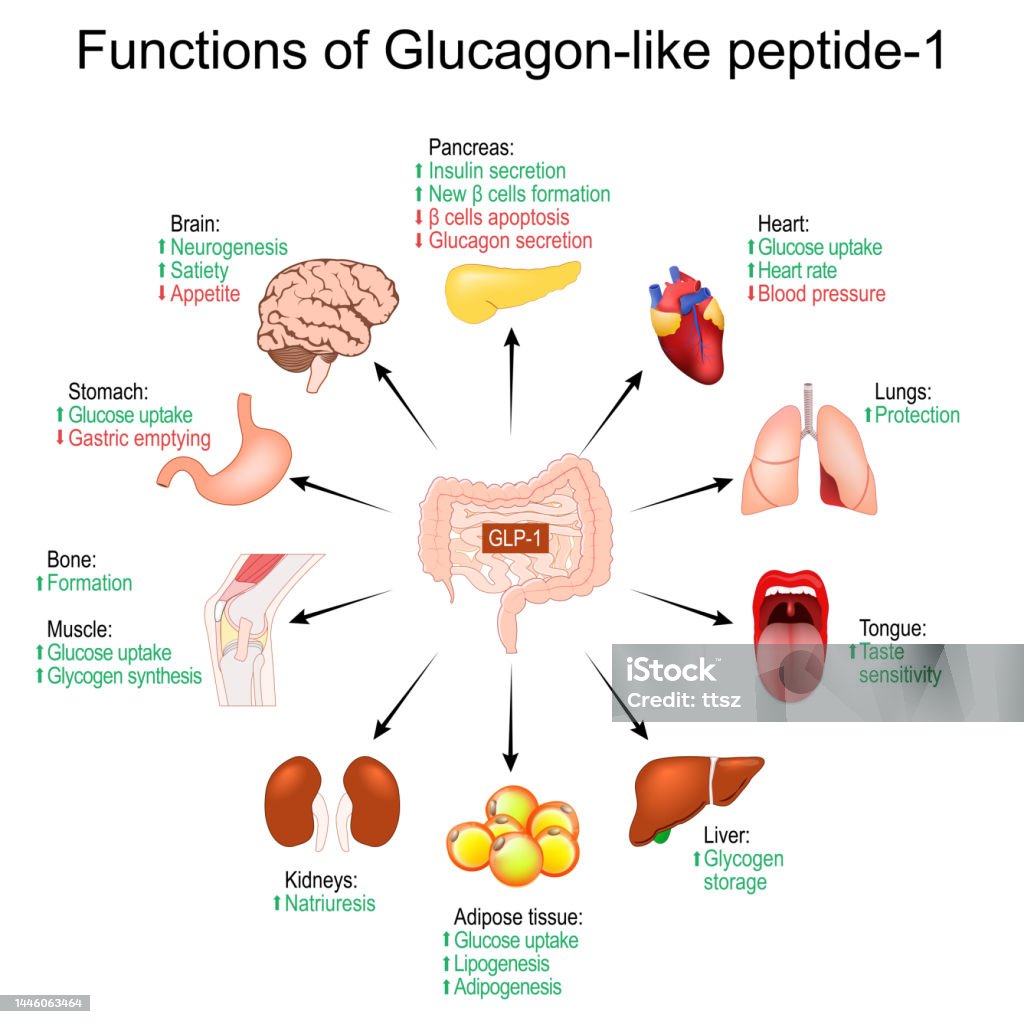
This article provides a deep dive into the 12 essential functions of GLP-1, detailing the physiological mechanisms and the clinical implications for metabolic health, cardiovascular protection, and neurobiology.
1. Glucose-Dependent Insulin Secretion
The most well-known function of GLP-1 is its role in the "incretin effect." When we consume carbohydrates or fats, the gut releases GLP-1, which travels to the pancreas. Once there, it binds to GLP-1 receptors on the beta cells. This binding triggers a cascade of intracellular events, specifically the activation of adenylate cyclase and the subsequent increase in cyclic adenosine monophosphate (cAMP).
What makes this function unique—and clinically vital—is that it is glucose-dependent. GLP-1 does not force the pancreas to release insulin if blood sugar levels are low. It only enhances the insulin response in the presence of elevated blood glucose. This mechanism significantly reduces the risk of hypoglycemia (dangerously low blood sugar), a common side effect associated with older diabetes medications like sulfonylureas.
2. Suppression of Glucagon Release
While GLP-1 stimulates insulin (which lowers blood sugar), it simultaneously inhibits the secretion of glucagon from the pancreatic alpha cells. Glucagon is the hormone responsible for signaling the liver to release stored glucose into the bloodstream.
In individuals with Type 2 diabetes, glucagon levels are often inappropriately high, even when blood sugar is already elevated. By suppressing glucagon, GLP-1 prevents the liver from overproducing glucose during and after meals. This dual action—increasing the "remover" (insulin) and decreasing the "supplier" (glucagon)—creates a highly efficient system for maintaining euglycemia.
3. Regulation of Gastric Emptying
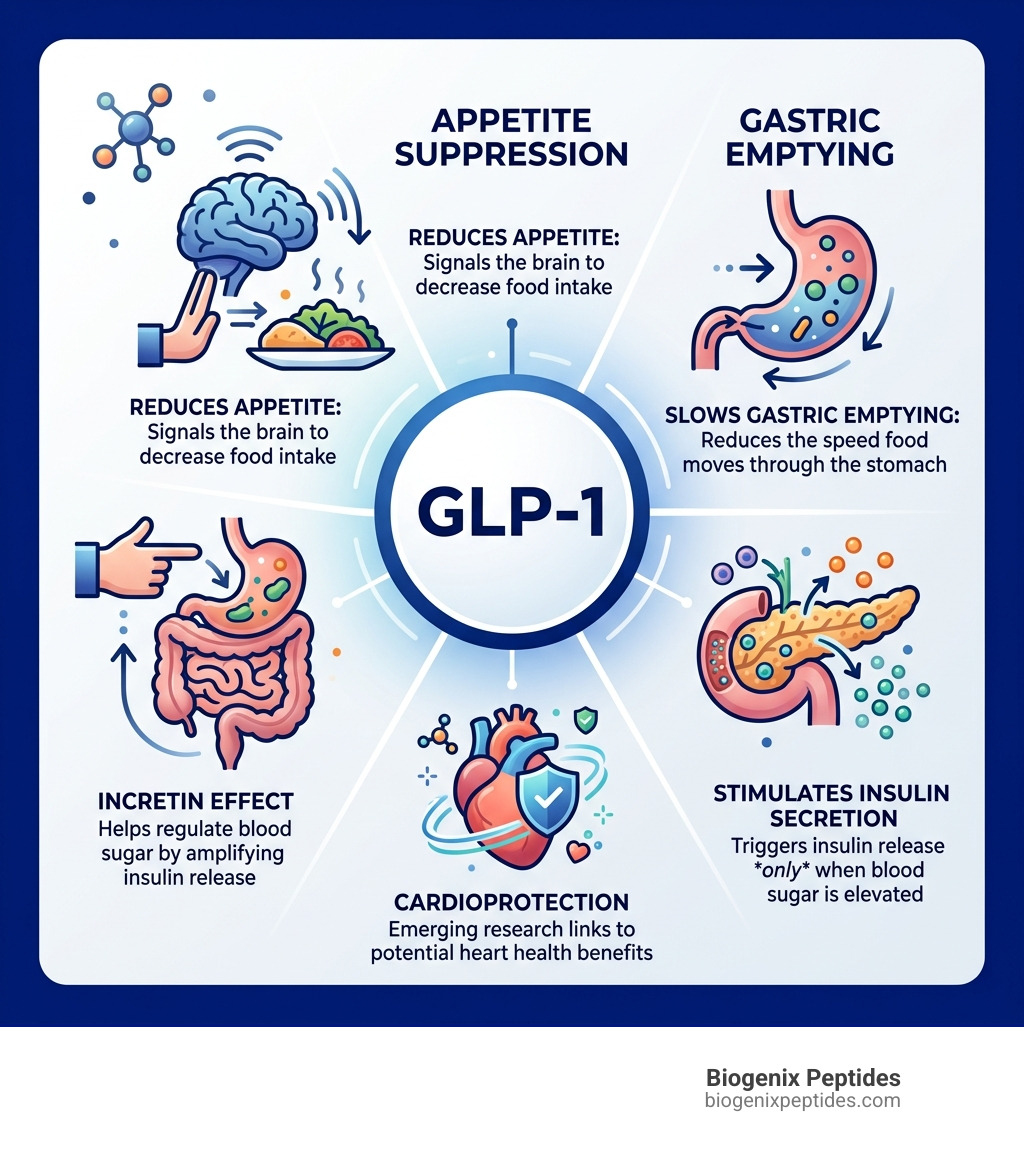
GLP-1 acts as a "pyloric brake." It slows down the rate at which food moves from the stomach into the small intestine. This delayed gastric emptying ensures that nutrients are absorbed more gradually, preventing a rapid spike in postprandial (after-meal) blood glucose.
From a patient perspective, this function is often felt as prolonged fullness. However, it is also the primary reason for the gastrointestinal side effects, such as nausea or bloating, frequently reported during the initiation of GLP-1 therapy. Over time, the body typically adapts to this slowed motility, but the effect remains a cornerstone of how the hormone manages caloric intake and glucose absorption.
4. Central Satiety and Appetite Suppression
Perhaps the most transformative discovery in the field of obesity medicine is the effect of GLP-1 on the brain. GLP-1 receptors are highly expressed in the hypothalamus and the hindbrain, regions responsible for energy balance and reward processing.
GLP-1 influences two distinct pathways:
- Homeostatic Hunger: It signals the hypothalamus that the body has sufficient energy, reducing the biological drive to eat.
- Hedonic Hunger: It modulates the reward system (dopaminergic pathways), reducing "food noise"—the intrusive, constant thoughts about eating and cravings for highly palatable, calorie-dense foods.
This central action is what allows individuals using GLP-1 RAs to achieve significant weight loss, as it shifts the baseline of appetite rather than relying solely on willpower.
5. Cardioprotection and Hemodynamic Improvement
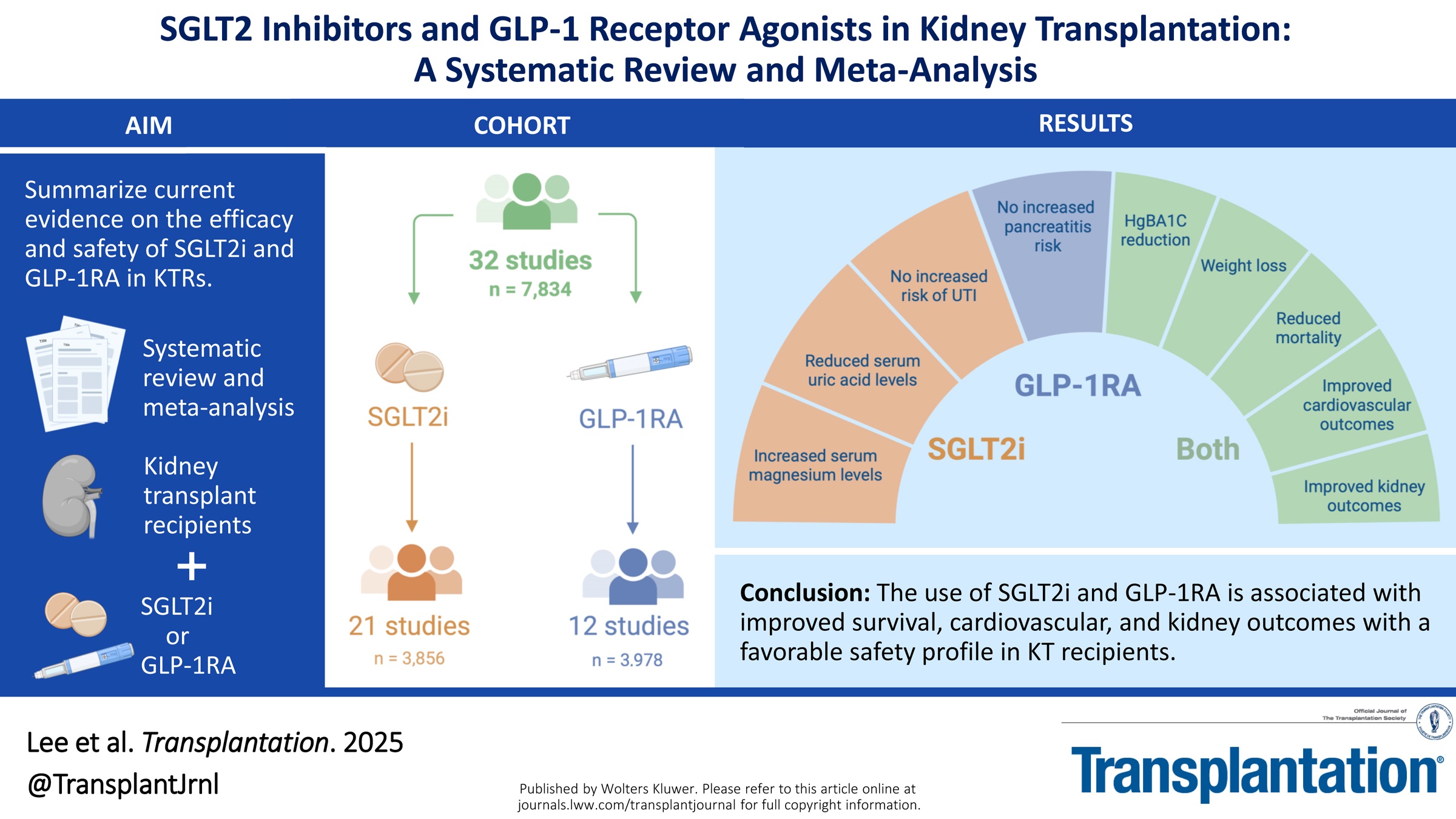
By 2026, large-scale clinical trials such as the SELECT trial have solidified GLP-1’s role in cardiovascular health. GLP-1 receptors are found in the heart and the lining of blood vessels (endothelium).
The hormone facilitates several cardioprotective functions:
- Reduction in MACE: Significant reduction in Major Adverse Cardiovascular Events, including heart attack and stroke.
- Vasodilation: Promoting the relaxation of blood vessels, which can lead to modest improvements in blood pressure.
- Myocardial Efficiency: Enhancing the heart's ability to use glucose as a fuel source, particularly during periods of stress or ischemia.
These benefits are often independent of the weight loss achieved, suggesting that GLP-1 has a direct protective effect on the vasculature.
6. Neuroprotection and Cognitive Preservation
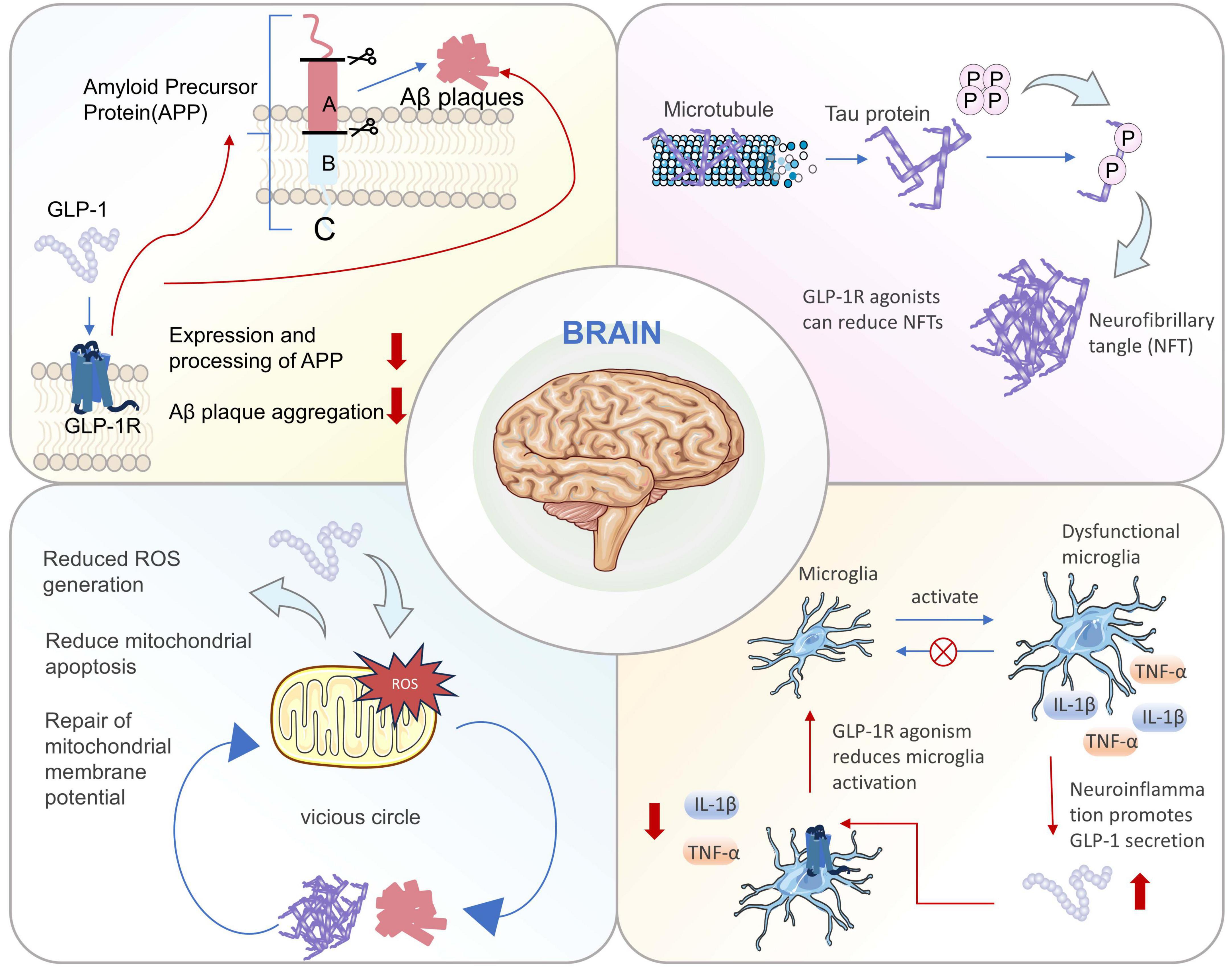
Research into the "gut-brain axis" has revealed that GLP-1 has potent neuroprotective properties. In the central nervous system, GLP-1 helps reduce neuroinflammation, which is a key driver in neurodegenerative diseases.
Current clinical perspectives in 2026 highlight its potential in:
- Alzheimer’s Disease: Reducing the accumulation of amyloid plaques and improving neuronal glucose metabolism.
- Parkinson’s Disease: Protecting dopaminergic neurons from oxidative stress.
- Synaptic Plasticity: Enhancing the communication between neurons, which may support memory and learning.
While the primary use remains metabolic, the neuroprotective function of GLP-1 is one of the most promising frontiers in modern neurology.
7. Renal Protection and Natriuresis
The kidneys are another major site of GLP-1 action. The hormone promotes natriuresis, which is the excretion of sodium through the urine. By helping the body shed excess sodium, GLP-1 assists in lowering blood pressure and reducing the workload on the heart.
Furthermore, GLP-1 helps protect the delicate filtering units of the kidney (nephrons) by reducing oxidative stress and inflammation within the renal tissue. For patients with chronic kidney disease (CKD) and Type 2 diabetes, GLP-1 RAs have become a standard of care to slow the progression toward end-stage renal failure.
8. Hepatic Lipid Management (Liver Health)
GLP-1 plays a critical role in managing how the liver handles fats. It reduces de novo lipogenesis—the process by which the liver creates new fat from sugar.
With the rise of Metabolic Dysfunction-Associated Steatohepatitis (MASH, formerly known as NASH), GLP-1's ability to reduce liver fat content is vital. While GLP-1 doesn't act directly on hepatocytes (liver cells) to a large degree, its systemic effects—lowering insulin resistance and reducing caloric intake—lead to a dramatic reduction in hepatic steatosis (fatty liver).
9. Systemic Anti-inflammatory Effects
Chronic low-grade inflammation is a hallmark of obesity and metabolic syndrome. GLP-1 has been shown to lower systemic inflammatory markers, such as C-reactive protein (CRP) and various pro-inflammatory cytokines.
This anti-inflammatory action is widespread, affecting:
- Adipose Tissue: Reducing the inflammation of fat cells, which improves insulin sensitivity.
- Blood Vessels: Decreasing the formation of atherosclerotic plaques.
- Immune Cells: Modulating the activity of T-cells and macrophages to favor an anti-inflammatory state.
10. Lipid Metabolism and Postprandial Lipemia
Beyond glucose, GLP-1 regulates how the body processes fats after a meal. It inhibits the secretion of chylomicrons—large lipoprotein particles that transport dietary fats from the intestines.
By reducing postprandial lipemia (the rise in blood fats after eating), GLP-1 reduces the "sludge" in the bloodstream that contributes to arterial clogging. This function contributes significantly to the overall reduction in stroke and heart attack risk seen in long-term users of GLP-1 therapies.
11. Skeletal and Bone Metabolism
The relationship between GLP-1 and bone health is complex. While rapid weight loss can sometimes lead to a decrease in bone mineral density, GLP-1 itself appears to have an osteogenic (bone-building) effect.
GLP-1 receptors are present on osteoblasts (cells that build bone). Studies indicate that GLP-1 signaling can increase bone formation and inhibit bone resorption (the breakdown of bone). This is particularly important for aging populations who are at risk for both metabolic disease and osteoporosis.
12. Muscle Glucose Uptake and Thermogenesis
While the primary site of glucose disposal is skeletal muscle, GLP-1 assists this process indirectly. By improving insulin sensitivity and increasing blood flow to the microvasculature of the muscles, GLP-1 ensures that glucose can effectively enter the muscle cells to be used for energy.
Additionally, emerging research suggests GLP-1 may play a role in thermogenesis—the process of heat production in brown adipose tissue (BAT). By potentially increasing the metabolic rate of "brown fat," GLP-1 helps the body burn more calories at rest, though this effect is considered secondary to its appetite-suppressing capabilities.
Comparison of Endogenous GLP-1 vs. Pharmacological GLP-1 RAs
| Feature | Endogenous GLP-1 (Natural) | GLP-1 Receptor Agonists (Medication) |
|---|---|---|
| Half-Life | 1.5 to 2 minutes | Hours to 7+ days (e.g., Semaglutide) |
| Degradation | Rapidly broken down by DPP-4 enzyme | Resistant to DPP-4 degradation |
| Concentration | Low, pulsatile (meal-dependent) | High, sustained therapeutic levels |
| Primary Effect | Maintains daily glucose balance | Significant weight loss and organ protection |
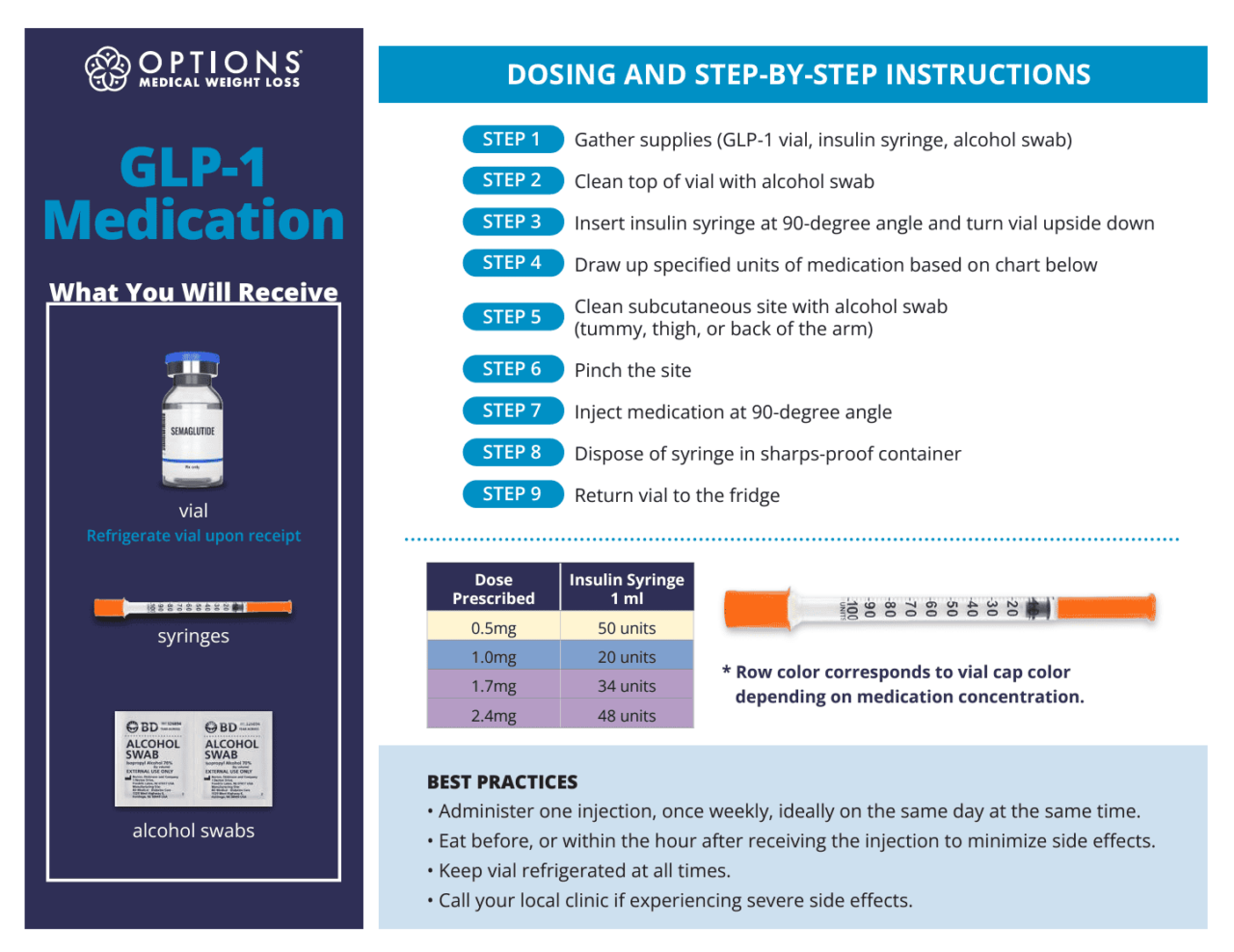
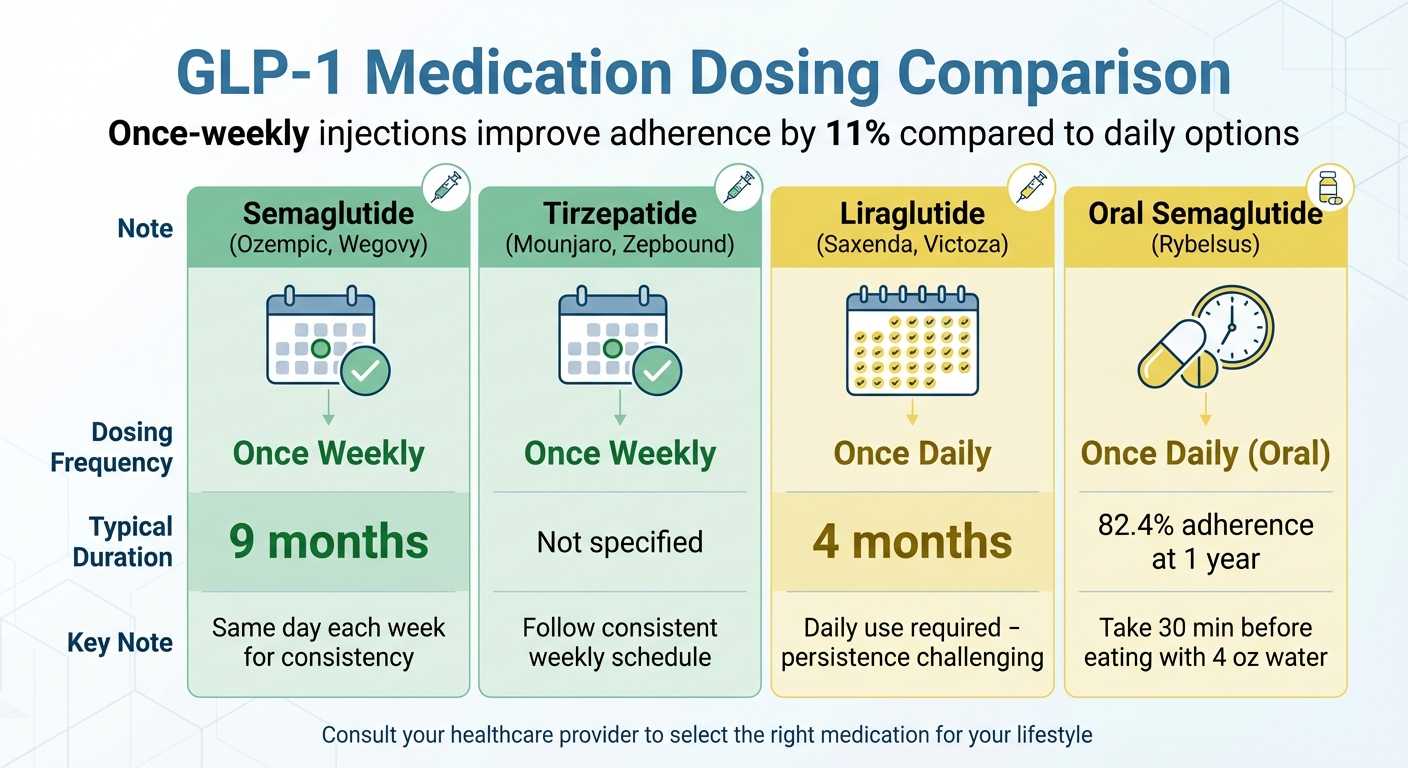
| Administration | Secreted by L-cells in the gut | Subcutaneous injection or oral tablet |
Therapeutic Landscape in 2026
As of 2026, the medical community has shifted toward "precision metabolic health." GLP-1 is no longer just for diabetes; it is used for chronic weight management, cardiovascular risk reduction, and is being aggressively studied for sleep apnea and addiction disorders.
Newer molecules have built upon the 12 functions of GLP-1 by adding agonism for other receptors:
- Dual Agonists (GLP-1/GIP): Such as Tirzepatide, which enhances the metabolic benefits.
- Triple Agonists (GLP-1/GIP/Glucagon): Such as Retatrutide, which targets the 12 functions while also increasing energy expenditure via the glucagon receptor.
Troubleshooting Common Concerns
When utilizing the functions of GLP-1 through medication, patients often encounter hurdles. Understanding the "Why" behind these can help in managing them:
- Nausea and Vomiting: This is a direct result of Function 3 (Gastric Emptying). Eating smaller, more frequent meals can mitigate the feeling of "overfullness."
- Muscle Loss: Rapid weight loss can lead to sarcopenia. To counteract this, a focus on high protein intake and resistance training is essential to preserve the lean mass while GLP-1 handles the fat mass.
- Hydration: Because of Function 7 (Renal Natriuresis), the body may expel more water and salt. Increasing electrolyte and water intake is necessary to prevent dizziness or constipation.
Frequently Asked Questions
Does GLP-1 cause permanent changes to the metabolism?
GLP-1 therapies primarily work while the hormone is present in the system. While they "reset" the appetite set-point during use, most physiological functions return to their baseline levels once the medication is discontinued or if natural GLP-1 production is low. This is why lifestyle modifications remain the bedrock of treatment.
Can you increase GLP-1 naturally?
Yes, certain dietary choices can stimulate the L-cells to produce more GLP-1. High-fiber foods (prebiotics), fermentable fibers, and healthy fats (like olive oil) are known to trigger the release of endogenous GLP-1. However, natural levels rarely reach the concentrations found in pharmacological treatments.
Is GLP-1 safe for the kidneys?
In most cases, GLP-1 is actually protective for the kidneys. As noted in Function 7, it helps with sodium excretion and reduces inflammation. However, in patients with existing severe kidney issues who experience dehydration due to GI side effects, caution is needed.
Why does GLP-1 help with "food noise"?
This is due to Function 4. By binding to receptors in the reward centers of the brain (like the ventral tegmental area), GLP-1 dampens the dopamine spikes associated with thinking about or consuming high-sugar foods, effectively "silencing" the constant mental preoccupation with food.
Does GLP-1 affect sleep?
While not a primary function, many patients report improved sleep. This is often an indirect result of weight loss (reducing obstructive sleep apnea) and improved blood sugar stability, which prevents middle-of-the-night waking due to glucose fluctuations.
Final Recommendation
Understanding the 12 functions of GLP-1 reveals that it is a systemic "master regulator" rather than a niche hormone. For those considering GLP-1 therapy or looking to optimize their metabolic health, the focus should be on a holistic approach. Monitor your protein intake to protect muscle, stay hydrated to support renal function, and work closely with a healthcare provider to titrate dosages slowly. By respecting the complex biological roles of GLP-1, you can maximize its benefits for long-term health and longevity.