Managing a youth, adult rec, or amateur sports tournament requires balancing time, field availability, and team expectations. A 10 team 3 game guarantee bracket is a popular tournament structure that ensures every participant gets ample playing time while still sorting out a clear champion efficiently.
Understanding how a 10-team, three-game-guarantee format works can help tournament directors, coaches, and players navigate scheduling, bracket progression, and elimination rules.
What is a 3-Game Guarantee Tournament?
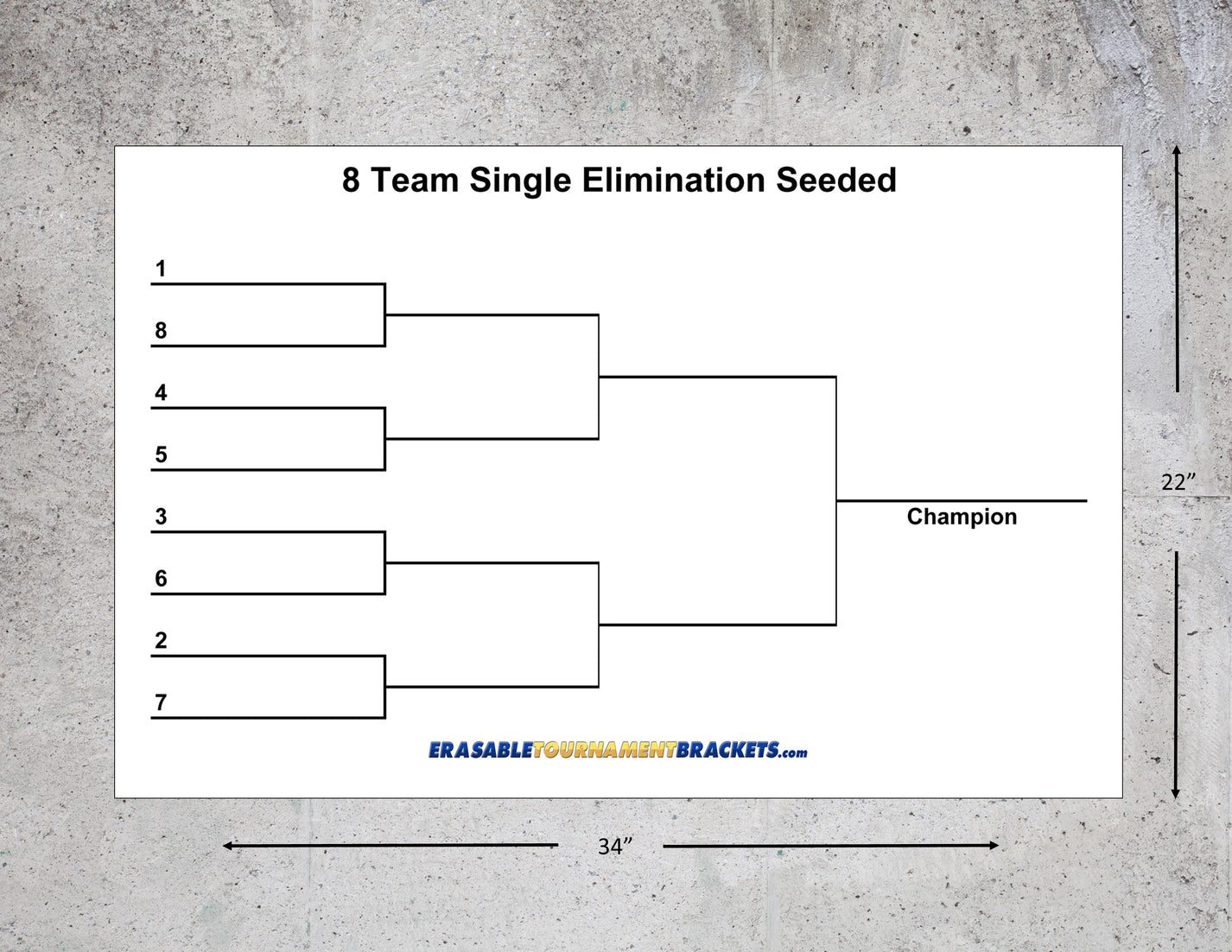
A three-game guarantee tournament ensures that every registered team will play a minimum of three games before being completely knocked out of the competition. This format stands in stark contrast to traditional single-elimination brackets, where half the field goes home after a single loss, and it offers more playing time than a standard double-elimination tournament, which guarantees only two games.
For travel teams, local leagues, and organizations paying entry fees, a three-game guarantee provides maximum value. Teams travel, pay gate or entry fees, and prepare mentally and physically for an event; getting only one or two games can feel like a poor return on investment. By locking in three games, tournament directors make the event more attractive to participants traveling from out of town.
However, accommodating this structure requires significant logistical planning. A 10-team tournament featuring a three-game guarantee means the facility must schedule a high volume of matches within a tight window—usually a single weekend. Balancing field space, umpire or referee availability, and rest periods between games is a primary challenge for tournament coordinators.
The Structural Challenge of 10 Teams
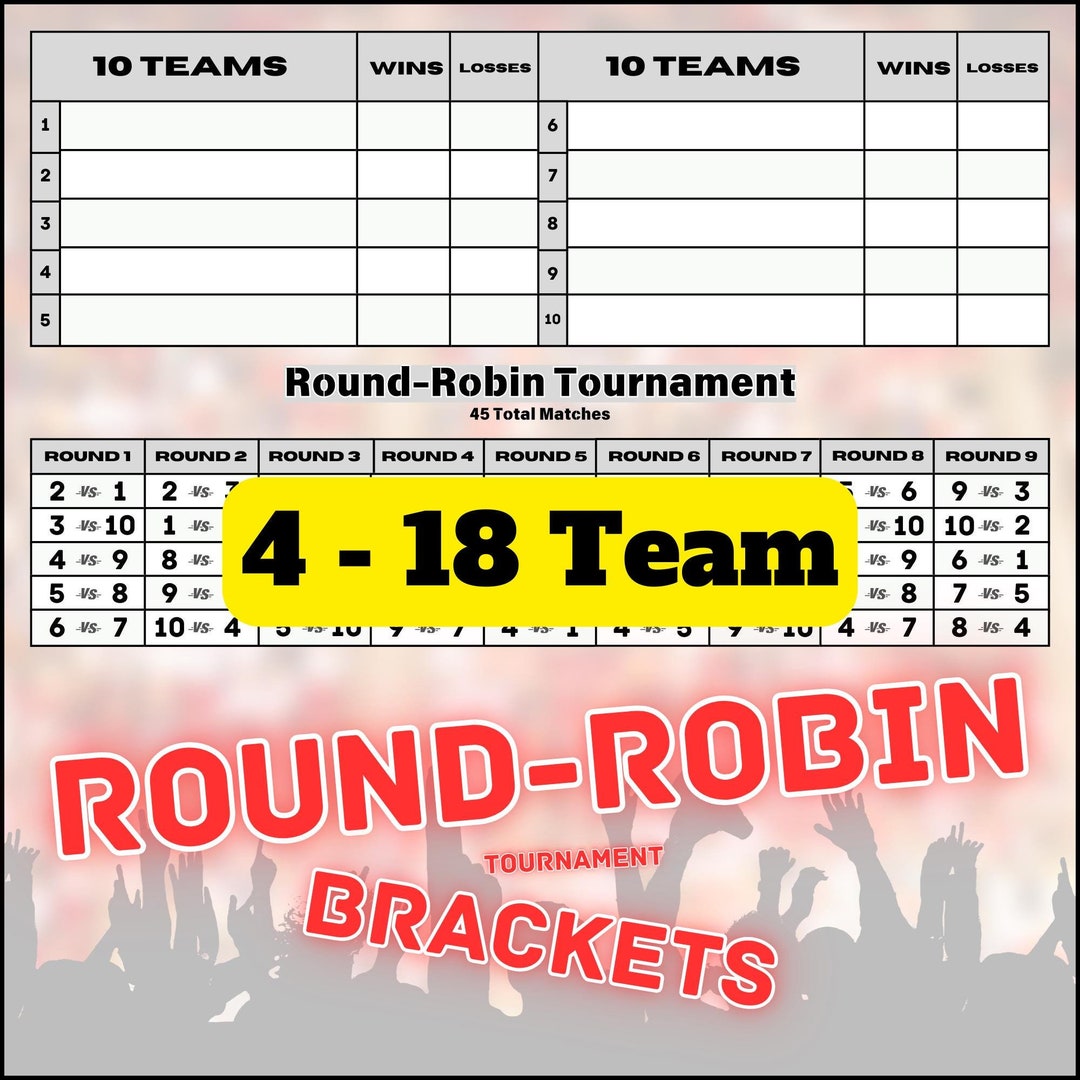
Ten is a notoriously tricky number for tournament brackets. It is not a power of two (such as 4, 8, or 16), which means clean, symmetrical single-elimination trees do not naturally apply. To accommodate 10 teams in a three-game guarantee format, tournament directors must use hybrid structures that combine pool play (round-robin) with double-elimination or consolation brackets.
Because not every team can play an identical number of games without complex round-robin group mathematics, organizers typically split the 10 teams into specific groupings. The most common approach involves preliminary pool play to seed a subsequent bracket, or a structured double-elimination bracket with extensive consolation games for teams that drop into the lower brackets early.
Core Mechanics: How the Format Works
While specific implementations vary by tournament organization (such as USSSA, Amateur Softball Association, or local independent groups), a standard 10-team 3-game guarantee format generally follows a specific developmental pipeline.
Phase 1: Preliminary or Seeding Games
Most 10-team, three-game-guarantee tournaments begin with each team playing two preliminary games. These games serve a dual purpose:
- They fulfill the first two games of the three-game guarantee promise for every team.
- They generate standings (wins, runs allowed, run differential) used to seed the teams into a championship bracket and a consolation or lower-tier bracket.
Phase 2: The Split (Championship vs. Consolation)
After the preliminary round, the 10 teams are typically divided based on their records:
- Top Seeds (e.g., Top 4 or Top 8): Advance to a championship bracket where they continue playing for the title.
- Remaining Teams: Drop into a consolation or "silver/bronze" bracket to play out their remaining guaranteed games.
Because every team is guaranteed three games, a team that goes 0-2 in pool play will enter a consolation matchup that counts as their third game. If they win that third game, depending on the specific bracket design, they may advance further in a secondary bracket, or their tournament run may conclude once the third game is officially logged.
Phase 3: The Double-Elimination or Modified Bracket Finish
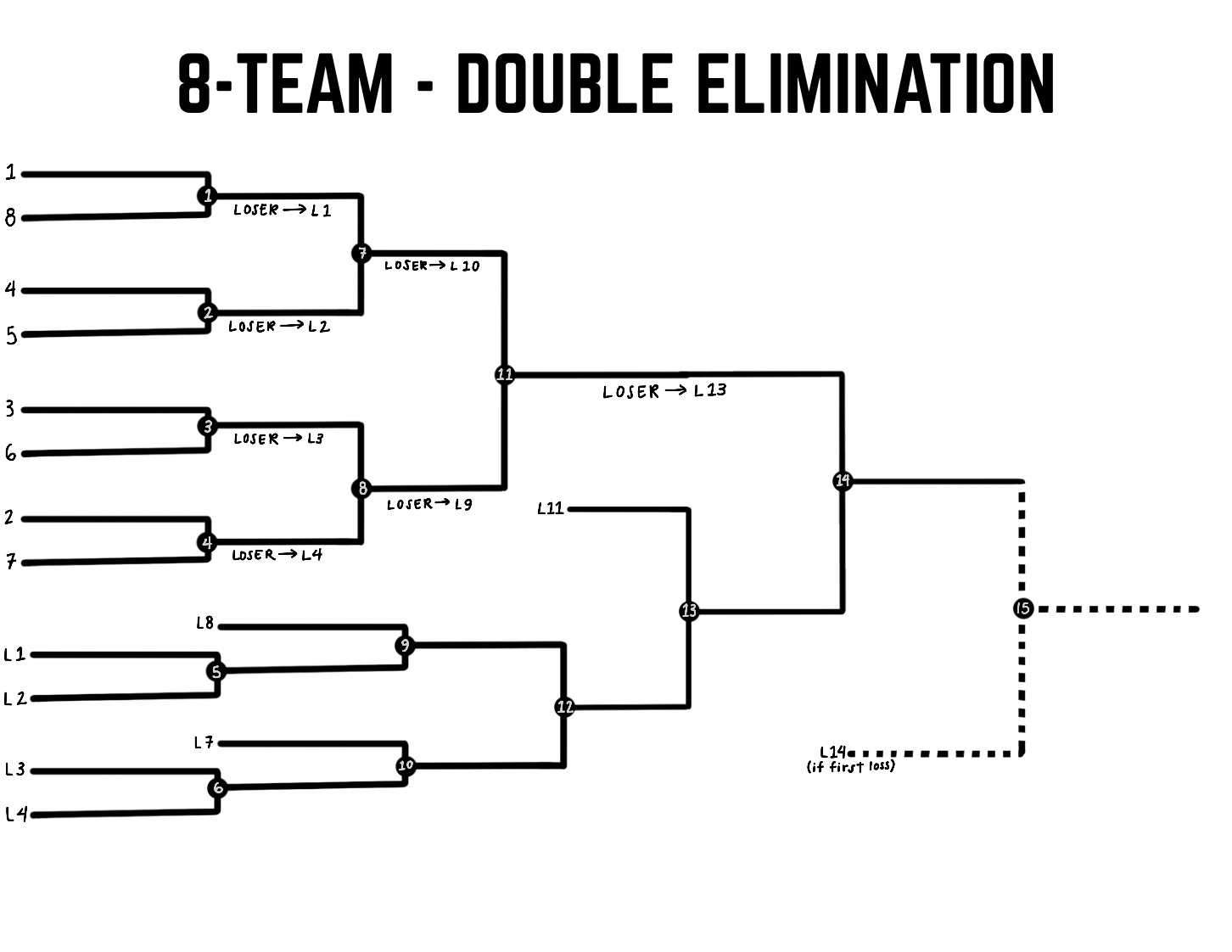
Once the initial seeding and consolation sorting take place, the tournament often transitions into a modified double-elimination format for the upper tiers. In a true double-elimination bracket, a team is only eliminated after suffering their second loss of the tournament.
Because teams already have two games logged from pool play, a loss in the championship bracket must be handled carefully. Sometimes, the pool play losses carry over as the team's first loss in a double-elimination tree, or the tournament transitions into a fresh bracket where losses in pool play are wiped clean, and only losses in the bracket phase count toward elimination. Organizers must clearly state these rules in the tournament packet before the first pitch.
Sample 10-Team 3-Game Guarantee Schedule
To visualize how a weekend event flows, consider the following structural breakdown for a standard 10-team tournament held across a two-day weekend.
| Phase | Description | Number of Games per Team | Cumulative Games Played |
|---|---|---|---|
| Day 1: Pool Play | All 10 teams play 2 games each to establish rankings. | 2 | 20 total games played |
| Day 2: Seeding Sort | Teams seeded 1–10 based on pool play performance. | Varies (1 guaranteed) | 10–15 bracket games |
| Day 3 (if applicable) | Semifinals, finals, and consolation placement games. | Varies by advancement | Final championship games |
Note: Total game counts depend on whether consolation brackets feed into extended play or hard-stop after the third game.
Advantages of the 10-Team 3-Game Guarantee Format
Tournament directors and participating teams gravitate toward this format for several operational and competitive reasons:
- Maximized Value: Teams feel they get their money's worth by playing at least three games instead of facing immediate elimination.
- Fair Seeding: Preliminary pool play ensures that dominant teams rise to the top of the championship bracket, reducing the likelihood of early powerhouse matchups that knock out top contenders prematurely.
- Balanced Competition: By splitting teams into upper and lower tiers after pool play, weaker or developing teams get to play competitive games against opponents of similar skill levels rather than getting blown out by elite programs.
- Engaged Spectacles: Parents and fans stay engaged longer because their team is guaranteed to play multiple times, boosting weekend gate attendance and concession sales.
Disadvantages and Logistical Challenges
Despite its popularity, the 10-team 3-game guarantee format introduces notable hurdles for tournament administrators:
- Field Strain: A 10-team tournament requiring a minimum of 15 to 30 total games places immense demand on available athletic fields or courts. Weather delays can completely derail the schedule.
- Complex Tiebreakers: When 10 teams play only two preliminary games, ties in pool play records (e.g., multiple 1-1 or 2-0 teams) are common. Resolving these ties requires complex tiebreaker systems—such as head-to-head results, runs allowed, run differential, and coin flips—which can cause confusion and friction among coaches.
- Scheduling Bottlenecks: Because teams advance at different rates depending on wins and losses, creating a definitive schedule for Sunday bracket play before Saturday night's results are finalized is nearly impossible. This leaves families and coaches waiting anxiously for game times.
Tips for Coaches and Teams
Navigating a 3-game guarantee tournament requires a specific tactical approach from coaching staffs:
- Manage Pitching and Stamina: In sports like baseball or softball, pitching depth is tested. Even if pool play games "don't count" toward championship elimination directly, coaches must balance saving arms for Sunday with winning games to secure a high seed.
- Understand Tiebreakers: Always ask the tournament director for the exact tiebreaker rules before the event begins. Knowing whether defensive runs allowed takes priority over run differential can change how a coach manages the final innings of a blowout preliminary game.
- Prepare the Mental Game: Players accustomed to traditional single-elimination brackets may struggle with intensity levels during pool play. Coaches must emphasize that every inning matters for seeding purposes.
Conclusion
The 10 team 3 game guarantee bracket strikes a pragmatic balance between competitive fairness and participant satisfaction. By combining initial seeding games with structured bracket play, it ensures that every team travels home having played a meaningful trio of games while still crowning a legitimate champion. While scheduling and tiebreakers require careful management by directors, the format remains a staple of successful amateur sports tournaments.