The 1 recommended oil for your 2012 Chevy Traverse is SAE 5W-30 viscosity grade engine oil that meets the General Motors dexos1 specification. For optimal engine longevity and performance, especially in the 3.6L V6 engine found in this model, a full synthetic formulation is the industry-standard choice to ensure protection across varying temperature ranges and driving conditions.
Maintaining the engine health of a 2012 Chevrolet Traverse requires strict adherence to the manufacturer’s lubrication standards. As this vehicle utilizes a sophisticated 3.6L V6 engine equipped with Variable Valve Timing (VVT) and a timing chain system, the lubrication system plays a critical role in preventing premature wear on sensitive internal components.
Understanding the dexos1 Specification
When General Motors introduced the dexos1 engine oil specification, it was designed to supersede many previous API (American Petroleum Institute) service categories. For your 2012 Traverse, the dexos1 certification is not merely a suggestion; it is a performance requirement.
Oils carrying the official "dexos1" mark have undergone rigorous testing to ensure they provide specific benefits that conventional oils may lack. These include:
- Improved aeration control: Crucial for the hydraulic tensioners used in the timing chain system.
- Enhanced deposit control: Minimizing the buildup of sludge and varnish on critical engine surfaces.
- Better oxidation resistance: Ensuring the oil maintains its protective properties over the entire duration of the oil life monitor’s cycle.
- Seal compatibility: Specifically formulated to work with the elastomeric seals used in GM engines of that production era.
By selecting an oil that is officially licensed as dexos1, you ensure that the lubricant has been tested by an independent third party and verified by GM to meet the precise demands of your vehicle’s engine architecture.
SAE 5W-30 Viscosity: The Engineering Balance
The viscosity grade 5W-30 is a multi-grade oil. The "5W" denotes the oil's flow characteristics at cold temperatures (the "W" stands for Winter), ensuring the oil remains thin enough to circulate instantly upon cold starts. The "30" represents the viscosity at operating temperature, providing a stable film of protection when the engine reaches its standard working heat.
In the 2012 Chevy Traverse, this specific balance is vital. If an oil is too thick during cold starts, it can starve the upper cylinder head of lubrication, leading to increased wear on the camshafts. If it is too thin at operating temperatures, it may not maintain the necessary pressure to actuate the Variable Valve Timing components correctly. Sticking to 5W-30 maintains the exact hydraulic pressure parameters the engine control module expects.
Full Synthetic vs. Conventional Oil
While the 2012 owner's manual may have been written during a time when synthetic blends were common, the industry has evolved significantly by 2026. Full synthetic oil is the most recommended choice for the 3.6L V6 engine in the Traverse for several technical reasons:
- Thermal Stability: Synthetic oils are engineered to be more uniform at the molecular level, meaning they do not break down as easily when exposed to the high internal heat of the combustion chamber.
- Cleaner Performance: Because they have fewer impurities than conventional mineral oils, full synthetics leave behind significantly less carbon residue and sludge. This is particularly important for the direct injection fuel system used in the 2012 Traverse, which can be prone to intake valve deposits.
- Extended Protection: Synthetic oils hold their lubricating properties longer, which provides a safety margin if you happen to drive slightly past your next scheduled oil change interval.
Oil Change Intervals and the Oil Life Monitor
The 2012 Chevy Traverse is equipped with an Oil Life Monitoring (OLM) system. This is not a simple mileage counter; it is a sophisticated algorithm that tracks engine revolutions, operating temperatures, and driving patterns.
It is a common misconception that the OLM system should be ignored in favor of a flat 3,000-mile interval. Modern full synthetic dexos1-rated oils are designed to last far longer than the traditional 3,000-mile threshold. By following the OLM system, you are optimizing the use of high-quality oil while reducing environmental impact and minimizing maintenance costs. However, even if the system has not triggered, it is widely considered best practice to perform an oil change at least once every 12 months, regardless of the distance traveled, to mitigate the effects of moisture buildup and acid contamination within the crankcase.
Comparing Engine Oil Requirements
| Feature | Requirement | Benefit |
|---|---|---|
| Viscosity | SAE 5W-30 | Optimal cold-start flow and heat-load protection. |
| Specification | GM dexos1 Gen 3 | Ensures chemical compatibility and wear protection. |
| Oil Type | Full Synthetic | Superior resistance to high heat and sludge formation. |
| Typical Capacity | 5.5 Quarts (approx.) | Maintains proper pressure and cooling of internal parts. |
Note: Always verify the exact fluid capacity for your specific VIN using the dipstick, as variations can occur based on filter size and drainage conditions.
Essential Maintenance Steps for the 2012 Traverse
When you prepare to perform an oil change, there are several procedural steps that go beyond simply choosing the right oil. Using the correct components is just as important as the fluid itself.
1. Filter Quality
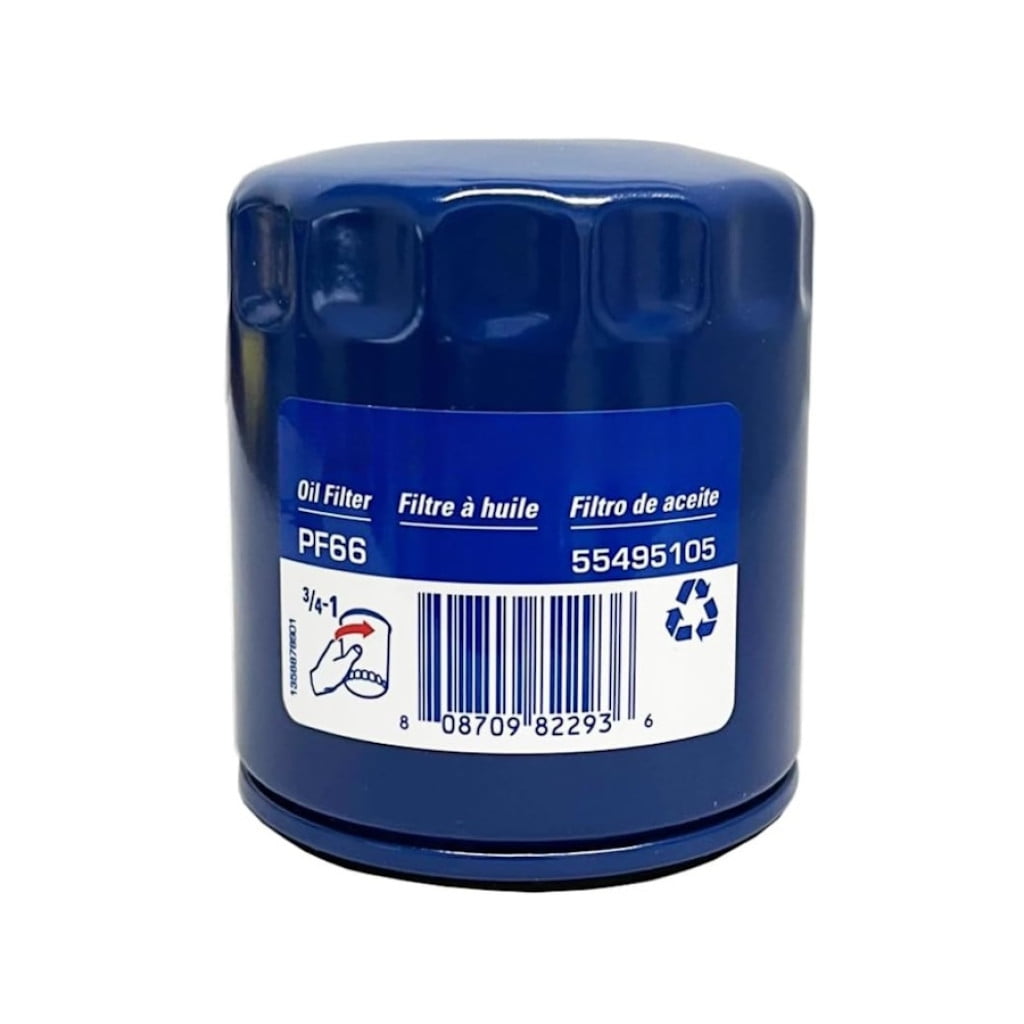
The oil filter serves as the only defense against debris circulating within the engine. For the 3.6L engine, utilize a high-quality filter with a robust bypass valve and high-efficiency synthetic filter media. Cheap or generic filters may fail to filter effectively or can collapse under pressure, causing a significant reduction in oil flow to the engine bearings.
2. The Drain Plug and Gasket
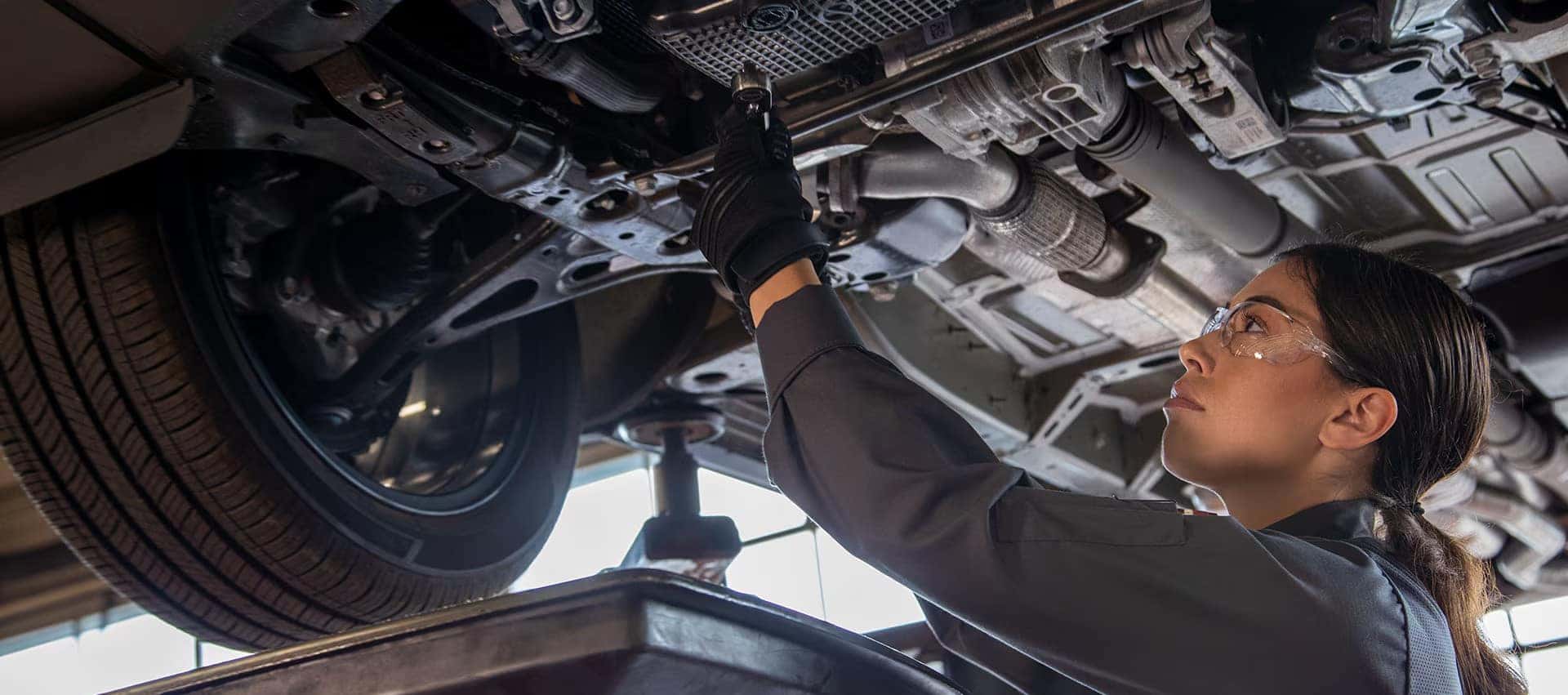
The oil drain plug on the 2012 Traverse typically uses a crush washer or a built-in rubber seal. Do not reuse a deformed or flattened gasket, as this is a primary cause of slow oil leaks. When reinstalling the plug, avoid over-torquing, which can strip the threads in the oil pan—a repair that is significantly more expensive than the oil change itself.
3. Monitoring the Oil Level
Because the 3.6L V6 engine operates under high internal pressures, it is standard practice to check the oil level every few thousand miles, even if you do not suspect a leak. Proper oil levels ensure the timing chain components stay fully submerged in oil, which is a known focal point for maintenance in this vehicle generation.
Troubleshooting and Common Questions
How can I tell if an oil bottle is dexos1 approved? Look for the dexos1 logo—a stylized "d" with a starburst—on the front of the bottle. If the label does not feature this logo, the manufacturer has not paid for the certification, and you cannot be certain it meets the stringent GM standards required for your Traverse.
Is it safe to switch from conventional to synthetic oil? Yes. In a 2012 vehicle, there is no risk in switching to full synthetic. It will not cause leaks; in fact, the superior cleaning agents in synthetic oil can sometimes help clear out minor deposits left behind by conventional oils.
What happens if I use the wrong viscosity, like 10W-40? Using a higher-viscosity oil can lead to increased fuel consumption, sluggish engine startup in cold weather, and improper operation of the VVT solenoids, which may trigger a Check Engine light.
Does high mileage affect my oil choice? Once your Traverse hits higher mileage (typically over 100,000 miles), you may consider a "High Mileage" full synthetic 5W-30. These oils often include extra conditioning agents that help swell older, hardened rubber seals to prevent minor seepages.
Can I reset the Oil Life Monitor manually? Yes. Typically, this is done by turning the ignition to "On" (without starting the engine) and fully depressing the accelerator pedal three times within five seconds. You should see the system flash or reset on the instrument cluster. Check your specific owner's manual for confirmation on your trim level's interface.
Professional Advice and Safety Limitations
While changing your own oil is a rewarding and cost-effective maintenance task, always prioritize safety. Ensure the vehicle is parked on a level surface and supported by proper jack stands. Never rely on a hydraulic jack alone. If you are unsure about the condition of your engine or if you notice metal shavings in the drained oil, consult a certified mechanic. Persistent engine noises or warning lights related to oil pressure are significant indicators of potential mechanical failure that a simple oil change will not rectify.
For your 2012 Chevy Traverse, the combination of 5W-30 full synthetic oil meeting the dexos1 specification is the most effective way to protect your investment. Regular maintenance according to the vehicle’s OLM system, combined with high-quality filtration, will ensure the 3.6L engine continues to operate reliably.