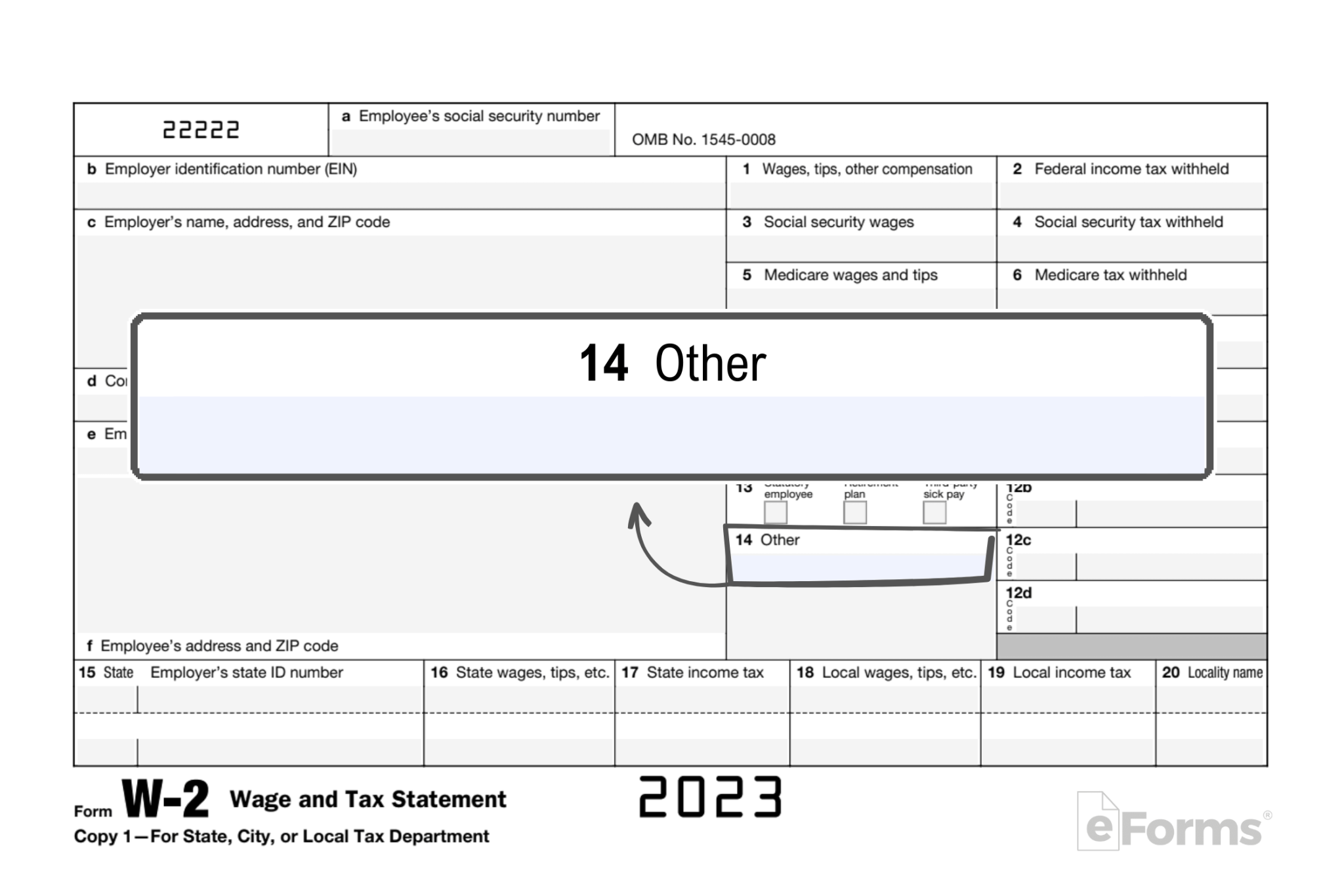
It is a common misconception that federal adjusted gross income (AGI) appears directly on a W-2 form. In reality, the W-2 document does not list your AGI; rather, it provides specific components of your compensation, such as wages, tips, and other reportable income, which you must later use to calculate your AGI on your annual federal income tax return.
Why Your W-2 Does Not Directly Show AGI
Taxpayers often search for their AGI on their W-2 because they are preparing to file their taxes or need to verify their identity with the Internal Revenue Service (IRS). It is critical to understand the technical distinction between the information provided by your employer and the information required by the tax authorities to determine your total tax liability.
The Form W-2, Wage and Tax Statement, is an information return issued by employers. Its primary purpose is to report the income paid to an employee and the taxes withheld from that income throughout the calendar year. AGI, by contrast, is a calculation derived from your total income—not just what you earned from a single employer—minus specific "above-the-line" deductions.
Because your employer does not know your entire financial picture—such as income from side businesses, investment dividends, interest earned in bank accounts, or alimony payments—they cannot calculate your AGI. Therefore, the W-2 serves as one piece of a much larger puzzle that you must assemble on your Form 1040, U.S. Individual Income Tax Return.
The Role of Form W-2 in Your Tax Calculation
To understand why the W-2 is insufficient for calculating AGI, you must look at what it actually contains. Box 1 of your W-2 reflects your "Wages, tips, other compensation." This figure is the starting point for your income calculations, but it is not the final number the IRS uses to determine your tax bracket.
When you sit down to file your tax return in 2026, you will take the information from Box 1 (and any other boxes representing different types of income) and transfer it to the income section of your Form 1040. From there, you will add other forms of income, such as:
- Investment Income: Interest from savings accounts, dividends from stocks, and capital gains from the sale of assets.
- Business Income: Net profit or loss from freelance work, sole proprietorships, or rental properties.
- Retirement Distributions: Any taxable portions of pensions, annuities, or traditional IRA withdrawals.
- Other Sources: Prizes, gambling winnings, or unemployment compensation.
Once you have summed these various income streams, you arrive at your "Total Income." It is only after you subtract specific adjustments—often referred to as "adjustments to income"—that you finally arrive at your Adjusted Gross Income.
Distinguishing Income Components on Form W-2
While the W-2 does not show AGI, it contains several fields that are vital for your tax preparation. Understanding these codes helps ensure that you do not incorrectly report your wages when calculating your AGI.
| W-2 Box Number | Label | Purpose |
|---|---|---|
| Box 1 | Wages, tips, other compensation | The primary amount of taxable income paid by the employer. |
| Box 2 | Federal income tax withheld | The amount already paid to the IRS toward your tax liability. |
| Box 3 | Social Security wages | The total wages subject to Social Security tax (subject to a cap). |
| Box 5 | Medicare wages and tips | The total wages subject to Medicare tax (no wage cap). |
| Box 12 | Various Codes | Reports deferred compensation, health benefits, or other specific tax items. |
When you are preparing your tax documents, you will primarily use the figure in Box 1 to begin your income tally. Boxes 3 and 5 are generally only relevant for calculating Social Security and Medicare taxes, which are distinct from the income tax calculation used to determine your AGI.
How to Calculate AGI Using Your W-2 and Other Records
Since there is no "quick way" to find AGI on the W-2 itself, the process requires gathering all necessary documents to complete the calculation on your tax return. To arrive at your AGI, you must perform the following logical steps:
- Consolidate Your Income: Start with the sum of all your W-2 forms for the tax year. Add to this any 1099 forms you received (such as 1099-NEC for freelance work, 1099-INT for bank interest, or 1099-DIV for investment dividends).
- Add Non-Documented Income: Ensure you include any income that may not have been reported on a formal tax form but is still taxable, such as small cash tips or side-gig income not meeting the reporting threshold.
- Subtract Adjustments: Once you have your "Gross Income," look for "Adjustments to Income." These are deductions you can take regardless of whether you itemize your deductions or take the standard deduction. Examples include contributions to a traditional IRA, student loan interest payments, or health savings account (HSA) deductions.
- Result: The resulting number is your AGI.
This final figure is what the IRS uses to determine your eligibility for various tax credits, such as the Child Tax Credit or the Earned Income Tax Credit, and to determine the phase-out levels for certain deductions.
Troubleshooting Identity Verification
If your primary motivation for finding your AGI is to verify your identity on the IRS website or through tax software, you are likely being asked to provide the AGI from your previously filed tax return. This is a common security measure used to authenticate taxpayers.
If you have forgotten your AGI from the previous year, you have several options:
- Review Your Prior Return: The most reliable way to find your AGI is to look at the copy of your tax return from the previous filing year. On the 2025 Form 1040 (filed in 2026), your AGI is found on line 11.
- IRS Account Access: If you have an online account with the IRS, you can log in to view your tax records. The "Tax Records" tab will allow you to see transcripts of your past filings, which clearly state your AGI.
- Request a Transcript: If you cannot access your account online, you can request a "Tax Return Transcript" by mail. This document is an official summary of your tax return and includes the AGI line item.
- The Zero Option: If you did not file a tax return in the previous year, or if your prior-year return has not yet been processed, the correct answer for identity verification is often "0."
Common Misconceptions Regarding W-2 Data
Taxpayers frequently confuse "Gross Pay" with "Adjusted Gross Income." Gross Pay is the total amount you earned before taxes, benefits, and other payroll deductions are taken out. Your W-2 Box 1 figure is often less than your actual gross pay because it excludes pre-tax contributions, such as those made to a 401(k) retirement plan or certain health insurance premiums.
Because these contributions were removed before the W-2 was generated, they are technically already factored into the calculation that influences your AGI. This is why you should not attempt to adjust your Box 1 salary manually without careful reference to the IRS instructions for Form 1040. Trying to "correct" your W-2 information based on your paystubs often leads to errors that trigger automated notices from the IRS.
Professional Advice and Limitations
While this guide provides the necessary context for understanding your income reporting, tax laws are subject to change and individual financial situations can vary significantly. If you have complex income streams, own a business, or have significant foreign assets, the calculation of AGI becomes much more intricate.
The information provided here is for educational purposes and does not constitute formal tax or legal advice. If you are uncertain about how to report your income or are struggling to locate the figures required for identity verification, it is advisable to consult with a Certified Public Accountant (CPA), an Enrolled Agent (EA), or a qualified tax professional. These individuals can help you interpret your tax documents and ensure that your filings are accurate and compliant with the latest IRS regulations for the 2026 tax season.
Frequently Asked Questions
Can I use my W-2 to verify my identity on the IRS website? No, the IRS does not use your W-2 to verify your identity. They typically ask for the AGI from your previously filed tax return. Your W-2 does not contain your AGI, so it cannot be used for this specific authentication process.
What happens if I enter the wrong AGI during tax filing? If you enter an incorrect AGI while using tax software to e-file, the IRS will reject your return. You will need to obtain the correct AGI from your previous year's tax transcript or a saved copy of your prior return before you can successfully submit your electronic filing.
Why does the IRS need my AGI for security? Your AGI is used as a "shared secret." Because only you and the IRS have access to the specific, verified data on your previous tax returns, it serves as a robust mechanism to prevent identity thieves from filing fraudulent returns in your name.
Is my "Box 1" amount my total taxable income? Box 1 represents the taxable wages reported by your employer, but it is rarely your total taxable income. You must include all other sources of income—such as interest, dividends, and freelance earnings—to determine your actual total taxable income.
What should I do if I cannot find my previous year's tax return? You should request a "Tax Return Transcript" from the IRS via their official website. This service is free and provides the exact AGI figure needed for identity verification. Avoid third-party websites that promise to "find" your tax information for a fee, as these may pose security risks.
Does my employer report my AGI to the IRS? No. Your employer reports your wages and withholdings to the Social Security Administration, which then shares that data with the IRS. Your AGI is a personal calculation that is finalized only when you submit your individual tax return.
Next Steps for Accurate Filing
To ensure your tax affairs are handled correctly, start by gathering all your W-2s and 1099s as soon as they arrive in January and February 2026. Keep these documents in a secure, organized folder. If you are preparing to file, locate your 2025 tax return immediately. Having that document in front of you will save you significant time during the identity verification process. If you find that your previous return is missing, prioritize requesting your official tax transcript from the IRS website to ensure you have the precise AGI required to complete your current filing.