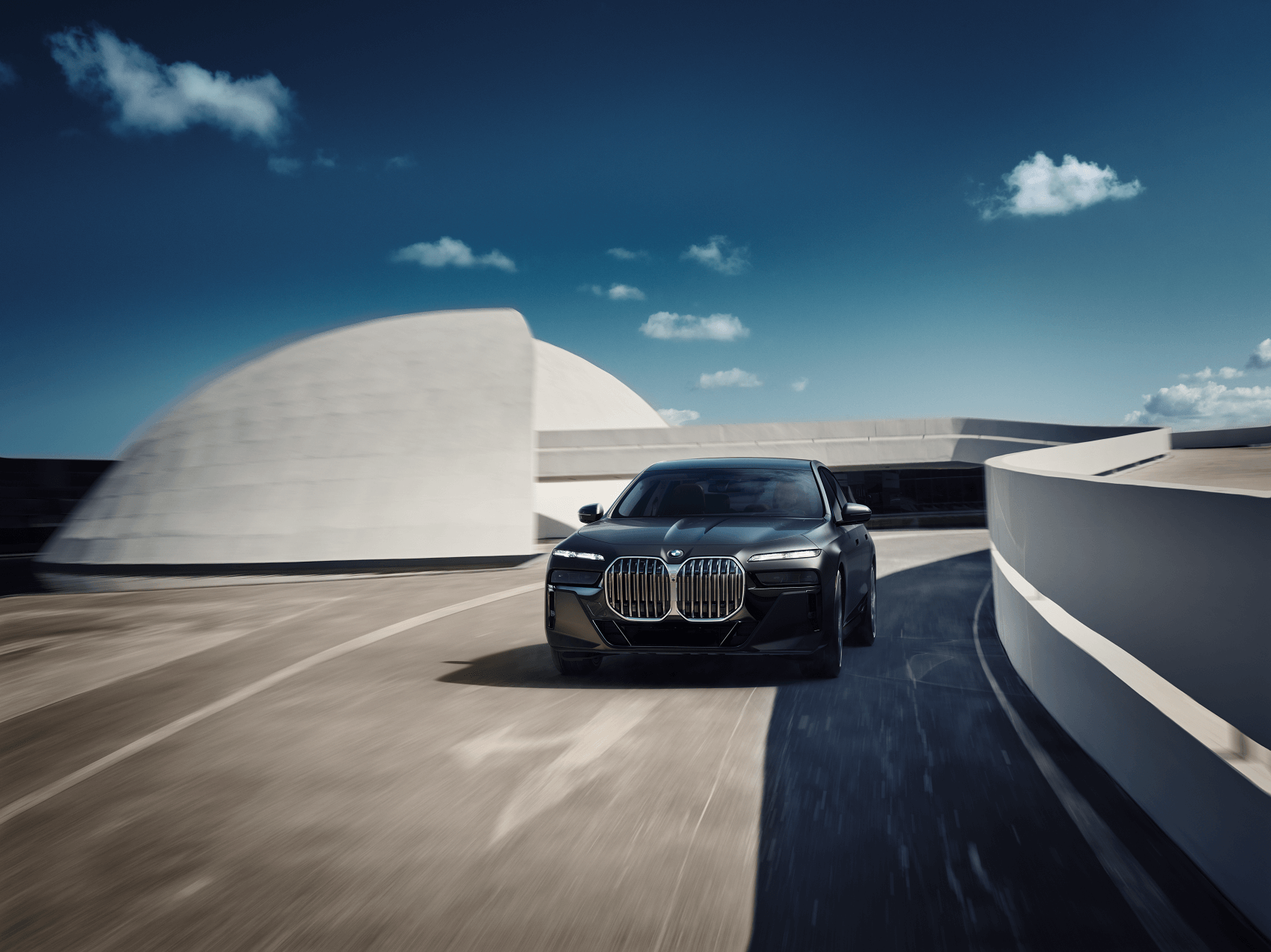
The BMW 7 Series diesel remains a benchmark in the luxury sedan segment, combining massive torque with exceptional long-range efficiency. In 2026, the lineup is headlined by the 740d xDrive, utilizing a sophisticated 48V mild-hybrid system and a 3.0-liter inline-six engine to deliver a refined, high-performance driving experience suited for transcontinental travel.
The Evolution of the BMW 7 Series Diesel
The journey of the diesel-powered 7 Series is a testament to BMW’s "EfficientDynamics" philosophy. Historically, the diesel variants were often overshadowed by their high-displacement gasoline counterparts, such as the V12-powered 760i. However, over the last two decades, the diesel 7 Series has carved out a dominant niche, particularly in the European and Asian markets, where the balance of fuel economy and effortless torque is highly prized.
Early generations like the E38 and E65 introduced the world to the potential of common-rail injection in luxury cars. By the time the G11/G12 generation arrived in 2015, the diesel 7 Series had evolved into a powerhouse. This era saw the introduction of the legendary 750d, which featured a quad-turbocharged 3.0-liter engine—the most powerful six-cylinder diesel ever put into a production passenger car.
As of 2026, the landscape has shifted toward hybridization. The current G70 generation has streamlined its diesel offerings, focusing on the highly optimized 740d xDrive. This model represents the pinnacle of diesel engineering, addressing modern emissions standards through advanced Selective Catalytic Reduction (SCR) systems and particulate filters, all while maintaining the "Ultimate Driving Machine" DNA.
Technical Spotlight: The 3.0-Liter B57 Engine
At the heart of the 2026 BMW 740d xDrive is the B57 engine. This 3.0-liter, inline-six BMW TwinPower Turbo engine is a masterpiece of modular engineering. To understand why this engine remains a staple in the luxury segment, one must look at its internal architecture and the technologies that support it.
Multi-Stage Turbocharging
Unlike a traditional single-turbo setup, the 740d utilizes a multi-stage turbocharging system. This involves a high-pressure turbocharger with variable nozzle geometry and a larger low-pressure turbocharger. The result is a seamless delivery of power; the smaller turbo provides immediate response at low RPMs to eliminate "turbo lag," while the larger turbo takes over at higher speeds to maintain peak horsepower.
48V Mild-Hybrid Integration
In 2026, every BMW 7 Series diesel benefits from second-generation 48V mild-hybrid technology. This system consists of a powerful starter-generator integrated directly into the eight-speed Steptronic transmission. It provides an additional boost of up to 18 hp and significantly more torque during initial take-off. Beyond performance, the 48V system allows the engine to shut off almost imperceptibly during coasting and brings the car back to life with zero vibration, enhancing the luxury "gliding" sensation.
High-Pressure Injection
The B57 engine employs a common-rail direct injection system that operates at pressures up to 2,700 bar. This extreme pressure ensures that fuel is atomized into the finest possible mist, leading to more complete combustion. This efficiency is the primary reason the 7 Series can achieve its remarkable fuel economy figures while producing enough torque to move a vehicle of its substantial mass with ease.
Performance and Driving Dynamics
Driving a diesel 7 Series in 2026 is an exercise in effortless momentum. While gasoline engines often require high revs to find their power, the 740d offers its peak torque (approximately 670 Nm) as low as 1,500 RPM. This makes highway merging and overtaking feel remarkably relaxed.
The xDrive Advantage
The 740d is standard with BMW's xDrive intelligent all-wheel-drive system. In a high-torque diesel vehicle, xDrive is essential for maintaining traction during wet or icy conditions. The system is rear-biased, meaning it preserves the classic BMW handling feel, but it can redistribute 100% of the torque to either axle within milliseconds if slip is detected.
Chassis and Suspension
To complement the diesel's weight and power, the 2026 7 Series features standard two-axle air suspension with automatic self-leveling and electronically controlled dampers. Because diesel engines are traditionally heavier than their gasoline four-cylinder or six-cylinder counterparts, BMW engineers have specially tuned the front suspension of the 740d to manage the extra mass without sacrificing steering precision.
Interior Integration and Refinement
One of the biggest hurdles for diesel luxury cars has historically been noise, vibration, and harshness (NVH). BMW has resolved this in the current 7 Series through "Active Sound Design" and extensive acoustic damping.
Acoustic Insulation
The 2026 model utilizes quintuple-layered soundproofing in the bulkhead (the area between the engine and the cabin). At highway speeds, the characteristic "diesel clatter" is entirely undetectable from the driver’s seat. Instead, the cabin remains a silent sanctuary, allowing passengers to enjoy the BMW Interaction Bar and the massive 31.3-inch Theater Screen available in the rear.
Executive Drive Pro
For those opting for the diesel as a chauffeur-driven vehicle, the Executive Drive Pro system is a vital addition. It uses active roll stabilization to keep the car level during cornering. When paired with the low-end grunt of the diesel engine, the car moves with a "wafting" quality that rivals the world’s most expensive ultra-luxury marques.
Comparative Specifications: 2026 7 Series Variants
The following table compares the 2026 740d xDrive against its closest gasoline and plug-in hybrid siblings to illustrate its unique market position.
| Specification | 740d xDrive (Diesel) | 740i (Gasoline) | 750e xDrive (PHEV) |
|---|---|---|---|
| Engine Type | 3.0L I6 TwinPower Turbo | 3.0L I6 TwinPower Turbo | 3.0L I6 + Electric Motor |
| Max Power (Total) | ~295 - 300 hp | ~375 - 380 hp | ~483 - 490 hp |
| Max Torque | ~670 Nm (494 lb-ft) | ~520 Nm (383 lb-ft) | ~700 Nm (516 lb-ft) |
| 0-100 km/h (62 mph) | 5.8 Seconds | 5.4 Seconds | 4.8 Seconds |
| Fuel Consumption | 5.9 - 6.5 L/100km | 7.5 - 8.2 L/100km | 1.1 - 1.5 L/100km (Weighted) |
| Max Range | >1,100 km (680+ miles) | ~800 km (500 miles) | Variable (Electric-only ~80km) |
| Drivetrain | All-Wheel Drive | Rear-Wheel Drive | All-Wheel Drive |
Note: Consumption and performance data are based on WLTP standard cycles and may vary by region and equipment levels.
Maintenance and Long-Term Reliability
Owning a diesel 7 Series in 2026 requires an understanding of modern emissions hardware. While the engines themselves are robust, the supporting systems demand specific care.
AdBlue and SCR Systems
To meet Euro 6e (and subsequent) emissions standards, the 740d uses an AdBlue (Diesel Exhaust Fluid) system. This fluid is injected into the exhaust stream to convert harmful NOx into nitrogen and water. In the 2026 model, the AdBlue tank is sized to typically last between scheduled oil change intervals, but owners should be prepared to top it off if high-speed motorway driving is frequent.
Diesel Particulate Filter (DPF) Care
The DPF captures soot from the exhaust. For this filter to "regenerate" (burn off the soot), the car needs to be driven at highway speeds for sustained periods. The 7 Series diesel is not an ideal choice for a vehicle that only performs short, 5-minute city commutes. It is designed for high-mileage users who frequently drive long distances.
Reliability of the B57
The B57 engine is widely regarded by technicians as one of BMW’s most reliable modern powerplants. The transition to aluminum crankcases with steel-coated cylinder liners has reduced wear, while the timing chain design has been improved over previous iterations (like the N47/N57) to prevent premature failure.
Environmental and Economic Considerations in 2026
The decision to purchase a diesel 7 Series in 2026 is often driven by regional logistics. In many European countries, diesel fuel remains more accessible and sometimes more affordable for high-mileage commercial use.
Depreciation and Resale
High-end diesel sedans tend to hold their value well among high-mileage drivers. Because the 740d can easily surpass 300,000 kilometers with proper maintenance, it remains a sought-after vehicle in the secondary market. However, prospective buyers should monitor local legislation regarding "Low Emission Zones" (LEZs). Fortunately, the 2026 740d's ultra-low emissions status generally permits it entry into most major European city centers for the foreseeable future.
The Competition
The BMW 7 Series diesel competes primarily with the Mercedes-Benz S-Class (S350d and S450d) and the Audi A8 (50 TDI). While the Mercedes is often cited for having a slightly softer ride, the BMW 740d is consistently praised for its superior infotainment technology and more engaging driving dynamics.
Common Questions Regarding the BMW 7 Series Diesel
Is the BMW 7 Series diesel available in the United States? As of 2026, BMW does not offer the diesel 7 Series in the North American market. Due to the high cost of certifying diesel engines against US EPA standards and a market preference for gasoline and electric (i7) models, the 740d is primarily restricted to Europe, the Middle East, and specific Asian markets.
How often does the 740d require servicing? BMW uses a Condition Based Service (CBS) system. Typically, the 7 Series diesel will require an oil and filter change every 20,000 to 30,000 kilometers (or every 2 years, whichever comes first). However, the vehicle monitors driving style and oil quality, potentially shortening these intervals if the car is driven aggressively or in extreme climates.
Can the BMW 7 Series diesel run on HVO100? Yes, most BMW diesel engines produced after 2022, including the B57 variants found in the 2026 7 Series, are compatible with Hydrotreated Vegetable Oil (HVO100). This paraffinic diesel fuel can reduce CO2 emissions by up to 90% compared to fossil diesel, making the 740d a surprisingly "green" choice for those with access to HVO fuel stations.
What is the difference between the 730d and the 740d? In older generations (G11/G12), the 730d used a single-turbocharger setup, while the 740d used a twin-turbocharger setup. In the 2026 G70 generation, BMW has focused production on the 740d xDrive as the standard diesel offering, providing a higher baseline of power and standard all-wheel drive.
Does the 48V mild-hybrid system allow for electric-only driving? No, the 48V system in the 740d is a "mild" hybrid. It is designed to assist the internal combustion engine and power onboard electronics, but it cannot propel the car on electricity alone. For electric-only driving, customers should look toward the 750e/M760e plug-in hybrids or the fully electric i7.
Practical Recommendation for Potential Buyers
If you are a high-mileage driver who covers more than 20,000 kilometers annually, the BMW 740d xDrive remains the most logical choice in the 7 Series lineup. It offers a "best of both worlds" scenario: the luxury and status of a flagship sedan with the fuel economy of a much smaller car.
Before purchasing, verify your local city access regulations for 2026 and beyond. If your driving is primarily urban and short-distance, the plug-in hybrid (750e) or the electric i7 will be more efficient and better for the vehicle's longevity. However, for the "Road Warrior" who demands a 1,000-kilometer range and the ability to refuel in five minutes, the diesel 7 Series remains an unrivaled long-distance cruiser.