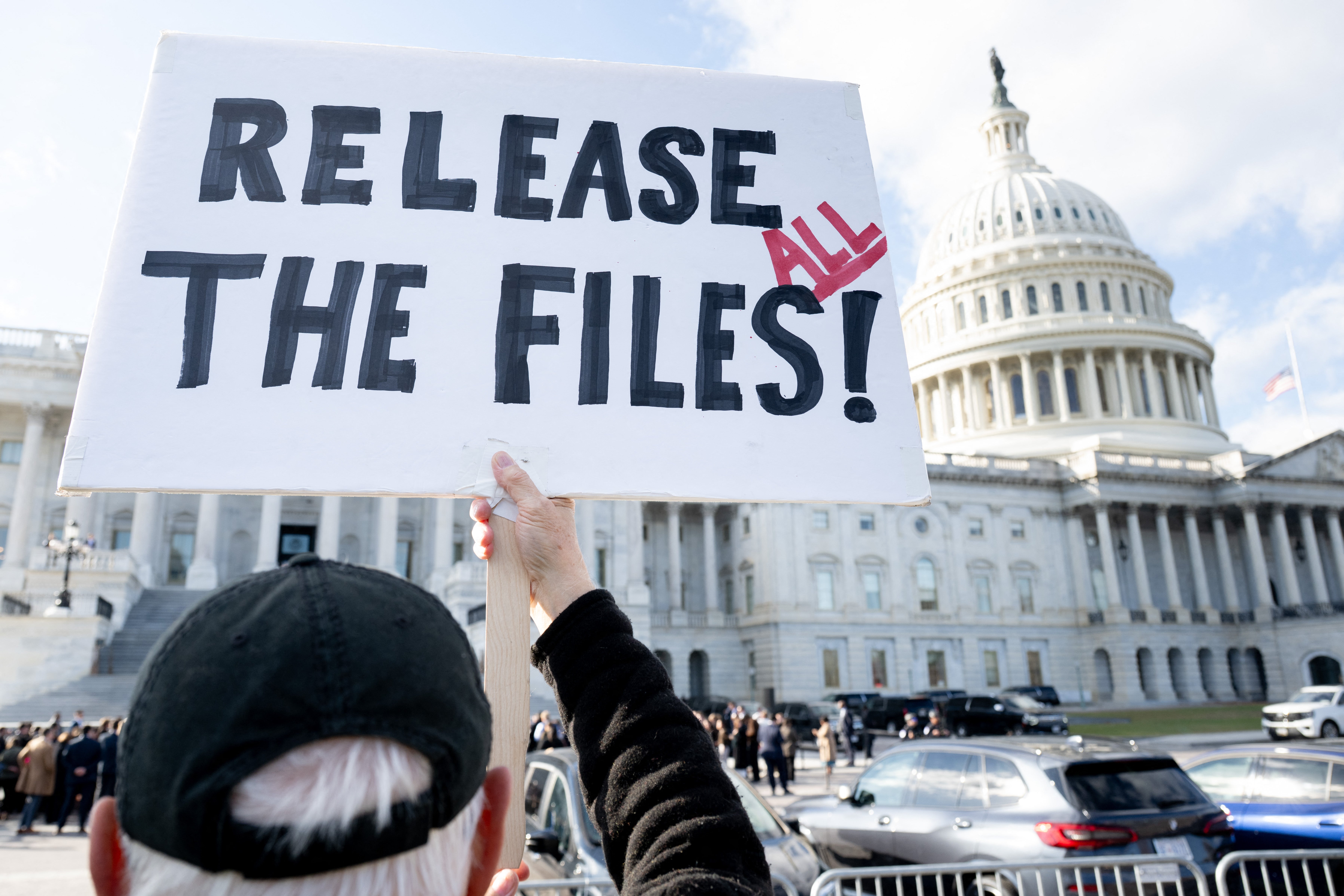
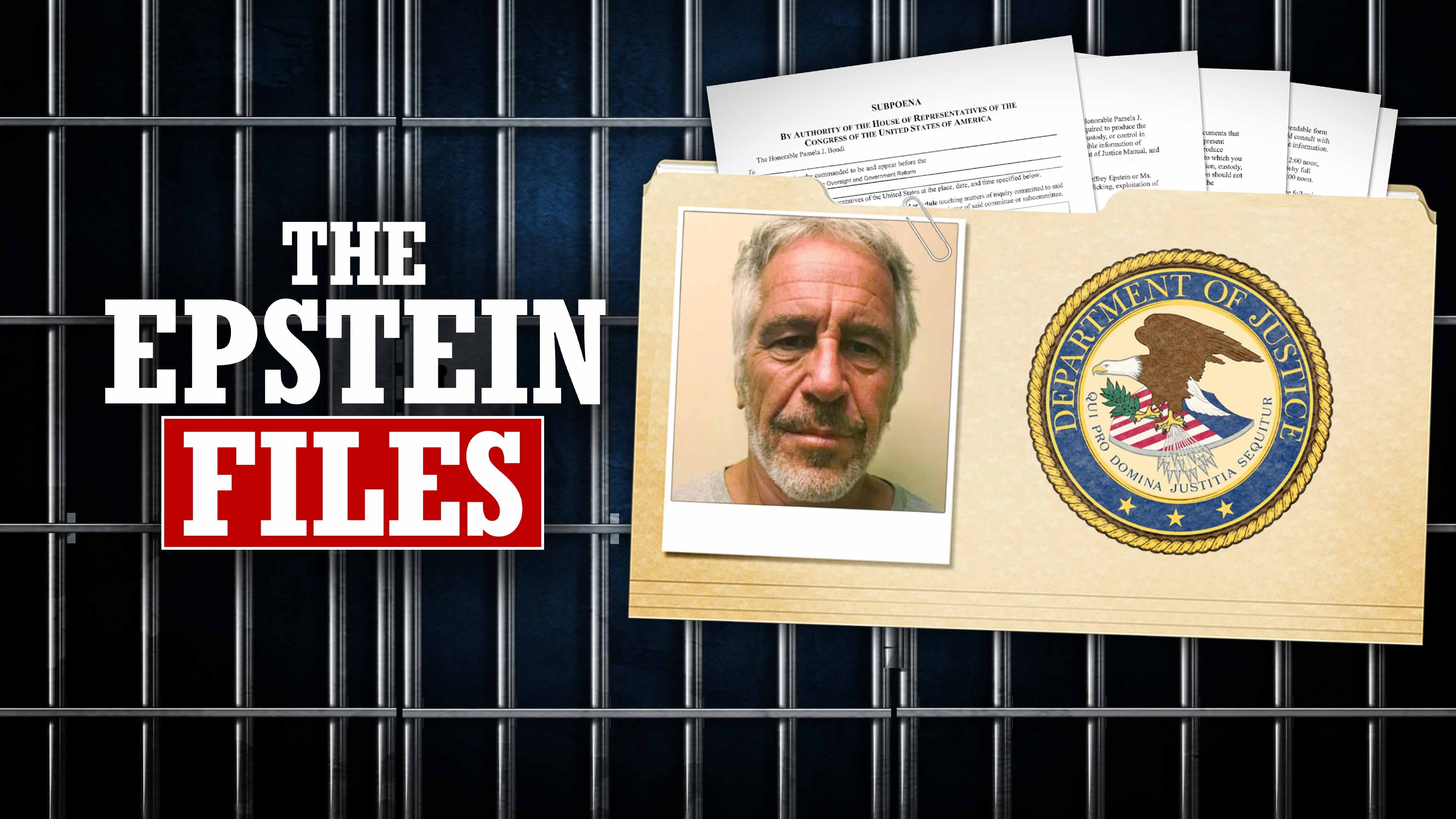
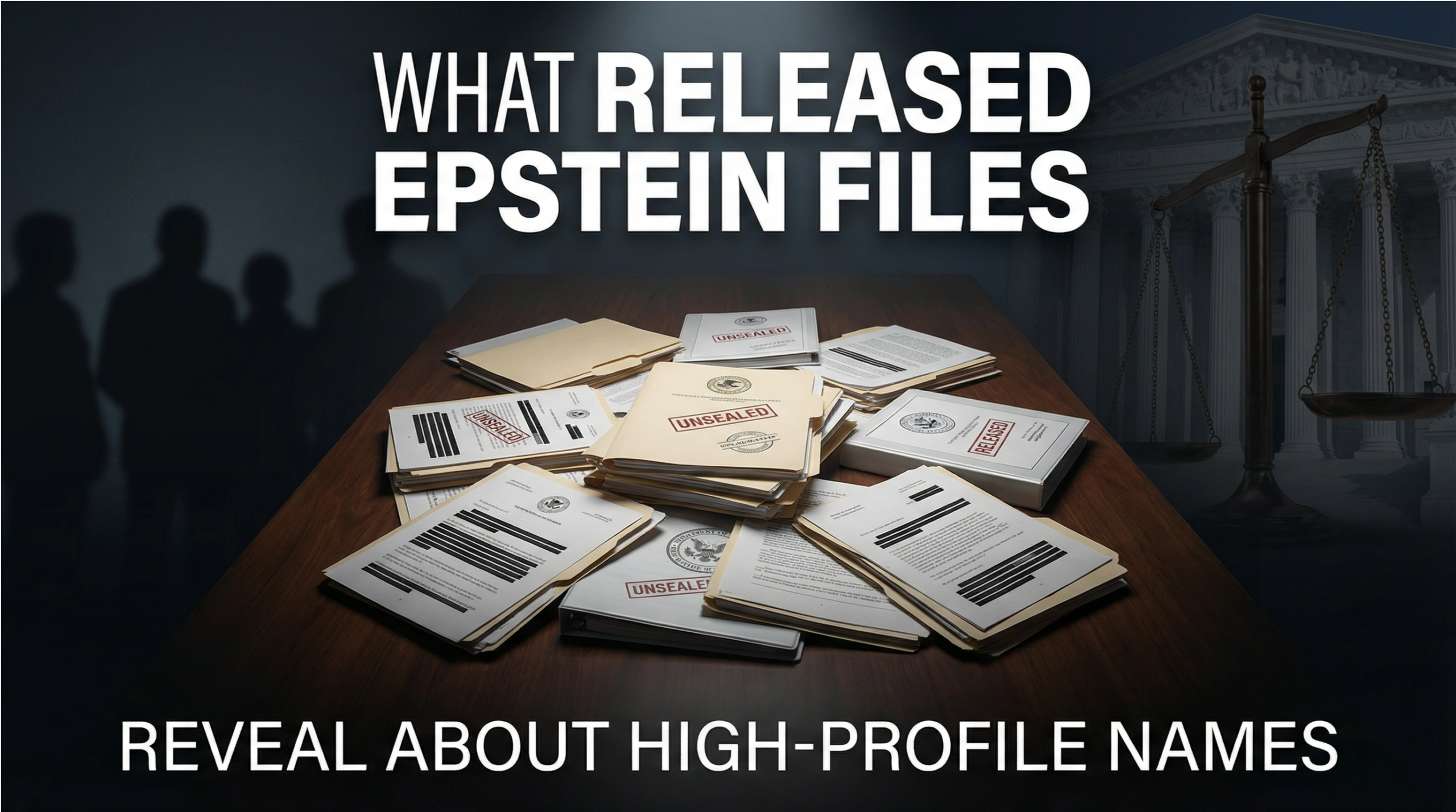
As of 2026, the majority of the high-profile "Epstein files" from the seminal Giuffre v. Maxwell civil litigation have been unsealed and made available to the public. While most primary documents were released following a landmark 2024 court order, certain redactions remain in place to protect the privacy of victims and individuals not central to the criminal allegations.
The saga of the Jeffrey Epstein documents has spanned over a decade, evolving from a local Florida investigation into a global focal point for discussions on judicial transparency and systemic accountability. For those asking if the files are being released, the answer is that the vast majority already have been, though the process is a staggered legal progression rather than a single "data dump." Understanding the current status in 2026 requires looking at the different categories of documents, the legal hurdles that governed their release, and where the remaining secrets might still reside.
The Origins of the "Epstein Files"
When people refer to the "Epstein files," they are usually discussing documents generated during the 2015 defamation lawsuit filed by Virginia Giuffre against Ghislaine Maxwell. Giuffre, a prominent survivor of Epstein’s trafficking ring, alleged that Maxwell had defamed her by calling her a liar regarding her claims of abuse. Although the case was settled in 2017, the records produced during discovery—including depositions, flight logs, and internal emails—remained under a protective seal for years.
The legal battle to unseal these records was led primarily by the Miami Herald and its investigative team. Their argument rested on the principle that the public has a right to access court records, especially in cases involving matters of significant public concern. By early 2024, Judge Loretta Preska of the U.S. District Court for the Southern District of New York (SDNY) ruled that the justifications for keeping many of these documents secret no longer outweighed the public’s right to know.
The Landmark 2024 Unsealing Event
The most significant movement regarding the Epstein files occurred in January 2024. Under Judge Preska’s order, the court began the systematic unsealing of documents identifying over 150 people previously referred to only as "John Does" or "Jane Does."
This release was not a "client list" in the way many had theorized online. Instead, it was a collection of legal documents where various individuals were mentioned. These names included:
- Associates and Social Acquaintances: Individuals who attended parties or traveled on Epstein’s aircraft but were not necessarily accused of wrongdoing.
- Employees and Service Providers: Pilots, housekeepers, and assistants who worked for the Epstein estate.
- Victims and Witnesses: Many of whom had already identified themselves publicly or whose identities were disclosed to provide context for the allegations.
- High-Profile Figures: Public figures whose names appeared in deposition testimony or flight records.
By 2026, these documents have been thoroughly indexed by journalists and legal researchers. They provided the most comprehensive look to date at the scale of Epstein’s social and professional network, though they did not always provide the "smoking gun" evidence that many expected for every individual named.
Why Some Files Remain Redacted
Despite the major releases, the process of "releasing the files" is not 100% complete, nor will it ever likely be. In 2026, certain segments of the Epstein records remain under seal or heavily redacted for specific legal reasons.
Protection of Minor Victims
The most common reason for continued secrecy is the protection of victims who were minors at the time of the alleged abuse. Under federal law and court discretion, the privacy of sexual assault survivors is prioritized. If a document contains graphic details or identifying information about a victim who has not chosen to come forward publicly, the court maintains those redactions.
Non-Party Privacy Interests
Judge Preska’s 2024 ruling established a "balancing test." If an individual was mentioned incidentally in a document but had no significant role in the underlying events, and their privacy interests outweighed the public's need to know, their name might remain redacted. This is particularly true for individuals who were not public figures and were not accused of criminal behavior.
Grand Jury Secrecy
Outside of the Giuffre v. Maxwell civil case, there are records from the federal criminal investigation into Epstein and Maxwell. Federal grand jury proceedings are strictly confidential under Rule 6(e) of the Federal Rules of Criminal Procedure. Unless there is a specific legal exception or a congressional mandate, grand jury testimony from the Epstein investigation remains sealed in 2026, often frustrating those seeking a full accounting of the evidence gathered by the Department of Justice.
Comparing the Different Sets of Records
To understand what has been released and what hasn't, it is helpful to categorize the various "tranches" of documents associated with Jeffrey Epstein.
| Document Category | Primary Source | Current Status (2026) | Content Highlights |
|---|---|---|---|
| Giuffre v. Maxwell Discovery | SDNY Civil Court | Mostly Unsealed | Deposition transcripts, email exchanges, flight logs, and witness statements. |
| The "Black Book" | Leaked/Published | Public | Contact information for hundreds of Epstein’s associates and acquaintances. |
| Flight Logs | Court Exhibits | Public | Records of passengers on the "Lolita Express" and other private aircraft. |
| Palm Beach Police Records | Florida Law Enforcement | Public | Files from the original 2005-2006 investigation into Epstein. |
| FBI/DOJ Investigative Files | Department of Justice | Partially Released | Material released via FOIA requests; significant portions remain classified or withheld. |
| Zorro Ranch Documents | New Mexico Litigation | Partially Unsealed | Records related to Epstein’s property in New Mexico and local law enforcement interactions. |
How to Access the Released Files in 2026
For those wishing to review the files directly rather than relying on media summaries, several avenues exist. As these are court records, they are technically accessible to any member of the public, though some technical knowledge is required.
1. PACER (Public Access to Court Electronic Records)
The official repository for all federal court documents is PACER. You can search for case number 1:15-cv-07433 in the Southern District of New York. While PACER charges a small fee per page viewed, many of the high-interest documents have been made "free" or are frequently accessed enough that researchers have mirrored them elsewhere.
2. Investigative Journalism Archives
Organizations like The Miami Herald, The New York Times, and The Guardian have created dedicated landing pages for the Epstein files. These archives often include searchable databases of the flight logs and highlighted sections of the 2024 unsealing. These are often easier to navigate for the layperson than the raw court filings.
3. The Court Listener and RECAP
The Free Law Project maintains a database called Court Listener. Their RECAP extension allows users to view documents that others have already paid for on PACER. In 2026, almost every significant document from the Epstein civil litigation is available for free on this platform.
Common Misconceptions About the "Release"
The term "Epstein Files" has become a catch-all for various documents, leading to several persistent myths that complicate the public's understanding of what is actually happening in 2026.
Myth: There is a single "Client List" being withheld. The "list" is a colloquialism for the names found within the 2,000+ pages of the Giuffre v. Maxwell case. While there were lists of names in Epstein's address book and flight logs, there is no verified "membership list" for his illegal activities. The documents released are far more complex, consisting of thousands of pages of testimony where names are mentioned in various contexts—some nefarious, others purely social or professional.
Myth: The government is hiding everything. While the slow pace of the legal system is often interpreted as a cover-up, the reality is that the unsealing process requires a document-by-document review. Each person named has the right to appeal their name's disclosure, which can lead to months of litigation for a single page. By 2026, most of these appeals have been exhausted, leading to the current state of broad transparency.
Myth: All names in the files are co-conspirators. This is a dangerous assumption. Many people named in the files were victims, individuals who were mentioned in passing, or people Epstein wished to associate with but who may have had no knowledge of his crimes. The files provide evidence, but they are not, in themselves, a verdict of guilt.
The Impact of Ongoing Litigation
While the Giuffre v. Maxwell files are largely out, other legal battles in 2026 continue to generate new information. Litigation involving Epstein’s estate and the banks that facilitated his financial transactions (notably JPMorgan Chase and Deutsche Bank) has yielded internal memos and compliance reports that offer a different perspective on the "files."
These financial records are crucial because they detail the "how" of Epstein’s operations—how money was moved to pay for travel and silence victims. While these aren't the same as the "John Doe" files from the civil case, they are a vital part of the broader archive of evidence being released to the public.
Technical Terms to Know
When researching the Epstein files, you will encounter specific legal terminology:
- In Camera Review: This is when a judge reviews sensitive documents in their private chambers before deciding whether they should be made public.
- Protective Order: A court order that limits the disclosure of sensitive information discovered during a lawsuit. Most of the Epstein files were under a protective order until 2024.
- Docket: The official summary of proceedings in a court case. The Epstein case docket is thousands of entries long.
- Redaction: The process of blacking out sensitive information in a document before it is released.
Frequently Asked Questions
Are there still names hidden in the Epstein files?
Yes, in 2026, some names remain redacted. These are primarily individuals who were victims and have a legal right to privacy, or individuals for whom the court determined there was no public interest in disclosure that outweighed their personal safety or privacy.
Did the 2024 release include Bill Clinton and Prince Andrew?
Yes, both were mentioned in the documents released in early 2024. However, their names had appeared in flight logs and previous reporting for years. The unsealed documents provided more context, such as deposition testimony from witnesses describing their presence at Epstein’s properties, though no new criminal charges were filed based solely on those specific documents.
Where can I download the full flight logs?
The flight logs are public record and can be found on several non-profit archive sites, including the DocumentCloud platform, which hosts many of the files uploaded by journalists. They cover flights from the 1990s through the late 2010s.
Why didn't the FBI release their full file on Epstein?
The FBI often withholds information related to "ongoing investigations" or to protect "investigative techniques." Even after a subject’s death, the Bureau may redact information about third parties who are still living. Researchers often use the Freedom of Information Act (FOIA) to request these files, but they are frequently returned with significant portions blacked out.
Will there be another major release of files in the future?
While the bulk of the Giuffre v. Maxwell files are out, future releases could come from other sources, such as Congressional inquiries or the conclusion of other civil suits. However, the "blockbuster" era of file releases largely peaked between 2024 and 2025.
Next Actions for Researchers and the Public
If you are looking for the latest developments regarding the Epstein files in 2026, your best course of action is to:
- Monitor the SDNY Court Docket: Check for new "Orders to Unseal" in the Giuffre v. Maxwell case (1:15-cv-07433).
- Utilize Trusted Databases: Use resources like the Miami Herald’s "Perversion of Justice" archive for verified, context-heavy information.
- Cross-Reference Names: When you find a name in the files, look for the specific context of their mention (e.g., were they a passenger on a flight, or were they mentioned in a deposition regarding a specific event?).
The release of the Epstein files is a victory for judicial transparency, but it requires a diligent and sober approach to separate documented facts from speculation.