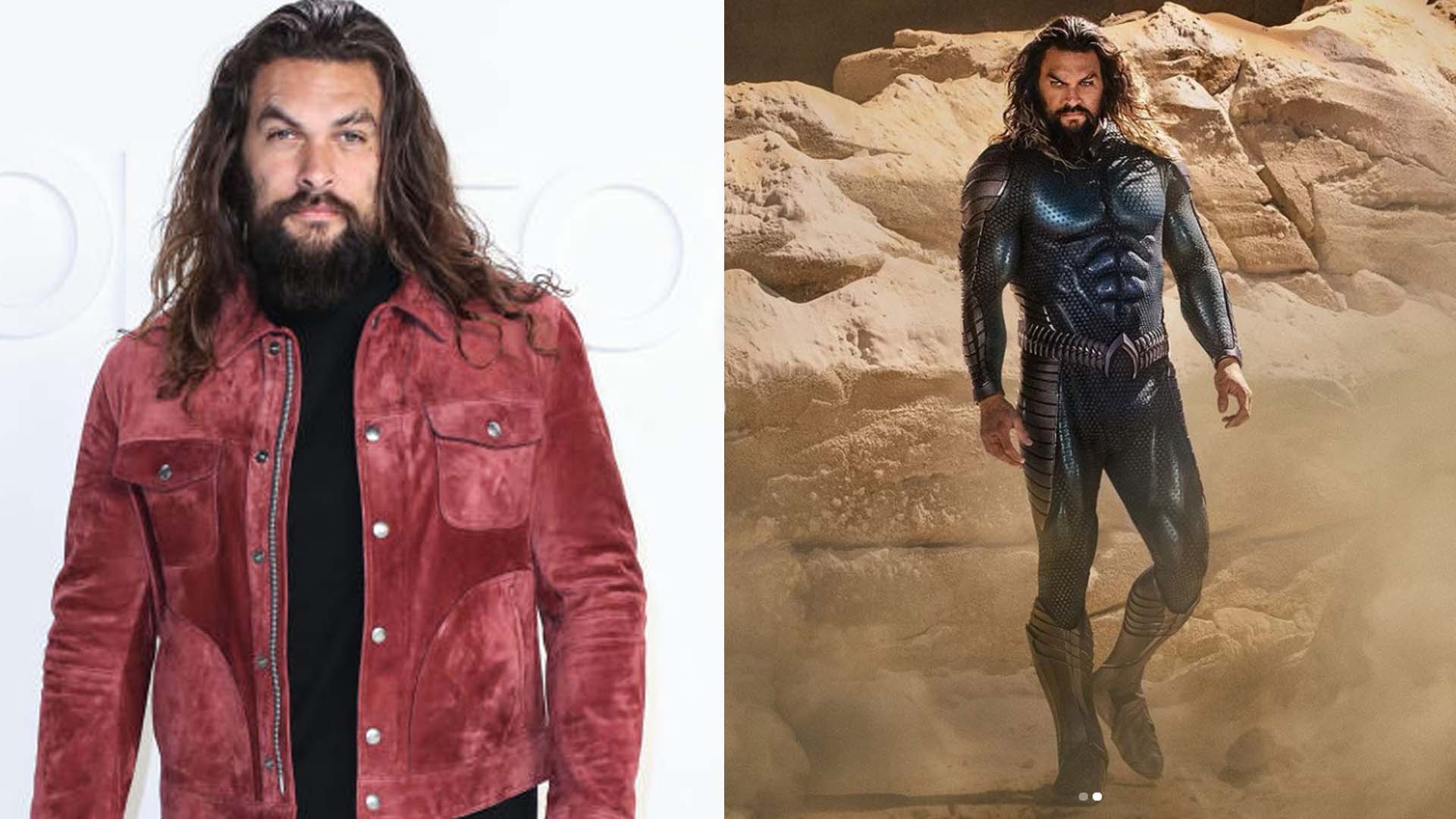
Achieving an accurate representation of the Aquaman costume popularized by Jason Momoa requires a careful balance between professional-grade theatrical armor construction and high-quality tactical cosplay modification. To recreate this look, one must focus on the specific color-blocked textures of the suit, the precise scale-patterned armor plating, and the weathered, organic aesthetic that defines the Arthur Curry character from the DC Extended Universe.
Understanding the Aesthetic: The Momoa Influence
The Aquaman costume worn by Jason Momoa, most notably seen in the 2018 Aquaman film and subsequent entries, departed significantly from the classic bright orange and green spandex of the comic books. Designers opted for a look that felt functional, submerged, and battle-hardened. This shift toward a "deep-sea tactical" aesthetic is what makes the costume both recognizable and challenging to replicate.
The suit is defined by a deep, metallic orange bodice featuring scale-like protrusions that suggest the protective dermis of an Atlantean. The lower half, or the "greaves" and "gauntlets," uses a contrasting emerald-green color palette with a textured, rugged finish. When sourcing or building this costume, the primary objective is to replicate these two distinct textures—the rigid, overlapping scales of the armor and the flexible, rubberized or textile base of the undersuit.
Sourcing Materials: High-End vs. DIY Approaches
Depending on your intent—whether for competitive cosplay, conventions, or screen-accurate display—your choice of materials will dictate the success of your costume.
Professional Commissions and Pre-Made Suits
For those seeking screen accuracy, purchasing from specialized costume studios is the industry standard. These creators often utilize 3D-scanned files of the original film props, which are then printed using high-resolution resin or cast in professional-grade urethane rubber.
- Latex and Urethane: These materials offer the best "bounce" and movement, essential for a character known for athletic prowess.
- 3D Printed PLA/PETG: Ideal for rigid armor pieces like the gauntlets, greaves, and belt buckle. These require significant sanding, priming, and multi-stage painting to achieve the metallic sheen seen in the films.
The DIY Construction Route
If building from scratch, foam-smithing remains the most accessible entry point. High-density EVA (Ethylene-Vinyl Acetate) foam is the primary material used by costumers to create the armor plating.
- Patterning: Utilize foam-smithing templates designed for the Momoa-style suit. Ensure these are scaled to your specific body measurements.
- Texturing: Use a wood burner or a specialized soldering tip to carve the individual scale patterns into the foam before heat-sealing.
- Sealing: Always apply a coat of flexible sealant (like Plasti Dip or a similar rubberized coating) before painting; otherwise, the paint will crack when the foam bends.
Critical Costume Components
A complete Arthur Curry ensemble is more than just the bodysuit. To achieve the Jason Momoa silhouette, you must focus on the following specific components:
The Armor Plating
The centerpiece is the torso armor. In the film, this piece features an organic, asymmetrical scale pattern. When replicating this, avoid perfect uniformity. The "Momoa look" is characterized by a slightly distressed, worn-in appearance. Use washes—a dark brown or black acrylic watered down—to settle into the recesses of the scales. This provides depth and creates the illusion of a suit that has survived underwater combat.
Gauntlets and Greaves
These should be treated as separate pieces from the bodysuit. In the film, they are heavy, metallic, and clearly modular. Using Velcro straps or hidden magnetic clasps allows these pieces to attach to a spandex base suit securely. Ensure the color match between your gauntlets and your greaves is consistent; variation in lighting can make mismatched materials look disjointed.
The Footwear
Standard boots are insufficient for this look. The Aquaman costume requires footwear that integrates seamlessly with the greaves. Most cosplayers modify existing tactical boots by gluing foam armor directly onto the leather or synthetic upper, then painting the entire assembly to match the suit's color profile.
Comparison Table: Costume Building Methods
| Feature | EVA Foam Build | 3D Printed/Resin | Off-the-Shelf Replica |
|---|---|---|---|
| Accuracy | Moderate to High | Very High | Variable |
| Durability | High (Flexible) | Low (Brittle) | Low |
| Cost | Low ($100–$300) | Moderate ($500–$1,200) | Low to Mid ($200–$600) |
| Effort | Intensive Crafting | Technical Printing | Minimal Assembly |
| Comfort | High | Low | Moderate |
Technical Considerations: Paint and Finish
The "metallic" look of the Aquaman costume is often misunderstood as a simple coat of gold or orange spray paint. In reality, the film costume uses a complex layered finish.
- The Base Coat: Start with a dark metallic base, such as gunmetal or deep bronze.
- The Color Layer: Apply your primary orange or green color in light, translucent coats. This allows the metallic base to shine through, giving the suit an iridescent, "wet" appearance.
- The Weathering Pass: This is the most important step. Use a dry brush with a lighter gold or silver to highlight the ridges of the scales. This creates contrast, making the costume pop under convention lighting or photography flashes.
Common Pitfalls and Troubleshooting
- The "Sweat" Factor: Full-body foam armor is notoriously hot. Always integrate moisture-wicking fabric beneath the suit, and consider installing small, hidden ventilation fans in the torso piece if you plan to wear it for an entire day at a convention.
- Sizing Inconsistencies: Because the armor is rigid, it does not stretch. Ensure your under-suit fits like a second skin; any loose fabric will cause the armor to shift and rotate, ruining the silhouette.
- Paint Cracking: Never use standard spray paint directly on flexible surfaces. If you are not using a flexible paint additive, your armor will look ruined within an hour of walking.
Frequently Asked Questions
What is the best material for the scales on the Aquaman chest piece? High-density EVA foam is the industry standard for DIY projects because it is lightweight and easy to shape. For professional results, thin, vacuum-formed plastic or cast flexible urethane is preferred for the distinct "sharp" edges of the scale pattern.
How do I prevent the armor from sliding down my arms and legs? Use a combination of high-strength elastic strapping and internal padding. Many cosplayers use "garter" style clips or hidden nylon straps that attach to a harness worn under the suit, ensuring the weight of the armor is distributed across the shoulders rather than pulling on the limbs.
Can I achieve the Jason Momoa look without building the armor? You can opt for a high-quality "sublimated" spandex suit that has the scale patterns printed directly onto the fabric. While these lack the 3D depth of foam armor, they provide a clean, accurate profile and are significantly more comfortable for long-term wear.
How do I maintain the paint finish on the costume? Always store your costume pieces in a cool, dry place. Avoid stacking armor pieces, as this can cause paint transfer and sticking. Use a clear, flexible acrylic sealer (matte or semi-gloss) as the final coat to prevent scratches and provide UV protection.
Is it necessary to have the trident to complete the look? While not mandatory for the suit itself, the trident is a critical "prop anchor." If you choose to include it, ensure the scale is correct relative to your height. A trident that is too small will make the entire costume look like a toy, regardless of the quality of the armor.
What is the best way to transport a full Aquaman costume? Because of the size and bulk of the gauntlets and greaves, use hard-shell luggage with foam inserts. If traveling by air, treat the armor as fragile cargo; always bring extra paint and an adhesive kit for quick field repairs on potential transit damage.
Next Actions for Your Project
To move forward, begin by taking precise measurements of your body, specifically the circumference of your biceps, thighs, and chest. Once you have these, source your base materials—either high-density EVA foam or a reliable pre-made suit template. If you are building, purchase a test sheet of foam to practice your carving and sealing techniques before cutting into your primary materials. Remember that the "Aquaman look" is a marathon of detail work; focus on finishing one section—such as the gauntlets—completely before starting on the next.