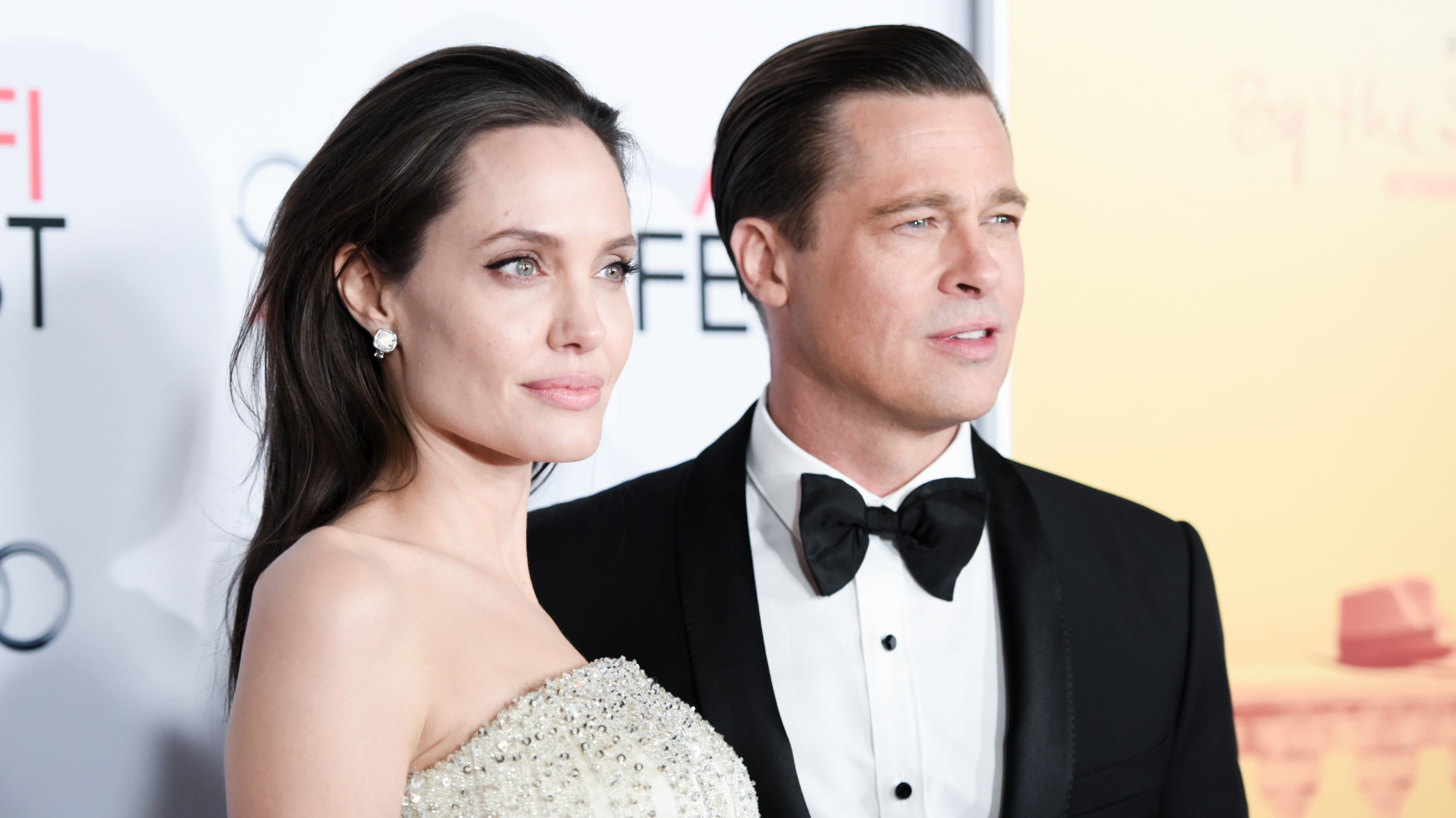
Angelina Jolie’s 2015 romantic drama By the Sea—which she wrote, directed, produced, and starred in alongside Brad Pitt—remains a pivotal reference point for understanding her trajectory toward more intimate, auteur-driven, and European-influenced recent film projects. While the film initially received polarized reviews upon its theatrical release, its distinct cinematic language, minimalist dialogue, and exploration of marital alienation prefigured the methodical, highly selective approach that defines her contemporary filmography. Examining By the Sea within the context of her recent artistic output reveals a deliberate shift away from major studio blockbusters toward deeply personal, culturally resonant, and independent international productions.
The Cinematic Blueprint of By the Sea
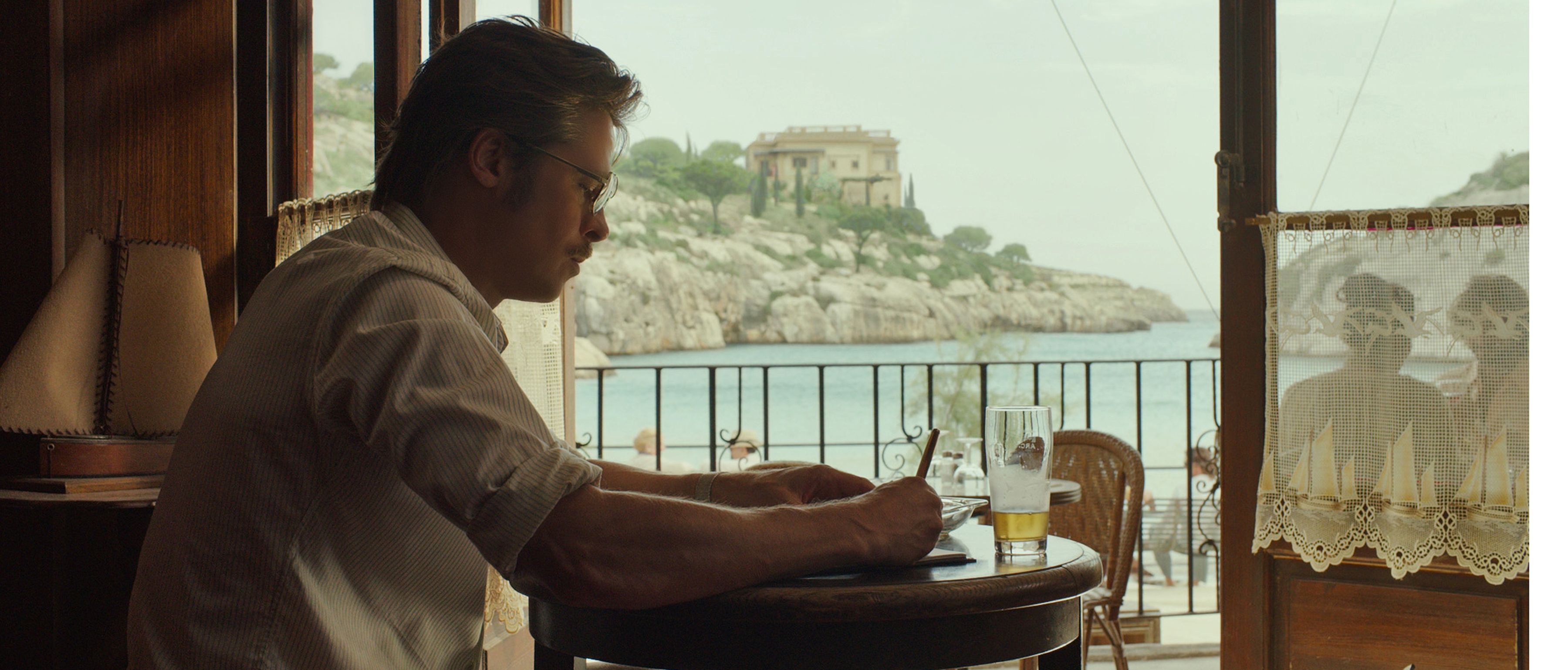
Set in a tranquil, mid-1970s seaside resort in Malta, By the Sea follows Vanessa, a former dancer, and Roland, an American writer, as their marriage undergoes a slow, agonizing unraveling. Visually, the film draws heavy inspiration from 1960s and 1970s European art-house cinema, channeling the stylistic alienation found in the works of Michelangelo Antonioni and Jacques Demy. Jolie’s direction emphasizes lingering static shots, a muted, sun-bleached color palette, and long sequences of unspoken tension.
At the time of its release, the project was frequently overshadowed by tabloid scrutiny regarding its lead actors' real-life marriage. However, stripped of that external context, By the Sea established several recurring motifs that would surface in Jolie’s subsequent work behind and in front of the camera:
- The Exploration of Trauma and Healing: Vanessa’s internal grief and isolation serve as an early exploration of psychological fragility that Jolie would later investigate in humanitarian documentaries and biographical features.
- Geographic Isolation: The use of remote coastal landscapes as emotional mirrors for the characters reflects Jolie’s preference for immersive, self-contained environments.
- Auteur Control: As both writer and director, Jolie demonstrated a commitment to uncompromising personal visions, setting the stage for her later transition into producing international projects that reflect specific sociopolitical realities.
Transition to Contemporary Film Work
In the years following By the Sea, Angelina Jolie’s career shifted noticeably. Rather than chasing commercial box-office hits, she deliberately balanced high-profile franchise obligations—such as her role in Marvel Studios' Eternals (2021)—with arduous, independent directorial and production endeavors. This bifurcation allows her the financial flexibility and industry leverage to champion stories that lack conventional commercial appeal but align with her personal and humanitarian values.
Her recent filmography is characterized by a strong emphasis on international storytelling, historical testimony, and the female perspective. By stepping behind the camera for historical dramas like First They Killed My Father (2017) and producing projects that center on marginalized voices, Jolie has solidified a reputation as a filmmaker deeply invested in global empathy. By the Sea served as a crucial laboratory for this phase, proving that she could sustain a meditative, visually driven narrative atmosphere without relying on standard Hollywood pacing or exposition.
Directorial and Production Evolution
Analyzing Jolie's directorial progression from In the Land of Blood and Honey (2011) and Unbroken (2014) to By the Sea and beyond highlights a steady refinement of visual storytelling. While Unbroken relied on grand-scale narrative structures typical of studio biographies, By the Sea was an exercise in reduction. It prioritized interiority over external action.
This reductionist approach directly influenced her subsequent directorial work, particularly First They Killed My Father, where the horrors of the Cambodian genocide are experienced primarily through the quiet, observant eyes of a young child. The stylistic patience learned during the production of By the Sea—allowing scenes to breathe and relying on environmental sound rather than heavy musical scores—became a hallmark of her modern directorial voice.
| Film Project | Primary Role | Release Year | Stylistic Focus / Genre | Key Thematic Elements |
|---|---|---|---|---|
| In the Land of Blood and Honey | Director, Writer, Producer | 2011 | War Drama | Romance amidst geopolitical conflict, systemic trauma. |
| Unbroken | Director, Producer | 2014 | Biographical War Drama | Resilience, survival, physical endurance. |
| By the Sea | Director, Writer, Producer, Star | 2015 | Romantic Drama / Art-House | Marital alienation, grief, voyeurism, European aesthetic. |
| First They Killed My Father | Director, Producer, Co-Writer | 2017 | Biographical Historical Drama | Childhood perspective on war, memory, survival. |
| Maria | Lead Actor | 2024 | Biographical Drama | Psychological portrait of Maria Callas, artistic decline. |
The Impact of International Art-House Sensibilities
By the Sea demonstrated Jolie’s willingness to alienate mainstream audiences in pursuit of atmospheric authenticity. This risk-taking has continued to shape her choices in recent years, most notably in her portrayal of opera legend Maria Callas in Pablo Larraín’s biographical drama Maria (2024).
Stepping into the shoes of a complex historical icon requires the same internal vulnerability and resistance to sentimentality that Jolie explored in By the Sea. Her performance in Maria relies on subtle physical transformation, vocal coaching, and an acute understanding of public isolation—themes she visually articulated in her 2015 directorial venture. Both works illustrate her enduring fascination with women navigating profound personal transitions away from the public eye.
Navigating Creative Independence in the 2020s
As the film industry continues to grapple with shifting distribution models and theatrical economics, Jolie has maintained a unique position as both a global celebrity and an independent-minded artist. Her recent producing credits reflect a commitment to international co-productions and stories rooted in human rights and artistic expression.
The aesthetic lessons of By the Sea—the value of silence, the importance of place, and the courage to make deliberately slow cinema—provide a lens through which her modern career choices can be fully appreciated. Rather than retreating into formulaic commercialism, she utilizes her platform to greenlight projects that demand patience and emotional introspection from the viewer.
Frequently Asked Questions
What was the inspiration behind Angelina Jolie's film By the Sea?
Angelina Jolie has stated that By the Sea was inspired by European cinema of the 1960s and 1970s, specifically the works of directors like Michelangelo Antonioni. She wanted to explore the complexities of long-term relationships, grief, and emotional recovery within a self-contained, atmospheric setting.
How does By the Sea connect to Angelina Jolie's recent film work?
While By the Sea was a personal art-house project, it established Jolie’s commitment to patient, visually driven storytelling and character studies. This aesthetic discipline carries over into her later directorial work, such as First They Killed My Father, and informs her selective choices as a lead actor in biographical dramas.
Where was By the Sea filmed?
Principal photography for By the Sea took place primarily on the island of Malta, specifically utilizing the coastal cliffs and historic architecture of Mgarr ix-Xini in Gozo to evoke a timeless, mid-century European resort atmosphere.
What are the defining stylistic traits of Angelina Jolie's directorial projects?
Jolie's directorial work is characterized by historical realism, intense psychological focus, collaboration with local regional artists and actors, and a preference for naturalistic lighting and environmental soundscapes over conventional Hollywood artifice.
How has Angelina Jolie's approach to acting evolved in recent years?
In her recent acting projects, such as Maria (2024), Jolie favors complex, emotionally demanding roles that explore aging, artistic legacy, and vulnerability, moving away from action-oriented blockbuster franchises in favor of character-driven psychological portraits.
Conclusion and Next Actions
For film scholars, enthusiasts, and industry observers tracing Angelina Jolie's artistic evolution, revisiting By the Sea offers essential insight into her creative priorities. To gain a deeper appreciation of her modern filmography, viewers should examine her work through the dual lens of her independent directorial projects and her selective biographical performances. When exploring her recent filmography, pay close attention to her collaboration with international cinematographers and her consistent focus on stories dealing with personal resilience and historical memory.