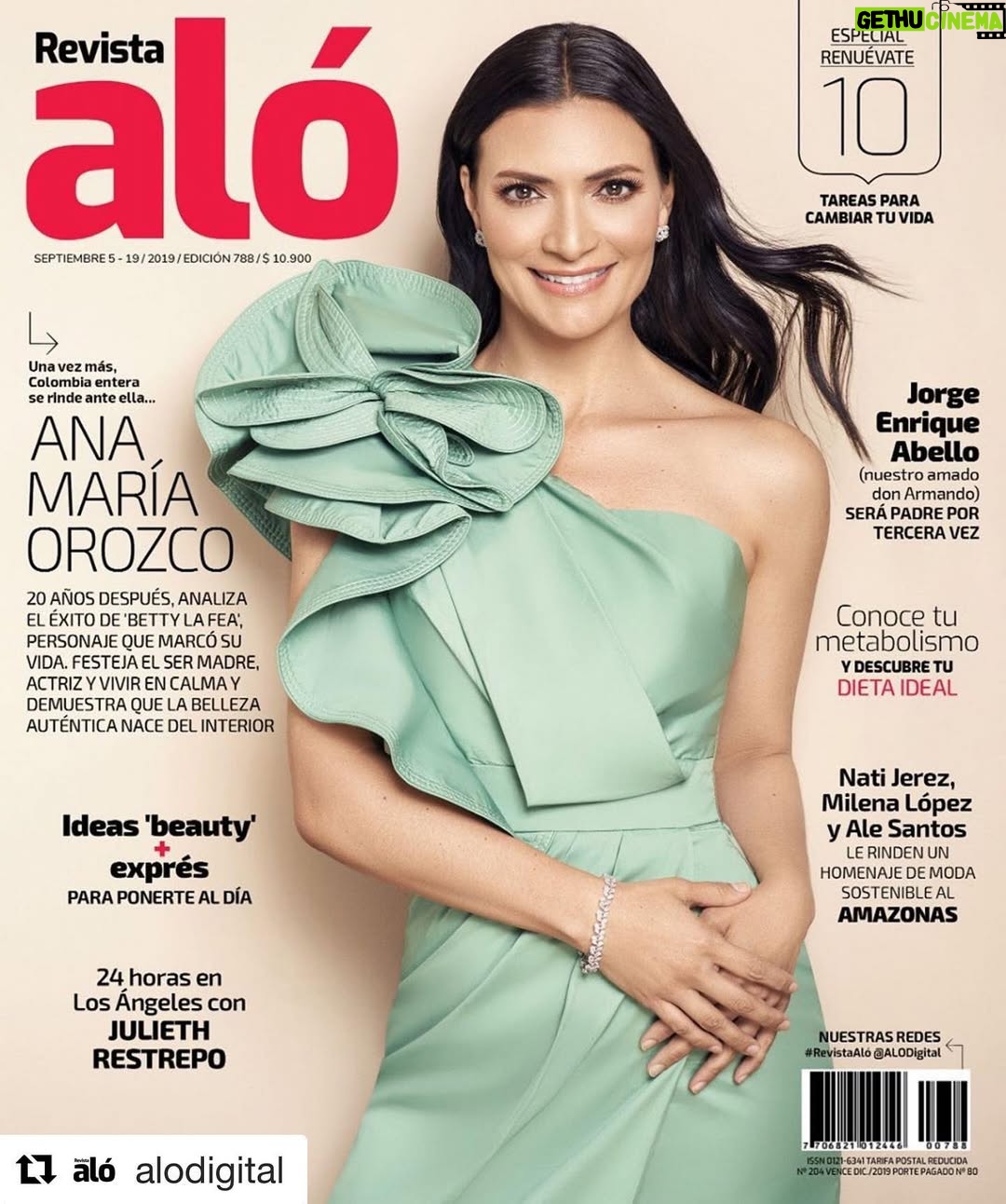
Colombian actress Ana María Orozco has an estimated net worth between $1.5 million and $3 million USD. Despite starring in Yo soy Betty, la fea—one of the most successful telenovelas in television history—her wealth reflects the unique compensation structures of late-1990s Latin American television, subsequent international television roles, and modern streaming revival contracts.
Financial Overview: How Ana María Orozco Built Her Wealth
Ana María Orozco’s financial profile is distinct compared to Hollywood stars of globally syndicated shows. While international actors in record-breaking series often secure lifelong fortunes through upfront salary spikes and perpetual syndication royalties, Orozco’s financial journey illustrates the historic economic frameworks of South American broadcasting.
Her estimated net worth of $1.5 million to $3 million stems primarily from four decades of continuous professional acting, spanning television, film, theater, and high-profile commercial partnerships across Colombia, Argentina, and international streaming platforms.
- Estimated Net Worth: $1.5 Million – $3 Million USD
- Primary Source of Wealth: Television Acting & Streaming Series
- Key Breakout Role: Beatriz Aurora Pinzón Solano (Yo soy Betty, la fea)
- Major Distribution Networks: RCN Televisión, Telefe, Amazon Prime Video
- Performer Rights Org: Actores SCG (Colombia)
Unlike public companies, individual net worth figures for international actors are not published in public regulatory filings. Independent estimates rely on reported baseline actor salaries in regional markets, syndication performance, secondary theater earnings, and streaming platform buyout terms.
The Yo Soy Betty, La Fea Phenomenon and Early Pay Limitations
To understand Ana María Orozco’s net worth, one must examine the financial realities of Yo soy Betty, la fea during its original broadcast run from 1999 to 2001. Created by Fernando Gaitán and produced by RCN Televisión, the series became a global phenomenon, winning a Guinness World Record in 2010 as the most successful telenovela in history. It was dubbed into over 15 languages, broadcast in more than 180 countries, and adapted into over 20 localized formats, including Ugly Betty in the United States.
However, the global commercial windfall generated by the show did not translate into immediate multi-million-dollar paychecks for its lead actress during its initial run.
Standard Network Contracts in the Late 1990s
In late-1990s Colombian television, actors were typically compensated as standard contract employees or per-call talent under fixed network rates. Compensation was structured around flat monthly fees or daily shooting rates rather than back-end profit participation or international backend royalties.
- Fixed Base Salaries: At the start of filming in 1999, Orozco earned a standard network salary typical for lead actors in domestic productions at the time, which did not account for future international syndication sales.
- Exhaustive Work Schedules: Filming often required 14- to 18-hour workdays under tight deadlines, leaving little opportunity for outside commercial work during peak production.
- Absence of Syndication Revenue Share: RCN Televisión retained the global distribution, format licensing, and international broadcast rights. The massive licensing fees paid by international networks flowed to the production house and network, not the cast.
Orozco has publicly discussed the disparity between the show’s immense global profitability and her direct financial compensation during those early years, clarifying that while she was paid fairly according to standard domestic rates of the time, she did not become wealthy solely from the original 1999–2001 broadcast.
The Economics of Latin American Television Rights and "Ley Fanny Mikey"
A major factor influencing the long-term wealth of Colombian performers like Ana María Orozco is the evolution of intellectual property and performer rights laws in South America.
In Hollywood, SAG-AFTRA agreements guarantee actors residual payments whenever a television show is rebroadcast, released on home video, or licensed to foreign markets or streaming services. For decades, many Latin American countries lacked equivalent statutory legal protections for audiovisual performers.
The Impact of Law 1403 (Ley Fanny Mikey)
The structural financial landscape changed significantly in Colombia with the passage of Law 1403 of 2010, widely known as the Ley Fanny Mikey.
Colombian Performer Royalty Evolution
- Pre-2010 Legal Framework
- Fixed Network Contracts
- No Rebroadcast Royalties
- Single Upfront Payment
- Post-2010 (Ley Fanny Mikey)
- Right to Remuneration
- Broadcast Royalties
- Actores SCG Collections
This law established the following key protections for actors:
- Right to Equitable Remuneration: Audiovisual actors gained the legal right to receive financial remuneration whenever their recorded performances are broadcast, rebroadcast, or publicly communicated within Colombia or internationally.
- Collective Management Organizations: The legislation enabled organizations such as Actores Sociedad Colombiana de Gestión (Actores SCG) to collect and distribute royalties on behalf of actors for domestic and cross-border broadcasts.
- Reciprocal International Agreements: Actores SCG established reciprocal collection agreements with performer rights societies across Latin America and Europe, allowing Colombian actors to receive royalties when their older works are rerun abroad.
While Ley Fanny Mikey did not retroactively rewrite 1999 production contracts to grant actors equity ownership in master tapes, it did ensure that subsequent rebroadcasts, cable syndication, and regional streaming of Yo soy Betty, la fea provided ongoing performance royalty distributions to Orozco and her co-stars.
Career Expansion: Argentine Television, Theater, and International Roles
Following the intense global scrutiny of Betty, la fea, Ana María Orozco relocated to Argentina, where she expanded her career into regional television, independent films, and stage productions. This period allowed her to diversify her professional portfolio and establish steady income streams outside the Colombian market.
- 1999–2001
- Yo soy Betty, la fea (RCN)
- Breakthrough Role
- 2005–2019
- Argentine & Int'l TV, Theater, Film
- Career Expansion
- 2024–2026
- Amazon Prime Revival & Global Streaming
Key Projects Across the Region
- Argentine Television (2000s–2010s): Orozco starred in major Telefe and El Trece productions, including the hit prime-time telenovela Somos familia (2014) and Simona (2018). Argentine television productions during this period offered competitive compensation packages for established leads.
- International Co-Productions: She took lead roles in cross-border series such as El regreso de Lucas (2016), a co-production between Telefe (Argentina) and América TV (Peru), which saw broad distribution across South America.
- European and Streaming Roles: In 2020, Orozco appeared in the Spanish thriller series Perdida, broadcast on Antena 3 and globally distributed via Netflix, marking her entry into high-end European streaming productions.
- Stage & Theater: Orozco regularly performed in theatrical productions in Bogotá and Buenos Aires. In 2017, the original cast of Yo soy Betty, la fea reunited for a live theatrical adaptation in Colombia, which enjoyed sold-out theater runs and generated significant direct box-office revenue for the core cast.
The Modern Streaming Era: Betty la fea, la historia continúa
The most substantial boost to Ana María Orozco’s net worth in recent years stems from the global revival of the franchise by Amazon Prime Video.
Premieres in mid-2024 of Betty la fea, la historia continúa (Betty, the Story Continues) marked a major shift in how the lead actors were compensated compared to the original 1999 series.
Contractual Comparison: 1999 vs. Present Era
| Dimension | 1999 Original Production | Modern Revival (Prime Video Era) |
|---|---|---|
| Primary Distributor | RCN Televisión (Domestic TV) | Amazon Prime Video (Global) |
| Compensation Model | Flat Network Salary | Global Streaming Principal Rates |
| Syndication Terms | No Initial Backend Rights | Contractual Royalties & Buyouts |
| Performer Protections | Pre-Law 1403 Framework | Actores SCG & SAG-AFTRA Aligned |
Why Streaming Contracts Transformed Her Earnings
- Global Production Budgets: Modern streaming platforms operate with production budgets vastly exceeding traditional Latin American network budgets of the late 1990s. As the primary star reprising an iconic global character, Orozco negotiated from a position of significant market leverage.
- Executive & Star Salaries: Lead actors in major revival series on platforms like Prime Video typically command upfront fee packages reflecting international demand, alongside potential associate credits or promotional fees.
- Renewal Securitization: Following high viewership performance upon its 2024 launch, the series was renewed for subsequent seasons, securing predictable, top-tier compensation through the 2025–2026 production cycles.
Career Earnings and Financial Comparison
To contextualize how Ana María Orozco’s career revenue was generated over time, the following table breaks down her primary operational eras, platform models, and industry payment standards.
| Career Phase | Primary Markets & Outlets | Major Notable Projects | Financial Compensation Structure | Relative Impact on Net Worth |
|---|---|---|---|---|
| Early Career (1980s–1998) | Colombian Domestic Television | Pequeños Gigantes, Tiempos difíciles, Perro amor | Standard domestic network contracts; daily/monthly base wages | Foundation / Early Savings |
| Breakout Era (1999–2002) | RCN Televisión, International Syndication | Yo soy Betty, la fea, Ecomoda | Fixed monthly network salary; limited upfront backend rights | Career Positioning & Visibility |
| International Growth (2003–2019) | Argentina, Peru, Regional South America | Somos familia, El regreso de Lucas, Betty, la fea Teatro | Established international star rates; direct theater revenue sharing | Core Wealth Accumulation |
| Global Streaming Era (2020–Present) | Amazon Prime Video, Netflix, Spanish TV | Perdida, Betty la fea, la historia continúa | Modern streaming talent compensation, global promotional contracts | Major Net Worth Expansion |
Asset Management, Endorsements, and Private Revenue
Beyond direct performance fees from television networks and streaming platforms, Ana María Orozco’s net worth is supported by auxiliary income streams typical of high-profile international actors.
Commercial Endorsements and Brand Partnerships
Throughout her career, Orozco has maintained selective commercial partnerships. During the peak of her early fame and continuing into the streaming revival, she engaged in corporate sponsorships, print campaigns, and digital brand endorsements across Latin America. Brand ambassadorships in beauty, personal care, and media services provide supplementary income outside of active filming periods.
Real Estate and Private Investments
Orozco maintains a private lifestyle, splitting time between Argentina and Colombia over the past two decades. While specific real estate holdings are not public record, real property in urban centers such as Buenos Aires and Bogotá represents a standard, stable component of wealth preservation for long-serving South American media professionals.
Comparative Context: Latin American Actors vs. Hollywood Royalty Models
When evaluating celebrity net worth, readers often compare Latin American actors to stars of American network sitcoms. For example, the lead cast of Friends or The Big Bang Theory earned upwards of $1 million per episode in later seasons and continue to receive tens of millions annually in syndication residuals.
Understanding why Ana María Orozco’s net worth sits in the $1.5 million to $3 million range rather than $50 million+ requires examining structural economic differences:
- Market Capitalization of Networks: The U.S. domestic television advertising and syndication market operates on scale factors 10 to 20 times larger than regional Latin American broadcast markets.
- Historical Intellectual Property Ownership: In 1999, South American production companies routinely retained 100% of international format licensing profits. When foreign networks adapted Betty, la fea (such as ABC’s Ugly Betty in the U.S. or Verliebt in Berlin in Germany), royalty fees flowed to rights-holding networks and creators rather than original cast performers.
- Currency Conversion Realities: Performance fees paid in Colombian Pesos (COP) or Argentine Pesos (ARS) during past decades faced inflationary pressures and currency exchange differentials when calculated in U.S. Dollars (USD).
Despite these historic structural limits, Orozco’s transition into modern global streaming platforms has brought her earning power into closer alignment with contemporary international standards.
Frequently Asked Questions
Did Ana María Orozco become a millionaire from the original Yo soy Betty, la fea?
No. During the original 1999–2001 run of Yo soy Betty, la fea, Orozco was paid a standard fixed network salary under domestic Colombian contract structures. She did not receive backend syndication percentages during the show's initial peak, meaning her multi-million dollar net worth was built later through long-term work, theater reunions, performer rights laws, and modern streaming contracts.
What is Ana María Orozco’s estimated net worth in 2026?
Her net worth is estimated between $1.5 million and $3 million USD. This valuation reflects her four-decade career across Colombian, Argentine, and Spanish television, ongoing performance royalties managed by Actores SCG, commercial endorsements, and principal compensation from Amazon Prime Video’s revival series.
Does Ana María Orozco receive royalties when Betty, la fea airs today?
Yes. Thanks to Colombia's Law 1403 of 2010 (Ley Fanny Mikey) and international reciprocal royalty collection agreements managed by societies like Actores SCG, Orozco receives performer royalties for secondary broadcasts, cable syndication, and digital distribution of her past works.
How much did the Prime Video revival contribute to her net worth?
While specific contractual terms are protected by non-disclosure agreements, starring in Amazon Prime Video's Betty la fea, la historia continúa provided her with modern international streaming compensation rates. These rates are significantly higher than historic domestic broadcast salaries and include renewal provisions for ongoing seasons.
Who owned the rights to the original Betty, la fea format?
The intellectual property rights were created by Fernando Gaitán and owned by Colombian broadcaster RCN Televisión. RCN licensed the original episodes and format adaptation rights globally, capturing the majority of international distribution revenue.
Summary and Key Financial Takeaway
Ana María Orozco’s net worth of $1.5 million to $3 million USD represents a career of remarkable artistic success combined with the complex economic realities of regional television. While early compensation for her world-record-breaking role did not match the immediate back-end payouts seen in Hollywood, her long-term career management, advocacy for performer rights, and lead roles in modern streaming revivals have secured her financial standing as one of Latin America's most iconic television figures.