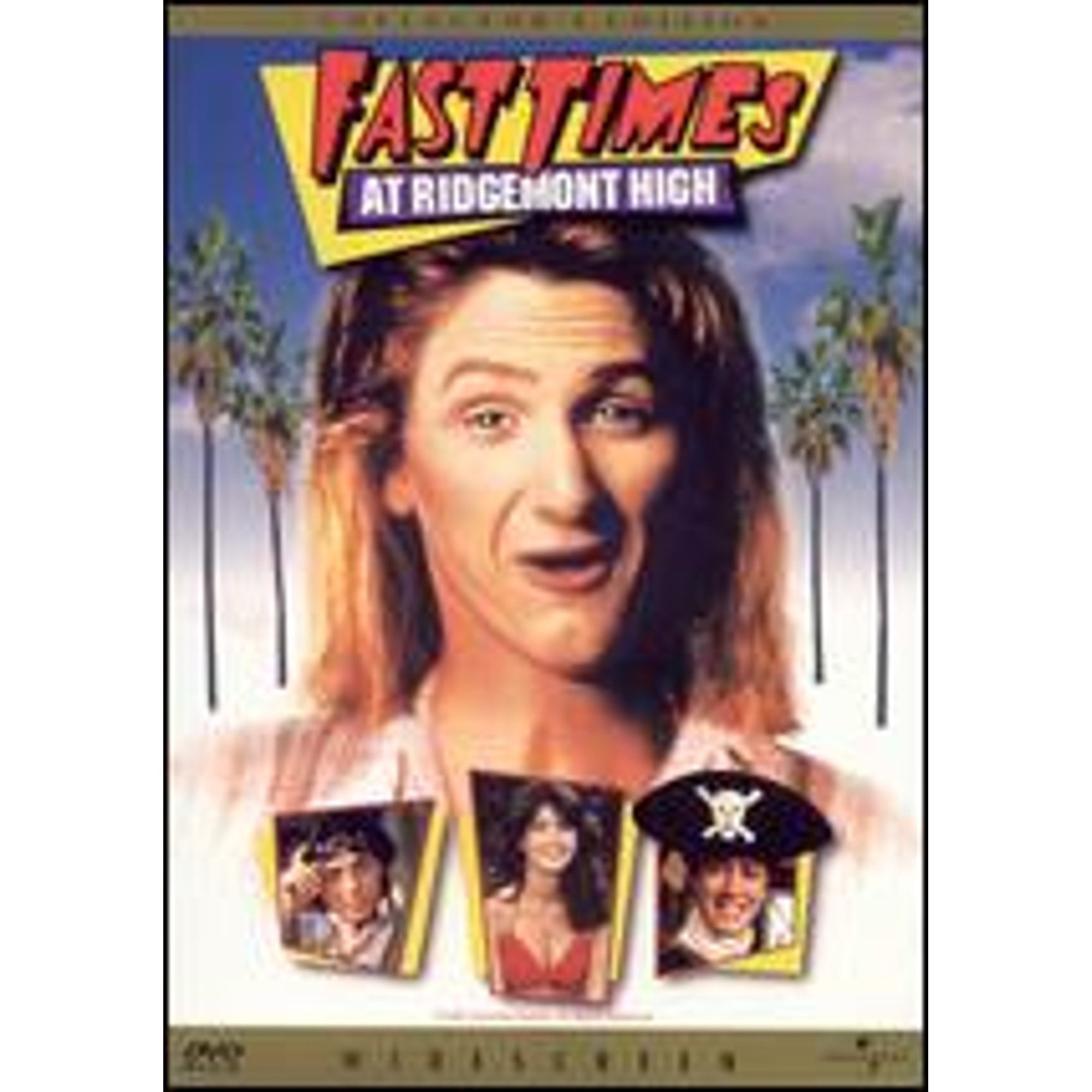
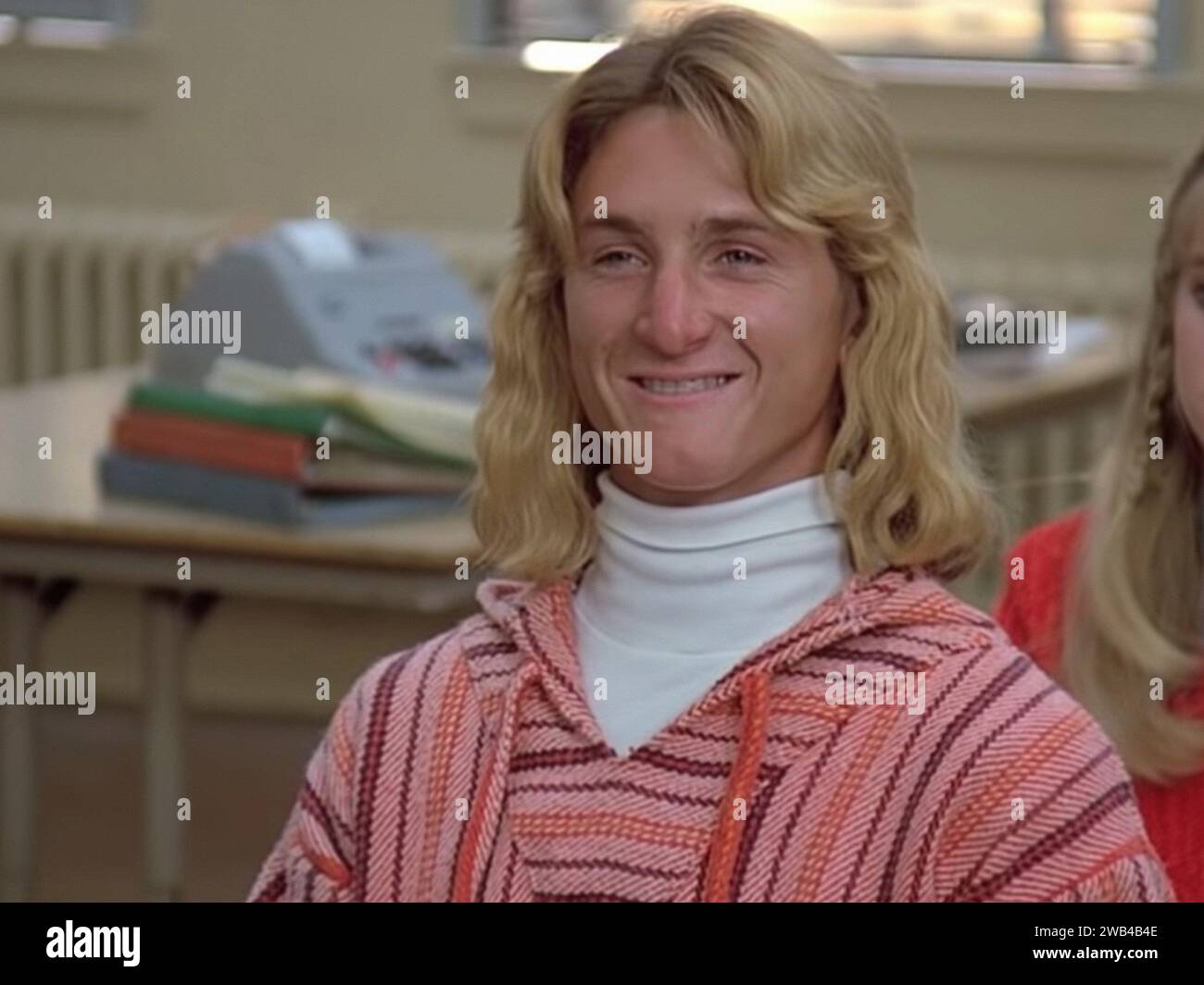
Amy Heckerling’s direction of Fast Times at Ridgemont High (1982) transformed the teen film genre from superficial slapstick into a nuanced, empathetic exploration of adolescent life. By prioritizing authentic character development over stereotypical gags, Heckerling created a cultural touchstone that remains a definitive study of American youth culture more than four decades later.
The Genesis of a Cult Classic: Heckerling and Crowe
To understand the impact of Amy Heckerling on Fast Times at Ridgemont High, one must first look at the unique collaboration between the director and the screenwriter, Cameron Crowe. In 1981, Crowe, a young journalist for Rolling Stone, went undercover at Clairemont High School in San Diego to document the real lives of teenagers. His subsequent book caught the attention of Universal Pictures, but the studio struggled to find a director who could balance the raunchy expectations of the "teen comedy" era with the sensitive, journalistic heart of Crowe’s writing.
Heckerling, a recent graduate of the American Film Institute (AFI), was not the obvious choice for a major studio production. At the time, female directors were rarely handed the reins of youth-oriented comedies, which were often viewed through a hyper-masculine lens following the success of films like National Lampoon's Animal House. However, Heckerling possessed a specific "ear" for the material. She understood that for the film to work, it could not look down on its subjects. Her vision was to treat the problems of high school students—ranging from unwanted pregnancies to the pressure of minimum-wage jobs—with the same gravity as an adult drama, even while maintaining a comedic edge.
Defining the Directorial Vision: A Shift in Perspective
In 1982, the dominant trend in teen cinema was the "sex comedy," exemplified by the massive success of Porky's. Studios wanted nudity and crude humor to drive box office numbers. Heckerling, however, subverted these expectations. While the film certainly includes nudity and adult themes, Heckerling’s "female gaze" shifted the focus.
Instead of treating the female characters, Stacy Hamilton (Jennifer Jason Leigh) and Linda Barrett (Phoebe Cates), as mere objects of desire or obstacles for the male characters, Heckerling centered their emotional journeys. The plotline involving Stacy’s loss of virginity and her subsequent abortion was handled with a matter-of-fact realism that was revolutionary for the time. Heckerling insisted on a tone that was neither judgmental nor overly sentimental. This clinical yet empathetic approach allowed the film to resonate with actual teenagers who saw their own anxieties reflected on screen without the filter of adult moralizing.
The Realism of Ridgemont
Heckerling’s technical choices furthered this sense of realism. She opted for a naturalistic lighting palette and utilized real Southern California locations, most notably the Sherman Oaks Galleria. By filming in the actual hubs of 1980s youth culture, she captured the "mall culture" of the era as a living, breathing ecosystem. The mall wasn't just a backdrop; it was the town square, the workplace, and the social arena where the characters’ identities were forged.
The Casting Brilliance of Amy Heckerling
One of Heckerling’s most enduring contributions to cinema is the ensemble cast she assembled for Fast Times. In 2026, looking back at the roster of talent, it is staggering to see how many future Academy Award winners and Hollywood staples began their careers under her direction.
The casting process was rigorous. Heckerling and casting director Don Phillips looked for "real" faces rather than polished Hollywood archetypes.
- Sean Penn as Jeff Spicoli: Penn, a serious stage actor at the time, remained in character throughout the entire production. Heckerling gave him the space to improvise and flesh out the "stoner" archetype, turning Spicoli from a potential caricature into a lovable, philosophical icon.
- Jennifer Jason Leigh as Stacy Hamilton: Heckerling chose Leigh for her ability to convey a mix of innocence and a desperate desire for maturity.
- Nicolas Cage (Nicolas Coppola): Appearing in a small role as "Brad's Bud," Cage’s presence speaks to the depth of talent Heckerling recognized early on.
- Forest Whitaker: Making his film debut as Charles Jefferson, the star football player.
Casting and Character Dynamics in Fast Times at Ridgemont High
| Character | Actor | Core Conflict/Theme | Long-term Cultural Impact |
|---|---|---|---|
| Jeff Spicoli | Sean Penn | Rebellion against authority (Mr. Hand) | Defined the "Surfer/Stoner" archetype for decades. |
| Stacy Hamilton | Jennifer Jason Leigh | Navigating sexual awakening and maturity | Recognized as one of the most honest portrayals of teen girlhood. |
| Brad Hamilton | Judge Reinhold | The indignity of the service industry and adulthood | The "All-American" teen facing the reality of post-grad life. |
| Linda Barrett | Phoebe Cates | The pressure to appear "experienced" | Iconic imagery that both embraced and subverted 80s tropes. |
| Mark Ratner | Brian Backer | Social anxiety and the "nice guy" trope | Represented the awkward, relatable core of the student body. |
| Mike Damone | Robert Romanus | The facade of confidence vs. actual immaturity | A cautionary tale of the high school "player." |
Overcoming Production Challenges and Studio Pressure
The path to the film’s success was not smooth. Universal Pictures was initially skeptical of the finished product. Executives reportedly felt the film was "too talky" and lacked the traditional structure of a comedy. There were even discussions about releasing it in only a few theaters to fulfill contractual obligations before burying it.
Heckerling had to fight to keep the tone consistent. The MPAA originally threatened the film with an X rating due to the abortion sequence and the nudity. Heckerling worked through the edit to soften specific shots while refusing to cut the underlying narrative importance of those scenes. She understood that removing the "weight" of the characters' actions would turn the film into the very thing she was trying to avoid: a vapid, forgettable sex romp.
The film eventually opened in limited release in August 1982, but strong word-of-mouth—particularly from the demographic it portrayed—forced the studio to expand its run. It eventually grossed over $27 million on a modest $5 million budget, proving that Heckerling’s instinct for authenticity was a viable commercial strategy.
The Sonic Identity: The Role of the Soundtrack
In the early 1980s, the "MTV era" was beginning to dawn, and the synergy between film and music was becoming essential. Under the supervision of music mogul Irving Azoff, Fast Times featured a powerhouse soundtrack that included The Cars, Sammy Hagar, and members of the Eagles.
However, Heckerling’s use of music went beyond marketing. She used the soundtrack to establish the internal rhythm of the characters' lives. The use of Jackson Browne’s "Somebody's Baby" during Stacy’s romantic transitions or The Cars' "Moving in Stereo" during the famous pool sequence created a sensory experience that defined the era. Heckerling understood that for teenagers, music isn't just background noise; it is the emotional score to their daily existence.
Amy Heckerling’s Directorial Style and Technique
Heckerling’s style on Fast Times can be described as "invisible direction." She avoided flashy camera movements or experimental editing that would draw attention away from the actors. Instead, she favored medium shots and long takes that allowed the ensemble's chemistry to flourish.
Her background in art and film history gave her a keen sense of composition. Many of the shots in the Ridgemont hallways are designed to feel claustrophobic, emphasizing the "fishbowl" nature of high school social hierarchies. Conversely, the outdoor scenes at the beach or the football field feel expansive, representing the freedom the characters crave but haven't quite attained.
Legacy and Impact: From 1982 to 2026
By 2026, Fast Times at Ridgemont High has transcended its status as a mere movie to become a historical document. In 2005, the Library of Congress selected it for preservation in the National Film Registry, citing its "cultural, historical, or aesthetic significance."
Heckerling’s success with the film paved the way for her future career, including hits like Look Who's Talking and the 1995 classic Clueless. However, Fast Times remains her most raw and influential work. It set the template for the "honest teen" genre, directly influencing later directors like Richard Linklater (Dazed and Confused) and Greta Gerwig (Lady Bird).
The film's longevity is a testament to Heckerling’s refusal to stereotype her characters. While the fashion and the slang are rooted in 1982, the feelings of inadequacy, the thrill of rebellion, and the pain of heartbreak are universal. Heckerling didn't just film a comedy; she archived the American teenage experience.
Frequently Asked Questions
Was Fast Times at Ridgemont High Amy Heckerling's first feature film?
Yes, it was her directorial debut. After graduating from the American Film Institute, she caught the attention of producers who were looking for a fresh, youthful perspective to helm the adaptation of Cameron Crowe's book. Her success with the project established her as one of the few prominent female directors in Hollywood during the early 1980s.
How did Amy Heckerling get the job directing Fast Times?
The film’s producers, Art Linson and Irving Azoff, were looking for a director who could handle both the comedy and the drama of the script. Heckerling impressed them with her short films and her clear vision for the characters. She famously said she wanted the movie to feel like "the real world," which aligned with Cameron Crowe's journalistic approach to the source material.
Is the movie based on a true story?
Yes. The screenplay was adapted by Cameron Crowe from his own book, Fast Times at Ridgemont High: A True Story. Crowe, then 22, posed as a student at a California high school for a year. Many of the characters, including Jeff Spicoli and Mr. Hand, were based on real individuals he encountered during his undercover research.
What was Heckerling's approach to the controversial "abortion" scene?
Heckerling fought to keep the scene in the film despite studio pushback. She wanted to depict the reality of teen life without being "preachy" or overly dramatic. By showing Stacy Hamilton dealing with the situation practically and moving on with her life, Heckerling provided one of the most grounded and non-judgmental portrayals of the topic in American cinema history.
Why is the "pool scene" considered so significant in Heckerling's filmography?
While often cited for its place in pop culture history, the scene is technically significant for how Heckerling balanced the "dream vs. reality" aspect of the narrative. It serves as a peak moment of adolescent fantasy that is immediately undercut by the reality of the characters' awkward interactions, showcasing Heckerling’s ability to blend cinematic trope with human vulnerability.
Practical Recommendation for Modern Viewers
If you are revisiting Fast Times at Ridgemont High in 2026, it is best experienced by looking past the 1980s aesthetic and focusing on the character dynamics. Pay close attention to the scenes involving the Hamilton siblings; the relationship between Brad and Stacy is one of the most authentic portrayals of sibling support in the genre. For those interested in the craft of directing, compare Heckerling's work here to her later film, Clueless. You will see a consistent directorial voice that champions the intelligence and emotional complexity of young people, a hallmark of Heckerling’s enduring contribution to the cinematic arts.