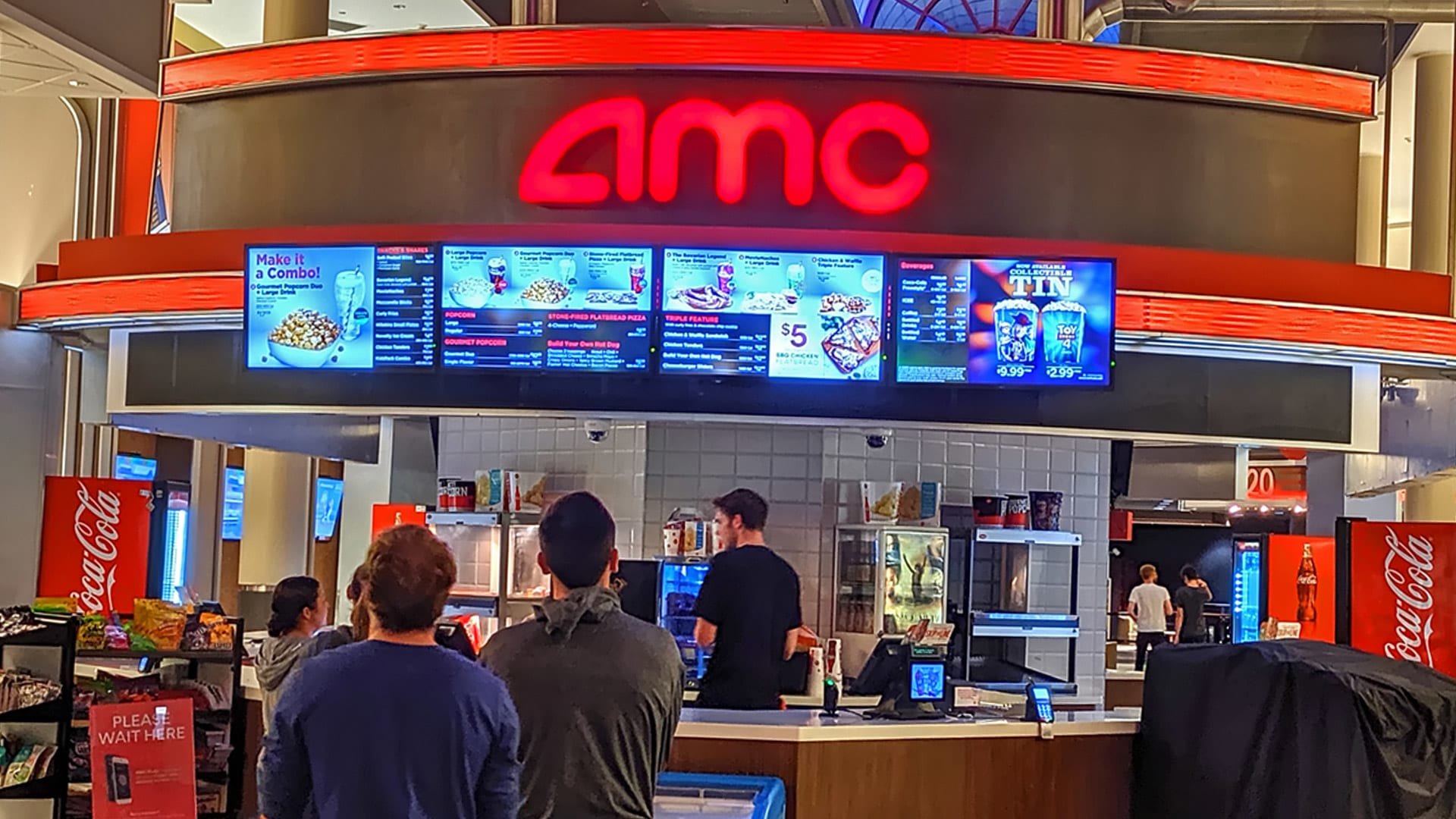
Organizing an AMC theater fundraiser involves coordinating with local theater management to host a private screening, event, or ticket-sales campaign that benefits your non-profit or community group. By leveraging the theater’s infrastructure and established film exhibition brand, organizations can raise funds through ticket premiums, concessions packages, or collaborative events, provided they meet corporate policies for event scheduling and facility usage.
Understanding the AMC Theater Fundraising Model
When considering a theater-based fundraiser, it is essential to distinguish between a "private group event" and an "official corporate partnership." AMC Theatres typically facilitates fundraising through private auditorium rentals or group sales rather than formal charity sponsorships. This means your organization is effectively acting as the client, purchasing space or inventory at a set rate, and then generating revenue by selling tickets or packages at a higher price point to your supporters.
This model requires a high degree of organizational planning. You are responsible for marketing the event, managing registration, and ensuring attendance meets the minimum requirements set by the local theater management. Because you are essentially covering the costs of the rental or ticket bulk-purchase upfront, the success of the fundraiser depends on your ability to secure enough participants to cover your overhead and generate a surplus.
Prerequisites and Eligibility Requirements
Before approaching a local AMC location, you must ensure your organization is prepared to meet the logistical requirements of a commercial cinema environment. AMC management must ensure that the event does not interfere with standard operations or violate public safety guidelines.
Organizational Requirements
- Proof of Non-Profit Status: While not always required for a simple group booking, having your tax-exempt documentation ready is professional and may be necessary if you are seeking a tax-deductible donation of space or services.
- Dedicated Marketing Personnel: You must have a team ready to promote the event, as the theater will generally not assist in selling tickets to the general public for your private function.
- Insurance Coverage: Many locations require a certificate of insurance (COI) that names the theater as an additional insured party for the duration of your event, particularly if you are bringing in outside equipment or special guests.
Operational Requirements
- Minimum Attendance: Most theater buyouts or private auditorium rentals require a minimum group size to remain cost-effective.
- Lead Time: Contact the theater at least 4 to 8 weeks in advance, especially for blockbuster release windows where auditoriums are in high demand.
- Age Appropriateness: The content of the film selected must align with both your organization's mission and the theater's policies regarding MPAA ratings and content restrictions.
Step-by-Step Execution Plan
Successfully executing an AMC theater fundraiser requires a systematic approach to project management. Follow this sequence to minimize risk and maximize engagement.
1. Site Selection and Inquiry
Identify an AMC location that is geographically central to your donor base. Contact the location directly and ask to speak with the "Group Sales" or "Event Manager." Do not rely on general ticketing support lines, as they cannot negotiate private event space.
2. Financial Feasibility Analysis
Calculate your "Break-Even Point." This is the number of tickets you must sell to cover the flat-rate rental fee or the bulk cost of tickets.
- Rental Cost / Ticket Price = Number of Attendees to Break Even.
- Include hidden costs such as promotional materials, catering (if allowed), and potential insurance premiums.
3. Marketing and Ticket Distribution
Create a dedicated landing page or use a ticketing platform to manage sign-ups. Ensure the messaging clarifies that this is a fundraiser, as attendees are often willing to pay a premium over standard ticket prices if they know the surplus is going to a charitable cause.
4. Event Execution
On the day of the event, designate a point person to meet the theater manager at least 60 minutes before the scheduled start time. This individual should handle any last-minute administrative issues, verify the audio/visual setup, and manage the entry of guests.
Comparison of Fundraising Formats
Choosing the right format depends on your organization's goals and the size of your potential audience.
| Format | Pros | Cons | Financial Risk |
|---|---|---|---|
| Private Buyout | Total control, private environment. | High minimum cost, requires large attendance. | High |
| Bulk Ticket Sale | Lower risk, flexible. | No control over theater environment. | Low |
| Concession Package | Increases revenue per head. | Requires coordination with food staff. | Moderate |
Managing Financial Risks and Logistics
The primary financial risk is the "empty seat" factor. If you commit to a buyout of a 100-seat theater and only 40 people show up, your organization is liable for the full cost. To mitigate this, consider a "hybrid" model where you do not commit to a full buyout until a minimum number of pre-sales have been secured.
Furthermore, address the "Concession Conflict." AMC theatres rely heavily on food and beverage revenue. Depending on the venue’s specific policy, you may be able to negotiate a "bundled" ticket that includes a popcorn and drink voucher. This is often more attractive to donors than a base ticket and provides the theater with predictable concession volume.
Troubleshooting Common Issues
- Film Delays: If a film's release date is pushed, ensure your agreement with the theater includes a clause for rescheduling or a full refund.
- Low Pre-sale Numbers: If you are two weeks out and have not met your break-even point, pivot immediately to a "peer-to-peer" campaign, asking board members or key volunteers to purchase blocks of tickets to distribute.
- Accessibility Needs: Verify that your chosen auditorium has adequate space for patrons with disabilities. Failure to provide an accessible environment can cause significant reputational damage to your organization.
Frequently Asked Questions
Can we host a Q&A session after the movie?
Yes, but you must arrange this in advance. It often requires renting the auditorium for additional time beyond the runtime of the film. Ensure the theater's microphone and house sound systems are tested during the sound check.
Is the food included in the rental price?
Usually, no. Theater rentals are generally for the physical space and the projection services. You must negotiate specific catering or concession packages separately, and you are rarely allowed to bring in outside food due to safety and health regulations.
Does AMC provide tax receipts for the rental?
As a rule, AMC is a for-profit commercial entity. A standard rental fee paid to a business is not a tax-deductible donation. If your organization is a non-profit, you are paying for a service, not making a charitable contribution. Consult with your accountant to classify the expense correctly.
Can we show a film we produced ourselves?
Yes, this is common for local film festivals or organization showcases. However, you must ensure you have all necessary rights to exhibit the content publicly. The theater will likely require proof of these rights before allowing the screening.
What happens if the theater has a technical failure?
Reputable theaters have backup systems. Your contract should outline the theater's responsibility in the event of power outages, projector failure, or other technical interruptions. Ensure your contact person has the direct cell phone number for the theater’s duty manager on the day of the event.
Final Recommendations for Organizers
Success in an AMC theater fundraiser is won in the planning phase, not on the day of the event. Before finalizing your booking, treat the project as a commercial business venture. Perform a conservative estimate of your audience size, add a 20% margin of error, and ensure that your ticket pricing reflects both your internal fundraising goal and the actual costs of the venue rental. By treating the theater manager as a partner and maintaining clear communication regarding your group’s needs, you can leverage the high production value of a theater experience to create a memorable and profitable event for your organization.