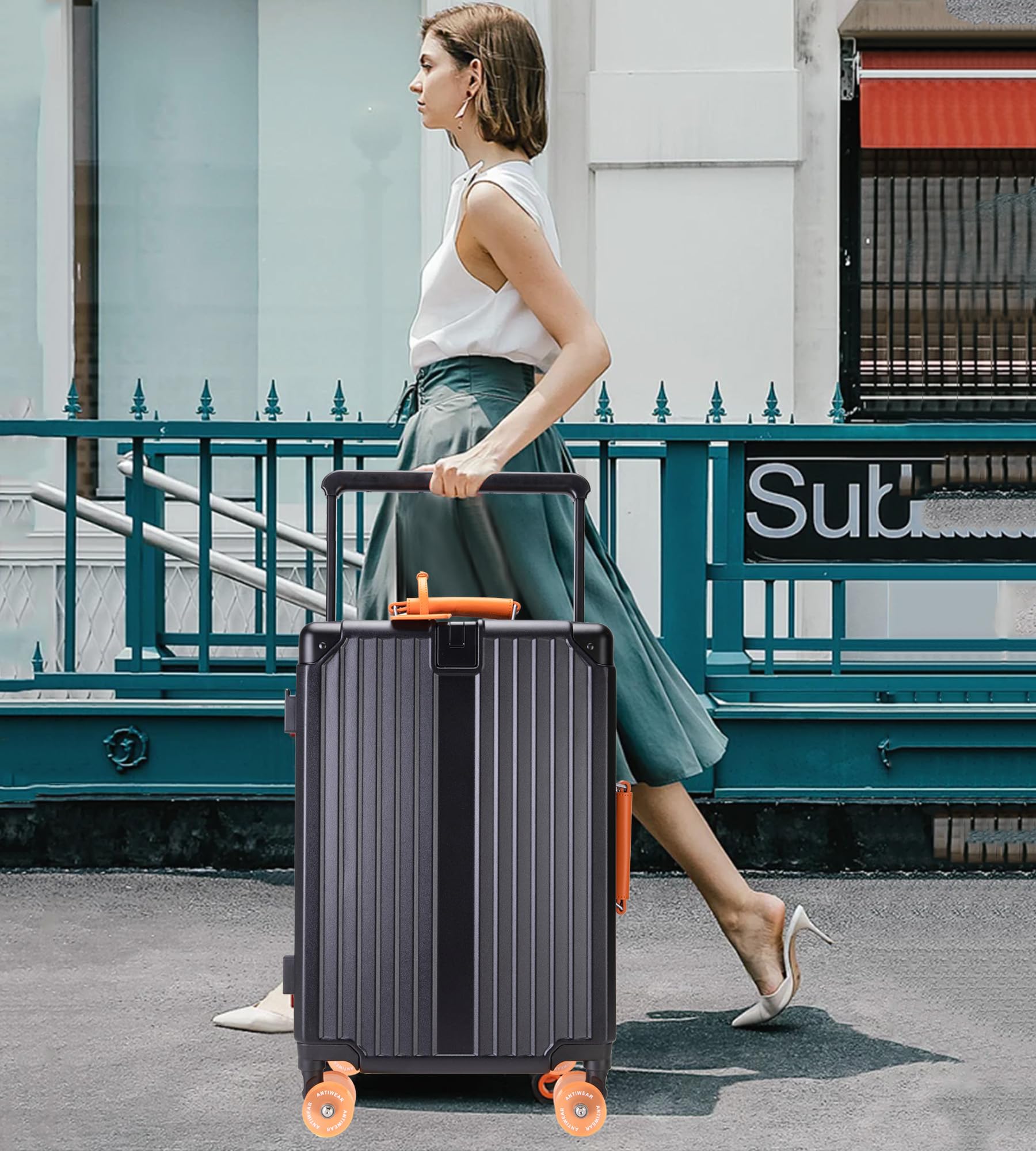
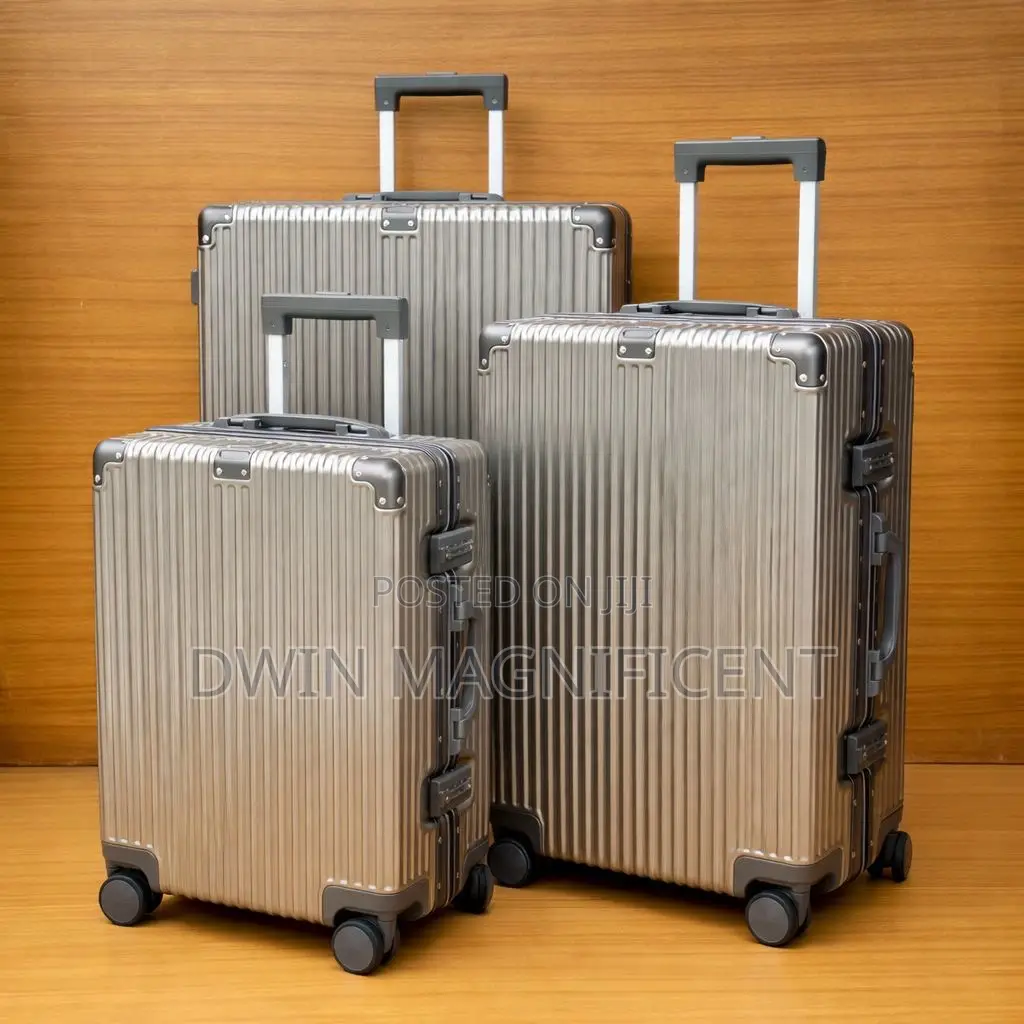
An aluminum suitcase is a premium travel investment designed for maximum security, structural integrity, and longevity. Unlike soft-shell or polycarbonate luggage, these cases utilize high-grade aluminum-magnesium alloys and zipperless latch systems to protect fragile contents from crushing and theft, while developing a unique "patina" of dents and scratches over decades of use.
The Evolution and Heritage of Aluminum Luggage
The history of the aluminum suitcase is deeply intertwined with the birth of modern aviation. In the mid-1930s, the German company Rimowa revolutionized travel by introducing the first aluminum trunk, inspired by the duralumin construction of the Junkers F13 aircraft. The signature parallel grooves, which remain an industry staple in 2026, were not merely an aesthetic choice but a functional engineering requirement to stabilize the thin metal sheets and prevent warping.
Shortly thereafter, in 1938, Erle P. Halliburton commissioned the creation of the first Zero Halliburton case. As an oil field engineer, Halliburton required a container that could withstand the harsh environments of the Texas oil fields while keeping dust and moisture out. These two brands established the two primary schools of aluminum luggage design: the European "grooved" aesthetic and the American "double-ribbed" industrial look.
By 2026, the market has expanded significantly. While legacy brands maintain their prestige, newer entrants like Away, Sterling Pacific, and Monos have introduced aluminum lines that offer varying degrees of thickness and hardware sophistication. Understanding this history is crucial because the "vintage" appeal of aluminum is one of its primary selling points; these cases are designed to be repaired, not replaced, making them a rarity in the era of disposable consumer goods.
Metallurgical Composition and Structural Engineering
To understand why an aluminum suitcase costs significantly more than a plastic equivalent, one must examine the metallurgy involved. Most high-end aluminum luggage is crafted from 5000-series or 6000-series aluminum alloys.
The Alloy Advantage
The 5000-series alloys, primarily containing magnesium, offer excellent corrosion resistance and workability. These are often used for the body panels of the suitcase. The 6000-series, which includes silicon and magnesium, is often utilized for the structural frames and corner reinforcements because of its higher strength-to-weight ratio and ability to be heat-treated.
Anodization Processes
In 2026, the "color" of an aluminum suitcase is rarely paint. Instead, it is achieved through anodic oxidation (anodization). This electrochemical process thickens the natural oxide layer on the surface of the metal. This makes the surface harder, more durable, and resistant to corrosion. Because the color is part of the metal itself, it cannot chip or peel like paint, though deep scratches will still reveal the raw silver aluminum beneath.
Riveted vs. Welded Construction
The structural integrity of an aluminum case relies on how the panels are joined. High-quality cases use a riveted construction method. Each rivet is a mechanical fastener that allows for a slight amount of flex under extreme pressure without the metal cracking. Cheaper "aluminum-look" cases often use adhesives or hidden plastic brackets, which lack the sheer strength of a traditional riveted frame.
Security: The Zipperless Revolution
One of the most compelling reasons to choose an aluminum suitcase is security. Standard luggage relies on zippers, which are the most vulnerable point of any bag. A simple ballpoint pen can be used to puncture a zipper coil, allowing a thief to access the bag and then slide the zipper pulls back over the gap to hide the evidence.
The Latch and Gasket System
Aluminum suitcases are almost exclusively zipperless. Instead, they feature a heavy-duty aluminum frame that closes flush against itself. This closure is secured by two or more TSA-approved trigger action latches. In 2026, these latches are often integrated into the frame to prevent them from being sheared off during rough handling.
Furthermore, these frames usually incorporate a rubber or silicone gasket. When the latches are closed, the gasket is compressed, creating an airtight or highly water-resistant seal. This protects your electronics, documents, and luxury goods from rain, humidity, and even accidental submersion in shallow water—something a zippered suitcase can never guarantee.
Comparing Materials: Aluminum vs. Polycarbonate vs. Nylon
Choosing the right material involves a trade-off between weight, protection, and cost. As of 2026, aluminum remains the undisputed king of protection, but it is not the lightest option.
| Feature | Aluminum | Polycarbonate | Ballistic Nylon |
|---|---|---|---|
| Durability | Extremely High (Decades) | High (5–10 Years) | Moderate (3–7 Years) |
| Impact Response | Dents (Absorbs Energy) | Flexes or Cracks | Compresses (Transmits Force) |
| Security | Highest (Latch/Zipperless) | Moderate (Zippered) | Low (Zippered/Slashable) |
| Empty Weight | Heavy (10–13 lbs) | Light (7–9 lbs) | Medium (8–11 lbs) |
| Weather Resistance | Excellent (Gasket Seal) | Good (Water Resistant) | Low (Absorbent) |
| Repairability | High (Dents can be hammered) | Low (Cracks are permanent) | High (Patchable) |
The "Patina" Philosophy: Aesthetics of the Frequent Traveler
A significant psychological barrier for first-time aluminum suitcase buyers is the inevitability of denting and scratching. Unlike polycarbonate, which is designed to bounce back to its original shape, aluminum is a "dead" metal. When it hit a sharp corner at the airport, it will dent.
To the enthusiast, this is not damage; it is a patina. Much like a well-worn leather jacket or a vintage mechanical watch, every dent on an aluminum case tells a story of a specific journey. In the luxury travel community, a pristine, shiny aluminum suitcase is often seen as a sign of a novice traveler, whereas a heavily dented, sticker-covered case is a badge of honor for the global nomad.
However, for those who prefer a cleaner look, the structural nature of aluminum allows for maintenance. Small dents can often be carefully hammered out from the inside using a rubber mallet and a wood block. Scuffs can be minimized with specialized metal polishes, though the original anodized finish can never be perfectly restored once scratched through.
Key Features to Evaluate in 2026
When shopping for an aluminum suitcase in 2026, certain technical specifications should take priority over brand name.
1. Wheel Housing and Bearings
The most common failure point on any hard-shell luggage is the wheel system. Look for dual-spinner wheels with sealed ball bearings. Because aluminum cases are heavier, the stress on the wheel axles is significantly higher. High-end brands like Rimowa use a "multiwheel" system that allows for 360-degree pivoting even when the case is loaded to 50+ pounds.
2. Telescopic Handle Stability
A wobbling handle is a sign of poor internal engineering. In a quality aluminum case, the telescopic handle tubes are made of high-grade aluminum or magnesium and are housed in a rigid internal sheath. Test for "play" or rattling; a premium handle should feel like a solid extension of the suitcase body.
3. Internal Compression Systems
Because the exterior of an aluminum case is rigid, you cannot "overstuff" it like a nylon bag. Therefore, the internal organization is critical. Look for flex-dividers or compression straps that allow you to cinch down your belongings, preventing them from shifting during transit and creating unwanted internal pressure against the latches.
4. Corner Reinforcement
The corners are the most likely areas to sustain high-impact force. Ensure the case features additional aluminum caps riveted over the corners. Some modern designs in 2026 use reinforced plastic or carbon fiber for these caps to save weight, but for maximum durability, metal-on-metal is the gold standard.
Maintenance and Long-Term Care
To ensure an aluminum suitcase lasts a lifetime, a small amount of preventative maintenance is required.
- Gasket Inspection: Once a year, wipe down the rubber gasket with a damp cloth to remove grit and dust. If the rubber feels dry, a tiny amount of silicone lubricant can prevent it from cracking.
- Latch Calibration: Over time, the frame may become slightly misaligned due to heavy impacts. If the latches become difficult to close, the frame can usually be gently "re-squared" by a professional luggage repair shop.
- Cleaning: Use a pH-neutral soap and water for the exterior. Avoid abrasive cleaners or steel wool, which will destroy the anodized finish. For stubborn adhesive residue from airline stickers, use a citrus-based solvent like Goo Gone, but test it on a small, inconspicuous area first.
Limitations and Potential Drawbacks
While the benefits are numerous, an aluminum suitcase is not the right choice for every traveler.
- The Weight Penalty: An empty aluminum carry-on typically weighs between 9 and 12 pounds. With many international airlines enforcing a 15-pound (7kg) limit for cabin baggage, an aluminum case leaves very little room for your actual belongings.
- Price Point: In 2026, a high-quality aluminum carry-on starts at approximately $600, with premium heritage brands exceeding $1,500. This is a "buy it for life" purchase that requires a significant upfront investment.
- Connectivity Issues: While mostly resolved in modern 2026 designs, the "Faraday Cage" effect remains a factor. A solid aluminum box can degrade GPS and Bluetooth signals. Ensure your luggage tracker (like an AirTag or Tile) is placed near the handle or a plastic trim piece to maintain signal strength.
Frequently Asked Questions
Does an aluminum suitcase get dented easily?
Yes, aluminum is a relatively soft metal compared to steel. It will dent upon high-impact contact with hard surfaces. However, unlike plastic luggage, aluminum rarely cracks or shatters. A dented aluminum case remains functional and can usually be repaired, whereas a cracked plastic case is often non-repairable and loses its structural integrity.
Are aluminum suitcases waterproof?
Most high-quality aluminum suitcases are highly water-resistant rather than 100% waterproof. The combination of a rigid aluminum frame and a rubber gasket seal provides superior protection against heavy rain and splashes. However, they are not designed for prolonged submersion unless specifically rated as "IP-certified" dive cases.
Why is there no zipper on most aluminum luggage?
The primary reason is security and strength. A zipper is a flexible, weak link in an otherwise rigid structure. By using a latch system, manufacturers can create a much stronger "frame-to-frame" closure that is virtually impossible to "pick" or force open without heavy tools. It also allows for the compression of a weather-sealing gasket.
Is an aluminum suitcase worth the investment?
It depends on your travel frequency and priorities. If you travel more than five times a year and value the security of your items above weight savings, an aluminum case is a sound investment. Its lifespan (often 20–30 years) far exceeds that of polycarbonate or fabric bags, resulting in a lower cost-per-trip over the long term.
Can I carry an aluminum suitcase onto a plane?
Yes, provided it meets the airline's size dimensions. However, you must be mindful of the weight. Because the suitcase itself is heavy, you are more likely to exceed the weight limit for carry-ons. Always check the specific weight restrictions for the airlines you fly most frequently before purchasing.
Final Recommendation: How to Choose
If you are ready to transition to aluminum luggage in 2026, start by evaluating your most frequent travel mode. For domestic business travelers who primarily use carry-on luggage, a classic aluminum carry-on (approx. 35–40 liters) offers the best balance of style and protection. If you are a photographer or transport sensitive equipment, a checked-size aluminum case with a gasket seal is essential for safeguarding high-value gear from airport handling and environmental factors.
Before purchasing, verify the manufacturer's warranty. Reputable brands in the aluminum space usually offer 5-year to lifetime warranties that cover functional damage (wheels, handles, latches). Remember: you aren't just buying a box; you are buying a piece of travel engineering designed to age alongside your experiences.