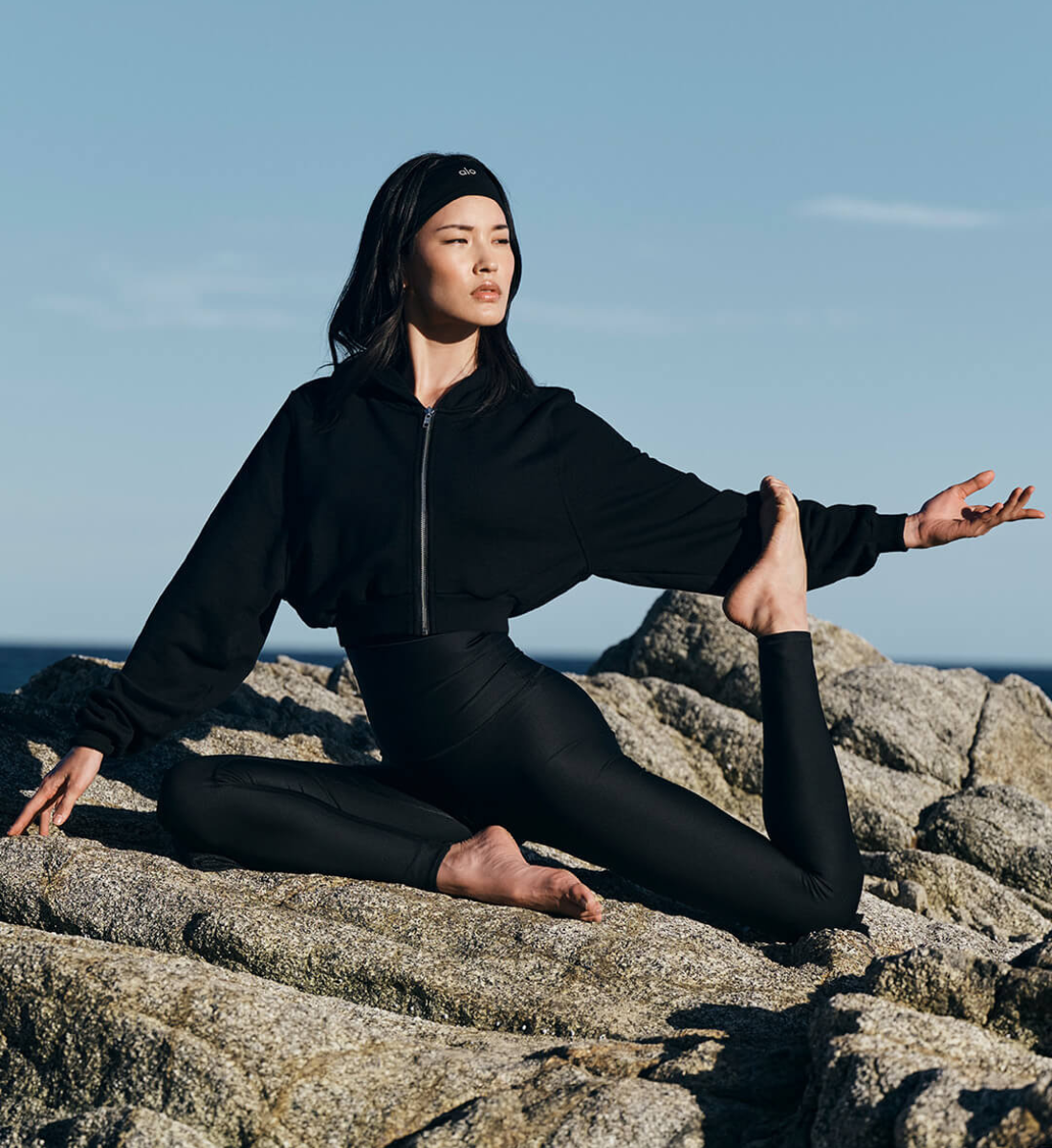
Alo Yoga was founded in 2007 in Los Angeles, California, by Danny Harris and Marco DeGeorge with the core mission of spreading mindful movement and creating high-performance yoga apparel. Since its inception, the brand has transitioned from a niche activewear provider to a global lifestyle entity, influencing both contemporary fitness culture and modern street-style aesthetics through its vertically integrated business model and distinctive branding.
The Foundation and Vision: 2007 and Beyond
When Alo Yoga launched in 2007, the activewear market was significantly different from the landscape seen in 2026. The founders, Danny Harris and Marco DeGeorge, recognized a void in the marketplace for yoga apparel that could function at a high performance level during intense studio practice while maintaining the aesthetic appeal required for everyday streetwear. Based in Los Angeles, the company drew inspiration from the city's wellness-centric culture, embedding the concepts of "Air, Land, and Ocean"—from which the name "Alo" is derived—into its operational philosophy.
The initial years were focused on establishing a reputation for quality, particularly in fabric technology. By prioritizing the development of proprietary materials, such as their signature Airlift and Alosoft fabrics, the brand positioned itself not merely as a clothing label, but as a technical gear provider. This focus allowed Alo to secure a loyal following among yoga practitioners who required clothing that provided compression, moisture-wicking capabilities, and durability without sacrificing comfort.
Scaling the Brand: From Studio to Lifestyle
As the brand matured, the definition of the "Alo consumer" expanded. The 2007 foundation provided a technical baseline that allowed the company to scale effectively throughout the 2010s and into the mid-2020s. Unlike many competitors that focused strictly on gym performance, Alo leaned heavily into the "athleisure" trend, ensuring that their designs were fashion-forward enough to be worn in professional, casual, and social settings.
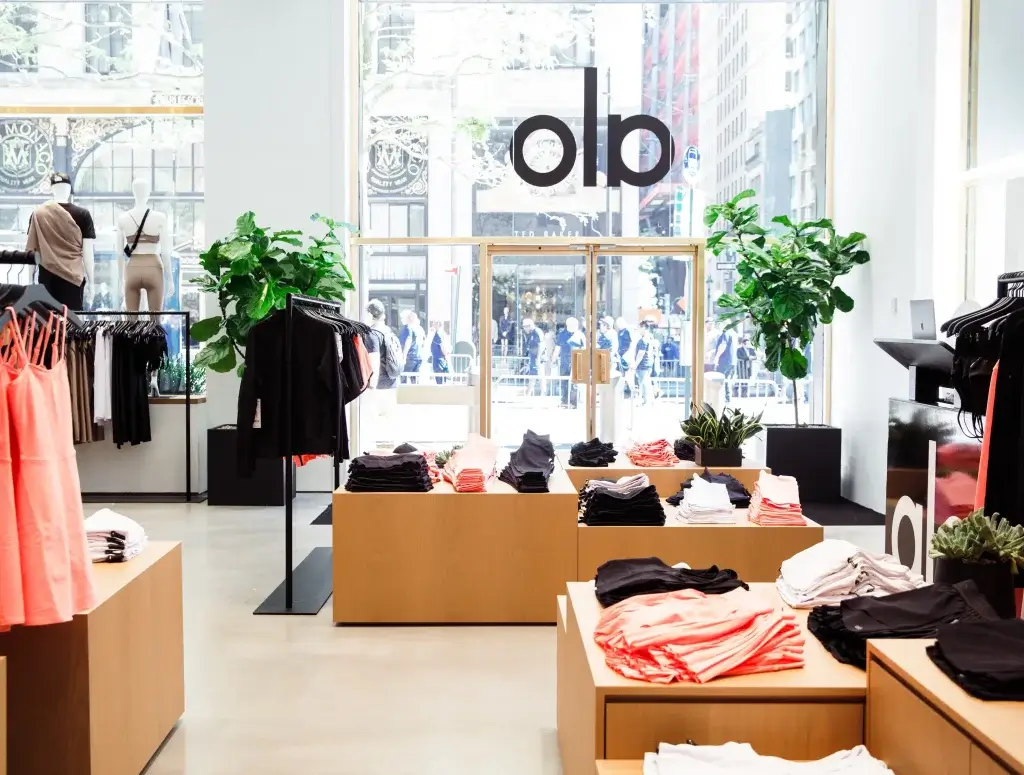
Key to this growth was a deliberate retail strategy. By opening "Alo Sanctuaries"—large-scale retail locations that often include yoga studios and wellness cafes—the brand created an immersive community experience rather than a traditional shopping environment. This strategy effectively bridged the gap between digital marketing and physical retail, fostering brand loyalty by providing a space where the company's "mindful movement" mission could be physically practiced.
Technical Innovations in Apparel
The success of Alo Yoga is deeply rooted in the technical specifications of its product lines. The apparel industry is highly competitive, and brand longevity is often determined by the ability to innovate in material science. The company’s approach to fabric development addresses the specific requirements of yoga practitioners:
- Airlift Fabric: Designed for high-intensity movement, this material is known for its sculpting effect and breathable, double-knit construction. It is engineered to feel like a second skin while providing necessary support.
- Alosoft Fabric: Tailored for comfort and lounge, this fabric is characterized by its velvety soft texture, making it suitable for lower-intensity yoga styles or casual daily wear.
- Sustainability Efforts: By 2026, the brand has integrated more circular design practices, focusing on reducing waste during the manufacturing process and sourcing materials that align with modern environmental standards.
Strategic Marketing and Cultural Influence
The brand's rise from 2007 to the current year, 2026, was not accidental. Alo Yoga mastered the use of social media and influencer partnerships long before they became industry standard. By aligning the brand with yoga influencers and celebrities who embody the wellness lifestyle, the company maintained a high level of aspirational visibility.
This marketing strategy helped Alo transcend the functional limitations of activewear. By positioning their products as a status symbol within the wellness economy, they managed to maintain premium price points. In the current market, the brand’s ability to generate "hype" through limited-edition color drops and collaborations has mirrored the strategies typically seen in luxury streetwear, marking a departure from traditional sports apparel marketing.
Comparing Alo Yoga’s Market Positioning
To understand the brand's position in the 2026 fitness and apparel landscape, it is helpful to compare it with other market participants. Alo competes in the premium activewear segment, where performance, design, and brand ethos are equally weighted.
| Feature | Alo Yoga | Traditional Sportswear | Luxury Fashion Houses |
|---|---|---|---|
| Focus | Yoga & Wellness Lifestyle | Performance/Athletic Training | Runway/High Fashion |
| Material | Proprietary Blends | Synthetic/Performance Knits | Wool/Silk/Synthetic Blends |
| Target Audience | Conscious Wellness Consumers | Professional/Amateur Athletes | Trend-Driven Consumers |
| Retail Strategy | Immersive "Sanctuaries" | Wholesale/Outlet/Mass Retail | Boutique/Department Store |
Challenges and Operational Evolution
Operating as a global brand since 2007 has required significant evolution in supply chain management and retail operations. Like many fashion companies, Alo has had to navigate the complexities of international trade, labor ethics, and environmental impact. For consumers looking at the brand in 2026, the company maintains a focus on ethical manufacturing practices, often highlighting its "no sweatshop" policy.
However, the rapid growth from a niche 2007 entity to a global household name has brought challenges. As of 2026, the brand must constantly balance the maintenance of its "mindful" core identity with the pressures of commercial mass production and market saturation. Ensuring that quality control remains consistent as volume increases is a persistent challenge for any brand operating at this scale.
Frequently Asked Questions
1. Was Alo Yoga really founded in 2007? Yes, the company was established in 2007 in Los Angeles. It was founded by Danny Harris and Marco DeGeorge with the objective of creating high-quality, technically proficient yoga apparel that was also stylish enough for everyday wear.
2. What distinguishes Alo Yoga from other fitness brands? Alo differentiates itself through its "Sanctuary" retail concept, which integrates yoga studios and wellness services into the shopping experience. Furthermore, its focus on "studio-to-street" design—meaning clothes that perform well in a yoga class but are stylish enough for social environments—is a core part of its brand identity.
3. Does Alo Yoga offer yoga classes in addition to apparel? Yes, the company operates an extensive digital platform called Alo Moves, which provides on-demand yoga, fitness, and meditation classes. This integration of content and product is a major part of their current business model as of 2026.
4. How has the company changed since 2007? While the original mission remains the same, the company has scaled from a direct-to-consumer and wholesale model into a multi-channel global retailer with massive physical "Sanctuary" spaces and a significant digital media presence. Its product range has also expanded from basic yoga wear to include high-end loungewear, footwear, and skincare products.
5. Is the apparel provided by Alo Yoga suitable for non-yoga activities? While the garments are engineered for yoga—prioritizing flexibility and breathability—their design is highly versatile. By 2026, many consumers use the products for weight training, running, Pilates, and general lifestyle activities due to the durability of the technical fabrics used.
Next Steps for Consumers
When engaging with the brand in 2026, new customers should first determine their primary usage case. If you are seeking high-performance gear for hot yoga or high-intensity training, focus on the "Airlift" collection for its moisture-wicking and sculpting properties. If your primary goal is comfort, relaxation, or leisure, the "Alosoft" or "Cashmere" lines are more appropriate.
Before making a purchase, consult the brand’s size guide carefully, as the compression levels in their performance fabrics can lead to a tighter fit than traditional athletic wear. For those interested in the full brand experience, consider visiting a local "Sanctuary" location to trial the apparel in a functional setting or utilize their online platform for guided practice.