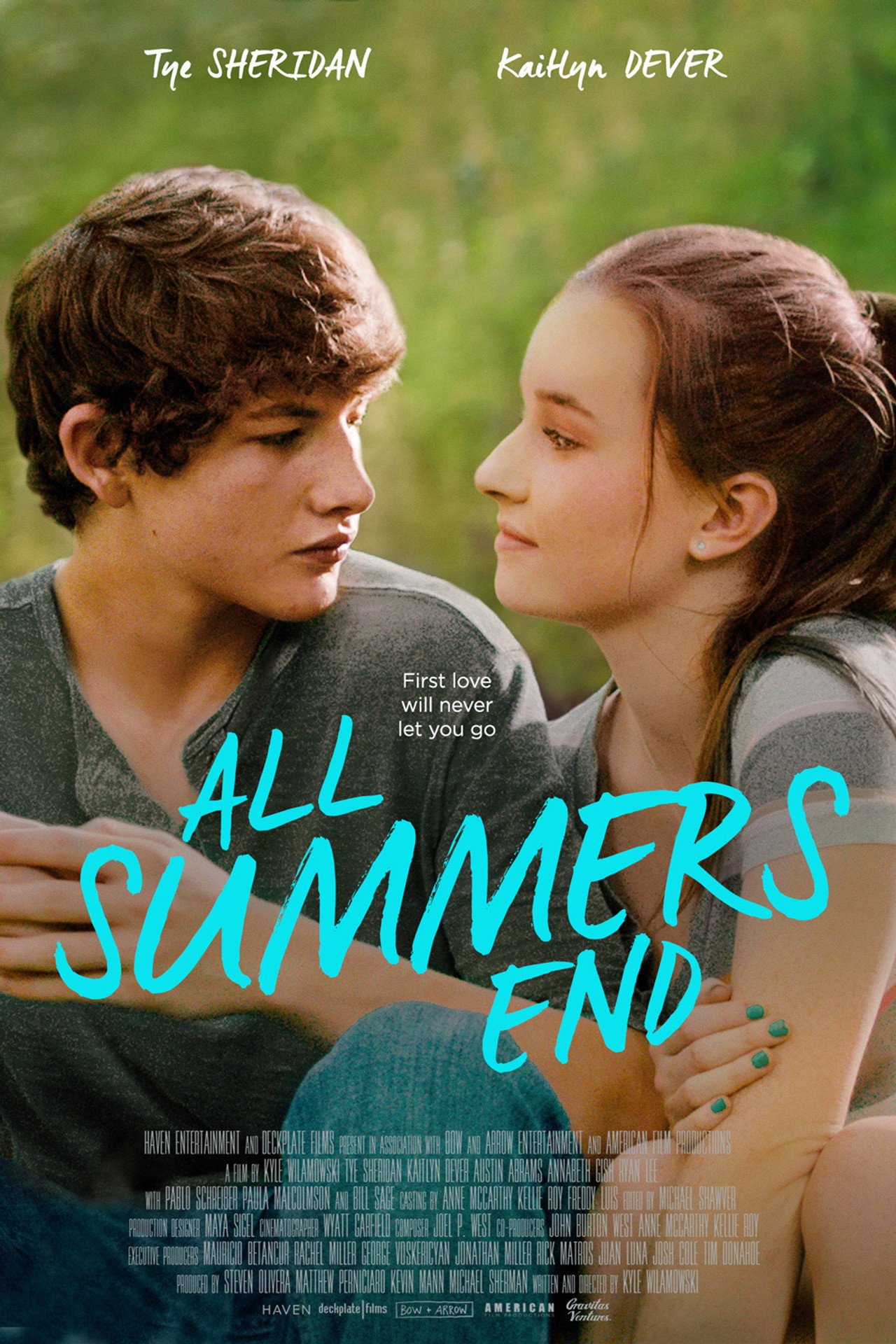
All Summers End is a 2017 coming-of-age drama that explores the harrowing intersection of first love and devastating guilt. Directed by Kyle Wilamowski, the film follows a teenage boy who must navigate a blossoming romance with a girl whose family is grieving a tragedy he secretly caused during a summer prank.
The film, originally titled Grass Stains, represents a poignant entry in the "American Summer" cinematic tradition. Set against the backdrop of rural landscape and the fleeting freedom of youth, it serves as a psychological study of how a single moment of poor judgment can irrevocably alter the trajectory of multiple lives. As of 2026, the movie remains a notable touchstone for fans of the genre, particularly for its early-career performances from actors who have since become major industry staples.
The Evolution from 'Grass Stains' to 'All Summers End'
The journey of the film began under the title Grass Stains. The original name evoked the physical and metaphorical marks of childhood play—stains that are difficult to remove and serve as reminders of time spent in the dirt. However, as the film moved through the festival circuit, including its premiere at the Santa Barbara International Film Festival in February 2017, it was eventually re-titled to All Summers End.
This title change reflects a shift toward a more elegiac tone. While Grass Stains feels grounded and tactile, All Summers End suggests a broader, more inevitable loss of innocence. It leans into the seasonal metaphor where summer represents the peak of youth and the "end" represents the onset of adult consequences and the winter of grief. The rebranding was likely an effort to align the film with the sweeping, emotional dramas that typically resonate with audiences seeking high-stakes coming-of-age narratives.
Production took place primarily in North Carolina, a state known for its evocative greenery and humid, atmospheric summers. This setting was crucial for director Kyle Wilamowski, who sought to capture a specific "timeless" quality. By avoiding heavy reliance on modern technology or specific historical markers, the film feels like it could take place in the 1990s or the early 2010s, allowing the emotional core of the story to remain the primary focus.
Plot Breakdown: The Weight of a Secret
The narrative of All Summers End is anchored by Conrad Stevens (played by Tye Sheridan). Conrad is an average teenager whose life revolves around his tight-knit group of friends and the typical mischief of a small-town summer. The inciting incident occurs when a prank involving a stop sign goes horribly wrong, resulting in the accidental death of Eric Turner, the older brother of Conrad’s love interest, Grace (played by Kaitlyn Dever).
The Incident and Its Aftermath
The film does not shy away from the mechanics of the tragedy. It portrays the prank not as an act of malice, but as an act of thoughtless adolescent boredom. This distinction is vital for the film’s moral complexity. If Conrad were a "bad kid," the story would be a simple crime drama. Because he is a "good kid" who made a fatal mistake, the story becomes a study in moral injury.
In the wake of the accident, the community is paralyzed by grief. Conrad, consumed by a secret he cannot share with his friends or the authorities, finds himself drawn to the Turner family. This creates a haunting paradox: he is the source of their pain, yet he becomes one of the few people capable of offering Grace the comfort she desperately needs.
Romance Built on a Lie
The relationship between Conrad and Grace is the heart of the film. As they grow closer, the tension between Conrad’s genuine affection for Grace and his crushing guilt creates an almost unbearable atmosphere. The film explores the "first love" trope through a fractured lens. Usually, first love is about discovery and openness; here, it is defined by concealment.
Every moment of intimacy is tainted by the knowledge of the missing stop sign. The screenplay meticulously tracks Conrad’s internal erosion as he attempts to be the person Grace needs while knowing he is the person who destroyed her world. This narrative choice forces the audience into a position of uneasy empathy, questioning whether redemption is possible when the foundation of a relationship is built on a lie of omission.
Character Profiles and Casting Performance
The enduring relevance of All Summers End in 2026 is largely attributed to its casting. Looking back, the film served as a showcase for young talents who would go on to dominate both independent and blockbuster cinema.
Tye Sheridan as Conrad Stevens
Sheridan delivers a performance characterized by internalized conflict. Known for his work in The Tree of Life and Mud, Sheridan brought a grounded, rugged vulnerability to Conrad. In All Summers End, he utilizes silence effectively, conveying a sense of being "hollowed out" by his secret. His portrayal avoids the melodrama often found in teen dramas, opting instead for a simmering anxiety that makes the eventual climax feel earned.
Kaitlyn Dever as Grace Turner
Kaitlyn Dever, who later gained massive acclaim for Booksmart, Dopesick, and the television adaptation of The Last of Us, provides a masterclass in nuanced grief. As Grace, she must balance the light of a new romance with the darkness of losing a brother. Dever portrays Grace not just as a victim, but as a resilient young woman trying to find a path forward. Her chemistry with Sheridan is palpable, which makes the stakes of Conrad’s deception feel significantly higher.
Supporting Cast and Atmospheric Influence
The supporting cast adds layers of realism to the small-town setting. Pablo Schreiber plays a pivotal role, bringing a grounded adult perspective to the fallout of the tragedy. Annabeth Gish and Bill Sage provide veteran stability, portraying parents who are struggling to maintain a sense of normalcy in a family that has been shattered. These performances ensure that the "adult world" feels as real and consequential as the world of the teenagers.
Themes of Guilt and the End of Innocence
The primary thematic concern of All Summers End is the transition from childhood to adulthood, specifically through the lens of accountability. In many coming-of-age films, the "end of innocence" is triggered by a first kiss or a move to college. In this film, it is triggered by the realization that actions have permanent, irreversible consequences.
The Nature of Guilt
The film examines how guilt manifests physically and socially. Conrad begins to isolate himself from his peers, unable to participate in their continued levity. His guilt acts as a wall, separating him from the carefree nature of youth. The movie suggests that guilt is a private prison, and while the legal system may not have caught Conrad, his conscience serves as both judge and jailer.
The Burden of Truth
A secondary theme is the ethics of confession. The film poses a difficult question: is it better to confess and destroy the peace of those who have found a way to cope, or is it better to carry the burden alone to spare them further pain? This moral ambiguity prevents the film from offering easy answers, reflecting the messy reality of human error and forgiveness.
Technical Specifications and Release History
To understand the film’s standing in 2026, it is helpful to look at the logistical details of its production and its eventual path to the public.
| Feature | Specification |
|---|---|
| Director/Writer | Kyle Wilamowski |
| Release Date | May 4, 2018 (Limited/VOD) |
| Original Title | Grass Stains |
| Primary Genre | Drama / Coming-of-Age |
| Filming Location | North Carolina, USA |
| Runtime | 110 Minutes |
| Cinematography | Alejandro De Leon |
| Music | Joel P. West |
| Lead Cast | Tye Sheridan, Kaitlyn Dever, Pablo Schreiber |
Critical Reception and Audience Impact
Upon its release in 2018, All Summers End received a mixed to positive response from critics. Most praised the performances of Sheridan and Dever, noting that their talent elevated what could have been a standard indie drama.
Critical Consensus
Critics often pointed to the film’s atmospheric cinematography and its refusal to rely on "movie magic" to solve its central conflict. Reviews from outlets like The Hollywood Reporter and Variety at the time noted Wilamowski’s confident directing debut, though some felt the pacing was deliberate to the point of being slow. However, for many viewers, this slow pace was necessary to mirror the stagnation of grief.
Audience Perspective
Among audiences, the film has found a second life on streaming platforms. It is frequently cited in "hidden gem" lists for fans of emotional dramas. The film’s exploration of a "life-changing mistake" resonates particularly well with younger audiences who are navigating their own transitions into adulthood and the weight of digital-age accountability.
Comparison to Similar Coming-of-Age Works
All Summers End is often compared to other works that deal with the darker side of youth in the American South or Midwest.
- Mud (2012): Also starring Tye Sheridan, this film shares a similar interest in the moral complexities of young boys navigating the secrets of adults.
- The Spectacular Now (2013): While more focused on substance abuse and romance, it shares the same "raw" and "honest" approach to teenage emotion.
- A Walk to Remember (2002): Shot in similar North Carolina locations, All Summers End acts as a darker, more grounded subversion of the "tragic romance" trope found in Nicholas Sparks adaptations.
- Mean Creek (2004): This is perhaps the closest thematic relative, as it also deals with a prank that leads to an accidental death and the subsequent psychological fallout for the group involved.
Why 'All Summers End' Remains Relevant in 2026
As we look back from the year 2026, All Summers End occupies a specific niche in cinema history. It was part of a wave of "pre-prestige" indie films for actors who are now icons of the screen. Watching Sheridan and Dever in these roles provides a fascinating look at their developmental years as performers.
Furthermore, the film’s themes have not aged. The concept of a momentary lapse in judgment leading to a lifetime of regret is a universal human experience. In an era where "cancel culture" and public accountability are at the forefront of social discourse, a film that looks at the internal, private struggle of a person trying to reconcile a terrible mistake is more relevant than ever.
The movie does not offer a "happily ever after," which is perhaps its greatest strength. It acknowledges that some things cannot be fixed, and some summers truly do end with a coldness that never quite goes away. It is a somber, beautiful reminder that growing up is often as much about what we lose as what we gain.
Frequently Asked Questions
Is 'All Summers End' based on a true story?
No, the film is an original screenplay written by Kyle Wilamowski. While it feels deeply realistic and reflects the types of tragic accidents that can happen in small towns, the characters and the specific incident of the stop sign prank are fictional creations designed to explore themes of guilt and redemption.
What happened to the brother in the movie?
Eric Turner, the older brother of Grace, dies in a car accident. The accident occurs because Conrad and his friends stole a stop sign as part of a prank. Because the sign was missing, Eric drove through the intersection without stopping and was struck by another vehicle. This tragedy serves as the catalyst for the entire plot.
Why was the title changed from 'Grass Stains'?
The title was changed to All Summers End to better reflect the melancholic and final nature of the story's themes. While Grass Stains was the original title during production and early festival screenings, the new title was considered more evocative for a wider release, emphasizing the end of childhood innocence.
Where can I watch 'All Summers End' in 2026?
As of 2026, the film is primarily available through major video-on-demand (VOD) services and often rotates through various subscription-based streaming platforms. Because it was an independent release, it is frequently found on platforms that specialize in indie cinema or through digital retailers like Amazon, Apple TV, and Google Play.
Does the movie have a happy ending?
The ending is best described as bittersweet or realistic rather than "happy." The film focuses on the emotional resolution of Conrad's guilt and the revelation of the truth. It prioritizes honesty over a traditional tidy conclusion, suggesting that while healing is possible, things will never return to the way they were before the accident.
Practical Recommendation for Viewers
If you are planning to watch All Summers End, it is best approached as a character study rather than a fast-paced thriller. To get the most out of the experience, consider the following:
- Watch for the performances: Pay close attention to the non-verbal cues from Tye Sheridan and Kaitlyn Dever. Much of the film’s story is told through their expressions and what they don't say.
- Contextualize the setting: The North Carolina backdrop is almost a character itself. The heat and the isolation of the rural setting contribute significantly to the film’s mood.
- Prepare for a heavy tone: This is an emotional drama that deals with death, grief, and moral failure. It is an excellent choice for viewers who appreciate "think-pieces" and movies that linger in the mind long after the credits roll.