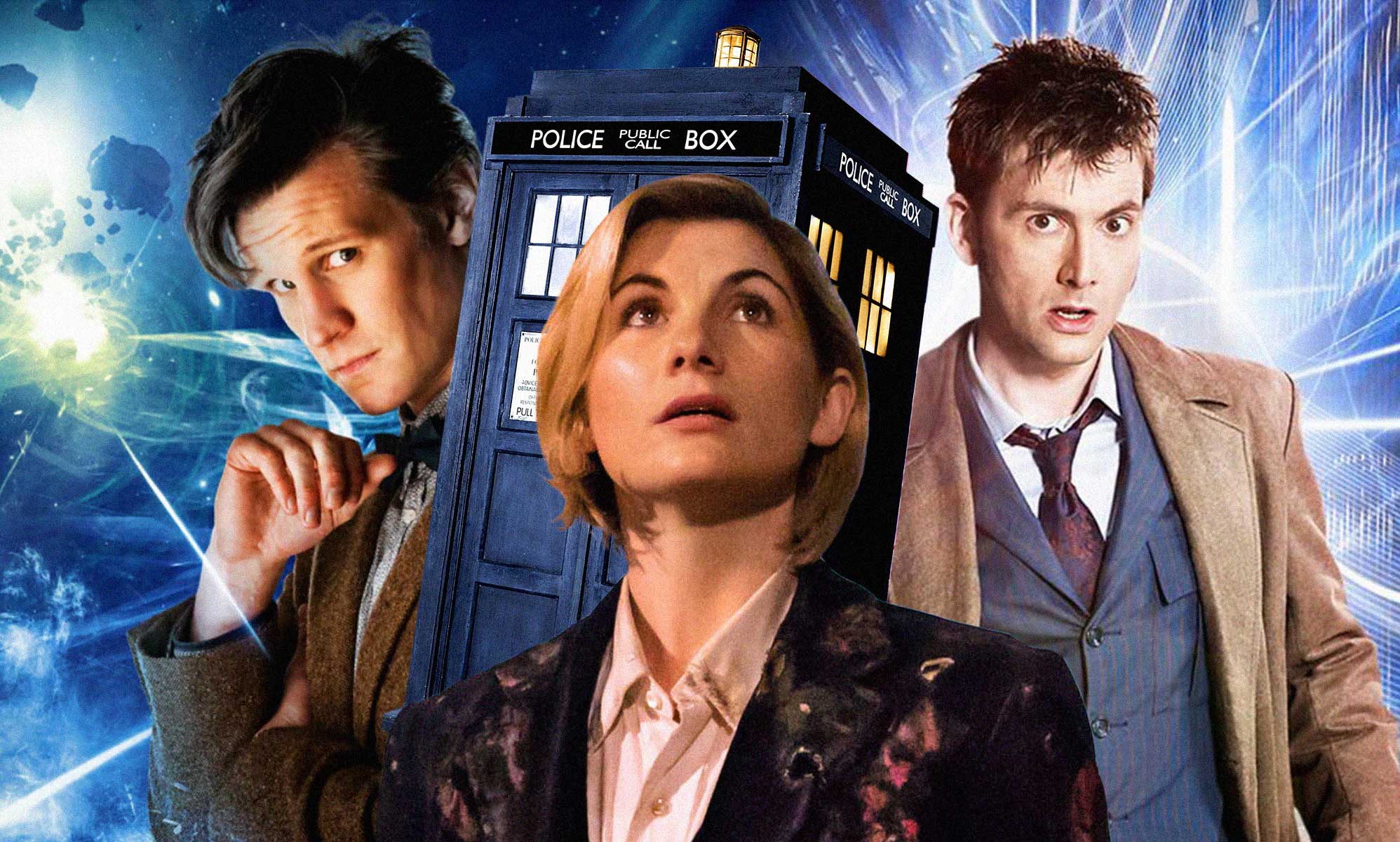
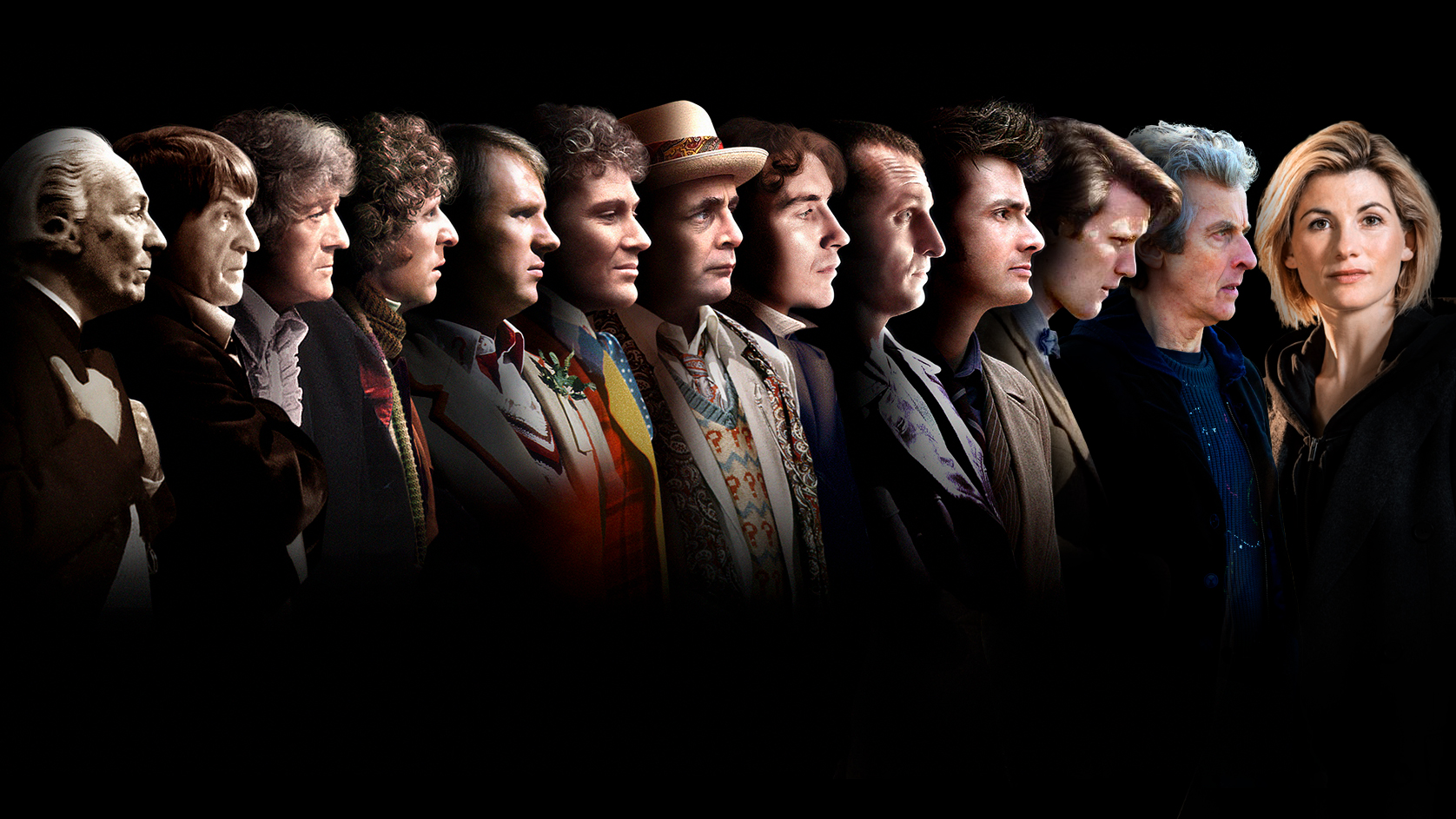
The Doctor from Doctor Who has been portrayed by 15 primary numbered actors since 1963, beginning with William Hartnell and continuing through the current 2026 incumbent, Ncuti Gatwa. This sequence includes the Classic Era (1963–1989), the 1996 TV Movie, and the Modern Revival (2005–present), along with significant non-numbered incarnations like the War Doctor and the Fugitive Doctor.
Understanding the lineage of the Doctor requires navigating over sixty years of television history, several "soft reboots," and complex lore expansions like the "Timeless Child." While the Doctor is the same Time Lord from the planet Gallifrey, each regeneration brings a new personality, wardrobe, and approach to the TARDIS. As of 2026, the show has solidified its global presence through its partnership with Disney+, making the full timeline more accessible than ever to new viewers.
The Classic Era: Foundations of a Legend (1963–1989)
The Classic Era established the fundamental tropes of the series: the TARDIS, the Daleks, the Cybermen, and the concept of regeneration itself. During this 26-year initial run, seven actors held the mantle, each defining the character for a different generation.
1. William Hartnell: The First Doctor (1963–1966)
William Hartnell portrayed the Doctor as a grandfatherly, sometimes abrasive, yet deeply curious exile. Initially traveling with his granddaughter Susan and two schoolteachers, this Doctor was less of a "hero" and more of a mysterious scientist. His era established that the Doctor was a renegade from his own people, though the name "Time Lord" wasn't used until much later.
2. Patrick Troughton: The Second Doctor (1966–1969)
When Hartnell’s health declined, the producers invented "renewal" (later regeneration). Patrick Troughton’s Second Doctor was a "cosmic hobo"—shabbier, more playful, and deceptively clever. He often played a recorder and acted less capable than he actually was to lower his enemies' guard. This era introduced the Time Lords in the final serial, The War Games.
3. Jon Pertwee: The Third Doctor (1970–1974)
The Third Doctor was an action hero. Exiled to Earth by the Time Lords, he worked as a scientific advisor to UNIT (United Nations Intelligence Taskforce). Pertwee’s Doctor was dapper, drove a vintage car named Bessie, and mastered "Venusian Aikido." This era moved the show into color and introduced the Doctor’s arch-nemesis, the Master.
4. Tom Baker: The Fourth Doctor (1974–1981)
Tom Baker remains the longest-serving Doctor in the show’s history. Characterized by his incredibly long multi-colored scarf and a love for jelly babies, the Fourth Doctor was a bohemian wanderer. His era is often cited as the show's "Golden Age," blending gothic horror with high-concept science fiction.
5. Peter Davison: The Fifth Doctor (1982–1984)
Following Baker’s eccentricities, Peter Davison played a more vulnerable, youthful, and human Doctor. Wearing a cricket-themed outfit with a piece of celery on his lapel, the Fifth Doctor often found himself in crowded TARDIS scenarios with multiple companions, emphasizing a more collaborative and often tragic tone.
6. Colin Baker: The Sixth Doctor (1984–1986)
The Sixth Doctor was a sharp departure: loud, arrogant, and dressed in a chaotic technicolor coat. While controversial at the time due to his abrasive nature, Colin Baker’s performance has been vindicated in later years, particularly through the Big Finish audio dramas, which allowed his character’s depth and hidden compassion to shine.
7. Sylvester McCoy: The Seventh Doctor (1987–1989)
Sylvester McCoy began as a bumbling, comedic figure but evolved into a dark, manipulative chess player. As the show faced declining budgets and internal pressure, the Seventh Doctor's era began the "Cartmel Masterplan," an attempt to restore mystery to the Doctor’s origins. The show was canceled in 1989, leaving McCoy as the final television Doctor for several years.
The Wilderness Years and the TV Movie (1990–2004)
After the series was canceled, Doctor Who lived on through novels and comics. In 1996, a co-production between the BBC and Universal Pictures attempted to relaunch the show in America.
8. Paul McGann: The Eighth Doctor (1996)
Paul McGann appeared in a single TV movie, portraying a romantic, Victorian-inspired Doctor. While the movie failed to launch a new series, McGann became a fan favorite. In 2013, he finally received a televised regeneration scene in the minisode The Night of the Doctor, and he has made several cameos in the modern era, including the 2022 centenary special.
The Modern Revival: A Global Phenomenon (2005–2022)
In 2005, Russell T Davies brought the show back to the BBC. The "New Who" era introduced the Time War—a devastating conflict between the Time Lords and the Daleks that had occurred off-screen.
9. Christopher Eccleston: The Ninth Doctor (2005)
Eccleston’s Doctor was a battle-scarred survivor. Wearing a simple leather jacket instead of a costume, he brought a grounded, gritty intensity to the role. His single season successfully modernized the show, making it accessible to a 21st-century audience.
10. David Tennant: The Tenth Doctor (2005–2010)
David Tennant’s portrayal turned the Doctor into a "lonely god" and a romantic lead. With his pinstripe suits and Converse sneakers, the Tenth Doctor became a pop-culture icon. His era was defined by high emotional stakes and the tragic loss of companions like Rose Tyler and Donna Noble.
11. Matt Smith: The Eleventh Doctor (2010–2013)
The youngest actor cast in the role, Matt Smith played the Eleventh Doctor as an "old man in a young body." His era, overseen by Steven Moffat, embraced a "fairy tale" aesthetic. Known for his bow ties and "fezzes," the Eleventh Doctor’s stories involved complex time-travel paradoxes and the mystery of the "Silence."
12. Peter Capaldi: The Twelfth Doctor (2013–2017)
Peter Capaldi brought a more mature, prickly, and philosophical tone back to the TARDIS. Initially a "100% rebel Time Lord," his Doctor eventually softened into a kind but firm mentor figure. His performance is widely regarded as one of the most nuanced and technically proficient in the history of the show.
13. Jodie Whittaker: The Thirteenth Doctor (2017–2022)
Jodie Whittaker made history as the first woman to officially play the Doctor. Her era was characterized by a sense of breathless wonder and a focus on historical figures. During her tenure, the "Timeless Child" arc was introduced, revealing that the Doctor was not a Gallifreyan but a being from an unknown dimension with infinite regenerations.
Special Incarnations and Anomalies
Several Doctors exist outside the traditional 1–15 numbering system due to retcons or specific narrative functions.
- The War Doctor (John Hurt): Introduced in the 50th Anniversary Special (The Day of the Doctor), he is the incarnation that existed between the Eighth and Ninth Doctors. He renounced the name "Doctor" to fight in the Time War.
- The Fugitive Doctor (Jo Martin): Introduced during the Thirteenth Doctor’s era, she is a "lost" incarnation from the Doctor's pre-Hartnell past, working for a mysterious Gallifreyan agency called the Division.
- The Valeyard (Michael Jayston): Appearing in the 1986 Trial of a Time Lord arc, the Valeyard is described as an amalgamation of the Doctor's darker sides, existing somewhere between his twelfth and final incarnations.
The New Era: The Fourteenth and Fifteenth Doctors (2023–2026)
Following the 60th Anniversary in 2023, the show entered a new phase of production with a massive budget increase and a global distribution deal.
14. David Tennant: The Fourteenth Doctor (2023)
In a shocking twist, the Thirteenth Doctor regenerated back into a familiar face. David Tennant returned as the Fourteenth Doctor for three special episodes. This incarnation was distinct from the Tenth, carrying the weight and experience of the subsequent Doctors. The era ended with a "bi-generation," allowing the Fourteenth Doctor to retire and heal while a new incarnation was born.
15. Ncuti Gatwa: The Fifteenth Doctor (2023–Present)
Ncuti Gatwa’s Fifteenth Doctor is the current lead as of 2026. This Doctor is defined by emotional openness, high-fashion sensibilities, and a renewed sense of joy. Released from the trauma of the Time War thanks to the bi-generation process, the Fifteenth Doctor’s adventures have leaned into "fantasy-sci-fi" hybrids, featuring musical numbers and mythological threats.
Complete Chronological Table of Doctors
The following table provides a quick reference for the primary televised incarnations of the Doctor through 2026.
| Number | Actor | Years Active (TV) | Primary Companion(s) | Notable Trait/Item |
|---|---|---|---|---|
| 1st | William Hartnell | 1963–1966 | Susan, Ian, Barbara | Astrakhan hat, Cane |
| 2nd | Patrick Troughton | 1966–1969 | Jamie, Zoe | Recorder, Bow tie |
| 3rd | Jon Pertwee | 1970–1974 | Jo Grant, Sarah Jane | Bessie (car), Cape |
| 4th | Tom Baker | 1974–1981 | Sarah Jane, Romana | 12-foot scarf |
| 5th | Peter Davison | 1982–1984 | Tegan, Adric, Nyssa | Decorative Celery |
| 6th | Colin Baker | 1984–1986 | Peri, Mel | Multicolored Coat |
| 7th | Sylvester McCoy | 1987–1989 | Ace | Question Mark Umbrella |
| 8th | Paul McGann | 1996 | Grace Holloway | Victorian Frock Coat |
| War | John Hurt | 2013 | N/A (Moment) | Bandolier, Leather Coat |
| 9th | Christopher Eccleston | 2005 | Rose Tyler | Leather Jacket |
| 10th | David Tennant | 2005–2010 | Rose, Martha, Donna | 3D Glasses, Converse |
| 11th | Matt Smith | 2010–2013 | Amy, Rory, Clara | Bow Ties, Fez |
| 12th | Peter Capaldi | 2013–2017 | Clara, Bill, Nardole | Sonic Sunglasses |
| 13th | Jodie Whittaker | 2017–2022 | Yaz, Graham, Ryan | Rainbow T-shirt, Suspenders |
| 14th | David Tennant | 2023 | Donna Noble | Blue Overcoat |
| 15th | Ncuti Gatwa | 2023–2026+ | Ruby Sunday | Various Fashion Outfits |
Frequently Asked Questions
Who is the longest-running Doctor?
Tom Baker holds the record for the longest continuous televised tenure, playing the Fourth Doctor for seven consecutive seasons from 1974 to 1981. However, if counting total years including audio dramas and returns, Paul McGann has "played" the Eighth Doctor for the longest span (1996–present).
What is "Bi-generation"?
Introduced in the 60th-anniversary special The Giggle, bi-generation is a "mythic" form of regeneration where the Doctor splits into two distinct beings instead of one replacing the other. This allowed the 14th Doctor to stay on Earth and rest while the 15th Doctor went on to new adventures, effectively creating two living Doctors simultaneously.
Why is David Tennant both the 10th and 14th Doctor?
While the actor is the same, the incarnations are narratively distinct. The 14th Doctor appeared because the Doctor's subconscious "came home" to a familiar face to process past trauma. The 14th Doctor possesses all the memories of the 11th, 12th, and 13th Doctors, which the 10th Doctor did not have.
Is the War Doctor counted in the numbering?
Generally, no. While the War Doctor is a chronological incarnation that existed between the 8th and 9th, he is not assigned a number in the standard "Doctor" sequence because he rejected the name "Doctor" during his life. This is why Christopher Eccleston is still referred to as the Ninth Doctor despite being the tenth body.
Where can I watch all the Doctor Whos in order in 2026?
As of 2026, the modern era (2005–present) is primarily hosted on Disney+ globally and BBC iPlayer in the UK. The Classic Era (1963–1989) is widely available on the Tubi and BritBox platforms, as well as the iPlayer "Whoniverse" collection for UK residents.
Final Recommendation for New Viewers
If you are looking to start Doctor Who in 2026, the best entry point is the first season of Ncuti Gatwa (the 15th Doctor). This era was designed as a "soft reboot" with the global audience in mind, explaining core concepts as they happen. Once you are hooked, you can jump back to 2005 to see Christopher Eccleston’s Ninth Doctor or explore the 1963 origins of William Hartnell.