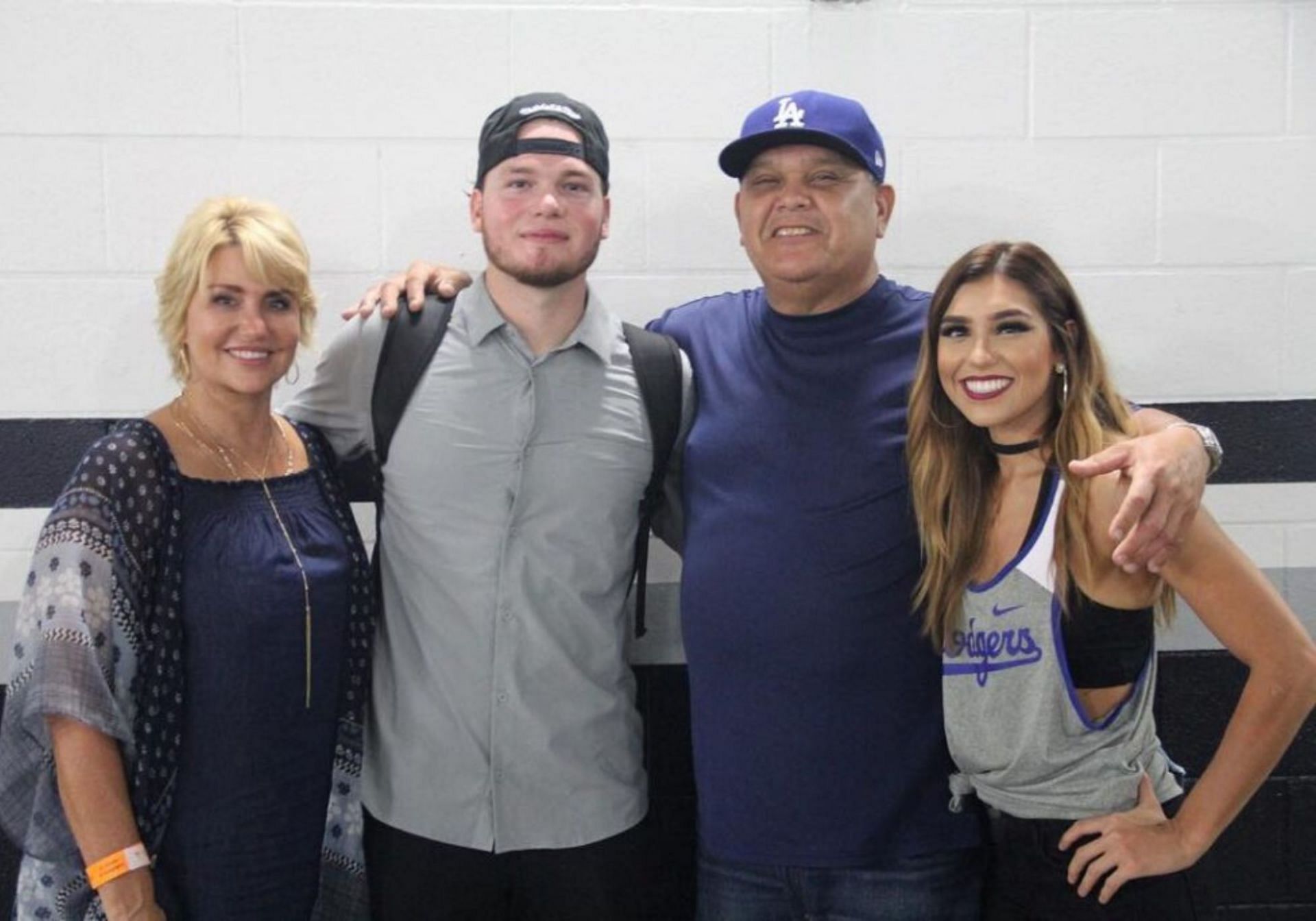
Alex Verdugo is an American-born professional baseball player whose nationality is American, while his ethnic heritage is a blend of Mexican and Caucasian roots. Born in Tucson, Arizona, Verdugo’s identity is shaped by his father, Joe Verdugo, who is of Mexican descent, and his mother, Shelly Verdugo, who is of European-American descent.
The intersection of nationality and heritage is a central theme in the career of Alex Verdugo. As a prominent figure in Major League Baseball (MLB) in 2026, Verdugo has spent years navigating the complexities of a bicultural identity. While his passport identifies him as a citizen of the United States, his cultural allegiance—particularly on the baseball field—often leans toward his Mexican ancestry. This duality is not just a matter of personal pride but a professional asset that has allowed him to represent Mexico on the international stage. To understand the "nationality in focus" for Verdugo, one must look closely at the roles played by his parents and the specific lineage that grants him dual cultural standing.
The Influence of Joe Verdugo: The Mexican Connection
The primary driver behind Alex Verdugo’s Mexican identity is his father, Joe Verdugo. Joe was born and raised in the United States, but his family roots are deeply embedded in Mexico, specifically within the regions that historically connect the American Southwest to the Mexican state of Sonora. This heritage is what allows Alex to claim Mexican lineage, a factor that became a focal point of his career during the various iterations of the World Baseball Classic (WBC).
Joe Verdugo’s influence on Alex extended beyond mere genealogy. Growing up in Tucson, Arizona, a city with a rich Mexican-American history, Alex was immersed in a culture that valued these roots. Joe was instrumental in ensuring that Alex understood and appreciated the significance of the Mexican flag and the struggles of his ancestors. This upbringing instilled a sense of "Mexicanidad" in Alex, even as he navigated the American education and youth sports systems.
In professional baseball, the father-son bond is often highlighted, but for the Verdugos, it is specifically tied to the representation of their heritage. Joe Verdugo has been a frequent presence at Alex’s games, from his early days with the Los Angeles Dodgers to his tenure with the Boston Red Sox and the New York Yankees. The pride Joe feels in seeing his son wear "México" across his chest in international competition is a testament to the enduring power of their shared nationality and ethnic background.
The Role of Shelly Verdugo: The American Foundation
While the focus is frequently on Alex’s Mexican heritage, his mother, Shelly Verdugo, provides the other half of his cultural foundation. Shelly is of Caucasian/European-American descent. Her influence in the household ensured that Alex was raised with a diverse worldview, balancing the traditional American experience with the specific cultural nuances provided by his father’s side of the family.
Shelly Verdugo has often been described as the emotional anchor for Alex during the high-pressure transitions of his MLB career. The life of a professional athlete involves frequent trades, high-stakes performance reviews, and intense public scrutiny. Shelly’s role in providing a stable, supportive environment has been crucial. From a nationality perspective, Shelly represents the quintessential American experience—supporting her son's participation in the "American Pastime" while embracing the multicultural reality of their modern family.
The balance between Joe’s Mexican roots and Shelly’s American background created a unique environment for Alex. He did not have to choose one over the other; instead, he was encouraged to embrace both. This bicultural upbringing is common among many Mexican-American families in the border states, but in the context of a high-profile athlete, it becomes a point of public fascination and a bridge between different fan bases.
World Baseball Classic Eligibility and International Representation
The question of Alex Verdugo’s parents' nationality often arises in the context of the World Baseball Classic. Under WBC rules, a player is eligible to represent a country if they meet several criteria, one of which is having at least one parent who was born in that country or holds citizenship there. Although Alex was born in Tucson, his father’s direct Mexican lineage provided the legal and athletic framework for him to join Team Mexico.
Alex made his debut for Team Mexico in 2017 and has been a cornerstone of the roster in subsequent tournaments, including the 2023 classic. His participation is often cited as a prime example of the "heritage rule" in international sports. By 2026, the discussion around Verdugo's eligibility has matured from a technicality into a celebrated part of his professional brand.
| Aspect | Detail | Impact on Career |
|---|---|---|
| Father (Joe) | Mexican-American Heritage | Grants WBC eligibility; fosters cultural identity. |
| Mother (Shelly) | Caucasian-American | Provides bicultural balance; foundational support. |
| Birthplace | Tucson, Arizona, USA | Establishes primary American nationality. |
| WBC Status | Representing Team Mexico | Expanded fan base; international recognition. |
| Languages | English (Native), Spanish (Learned) | Facilitates communication with diverse teammates. |
This international representation has had a tangible impact on his career. It has endeared him to the vast Mexican and Mexican-American baseball fan base, particularly in cities with large Hispanic populations like Los Angeles and New York. When Verdugo wears the Mexican jersey, he isn't just playing for a team; he is acknowledging the specific nationality of his father’s side of the family.
Navigating the "Ni de aquí, ni de allá" Identity
A significant challenge for many individuals of dual heritage, including Alex Verdugo, is the concept of "Ni de aquí, ni de allá" (from neither here nor there). This phrase captures the feeling of not being "American enough" for some or "Mexican enough" for others. In the early stages of his career, Verdugo faced questions about his authenticity as a representative of Mexico, primarily because his first language was English and he was born in the United States.
However, Verdugo’s commitment to the culture helped silence critics. He made a concerted effort to improve his Spanish and has been vocal about his pride in his father’s roots. This transition is a key part of his "parents nationality" story. It shows that heritage is not just about where your parents were born, but about the intentional effort to honor and maintain those connections.
By 2026, Verdugo is seen as a bridge-builder in the league. His story resonates with millions of second- and third-generation immigrants who navigate similar identity questions. His parents' background—one Mexican-American and one Caucasian-American—reflects the shifting demographics of the United States and the evolving nature of what it means to be an "American" athlete.
The Cultural Impact on His Professional Persona
Verdugo’s heritage is visible in his style of play and his interactions with fans. Often described as playing with "passion" and "flair," he embodies a style that many associate with Latin American baseball. This is not a coincidence; it is a direct result of the influences he gathered from his father’s side of the family and the Mexican players he looked up to.
His walk-up music, his choice of equipment colors (often incorporating the green, white, and red of the Mexican flag), and his celebrations are all nods to his parents' heritage. These choices serve as a constant reminder of the dual nationality focus that defines him. For fans, these are not just aesthetic choices; they are signals of belonging. They tell the Mexican-American community that he sees them and represents them.
Furthermore, his presence in the clubhouse often serves as a unifying force. Having a background that spans both traditional American culture and Mexican heritage allows him to move seamlessly between different groups of players. He can relate to the American-born prospects as well as the international signings from Latin America, making him a valuable veteran leader as of 2026.
Verification of Facts and Records
To clarify the specific details of Alex Verdugo's family background:
- Birth Record: Alex Verdugo was born on May 15, 1996, in Tucson, Arizona. This confirms his birthright American nationality.
- Parental Lineage: Public records and interviews consistently identify Joe Verdugo as his father and Shelly Verdugo as his mother.
- Athletic Eligibility: The World Baseball Classic confirms his eligibility for Team Mexico via his father’s lineage, a status maintained through his most recent tournament appearances.
- Professional History: As of 2026, Verdugo has a well-documented history with the Los Angeles Dodgers, Boston Red Sox, and New York Yankees, with each chapter of his career highlighting his bicultural identity through various "Hispanic Heritage" promotions.
The narrative that Verdugo "is Mexican" is a simplification of a more nuanced reality. He is a multi-ethnic American who holds his Mexican heritage in high regard due to his father's ancestry. This distinction is important for accurate reporting and for understanding the player's own self-identification.
FAQ
Is Alex Verdugo a citizen of Mexico?
Alex Verdugo is an American citizen by birth. While he is eligible for Mexican citizenship through his father (jus sanguinis), his primary nationality in legal terms is American. He holds dual eligibility for athletic representation, which allows him to play for the Mexican National Team in tournaments like the World Baseball Classic.
What is the nationality of Alex Verdugo's father?
Joe Verdugo is an American of Mexican descent. He was born in the United States, but his family heritage is Mexican. This specific lineage is what connects Alex to his Mexican roots and allows him to represent Mexico in international baseball competitions.
Does Alex Verdugo speak Spanish?
Alex Verdugo grew up primarily speaking English. However, throughout his professional career, he has made a significant effort to learn and improve his Spanish to better connect with his heritage, his teammates from Latin America, and the Spanish-speaking fan base. He has reached a level of proficiency that allows him to conduct interviews and communicate effectively in the language.
Why does Alex Verdugo play for Team Mexico if he was born in Arizona?
Under the rules of the World Baseball Classic, a player can represent a country if at least one parent was born in that country, is a citizen of that country, or is eligible for citizenship. Alex's father, Joe, provides the necessary lineage for Alex to represent Mexico. Alex chose to play for Team Mexico to honor his father and his family’s cultural heritage.
What is Alex Verdugo’s mother’s background?
Shelly Verdugo, Alex’s mother, is of Caucasian-American descent. Her background is generally described as European-American. She played a vital role in his upbringing in Tucson, Arizona, helping to provide the bicultural environment that defines Alex’s identity today.
Where was Alex Verdugo born?
Alex Verdugo was born in Tucson, Arizona. Growing up in a border state like Arizona significantly influenced his dual-culture perspective, as Tucson has a deep and vibrant Mexican-American community that complements his family's personal heritage.
Practical Recommendations for Fans and Researchers
For those looking to follow Alex Verdugo's career and his cultural impact in 2026, it is recommended to monitor official MLB international reports and World Baseball Classic updates. These platforms often provide the most detailed insights into how players like Verdugo balance their American nationality with their ancestral heritage.
If you are researching bicultural identity in sports, Verdugo serves as a primary case study. Analyzing his interviews regarding the "Mexico" jersey and his interactions with the Mexican-American community offers a practical look at how nationality and ethnicity are navigated in the modern era of professional athletics. For educators or cultural students, his story illustrates the "melting pot" nature of the United States and the specific pride found in second- and third-generation immigrant families.