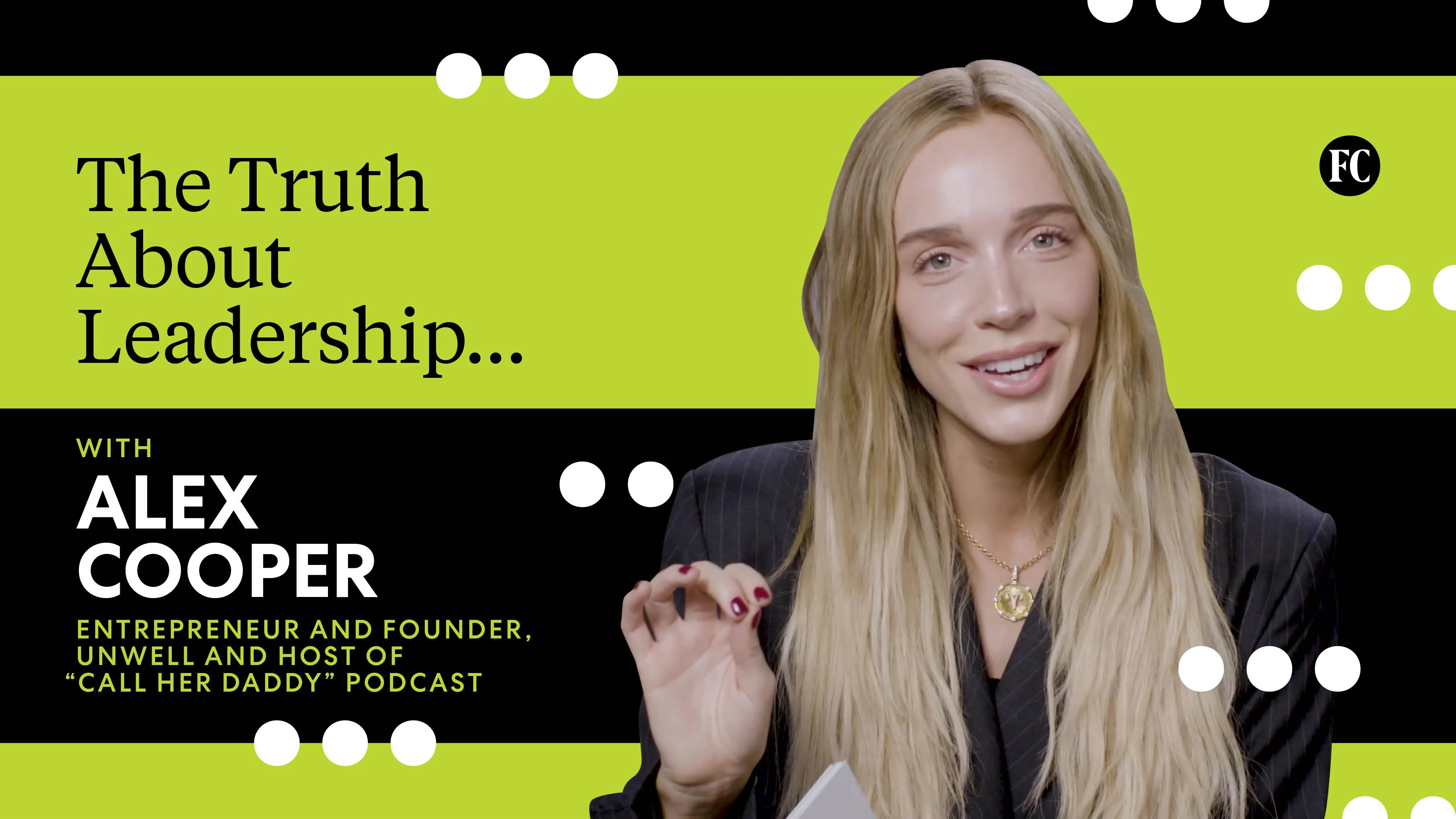
The intersection of Alex Cooper and Photoshop involves a complex dialogue regarding digital retouching, influencer transparency, and the high-production standards of the "Call Her Daddy" brand. While critics frequently point to specific social media images as evidence of "Photoshop fails," Cooper has simultaneously built a reputation for candidly discussing the artifice of the entertainment industry and the pressures of maintaining a curated public image.
As we navigate the media landscape of 2026, the conversation surrounding Alex Cooper—the host of the global phenomenon Call Her Daddy and founder of the Unwell Network—has evolved beyond simple accusations of vanity. It has become a case study in how modern celebrities manage their digital personas. For Alex Cooper, "Photoshop" is not just a software tool; it is a point of contention and a medium for branding. This article explores the history of these controversies, the technical aspects of image manipulation in the influencer era, and how Cooper has navigated the fine line between "relatable" and "retouched."
The Evolution of the "Call Her Daddy" Aesthetic
To understand the role of Photoshop in Alex Cooper’s career, one must look at the visual trajectory of her brand. In the early days of Call Her Daddy (circa 2018–2020), the aesthetic was characterized by a certain "raw" energy that matched the podcast's explicit and unfiltered content. However, as Cooper transitioned from a Barstool Sports creator to a multi-million dollar Spotify exclusive, and eventually to her massive 2024 partnership with SiriusXM, her visual presentation underwent a professional transformation.
By 2026, the Unwell Network’s visual output is indistinguishable from high-fashion editorial work. This shift required a move from mobile-app filters to professional-grade Adobe Photoshop workflows. This transition created a "perceptual gap" for some fans; the audience that loved the "down-to-earth" Cooper often finds itself at odds with the "highly-polished" Cooper seen in promotional materials and magazine covers.
From Social Media Snaps to Professional Retouching
In the current era, the distinction between "editing" and "retouching" is vital. Alex Cooper’s team utilizes professional retouchers who focus on:
- Color Grading: Ensuring a consistent palette across her Instagram feed and promotional banners.
- Frequency Separation: A technical Photoshop process used to smooth skin textures while preserving the natural "pore" detail, avoiding the "plastic" look common in lower-end mobile apps.
- Lighting Correction: Digitally enhancing the shadows and highlights to create a more three-dimensional "pop" in images that might have been shot in suboptimal conditions.
Notable "Photoshop Fail" Allegations and Fan Analysis
Like many high-profile influencers, Cooper has not been immune to the scrutiny of the "Photoshop police"—online communities dedicated to identifying warped backgrounds or anatomical inconsistencies in celebrity photos.
The most frequent "fails" cited by fans usually involve the Liquify Tool in Photoshop or similar features in apps like FaceTune. These instances typically manifest as:
- Warped Backgrounds: Doorframes, tiles, or horizons that appear to "bend" near the waist or arms, suggesting an attempt to slim the silhouette.
- Texture Loss: Areas of the skin that look unnaturally blurry compared to the surrounding environment, often a result of over-aggressive "healing" brushes.
- Proportional Inconsistencies: Limbs that appear unusually long or hands that seem distorted due to wide-angle lens corrections that weren't properly accounted for during the post-production phase.
While these allegations often go viral on platforms like TikTok or Reddit, Cooper has occasionally addressed them with humor or redirected the conversation toward the systemic pressures of the industry. By 2026, many fans have come to view these digital tweaks as a standard part of the "celebrity package," though the demand for "unfiltered" content remains a powerful counter-current in her comments sections.
The Technical Side: Tools Behind the Modern Influencer Look
The "Alex Cooper look" is achieved through a combination of high-end photography and sophisticated post-processing. It is rarely the result of a single filter. Instead, it involves a stack of technologies designed to optimize the subject for different viewing platforms (mobile screens vs. desktop).
| Tool/Software | Primary Use Case in Influencer Branding | Impact on "Authenticity" |
|---|---|---|
| Adobe Photoshop | Professional-grade body contouring, skin retouching, and background replacement. | High: Can create entirely "perfected" but unrealistic images. |
| FaceTune/AirBrush | Quick mobile edits for "on-the-go" Instagram Stories and posts. | Moderate: Often the source of obvious "warping" errors. |
| Lightroom Presets | Establishing a consistent "vibe" through color, contrast, and grain. | Low: Generally accepted as artistic expression rather than "deception." |
| AI Generative Fill | Removing unwanted objects from the background or extending a frame. | Neutral: Helps with composition without necessarily altering the person. |
| Topaz Photo AI | Upscaling low-resolution phone photos to look like professional DSLR shots. | Neutral: Improves technical quality without changing features. |
The Rise of AI-Assisted Editing in 2026
By 2026, the conversation has shifted from manual "Photoshopping" to AI-driven enhancements. Tools now allow creators like Cooper to apply "digital makeup" or "body re-lighting" with a single click. This technology is more subtle than traditional Photoshop, making it harder for the average viewer to detect. Alex Cooper’s brand has had to adapt to this by being more vocal about when a photo is part of a "campaign" versus when it is a "real-life" moment, a strategy aimed at maintaining trust with the "Daddy Gang" (her loyal fan base).
Alex Cooper’s Stance on Transparency and Digital Enhancement
One of the reasons Alex Cooper has remained at the top of the podcasting world is her ability to play both sides of the "authenticity" coin. She is a beneficiary of the "perfected" image, yet she often uses her platform to deconstruct the very standards she upholds.
In several episodes of Call Her Daddy, Cooper has discussed the "smoke and mirrors" of Los Angeles and the influencer industry. She has been known to:
- Post "Real" vs. "Instagram" Comparisons: Showing how posing and lighting can change a body's appearance more than Photoshop ever could.
- Discuss Cosmetic Procedures: Being relatively open about fillers or treatments, which reduces the "blame" placed on Photoshop by acknowledging the physical groundwork involved.
- Address Mental Health: Connecting the obsession with digital perfection to the broader issues of anxiety and body dysmorphia that affect her listeners.
This "meta-commentary" on her own image is a calculated branding move. By admitting that she uses the tools available to her, she preemptively defangs the critics who try to "expose" her for using Photoshop. In 2026, this level of "curated transparency" is the gold standard for high-level influencers.
How to Differentiate Professional Retouching from Excessive Distortion
For readers interested in the technical nuances of "Alex Cooper Photoshop" inquiries, it is helpful to understand how professional media differs from amateur editing.
1. Intentional Editorial Polish
In a professional setting, such as a cover shoot for Rolling Stone or a promotional asset for the Unwell Network, Photoshop is used as an artistic tool. The goal is "perfection" within the context of a fantasy. These images are expected to be retouched. The "problem" usually arises when "candid" social media posts use the same level of heavy-handed editing, leading to a sense of betrayal among the audience.
2. Identifying the "Uncanny Valley"
The "uncanny valley" occurs when an image looks almost human but contains subtle digital errors that trigger a sense of unease in the viewer. In the context of Alex Cooper’s photos, this often happens when:
- The iris of the eye is too bright for the surrounding light source.
- The philtrum (the groove above the upper lip) is smoothed away entirely.
- The shadows don't match the direction of the light, indicating that the person was "cut and pasted" into a different background.
3. Verification through Video
Fans often use Cooper’s video content—such as the filmed versions of her podcast—as a baseline for her "real" appearance. Comparing a still Instagram photo to a high-definition video feed is the most common way "Photoshop fails" are identified. If the facial structure or body proportions differ significantly between the two mediums, it is a clear indicator of post-production manipulation in the still image.
The Cultural Impact: Why the "Photoshop" Question Matters
The obsession with whether Alex Cooper "Photoshops" her photos is not just about her; it reflects a broader societal anxiety about the death of reality in the digital age. As a leader in the creator economy, Cooper’s choices set a precedent.
In 2026, we see a "bifurcation" of social media:
- The Hyper-Realists: Creators who refuse to edit and embrace flaws.
- The Hyper-Glossies: Creators like Cooper who lean into the "mogul" aesthetic, which demands a certain level of digital perfection.
The "Daddy Gang" audience is unique because it spans both worlds. They appreciate the "glossy" mogul but demand the "messy" human. This creates a permanent tension regarding her visual output. Every time a "Photoshop fail" is discussed, it reinforces the idea that the "perfect" woman we see on our screens is a construction—a realization that, ironically, makes her more relatable to some and more untrustworthy to others.
Frequently Asked Questions
Does Alex Cooper use Photoshop for her Instagram photos?
Yes, like almost all high-level influencers and celebrities, Alex Cooper’s professional and social media imagery undergoes various levels of post-production. This ranges from simple color grading and lighting adjustments to more complex retouching for editorial campaigns. She has occasionally been criticized for "warping" backgrounds, which suggests the use of the Liquify tool or mobile editing apps.
Has Alex Cooper ever admitted to editing her photos?
Alex Cooper has been vocal about the "fake" nature of social media and the industry at large. While she may not provide a line-by-line breakdown of every edit on a specific photo, she frequently discusses the use of professional makeup, lighting, and "tricks of the trade" that contribute to her public image. Her brand is built on a mix of high-production value and "brutal honesty."
What are the most common "Photoshop fails" attributed to Alex Cooper?
The most common "fails" reported by fans include distorted lines in the background of her photos (such as curvy walls or bent furniture) and inconsistencies in skin texture. These are usually the result of "body-tuning" apps which, when used without professional precision, can warp the surrounding environment while trying to alter the subject's silhouette.
How has Alex Cooper's use of Photoshop changed in 2026?
By 2026, the use of Photoshop in Cooper's brand has become more integrated with AI technologies. Her team likely uses AI-driven skin retouching and generative fill to maintain a high-fashion aesthetic across all platforms. As her business empire (the Unwell Network) has grown, her visual branding has moved further away from "amateur" edits toward "industry-standard" professional retouching.
Is it possible to achieve the "Alex Cooper look" without Photoshop?
The "Alex Cooper look" is a combination of professional styling, high-end photography equipment, specific posing techniques, and post-production. While one can mimic her style using lighting and makeup, the "magazine-ready" finish seen in her major promotional assets is almost always the result of professional retouching in software like Adobe Photoshop.
Practical Recommendation for Fans and Content Creators
When consuming or creating content in the style of Alex Cooper, the best approach is to distinguish between technical enhancement and misleading distortion. For those looking to emulate her professional aesthetic in 2026:
- Prioritize Lighting: Professional photography is 90% lighting. Before reaching for Photoshop, ensure your light source is flattering.
- Use Color Grading over Body Editing: Establishing a "vibe" through color (using Lightroom or VSCO) is more effective for branding than trying to reshape your body, which often leads to the "warping" artifacts that cause public backlash.
- Embrace Transparency: If you do edit your photos, be open about it. The "Alex Cooper model" shows that you can be "polished" and "authentic" at the same time, provided you don't pretend that your digitally perfected images are the result of "just waking up like this."
The "Alex Cooper Photoshop" discourse is a reminder that in 2026, the image is a product. By understanding the tools and the pressures behind that product, we can appreciate the craft of the "mogul" while remaining grounded in the reality of the human.