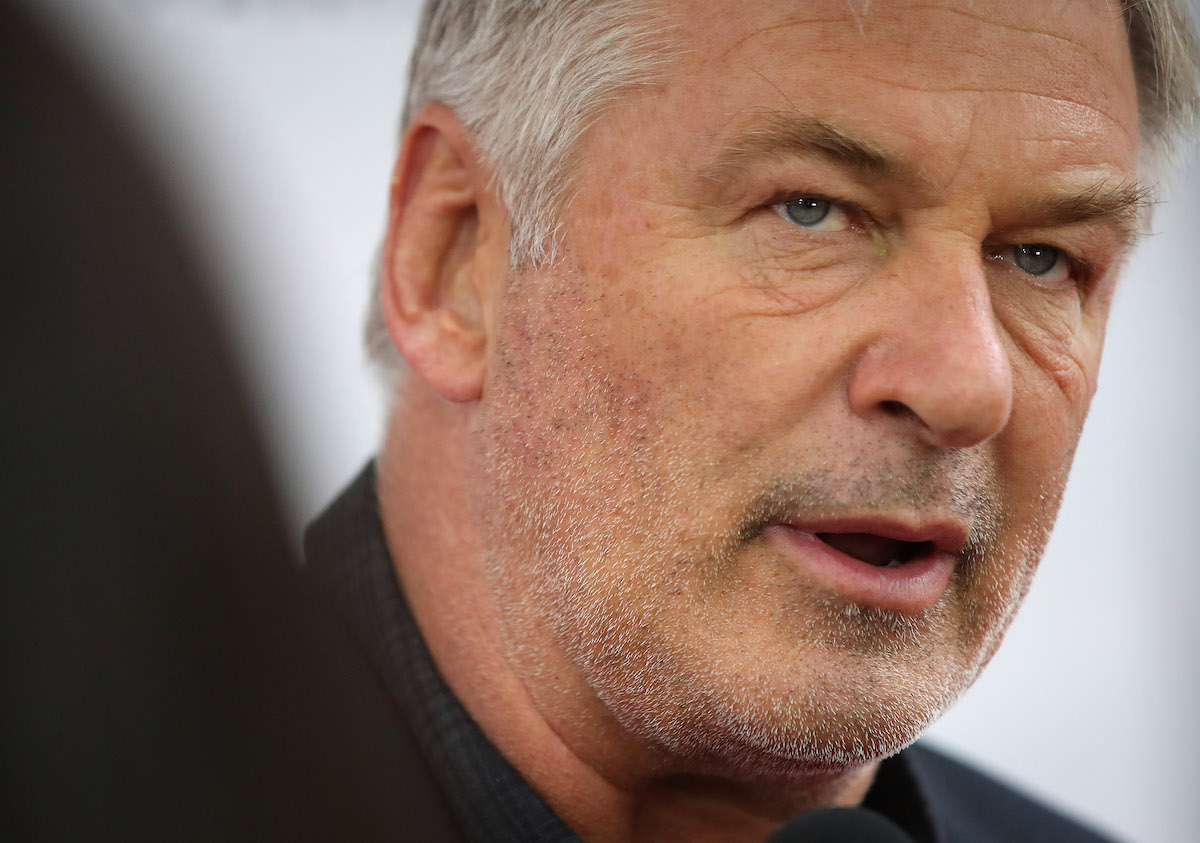
On October 21, 2021, a tragic shooting occurred on the set of the film Rust in New Mexico, when a prop gun held by Alec Baldwin discharged a live round, killing cinematographer Halyna Hutchins and wounding director Joel Souza. After years of legal turmoil, the involuntary manslaughter charges against Baldwin were dismissed with prejudice in July 2024.
The Rust shooting remains one of the most consequential accidents in the history of modern cinema. Beyond the immediate tragedy of a life lost, the incident sparked a global conversation regarding firearm safety on film sets, the liability of actors who serve as producers, and the integrity of the judicial process. As we look back from 2026, the ripples of this event continue to define how the entertainment industry handles weaponry and how prosecutors manage high-profile criminal cases.
The Chronology of the 2021 Tragedy
The incident took place at the Bonanza Creek Ranch near Santa Fe, New Mexico. The crew was in the middle of filming a low-budget Western titled Rust. During a rehearsal inside a wooden church structure, Alec Baldwin was practicing a "cross-draw" with a .45-caliber Pietta Colt revolver. Believing the gun was "cold"—a term used in the industry to signify a weapon contains no live ammunition—Baldwin pointed the weapon toward the camera, where Halyna Hutchins and Joel Souza were positioned.
The gun discharged. A single live lead bullet passed through Hutchins' torso and lodged in Souza's shoulder. Hutchins was airlifted to the University of New Mexico Hospital, where she was later pronounced dead. Souza was treated for his injuries and eventually recovered, though the emotional weight of the event significantly impacted his return to the director's chair.
Initial investigations by the Santa Fe County Sheriff’s Office focused on how live ammunition managed to reach a film set, a violation of the most fundamental safety protocols in Hollywood. Under standard industry guidelines (specifically Safety Bulletin #1), live ammunition is strictly prohibited from being brought onto any studio lot or stage.
Legal Proceedings and the 2024 Dismissal
The legal odyssey following the shooting was marked by multiple charges, changes in special prosecutors, and high-stakes courtroom drama. Alec Baldwin was twice charged with involuntary manslaughter. The primary argument from the prosecution was that Baldwin, both as an actor and a producer, had a duty to ensure the safety of the firearm and that his "reckless" handling of the weapon led to the fatal outcome.
Baldwin’s defense team, led by Alex Spiro and Luke Nikas, maintained that Baldwin was told the gun was safe by the assistant director, David Halls, and that an actor's job is not to be a firearms expert but to follow the instructions of the armorer.
The Breakthrough: Dismissal With Prejudice
The turning point came in July 2024 during Baldwin's trial in Santa Fe. It was revealed that the prosecution and law enforcement had failed to disclose a batch of ammunition that had been turned over to the sheriff's office by a witness, Troy Teske, a friend of Hannah Gutierrez-Reed’s father. The defense argued that this ammunition was potentially exculpatory evidence that could have pointed to the source of the live rounds on set.
Judge Mary Marlowe Sommer ruled that the state had willfully withheld this evidence, committing a "Brady violation" (a failure to disclose evidence favorable to the defense). On July 12, 2024, she dismissed the case against Alec Baldwin with prejudice, meaning the charges cannot be refiled. This brought an abrupt and final end to the criminal proceedings against the actor.
Roles and Responsibilities: The Set Hierarchy
To understand the tragedy, one must examine the specific roles of the individuals responsible for safety on the Rust set.
The Armorer: Hannah Gutierrez-Reed
As the production's armorer, Gutierrez-Reed was responsible for the storage, maintenance, and loading of all firearms. In March 2024, she was found guilty of involuntary manslaughter. The prosecution successfully argued that she had been "sloppy" and "negligent" in her duties, allowing live ammunition to be mixed with dummy rounds. She was sentenced to 18 months in prison, the maximum penalty under New Mexico law.
The Assistant Director: David Halls
David Halls served as the first assistant director and the safety coordinator. Evidence showed that Halls took the gun from the armorer's station and handed it to Baldwin, shouting "cold gun." Halls opted for a plea deal in 2023, pleading no contest to a misdemeanor charge of negligent use of a deadly weapon. He received six months of unsupervised probation.
The Actor-Producer: Alec Baldwin
The debate over Baldwin's liability centered on his dual role. While actors generally rely on armorers, the prosecution argued that as a producer, Baldwin was responsible for the "culture of unsafety" on set, which included reports of previous accidental discharges and a walkout by camera crew members over safety and housing concerns just hours before the shooting. However, the legal distinction between a "creative producer" and a "line producer" (who manages daily operations) eventually worked in Baldwin's favor.
Industry Impacts and Firearm Safety Reform
The Rust shooting triggered immediate and lasting changes in the film industry. By 2026, the protocols for using firearms on set have been significantly tightened across both union and non-union productions.
- The Shift to Visual Effects (VFX): Many productions have moved away from using functional firearms entirely. Instead, they use non-functional "rubber" guns or airsoft weapons, with muzzle flashes and recoil added in post-production.
- Stricter Union Rules: SAG-AFTRA and IATSE (the union representing crew members) updated their safety bulletins to mandate that only dedicated armorers—not "split-role" employees—can handle weapons. On Rust, Gutierrez-Reed was also working as an assistant prop master, which critics argued distracted her from her primary safety duties.
- Legislative Changes: Several states, including California, introduced legislation to mandate the presence of a qualified armorer and prohibit live ammunition on any set where filming is taking place, regardless of the budget size.
Summary of Legal Outcomes
The following table summarizes the legal status and final outcomes for the primary individuals involved in the Rust investigations.
| Entity | Role | Charges | Final Legal Outcome (as of 2026) |
|---|---|---|---|
| Alec Baldwin | Actor / Producer | Involuntary Manslaughter | Case dismissed with prejudice (July 2024). No further charges possible. |
| Hannah Gutierrez-Reed | Armorer | Involuntary Manslaughter | Convicted (March 2024); Sentenced to 18 months in prison. |
| David Halls | Assistant Director | Negligent Use of a Deadly Weapon | Pleaded no contest; 6 months unsupervised probation. |
| Rust Movie Productions | Production Company | OSHA Safety Violations | Settled with New Mexico Environment Dept for $100,000 fine. |
| Seth Kenney / PDQ Arm & Prop | Ammo Supplier | Investigative Subject | Not criminally charged in relation to the shooting. |
Civil Litigations and Settlements
While the criminal case against Baldwin concluded in 2024, the civil legal battles were equally complex. In October 2022, Alec Baldwin and the Rust production reached a settlement with the estate of Halyna Hutchins. As part of the settlement, Hutchins' husband, Matthew Hutchins, became an executive producer on the film.
However, other lawsuits persisted. Crew members filed suits for emotional distress and physical negligence, claiming that the production's cost-cutting measures directly led to the hazardous environment. These civil cases often highlighted the fact that the production had ignored previous safety warnings, emphasizing that the tragedy was preventable.
The Completion of "Rust"
In an unusual move for a production marred by such a tragedy, Rust resumed filming in 2023. The production moved from New Mexico to the Yellowstone Film Ranch in Montana. Joel Souza returned to direct, and Bianca Cline took over as the cinematographer, with the blessing of Matthew Hutchins.
The decision to finish the film was controversial. Some viewed it as a way to honor Halyna Hutchins’ final work, while others saw it as a commercial venture built on the back of a tragedy. The film’s completion was conducted under the strictest safety protocols ever seen on an independent set, including a total ban on live ammunition and functional firearms.
Practical Guidance for Safety in Creative Environments
The Rust incident serves as a sobering reminder that safety protocols are not mere suggestions—they are life-saving requirements. For those working in the creative arts or independent film production, the following practices are now considered the "Gold Standard" as of 2026:
- Never Use "Split-Roles": An armorer should never be tasked with other duties, such as prop management or craft services. Their sole focus must be the integrity of the weaponry.
- Mandatory Safety Briefings: Before any scene involving a weapon (even a rubber one), a safety meeting must be held with the entire cast and crew to demonstrate the weapon's status.
- Third-Party Inspections: Productions are increasingly hiring independent safety consultants to audit sets, ensuring that the pressure of "making the day" (meeting the filming schedule) does not override safety concerns.
- Verification: If you are an actor handed a firearm, you have the right—and increasingly, the responsibility—to ask the armorer to show you the empty chamber or the dummy rounds loaded in the weapon before filming begins.
Frequently Asked Questions
Why were the charges against Alec Baldwin dismissed?
The charges were dismissed because the prosecution withheld evidence from the defense. Specifically, a collection of ammunition was turned over to the police that the defense was never told about. This violated Baldwin's right to a fair trial, leading Judge Mary Marlowe Sommer to dismiss the case "with prejudice," meaning it cannot be refiled.
Did Alec Baldwin actually pull the trigger?
Baldwin has consistently maintained that he did not pull the trigger, stating he only pulled the hammer back and released it. However, an FBI forensic report concluded that the weapon could not have fired without a trigger pull unless it was broken. This remained a point of heavy contention throughout the legal proceedings, though the dismissal of the case meant the issue was never fully adjudicated in Baldwin's trial.
Where did the live ammunition come from?
The exact source of the live rounds remains a subject of debate. Investigations suggested that live rounds may have been mixed with dummy rounds provided by the ammunition supplier or brought onto the set by the armorer from a previous production. Hannah Gutierrez-Reed was ultimately held responsible for the presence of these rounds on the set.
What does "dismissed with prejudice" mean?
In legal terms, "dismissed with prejudice" is a final ruling that prevents the prosecution from ever bringing the same charges against the defendant again. It is usually a sanction for serious prosecutorial misconduct or a fundamental violation of the defendant's rights.
Is "Rust" available to watch?
The film was completed in 2023. Following the resolution of various legal hurdles and the criminal trial in 2024, the film sought distribution. Its release has been handled with sensitivity, often accompanied by tributes to Halyna Hutchins’ cinematography and the donation of proceeds to scholarship funds in her name.
How has this changed firearm laws in Hollywood?
While there is no federal law banning guns on sets, industry standards have shifted toward a "VFX-first" approach. States like California have passed stricter regulations requiring licensed armorers for all productions using blanks or functional firearms, and insurance companies have significantly raised premiums for productions that choose to use real weapons.
Final Recommendation
For filmmakers and production professionals, the most important takeaway from the Rust tragedy is the "Power of No." If a set feels unsafe or if protocols are being rushed to save money, every crew member—from the lead actor to the production assistant—must feel empowered to stop the production. As the industry continues to evolve in 2026, the legacy of Halyna Hutchins is best honored by a commitment to the principle that no shot is worth a human life.