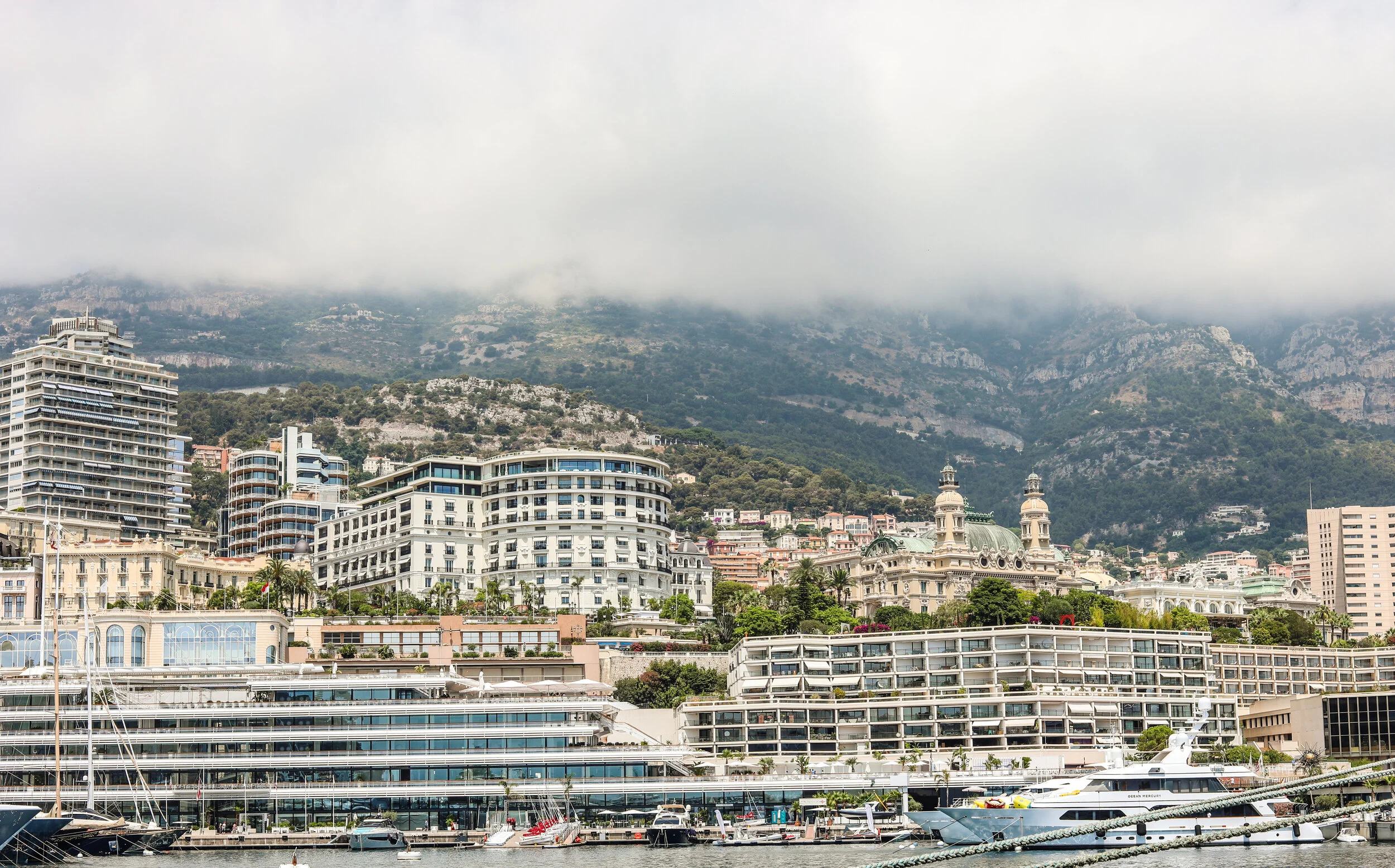
Since Monaco does not have its own fixed-wing airport due to its limited land area, travelers use Nice Côte d'Azur Airport (NCE) as the primary international gateway. Located approximately 22 kilometers (14 miles) from the city-state, it connects to Monte Carlo via a seven-minute helicopter transfer, express buses, regional trains, or private chauffeured vehicles.
The phrase "Airport Monte Carlo" is a common misnomer. While the Principality of Monaco is a world-renowned destination for luxury, finance, and the arts, its geography—spanning only 2.02 square kilometers—precludes the construction of a traditional runway. Consequently, the aviation infrastructure for Monte Carlo is a hybrid system consisting of a major international hub in neighboring France and a dedicated heliport within the borders of Monaco itself. Understanding this logistical framework is essential for any traveler planning a visit to the Côte d'Azur in 2026.
The Primary Hub: Nice Côte d'Azur Airport (NCE)
Nice Côte d'Azur Airport serves as the de facto "Monaco airport." As the third busiest airport in France, it handles millions of passengers annually and provides the necessary infrastructure for both commercial and private aviation. For those heading to Monte Carlo, NCE functions as the arrival point where one transitions from long-haul or continental flights to local transit options.
Terminal Layout and Services
The airport consists of two main passenger terminals. Terminal 1 typically handles a mix of international carriers and European budget airlines, while Terminal 2 is the primary hub for Air France and its SkyTeam partners, as well as major carriers like EasyJet. Both terminals are equipped with high-end amenities, including VIP lounges, luxury boutiques (reflecting the region's affluent demographic), and streamlined customs facilities.
In 2026, the airport continues to emphasize efficiency for high-net-worth individuals bound for Monaco. This includes expedited baggage handling and dedicated meeting points for private chauffeurs and helicopter shuttle representatives. For travelers arriving from outside the Schengen Area, the immigration process is conducted at NCE, as there is no formal border control between France and Monaco.
General Aviation and Private Jets
For those traveling via private or chartered aircraft, NCE offers a dedicated Business Aviation Terminal. This facility is separated from the main passenger flow, providing discretion and rapid processing. It is here that many visitors to the Monaco Grand Prix or the Monaco Yacht Show arrive before taking a helicopter "jump" to the Principality.
The Monaco Heliport (MCM): The Only In-Country Air Link
While Monte Carlo lacks a runway, it boasts one of the world’s most efficient heliports. The Monaco Heliport (MCM) is located in the Fontvieille district, situated on land reclaimed from the sea. This facility acts as the direct aerial receiving point for the Principality.
The Helicopter Shuttle Experience
The most iconic way to reach Monte Carlo is via a scheduled helicopter shuttle. Companies like Monacair and Blade operate regular flights between NCE and MCM. The flight duration is approximately seven minutes, offering a breathtaking aerial view of the French Riviera, the Mediterranean Sea, and the towering cliffs of the Alps.
In 2026, these shuttles run with high frequency, often departing every 15 to 30 minutes during peak hours. A significant advantage of the helicopter service is the integrated "door-to-door" experience. Most helicopter bookings include a private shuttle van waiting at the Monaco Heliport to transport passengers and their luggage directly to their hotel or residence within the Principality. This eliminates the need for further taxi arrangements once on the ground in Monaco.
Technical and Operational Constraints
The heliport is strictly for rotary-wing aircraft. Due to noise ordinances and the density of the surrounding residential areas, operations are generally limited to daylight hours and early evening. Travelers arriving at NCE late at night must rely on road or rail transport, as helicopter services do not operate 24/7.
Road Transportation: The Scenic and Fast Routes
For many, the journey from Nice Airport to Monte Carlo is best experienced by road. There are three primary routes, each offering a different balance of speed and scenery.
The A8 Motorway (La Provençale)
The A8 motorway is the fastest route for those prioritizing efficiency. It bypasses the coastal traffic by cutting through the hills via a series of tunnels and viaducts. A private transfer or taxi via the A8 typically takes 30 to 45 minutes, depending on traffic. In 2026, travelers should be aware of "smart motorway" implementations that manage speed limits dynamically to reduce congestion during the summer months.
The Three Corniches
For those who wish to begin their vacation with a visual spectacle, the three "Corniche" roads offer varying altitudes and views:
- The Basse Corniche (Low Road): Hugs the coastline, passing through seaside towns like Villefranche-sur-Mer and Beaulieu-sur-Mer. It is the slowest but most intimate route.
- The Moyenne Corniche (Middle Road): Offers a balance of speed and height, passing the famous village of Èze.
- The Grande Corniche (High Road): The most dramatic and highest route, often used in films and luxury car advertisements.
Taxis and Ridesharing
Taxis are readily available at both terminals of Nice Airport. There is generally a fixed-rate structure for trips to Monaco (approximately €95 to €120 in 2026, though prices vary by time of day and luggage). Ridesharing apps like Uber operate in the region, but they are subject to specific regulations regarding pickups and drop-offs within the Monaco borders; often, an Uber can take you into Monaco, but you must use a local Monaco taxi or a pre-booked car service to get out.
Rail and Public Transit: The Regional Connection
For travelers seeking a more cost-effective or environmentally friendly option, the French national railway (SNCF) and regional bus services provide reliable links.
The TER Train
The Nice Saint-Augustin train station is located within walking distance (or a short tram ride) from Terminal 1 and 2. From here, the TER (Transport Express Régional) trains run frequently toward Ventimiglia, stopping at the Monaco-Monte Carlo station.
The train ride takes about 25 to 30 minutes. The Monaco train station itself is an architectural marvel, built entirely underground to save space. It features multiple exits that lead to different districts of the Principality, such as the Harbor (Port Hercule) or the Casino. However, travelers with heavy luggage should note that while the station is accessible, the walk from the airport terminals to the Saint-Augustin station can be cumbersome without using the tram.
The Express Bus (Line 80)
The dedicated "Nice Airport to Monaco" express bus, often referred to as Line 80 (formerly 110), provides a direct link via the motorway. It stops at major points in Monte Carlo, including the Place du Casino and the Fontvieille district. This is a popular option for those who want a direct route without the premium cost of a private car or helicopter.
Comparison of Transport Methods from NCE to Monte Carlo
| Method | Estimated Duration | Approximate Cost (2026) | Best For |
|---|---|---|---|
| Helicopter | 7 Minutes | €160 - €210 per person | Speed, luxury, and view |
| Private Transfer | 35 - 50 Minutes | €100 - €180 (per car) | Families and door-to-door comfort |
| Taxi | 35 - 50 Minutes | €95 - €130 | Spontaneous arrivals |
| Express Bus (80) | 45 - 60 Minutes | €20 - €25 | Budget-conscious direct travel |
| TER Train | 25 Minutes (train only) | €5 - €8 | Solo travelers and commuters |
Logistical Considerations and Border Formalities
Although Monaco is a sovereign city-state, it maintains an open border with France. It is part of the Schengen Area for visa purposes, meaning there is no passport control when crossing from Nice into Monte Carlo. However, there are several nuances travelers should keep in mind:
- Customs: Monaco is in a customs union with France. If you are arriving from outside the EU, you must declare goods at Nice Airport.
- VAT and Tax Free: Monaco applies the same Value Added Tax (VAT) rules as France. Travelers eligible for tax refunds on luxury purchases made in Monte Carlo can process their paperwork at the dedicated kiosks at Nice Airport before departure.
- The "Grand Prix" Effect: During late May and early June, transportation logistics change drastically. The helicopter shuttles often sell out months in advance, and road access to certain parts of Monte Carlo is restricted as the city transforms into a race track.
- Cannes-Mandelieu Airport (CEQ): Occasionally, private jet users may prefer Cannes-Mandelieu Airport. While further away than NCE, it is dedicated exclusively to general aviation and offers even higher levels of privacy and faster turnaround times for small to mid-sized jets.
Practical Advice for First-Time Visitors
When planning your arrival, the "best" method depends entirely on your luggage and final destination within the Principality. If you are staying at a major hotel like the Hôtel de Paris or the Hermitage, a private transfer or helicopter is highly recommended because these hotels have dedicated arrival bays that are easily accessible via these methods.
If you are a solo traveler with light luggage, the train offers the most local experience and avoids the risk of motorway traffic jams, which can be significant during the morning and evening rush hours. For those arriving with children or significant amounts of baggage, the Express Bus or Private Chauffeured Car remains the most practical choice to avoid navigating the steep hills and stairs of Monaco's urban landscape.
Frequently Asked Questions
What is the closest airport to Monte Carlo?
The closest international airport is Nice Côte d'Azur Airport (NCE), located in France, approximately 22 km (14 miles) from Monte Carlo. There is no airport within the borders of Monaco itself.
How long is the helicopter ride from Nice to Monaco?
The flight typically takes between 6 and 7 minutes. It is widely considered one of the fastest and most scenic airport transfers in the world, connecting the Nice Airport tarmac directly to the Fontvieille district in Monaco.
Is there a direct train from Nice Airport to Monaco?
There is no train station inside the airport terminals. However, the Nice Saint-Augustin station is a short 5-minute tram ride or a 10-minute walk from the terminals. From there, direct TER trains run to the Monaco-Monte Carlo station every 15 to 30 minutes.
Can I fly a private jet directly into Monaco?
No, fixed-wing private jets cannot land in Monaco. Private jet travelers must land at Nice Côte d'Azur (NCE) or Cannes-Mandelieu (CEQ) and then complete the journey by helicopter or car.
Do I need a passport to go from Nice Airport to Monaco?
If you have already cleared immigration at Nice Airport (or if you arrived from another Schengen country), there is no further passport control. You can drive or take a train into Monaco without stopping for border checks, although you should always carry ID.
What is the best way to get to Monte Carlo for a first-time visitor?
For the full "Monaco experience," the helicopter transfer is unbeatable. However, for a balance of cost and convenience, a pre-booked private car service is recommended, as it ensures a driver will meet you at the arrivals hall and take you directly to your hotel without the complexity of navigating public transit.