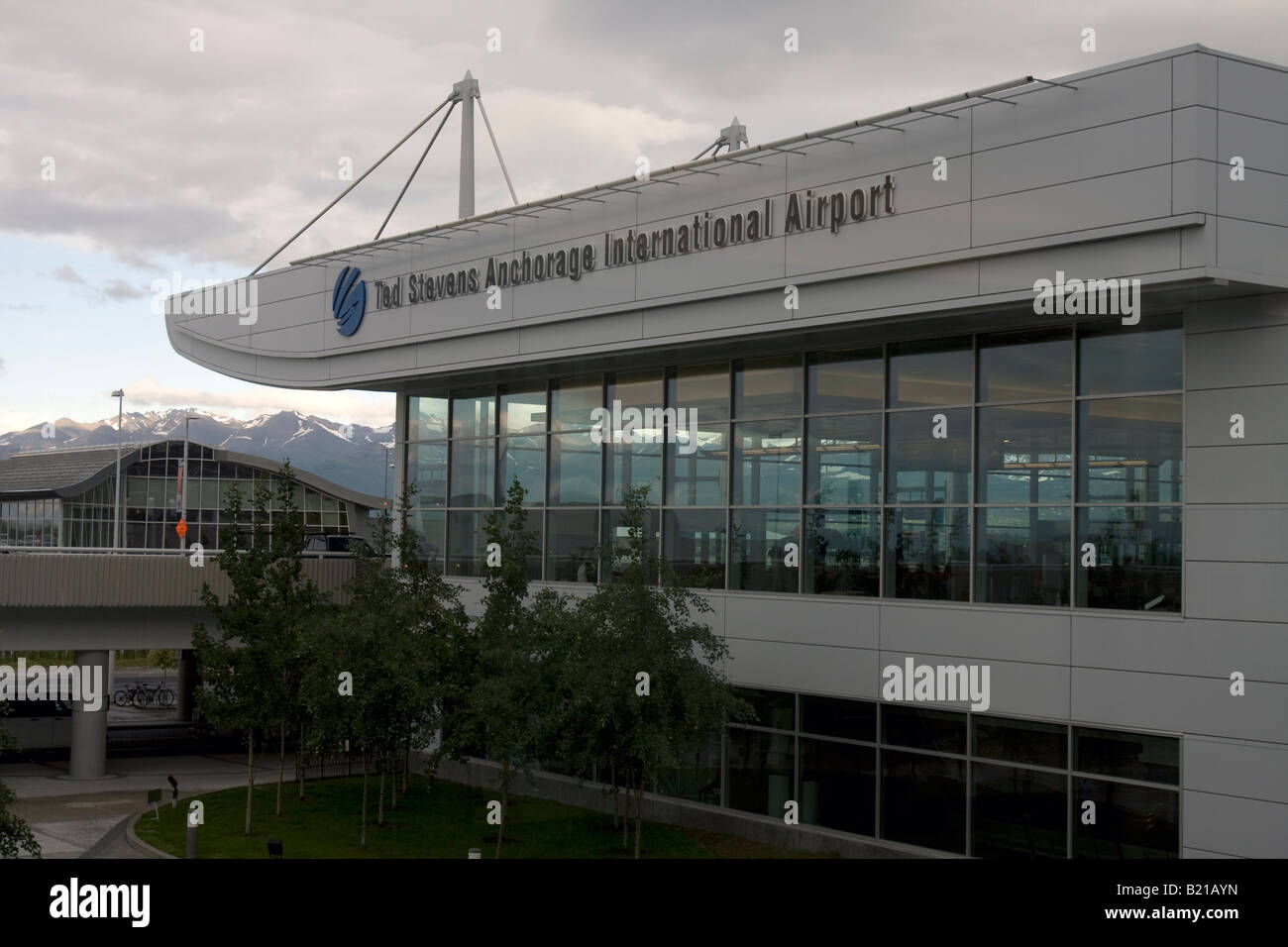
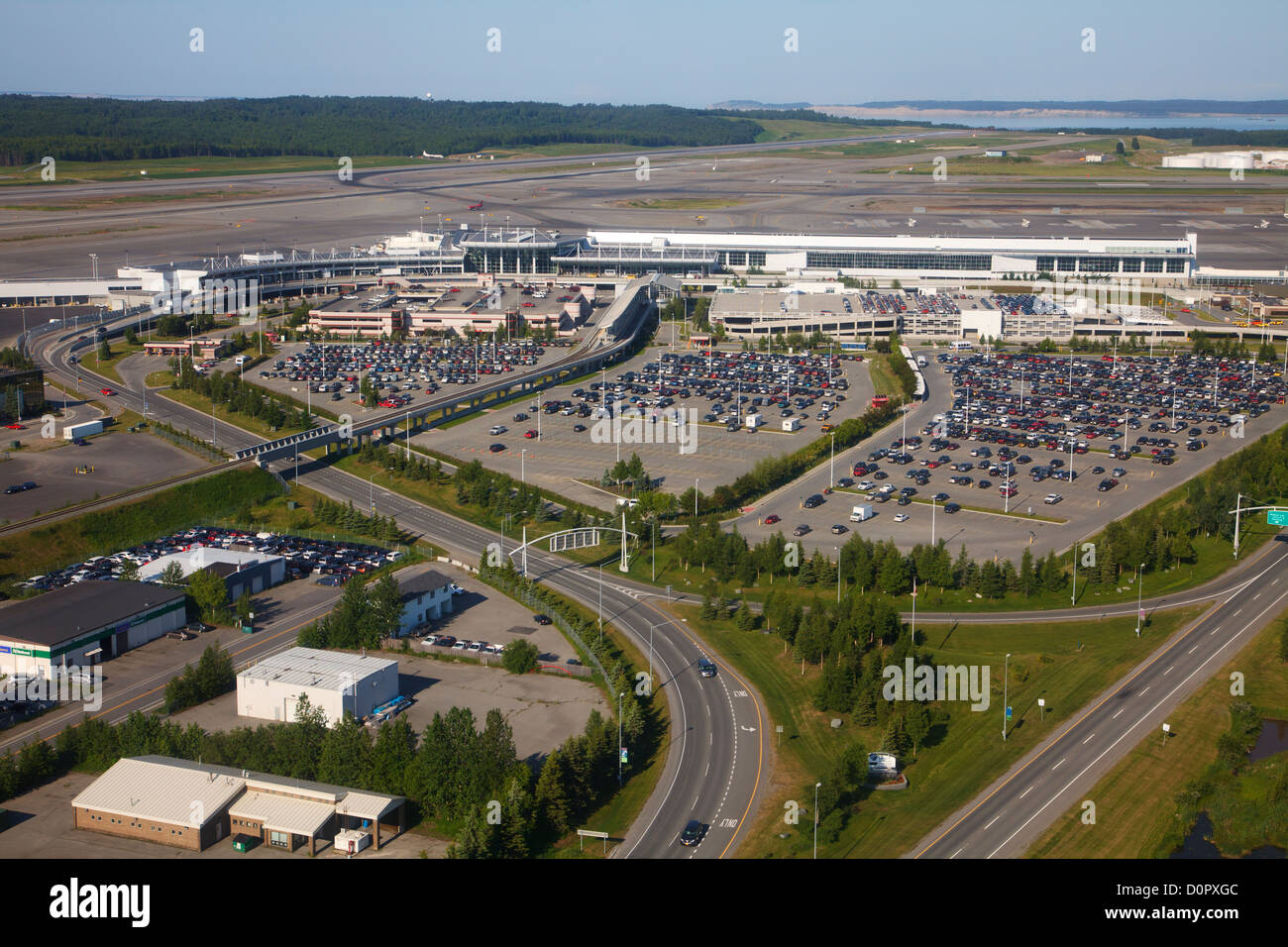
The primary airport code for Anchorage, AK, is ANC. This three-letter identifier, assigned by the International Air Transport Association (IATA), is used globally for passenger bookings, baggage tagging, and flight schedules. For technical flight operations and air traffic control, the airport uses the four-letter ICAO code PANC.
Ted Stevens Anchorage International Airport (ANC) is more than just a regional transit point; it is a critical node in global logistics and the primary gateway to the Alaskan wilderness. Whether you are a traveler booking a flight for a 2026 summer cruise or a logistics professional tracking a trans-Pacific cargo shipment, understanding the nuances of the ANC airport code and the facility it represents is essential for seamless navigation.
The Dual Identity: Decoding ANC and PANC
In the world of aviation, every major airport carries at least two distinct identifiers. For Anchorage, these are ANC and PANC. While they refer to the same physical location, they serve different sectors of the industry.
The IATA Code: ANC
The International Air Transport Association (IATA) assigns three-letter codes to airports worldwide. ANC is the code you will see on your boarding pass, luggage tags, and travel itineraries. It is the consumer-facing identifier used by airlines, travel agents, and online booking engines. If you are searching for flights to Southcentral Alaska in 2026, typing "ANC" into any search bar will immediately pull up Ted Stevens Anchorage International Airport.
The ICAO Code: PANC
The International Civil Aviation Organization (ICAO) uses a four-letter system primarily for "behind-the-scenes" operations. In North America, ICAO codes for the contiguous United States typically start with "K," while Alaskan codes begin with "PA." Therefore, Anchorage is designated as PANC. This code is utilized by pilots for filing flight plans, by air traffic controllers for managing the airspace, and by meteorologists for reporting localized weather data (METARs).
The Strategic Importance of Ted Stevens Anchorage International Airport
Located at 61.1742° N latitude and 149.9963° W longitude, ANC occupies a unique geographical position often referred to as the "Crossroads of the World." In 2026, this title remains as relevant as ever due to the airport's proximity to major global markets.
The 9.5-Hour Rule
Anchorage is situated almost equidistant between the world’s leading industrial centers. Approximately 90% of the industrialized world is reachable within a 9.5-hour flight from ANC. This makes the airport an indispensable refueling and sorting hub for international cargo carriers traveling between Asia and North America or Europe.
A Global Cargo Powerhouse
While many travelers know ANC as their entry point for seeing glaciers and wildlife, the aviation industry recognizes it as one of the busiest cargo airports on the planet. Throughout the early 2020s and continuing into 2026, ANC has consistently ranked in the top five globally for cargo throughput. Major carriers like FedEx and UPS maintain massive primary hubs here, taking advantage of liberalized transfer rights that allow for efficient cargo movements between international flights.
Terminal Layout and Passenger Navigation
Navigating Ted Stevens Anchorage International Airport is relatively straightforward compared to massive mainland hubs like O'Hare or Hartsfield-Jackson, but it features a distinct two-terminal system that travelers must understand.
The South Terminal (Domestic)
The South Terminal is the primary hub for domestic travel. It serves major carriers including Alaska Airlines, Delta, United, and American. In 2026, the South Terminal continues to handle the vast majority of passenger traffic, featuring three main concourses:
- Concourse A & B: Primarily used by regional carriers and some major domestic airlines.
- Concourse C: The primary hub for Alaska Airlines, featuring modern amenities and expansive views of the surrounding Chugach Mountains.
The North Terminal (International)
The North Terminal is typically reserved for international arrivals, seasonal charters, and certain military operations. While it sees less daily foot traffic than the South Terminal, it houses the U.S. Customs and Border Protection facilities. Travelers arriving on international flights from Tokyo, Seoul, or Frankfurt (which often operate on a seasonal basis) will pass through the North Terminal.
Terminal Connection
A frequent shuttle service connects the North and South Terminals, as well as the long-term parking lots and the consolidated rental car center. The transit time between terminals is usually less than five minutes, making it easy for passengers who might find themselves at the wrong gate.
Technical Specifications and Infrastructure
As of 2026, ANC has maintained and upgraded its infrastructure to support the heaviest aircraft in the world, including the Antonov An-225 (historically) and the Boeing 747-8F.
| Specification | Details |
|---|---|
| Elevation | 152 feet (46 meters) MSL |
| Runway 7L/25R | 10,600 x 150 feet (Asphalt/Concrete) |
| Runway 7R/25L | 12,400 x 200 feet (Asphalt/Concrete) |
| Runway 15/33 | 10,960 x 150 feet (Asphalt) |
| Total Area | Approximately 4,500 acres |
| Average Daily Flights | 600+ (Including cargo and general aviation) |
The airport's runway configuration is designed to handle the heavy crosswinds common in the Cook Inlet. The 12,400-foot runway (7R/25L) is particularly vital for heavily laden cargo planes that require significant take-off distances when departing for long-haul trans-Pacific routes.
The Lake Hood Seaplane Base (LHD)
One of the most unique aspects of the Anchorage airport complex is the Lake Hood Seaplane Base, which carries its own FAA and IATA code: LHD. Located immediately adjacent to the main runways of ANC, Lake Hood is the world’s busiest seaplane base.
In Alaska, where many communities are not reachable by road, small aircraft are the lifeblood of the state. Lake Hood handles nearly 200 flights per day on average, peaking much higher during the summer months. The integration of a massive international airport (ANC) with a bustling general aviation seaplane base (LHD) creates one of the most complex and fascinating aviation environments in the world. Travelers can actually walk a gravel path from the main ANC terminal areas to watch floatplanes take off and land—a must-see for any aviation enthusiast visiting in 2026.
Logistics and Ground Transportation in 2026
Getting to and from the ANC airport is facilitated by several modes of transport, reflecting the airport's role as a regional transit hub.
- Rental Cars: The Consolidated Rental Car Center (RCC) is accessible via a short shuttle ride from either terminal. It houses all major national brands and several local Alaskan agencies.
- Ride-Sharing and Taxis: Dedicated pickup zones for Uber, Lyft, and traditional taxi services are clearly marked outside the baggage claim areas of the South Terminal.
- The Alaska Railroad: During the summer tourist season, the Alaska Railroad operates the "Coastal Classic" and other trains that can be accessed via the Bill Sheffield Railroad Depot at the airport. This provides a scenic connection for cruise ship passengers heading to Whittier or Seward.
- Public Transit: The People Mover, Anchorage’s municipal bus system, provides regular service between the airport and the downtown transit center, offering an affordable option for travelers and employees.
Seasonal Considerations for Travelers
Using the airport code ANC for your 2026 travel planning requires an understanding of Alaska's distinct seasons.
The Summer Peak (May – September)
During the summer, ANC operates at maximum passenger capacity. This is when seasonal international flights are most active, and the sun shines for nearly 20 hours a day. It is recommended to arrive at the airport at least two to three hours before domestic departures due to the high volume of cruise ship passengers and independent tourists.
The Winter Operation (October – April)
While passenger numbers dip in the winter, the cargo operations remain in high gear. ANC is world-renowned for its snow removal and de-icing capabilities. The airport rarely closes, even during heavy snowfall, thanks to a sophisticated fleet of sweepers, plows, and chemical distribution trucks. However, travelers should always check their flight status during winter storms, as delays are more likely to be caused by weather at the destination or origin airport rather than ANC itself.
Why the Name "Ted Stevens"?
The airport was renamed in 2000 to honor Ted Stevens, the long-serving U.S. Senator from Alaska who was a staunch advocate for the state’s aviation infrastructure. His influence was instrumental in securing the funding that allowed ANC to grow from a modest regional airfield into the global cargo and passenger hub it is today. Visitors can find a statue and memorial dedicated to Senator Stevens within the South Terminal, providing historical context to the facility's development.
Common Mistakes to Avoid
When booking travel or shipping items to Anchorage, keep these potential pitfalls in mind:
- Confusing ANC with MRI: Merrill Field (MRI) is another significant airport in Anchorage. However, MRI is used exclusively for general aviation and is located closer to downtown. Commercial flights do not use MRI.
- Overlooking Connection Times: While ANC is efficient, if you are transferring from an international flight (North Terminal) to a domestic bush plane (often departing from separate small-carrier hangers), allow ample time for security re-screening and terminal transfers.
- Baggage Expectations: Alaska is a hub for hunters, anglers, and adventurers. If you are checking oversized gear (kayaks, rifles, fish boxes), ANC has specialized baggage carousels. Be sure to look for the "Oversized Baggage" signs rather than waiting at the standard carousels.
Frequently Asked Questions
Does ANC have non-stop international flights?
Yes. As of 2026, ANC hosts several non-stop international routes. While cargo flights to Asia (Hong Kong, Shanghai, Tokyo, Seoul) are constant, passenger service varies by season. Condor often operates seasonal flights to Frankfurt, and various carriers have historically offered links to Canada and East Asia.
Is there a hotel located inside the ANC airport?
There is no hotel physically located inside the terminal at Ted Stevens Anchorage International Airport. However, dozens of hotels are located within a two-mile radius, most of which offer 24-hour complimentary shuttle services to and from the ANC code-designated terminals.
How far is ANC from downtown Anchorage?
The airport is approximately five miles southwest of downtown Anchorage. By car or rideshare, the trip typically takes 10 to 15 minutes, depending on traffic.
What is the difference between ANC and PANC?
ANC is the IATA code used for commercial purposes (tickets and luggage). PANC is the ICAO code used by pilots and air traffic control for operational and technical communication.
Can I see the Northern Lights from the airport?
While it is possible to see the Aurora Borealis from the airport grounds during the winter, the ambient light pollution from the runways and terminals makes it less than ideal. For the best view, it is recommended to head to nearby Point Woronzof or the Glen Alps Trailhead.
Does the airport stay open 24 hours?
Yes, Ted Stevens Anchorage International Airport is a 24-hour operation. Because of its status as a global cargo hub, the runways and many terminal services remain active throughout the night, making it one of the most consistently busy "sleepless" airports in the United States.
Final Recommendations for Using the ANC Code
When preparing for your journey or shipment involving Anchorage, always verify your flight details using the ANC code. For the most accurate and real-time information in 2026, travelers should utilize the official Ted Stevens Anchorage International Airport website or their airline's mobile application.
If you are a drone operator or a private pilot planning to fly in the vicinity, remember that the PANC designation carries specific airspace requirements, including a Class C airspace designation that requires radio communication with Anchorage Approach or Tower. Always consult the latest FAA sectional charts before operating any aircraft in the busy corridors surrounding the ANC airport code area.