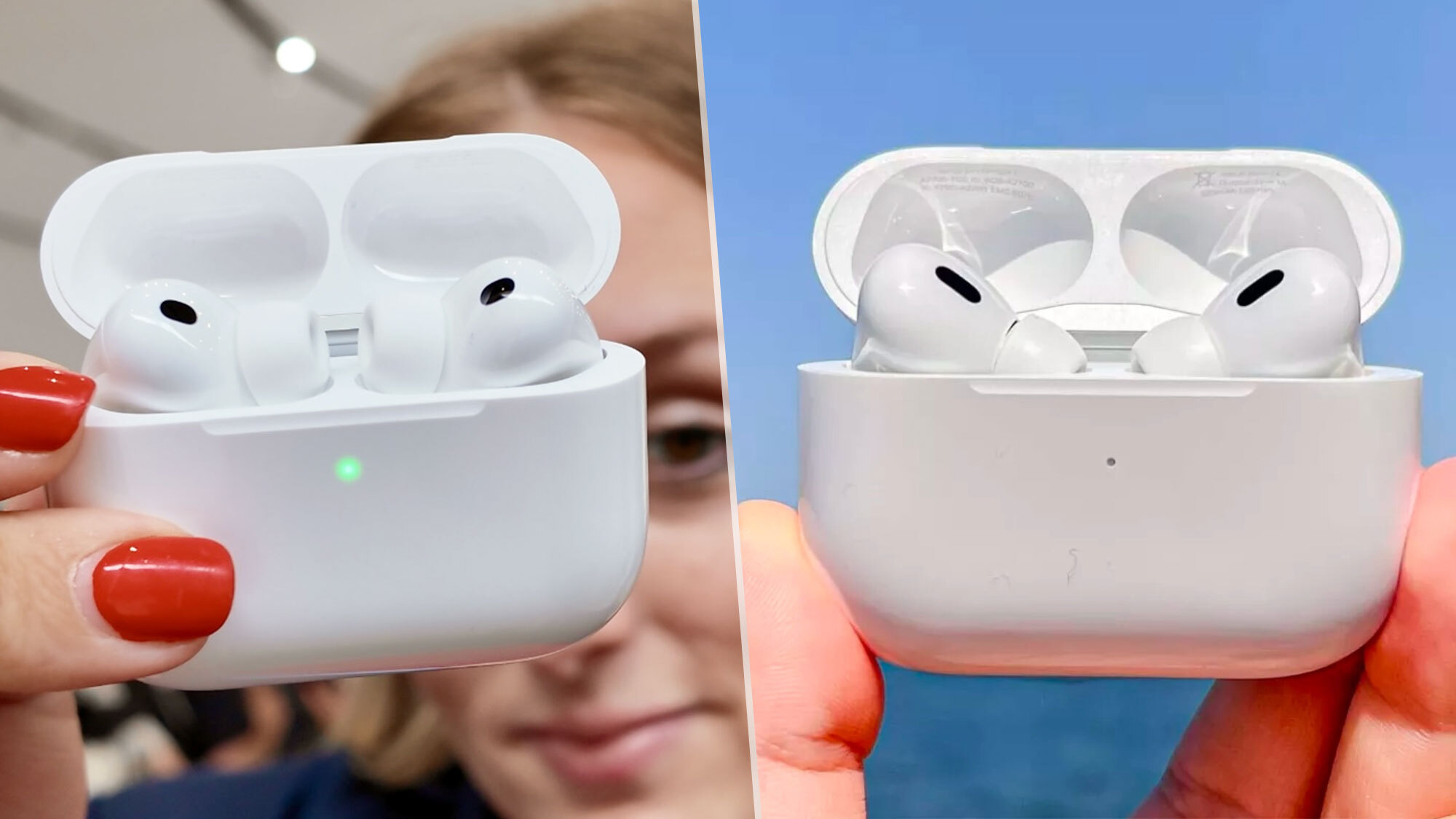
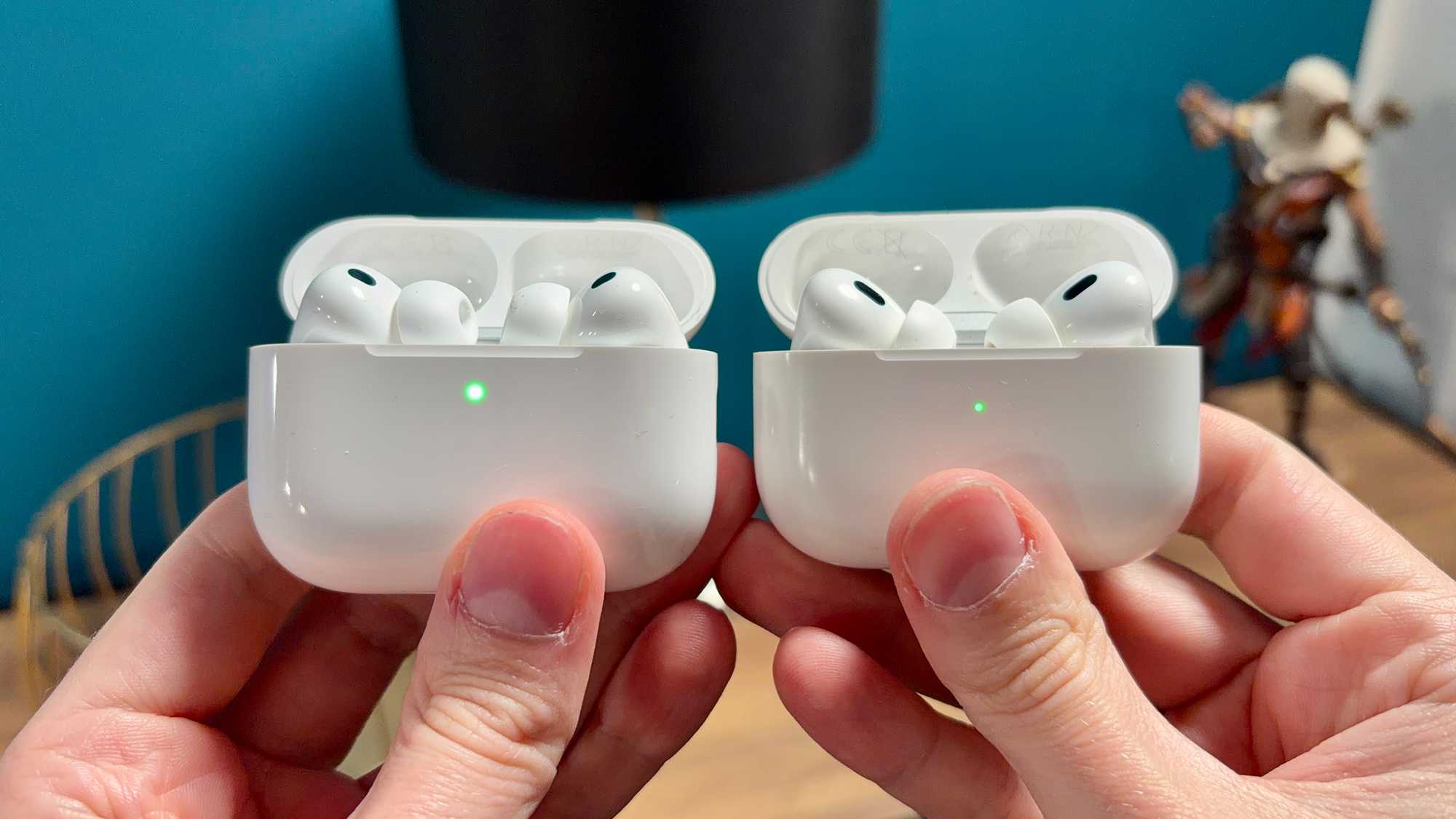
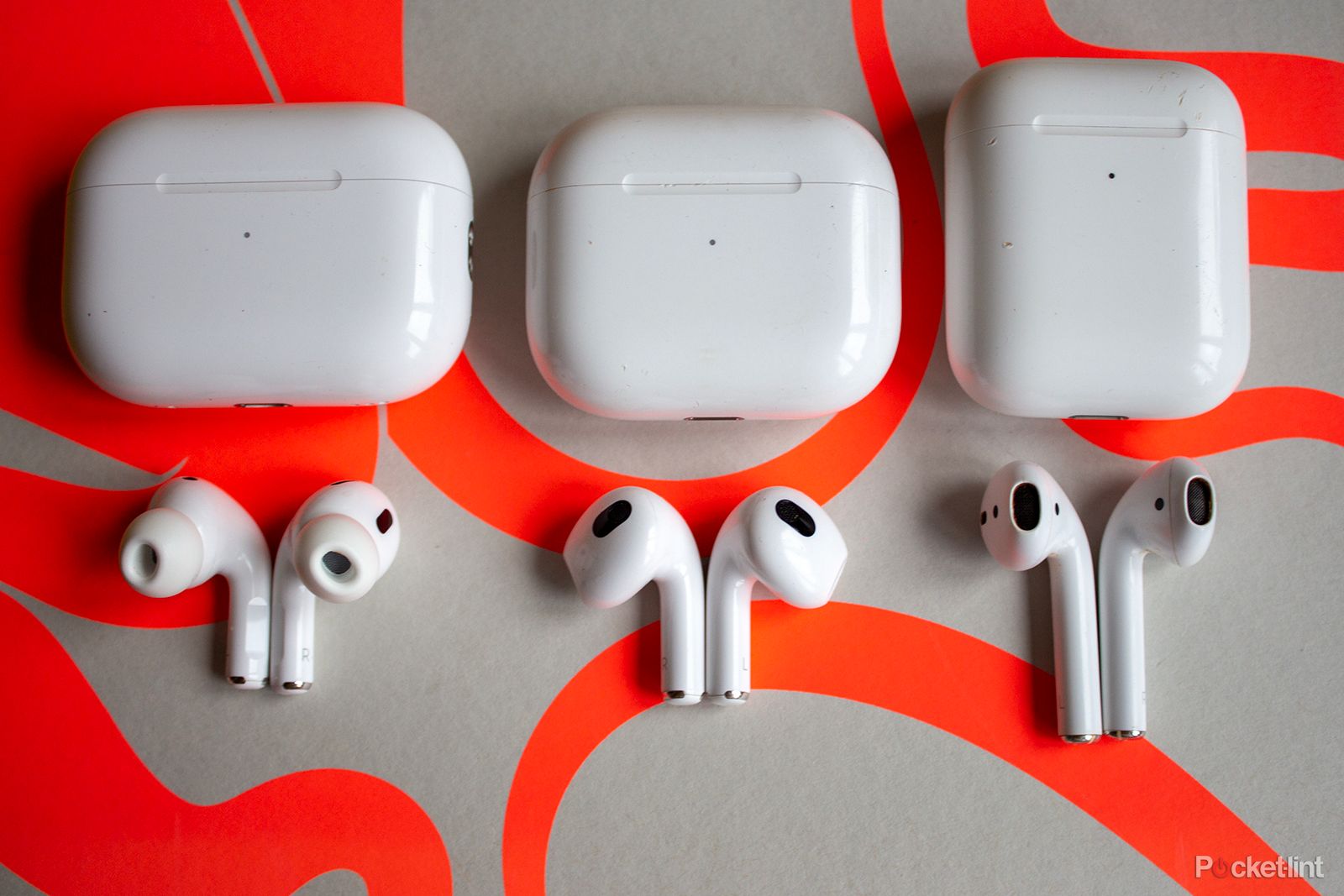
Choosing between the AirPods Pro and the AirPods 3 in 2026 depends primarily on your preference for an "in-ear" or "open-ear" design. The AirPods Pro features active noise cancellation (ANC) and customizable silicone tips for a secure seal, while the AirPods 3 offers a more breathable, universal fit without noise isolation.
The landscape of personal audio has evolved significantly, yet the debate between the AirPods Pro and the AirPods 3 remains a central point of tension for consumers within the Apple ecosystem. As we navigate the technical nuances of these devices in 2026, the choice is no longer just about "better" sound, but about how a specific form factor integrates into your daily lifestyle, ergonomic needs, and auditory health.
Both models represent different philosophies in industrial design. The AirPods Pro is built for immersion and focus, utilizing hardware-based isolation to carve out a quiet space in noisy environments. Conversely, the AirPods 3 is designed for the user who wants "all-day" comfort and environmental awareness without the physical sensation of a sealed ear canal. Understanding the deep technical and practical differences between these two sets of earbuds is essential for making an informed investment.
Design and Ergonomics: The Sealed vs. Open Fit
The most immediate and consequential difference between the AirPods Pro and the AirPods 3 is the physical interface with the human ear. This design choice dictates not only comfort but also the foundational audio performance of each device.
The AirPods Pro In-Ear Architecture
The AirPods Pro utilizes a traditional in-ear monitor (IEM) design. It comes with multiple sizes of silicone ear tips (XS, S, M, and L) that are designed to create an airtight seal within the ear canal. This seal is the prerequisite for Active Noise Cancellation. Without a physical barrier to block out external frequencies, electronic noise cancellation cannot function effectively.
In 2026, the ergonomic advantage of the Pro model remains its stability. Because the silicone tips grip the interior of the ear canal, they are less likely to fall out during vigorous exercise or sudden head movements. However, this design can lead to "ear fatigue" or a sensation of pressure. Apple mitigates this with a sophisticated vent system that equalizes pressure between the inside and outside of the ear, but for some users, the feeling of having their ears "plugged" remains a dealbreaker.
The AirPods 3 Open-Ear Philosophy
The AirPods 3 follows the lineage of the original EarPods but with a heavily contoured, "one-size-fits-most" shape. There are no silicone tips; the hard plastic shell rests in the concha of the ear. This "open" design allows for natural airflow and ensures the user remains aware of their surroundings at all times.
For users who suffer from ear canal irritation or simply dislike the feeling of silicone, the AirPods 3 is often the superior choice. The lightweight nature of the earbuds makes them feel almost invisible during long listening sessions. The trade-off is stability; because there is no internal anchor, the fit is entirely dependent on the individual's ear shape. If your ears do not match the specific curve of the AirPods 3, they may feel loose or insecure compared to the Pro model.
Active Noise Cancellation and Transparency Modes
The inclusion of Active Noise Cancellation (ANC) is the primary justification for the higher price point of the AirPods Pro. In 2026, this technology has reached a level of maturity where the Pro can effectively neutralize everything from the low-frequency hum of an airplane engine to the mid-range chatter of a busy coffee shop.
How the Pro Manages Sound
The AirPods Pro (specifically the 2nd Generation and later iterations available by 2026) utilizes the H2 chip to process sound at 48,000 times per second. This allows the device to create an "anti-noise" wave that cancels out incoming sounds before they reach your eardrum.
Beyond simple cancellation, the Pro offers Adaptive Audio. This feature dynamically blends Transparency mode and ANC based on the noise levels of your environment. If a siren passes by or a construction drill starts up, the earbuds instantly increase the level of cancellation. If the environment is quiet, they shift toward Transparency, allowing you to hear your own voice and surroundings naturally.
The Transparency Gap
While the AirPods 3 supports "Transparency" in a sense—simply by being open to the air—it lacks the computational Transparency Mode found in the Pro. On the AirPods Pro, Transparency Mode uses external microphones to pipe in the sounds of the world around you, processing them so they sound as if you aren't wearing headphones at all. It is a technical feat that the AirPods 3 cannot replicate because it lacks the processing power and the sealed environment necessary to control the audio mix so precisely.
Audio Performance and Computational Sound
While both devices share the "AirPods" DNA, their internal drivers and processing capabilities lead to distinct sound signatures.
Frequency Response and Bass
The AirPods Pro generally offers a more robust bass response. This is not necessarily due to a larger driver, but due to the sealed environment created by the ear tips. Deep sub-bass frequencies require a pressurized chamber to be felt and heard accurately. By sealing the ear canal, the Pro can deliver a punchier, more controlled low-end that remains consistent even in noisy environments.
The AirPods 3 uses a custom high-excursion driver and a high-dynamic-range amplifier. In a quiet room, the AirPods 3 sounds remarkably similar to the Pro, with clear mids and crisp highs. However, because it is an open design, bass frequencies tend to "leak" out. To compensate, Apple uses Adaptive EQ, which employs an inward-facing microphone to monitor what the user is hearing and adjust the low and mid-frequencies in real-time. This ensures that even if the fit isn't perfect, the sound remains balanced.
Spatial Audio and Tracking
Both models support Personalized Spatial Audio with dynamic head tracking. This technology uses the accelerometers and gyroscopes in the earbuds to track your head movements, shifting the virtual "soundstage" so that audio seems to originate from your device (iPhone, iPad, or Mac). In 2026, this has become a standard feature for watching movies and listening to Dolby Atmos tracks on Apple Music. While both support it, the immersive nature of the Pro makes the "theater-like" experience feel more convincing.
Battery Life, Charging, and Case Features
Battery longevity is a critical metric for any wireless device. By 2026, both the AirPods Pro and AirPods 3 have standardized on USB-C charging, following global regulatory shifts, though many users still utilize MagSafe and Qi-certified wireless chargers.
Runtime Comparisons
- AirPods 3: Offers approximately 6 hours of listening time on a single charge and up to 30 hours total with the charging case. Because it does not have to power the intensive ANC processors, it is highly efficient.
- AirPods Pro: Offers approximately 6 hours of listening time with ANC enabled. Without ANC, it can slightly exceed this, though most users leave ANC or Adaptive Audio on by default. The case also provides a total of 30 hours of listening time.
The "Find My" Ecosystem
The charging cases represent another significant point of divergence. The AirPods Pro case (2nd Gen/USB-C) features the U1 or U2 chip, enabling Precision Finding. This allows you to use your iPhone to find the exact location of the case within a room, complete with directional arrows. The Pro case also includes a built-in speaker that can emit a loud ping, making it much easier to find if lost in couch cushions.
The AirPods 3 case supports standard Find My tracking but generally lacks the precision finding and built-in speaker features found in the Pro model. For users who frequently misplace their tech, the Pro case offers a significant quality-of-life upgrade.
Technical Specifications Comparison
To visualize the differences between these two models as they stand in 2026, refer to the table below. Note that specifications for the "AirPods Pro" refer to the most recent standard version (Pro 2 with USB-C/H2 chip).
| Feature | AirPods Pro (Current) | AirPods 3 |
|---|---|---|
| Acoustic Design | Closed (In-ear with tips) | Open (Contoured plastic) |
| Processor | H2 Chip | H1 Chip |
| Noise Cancellation | Active Noise Cancellation | None |
| Transparency Mode | Adaptive Transparency | Natural (Open design) |
| Volume Control | Touch control (Swipe) | None (Force sensor only) |
| Charging Case | USB-C, MagSafe, Apple Watch | USB-C, MagSafe |
| Precision Finding | Yes (Built-in Speaker/U-series) | Limited (No Speaker) |
| Water Resistance | IP54 (Buds and Case) | IPX4 (Buds and Case) |
| Conversation Awareness | Yes | No |
Durability and Fitness Use
For athletes and active users, durability is non-negotiable. Both the AirPods Pro and the AirPods 3 are rated for sweat and water resistance. However, the rating has seen slight improvements over the years.
In 2026, most current AirPods models carry an IP54 rating, meaning they are protected against dust ingress as well as splashes of water from any direction. This makes both models suitable for intense workouts and running in light rain.
The deciding factor for fitness is, again, the fit. High-intensity interval training (HIIT) or running often causes "earbud creep," where the vibration of your steps slowly dislodges the earbud. The silicone tips of the AirPods Pro provide a more "locked-in" feel. Furthermore, the Ear Tip Fit Test available in iOS settings helps users ensure they are using the correct size to maintain that security. The AirPods 3, while light and comfortable, may require frequent adjustment during high-impact activities depending on your ear anatomy.
Price and Value Proposition in 2026
The price delta between these two models usually sits around $70 to $100. When determining value, you must consider the "cost per hour" of use.
- The AirPods Pro is the "do-everything" tool. If you travel, work in an office, or commute via public transit, the ANC is a transformative feature that protects your hearing by allowing you to listen at lower volumes. The added case features and superior controls (like the on-stem volume swipe) justify the premium for power users.
- The AirPods 3 is the "casual" choice. It is excellent for phone calls, podcasts, and casual music listening at home or in quiet environments. It provides 90% of the Apple ecosystem benefits (Auto-switching, "Hey Siri," Spatial Audio) for a significantly lower price.
Common Pitfalls and Troubleshooting
Regardless of which model you choose, certain issues can arise over the lifespan of the product.
- Reduced ANC Effectiveness: On the Pro model, if you notice the noise cancellation isn't as strong as it used to be, it is often due to earwax buildup in the external microphone grilles. Regular cleaning with a soft, dry, lint-free cloth is essential.
- Connection Drops: If earbuds fail to switch between your iPhone and Mac automatically, ensure all devices are signed into the same iCloud account and running the latest firmware.
- Battery Degradation: Like all lithium-ion devices, AirPods batteries will degrade over 2-3 years. Apple does not offer battery replacement; they offer "battery service," which essentially replaces the earbuds at a discounted rate.
Frequently Asked Questions
Can I use AirPods Pro tips on AirPods 3?
No. The AirPods 3 is designed as an open-ear device and does not have the mounting bracket for silicone tips. Attempting to force third-party tips onto the AirPods 3 will interfere with the sensors and prevent them from fitting in the charging case.
Does the AirPods 3 have any noise cancellation at all?
Technically, no. It lacks Active Noise Cancellation. While the physical shape of the earbud might block a tiny amount of sound simply by being in the way, it is negligible. If you require any level of noise reduction, the AirPods Pro is the necessary choice.
Which model is better for phone calls?
Both models are excellent for calls, but the AirPods Pro has a slight edge in windy or noisy environments. The H2 chip's beam-forming microphones and voice isolation algorithms are better at separating your speech from background noise. However, in a quiet room, the AirPods 3 provides a very natural-sounding voice profile.
Is the AirPods Pro "swipe" volume control easy to use?
The touch-sensitive layer on the stem of the AirPods Pro allows you to swipe up or down to adjust volume. It requires a bit of practice to master the "pinch and slide" motion without dislodging the earbud, but once learned, it is significantly more convenient than reaching for your phone or using Siri.
Can I charge the AirPods Pro with an Apple Watch charger?
Yes, the newer versions of the AirPods Pro MagSafe case (post-2022) can be charged using an Apple Watch magnetic charger in addition to MagSafe, Qi, and USB-C. The AirPods 3 case generally does not support the Apple Watch charger.
Final Recommendation: Which Should You Buy?
In 2026, the choice remains a matter of environment and anatomy.
Buy the AirPods Pro if:
- You commute via train, bus, or plane.
- You work in a shared office space or loud environment.
- You prefer a secure, "plugged-in" fit for the gym.
- You want the highest possible audio fidelity and technical features like Adaptive Audio.
Buy the AirPods 3 if:
- You find in-ear silicone tips uncomfortable or irritating.
- You primarily use your earbuds in quiet environments or at home.
- You need to stay aware of your surroundings (e.g., walking in traffic or listening for a baby).
- You want the most cost-effective entry into the Apple audio ecosystem without sacrificing Spatial Audio.
Both devices represent the pinnacle of "it just works" technology, but the AirPods Pro offers a suite of life-improving features that make it the more versatile choice for most modern users.