Agricultural engineering represents the critical fusion of biological sciences, physical engineering principles, and data analytics to optimize food, fiber, and fuel production. In 2026, this discipline serves as the primary engine for sustainable intensification, utilizing autonomous systems, precision resource management, and climate-resilient infrastructure to meet the caloric demands of a growing global population.
The Evolution of Agricultural Engineering: From Mechanization to Intelligence
The intersection of agriculture and engineering has progressed through distinct eras, beginning with basic mechanical advantage and culminating in the highly integrated digital ecosystems seen in 2026. Traditionally, agricultural engineering focused on mechanization—replacing human and animal labor with internal combustion engines and hydraulic systems. This shift allowed for the massive scaling of farm operations during the 20th century.
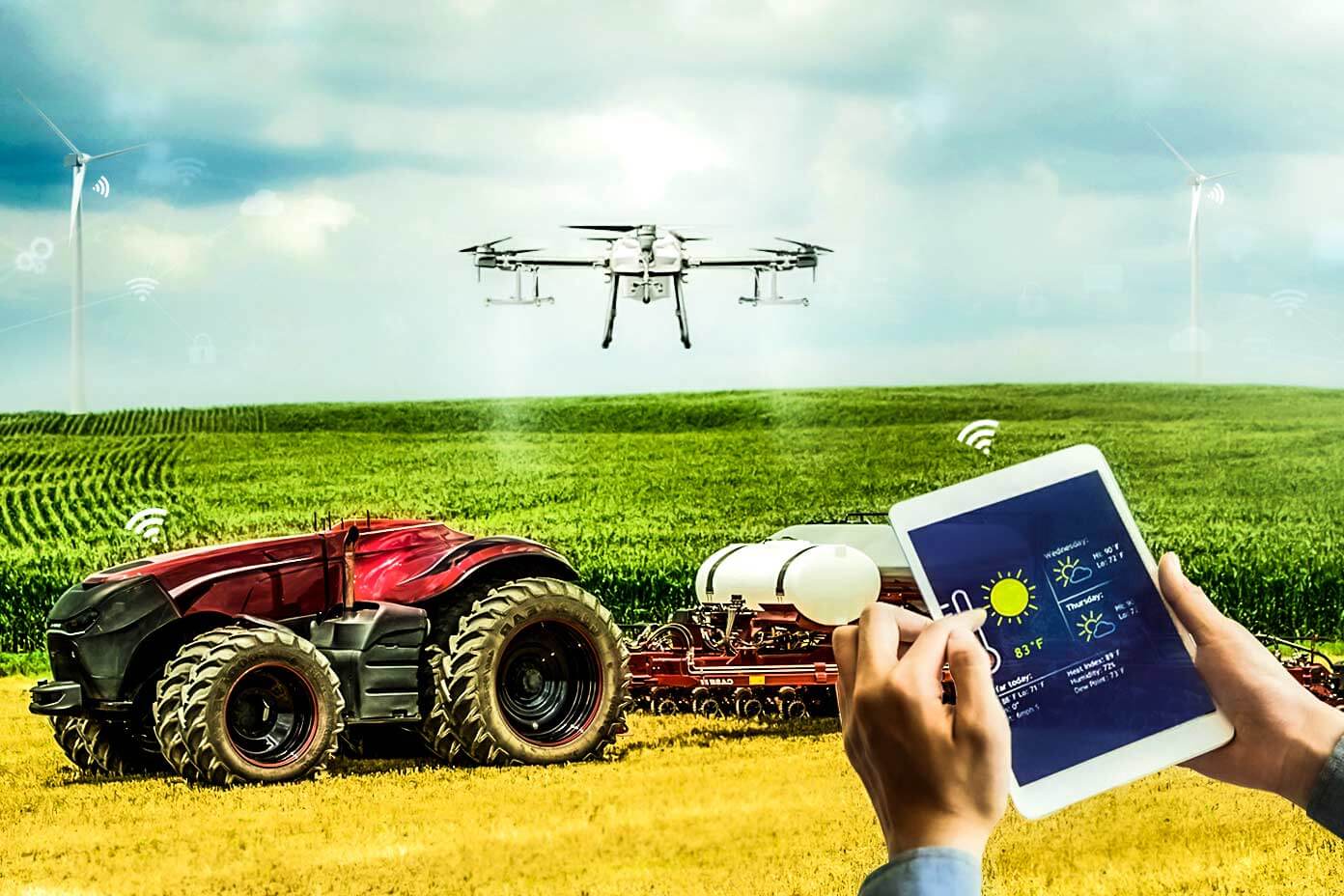
As of 2026, the focus has shifted toward Cyber-Physical Systems (CPS). Modern agricultural engineering no longer views the tractor or the irrigation pivot as an isolated machine but as a node within a larger network. This network integrates satellite telemetry, ground-based sensors, and artificial intelligence (AI) to make real-time adjustments to the environment. The engineering challenge today lies in managing the complexity of biological variables—such as soil microbiome health and volatile weather patterns—through the precision of hardware and software.
The discipline now encompasses several core pillars:
- Power Systems and Machinery Design: Developing electric and hydrogen-powered autonomous fleets.
- Structural and Environmental Engineering: Designing controlled-environment agriculture (CEA) facilities like vertical farms.
- Natural Resource Engineering: Advanced hydrology and soil physics applied to carbon sequestration and water conservation.
- Information Technology and Automation: The "brain" of the farm, managing big data and edge computing.
Precision Agriculture and the Role of Data Engineering
Precision agriculture is the most visible manifestation of engineering in the field. It relies on the principle of "doing the right thing, at the right place, at the right time." In 2026, this is achieved through Variable Rate Technology (VRT) and high-resolution spatial mapping.
Sensor Fusion and Real-Time Diagnostics
Engineers have developed sophisticated sensor arrays that go beyond simple GPS. Modern systems utilize multispectral and hyperspectral imaging from both drones (UAVs) and low-earth orbit (LEO) satellites. These sensors measure light reflectance in bands invisible to the human eye, allowing engineers to program algorithms that detect nitrogen deficiencies or fungal outbreaks days before physiological symptoms appear.
The engineering task involves sensor fusion, where data from moisture probes, weather stations, and machine-mounted sensors are synthesized into a single "digital twin" of the farm. This allows for predictive modeling rather than reactive management. For instance, an engineer might design a system where a localized drop in soil moisture automatically triggers a sub-surface drip irrigation zone, while simultaneously adjusting the speed of an autonomous weeding robot to avoid soil compaction in that specific area.
AI and Machine Learning in Crop Management
In 2026, machine learning (ML) models are the standard for yield prediction and pest management. Engineers work alongside agronomists to train these models on decades of historical data, combined with real-time inputs. The engineering difficulty lies in the heterogeneity of the agricultural environment. Unlike a controlled factory floor, a field has varying slopes, soil types, and microclimates. Engineering solutions must be robust enough to operate in dusty, vibrating, and weather-impacted environments while maintaining the delicate precision required to spray a single weed among thousands of crop plants.
Autonomous Systems and Robotics in 2026
The labor shortage in global agriculture has accelerated the engineering of autonomous systems. By 2026, autonomy has moved from experimental pilots to commercial ubiquity in many regions.
Fleet Robotics
Rather than relying on one massive, heavy tractor, modern agricultural engineering emphasizes swarm robotics. These are smaller, lightweight autonomous units that work in coordination. This approach offers several engineering advantages:
- Redundancy: If one unit fails, the rest of the swarm continues the task.
- Soil Health: Smaller robots cause significantly less soil compaction than traditional 300-horsepower machinery, preserving the soil's pore space for water and air.
- Scalability: Farmers can add robots to their fleet as their budget allows, rather than making a single, massive capital investment.
Robotic Harvesting and Computer Vision
Harvesting delicate fruits and vegetables has long been an engineering "holy grail." In 2026, advancements in soft robotics and computer vision have enabled machines to pick strawberries, peppers, and citrus fruits with the same dexterity as a human hand. These robots use "force-feedback" sensors to ensure they apply just enough pressure to detach the fruit without bruising the tissue. The integration of 5G and early-stage 6G networks provides the low latency required for these robots to process visual data and make millisecond-level decisions on fruit ripeness.
Water Resource Engineering and Smart Irrigation
Water scarcity remains one of the most significant challenges in 2026. Engineering interventions are now focused on "closed-loop" water systems and ultra-efficient delivery.
Sub-Surface Drip Irrigation (SDI)
Engineers have refined SDI systems to deliver water and nutrients directly to the root zone, bypassing evaporation losses entirely. These systems are now equipped with automated flushing and filtration mechanisms that prevent clogging from mineral buildup or biological growth—historically the greatest weakness of drip systems.
Desalination and Brackish Water Utilization
In coastal agricultural hubs, engineering has made small-scale, solar-powered desalination a reality. By utilizing forward osmosis and improved membrane technology, engineers have lowered the energy cost of treating brackish groundwater. This allows for the cultivation of crops in arid regions that were previously considered non-arable, provided the soil chemistry is managed through engineered drainage.
Controlled Environment Agriculture (CEA) and Vertical Farming
The engineering of agriculture extends into the urban core through vertical farming. By 2026, these facilities are not just growing leafy greens but have expanded into caloric crops like dwarf wheat and specialized berries.
Thermal Management and Lighting Physics
The primary engineering challenge in vertical farming is energy balance. Engineers design HVAC systems that manage the immense latent heat produced by high-intensity LED arrays. In 2026, the use of Photosynthetic Active Radiation (PAR) sensors allows the system to tune the light spectrum in real-time, providing only the specific wavelengths (mostly red and blue) the plant needs at its specific growth stage. This "light recipe" optimization significantly reduces energy consumption compared to 2020-era vertical farms.
Hydroponics and Aeroponics
Engineering the root environment is as vital as engineering the light. Aeroponic systems, which mist roots with nutrient-rich water, require precise nozzle engineering and timing. A failure of just 30 minutes can result in total crop loss. Therefore, engineers in 2026 focus heavily on fail-safe automation and redundant power supplies, often integrated with on-site renewable energy like wind or solar-plus-storage.
Engineering for Sustainability and Climate Resilience
In 2026, agricultural engineering is the primary tool for meeting "Net Zero" commitments. This involves both reducing the carbon footprint of farming and using the farm as a carbon sink.
Carbon Capture and Soil Engineering
Engineers are developing "smart" plows and seeders designed for no-till farming. These machines are engineered to slice through heavy crop residue and place seeds at exact depths without overturning the soil. This prevents the carbon stored in the soil from oxidizing and entering the atmosphere as CO2. Furthermore, remote sensing engineering provides the verification needed for farmers to sell carbon credits on international markets, ensuring that the sequestration is measurable and permanent.
Waste-to-Energy Systems
The engineering of anaerobic digesters on livestock farms has matured. These systems capture methane—a potent greenhouse gas—from manure and convert it into renewable natural gas (RNG) or electricity. In 2026, modular digester designs allow even medium-sized dairy or swine operations to become net energy exporters, turning a waste liability into a revenue stream.
Comparative Analysis: Traditional vs. Engineered Agriculture (2026)
The following table highlights the technical differences between traditional farming practices and the engineering-led approaches dominant in 2026.
| Feature | Traditional Agriculture (Conventional) | Engineered/Precision Agriculture (2026) |
|---|---|---|
| Decision Making | Based on intuition and calendar dates. | Based on real-time sensor data and AI modeling. |
| Resource Application | Uniform application across the entire field. | Variable-rate application (VRT) per square meter. |
| Machinery Operation | Human-operated, heavy internal combustion. | Autonomous, electric/hydrogen-powered swarms. |
| Water Efficiency | 40–60% (Flood/Sprinkler). | 90–95% (Smart Drip/Aeroponics). |
| Data Usage | Manual record-keeping, often retroactive. | Automated data logging with "Digital Twin" integration. |
| Labor Requirement | High manual labor, seasonal dependency. | High technical skill, focus on system maintenance. |
| Environmental Impact | High runoff, soil compaction, higher emissions. | Minimal runoff, carbon sequestration, lower footprint. |
Challenges and Constraints in Agricultural Engineering
Despite the advancements of 2026, the field faces significant engineering and socio-economic hurdles.
- Interoperability: A major engineering bottleneck is the lack of universal data standards. Equipment from different manufacturers often struggles to "talk" to the same software platform. Organizations like the ASABE (American Society of Agricultural and Biological Engineers) continue to work on protocols to ensure seamless data flow.
- Initial Capital Expenditure (CAPEX): While the return on investment (ROI) is clear, the upfront cost of autonomous fleets and sensor networks remains high for smallholder farmers. Engineering modular, low-cost versions of these technologies is a priority for international development.
- Cybersecurity: As farms become digital entities, they become vulnerable to hacking. Engineering secure, encrypted communication between tractors, drones, and the cloud is essential to protect the global food supply chain.
- Electronic Waste: The rapid turnover of sensors and hardware creates a sustainability paradox. Engineers are now tasked with designing "circular" agricultural electronics that are easily recyclable or biodegradable.
Frequently Asked Questions
What is the difference between an agronomist and an agricultural engineer?
An agronomist focuses on the science of soil management and crop production, essentially the "software" of the plant and soil. An agricultural engineer focuses on the "hardware" and the systems—designing the tools, structures, and algorithms that allow agronomists to implement their knowledge at scale and with high precision.
How does agricultural engineering help small-scale farmers in 2026?
While large-scale farms often adopt the most expensive technologies first, agricultural engineering in 2026 has produced "frugal innovations." These include low-cost, smartphone-linked soil sensors and solar-powered irrigation pumps that allow small-scale farmers to increase yields without relying on expensive fossil fuels or large-scale machinery.
What education is required to work in this field?
A career in agricultural engineering typically requires a degree in Agricultural Engineering, Biological Systems Engineering, or a related field (Mechanical or Civil Engineering with a focus on bio-resources). In 2026, additional certifications in Data Science, Robotics, or Environmental Law are highly valued due to the multidisciplinary nature of the work.
Can agricultural engineering truly stop climate change?
While engineering cannot stop climate change alone, it is a vital part of the solution. By optimizing nitrogen application (reducing nitrous oxide emissions), capturing methane from livestock, and improving soil carbon sequestration, agricultural engineering can turn the global food system from a major carbon source into a significant carbon sink.
Is autonomous farming safe?
Safety is a primary engineering requirement. Autonomous tractors in 2026 are equipped with multiple layers of redundancy, including LiDAR, ultrasonic sensors, and "geo-fencing" that automatically shuts down the machine if it detects an obstacle or moves outside its designated boundary.
Practical Recommendation for Stakeholders
For producers and investors looking to navigate the intersection of agriculture and engineering in 2026, the best approach is modular adoption. Do not attempt to overhaul an entire operation overnight. Start by investing in robust data infrastructure—ensure your fields have adequate connectivity and that your current machinery is equipped with basic telematics.
Focus next on Natural Resource Efficiency. Engineering solutions that save water or optimize fertilizer use usually provide the fastest ROI due to rising input costs. Finally, prioritize interoperability; when purchasing new equipment or software, ensure it adheres to international standards (such as ISOBUS) to avoid being locked into a single vendor's ecosystem. The goal of agricultural engineering is not technology for technology's sake, but the application of technical precision to biological necessity.