Afterschool enrichment activities are structured programs offered outside regular academic hours to foster intellectual, social, physical, and emotional growth in students. Spanning science, technology, creative arts, non-competitive athletics, and leadership, these programs expand standard school curricula through experiential, student-driven learning environments tailored to different developmental stages from kindergarten through high school.
The Role of Enrichment in Modern Education
Afterschool enrichment occupies a distinct operational space between traditional academic instruction and unstructured free time. Unlike standard classroom environments—which are often bound by state standards, strict timetables, and standardized assessments—enrichment programs prioritize exploration, project-based collaboration, and skill mastery.
According to long-term research synthesis from organizations like the Afterschool Alliance, high-quality out-of-school time (OST) programming directly correlates with improved classroom attendance, higher core subject engagement, reduced behavioral issues, and stronger interpersonal relationships.
The rationale for structured afterschool activities rests on three core pillars:
- Academic Reinforcement without Remediation: Enrichment provides practical application of theoretical concepts learned during the school day, making abstract principles in math, science, and literacy tangible.
- Social and Emotional Learning (SEL): Guided group activities allow students to practice self-regulation, empathy, conflict resolution, and teamwork in low-stakes settings.
- Safe, Supervised Supervision: For working families, quality enrichment addresses the critical 3:00 PM to 6:00 PM window, transforming idle hours into constructive developmental opportunities.
Key Categories of Afterschool Enrichment Programs
To design a balanced afterschool schedule, parents and educators must understand the distinct objectives and methodologies of primary enrichment tracks.
- Afterschool Enrichment Tracks
- STEM / STEAM (Coding, Math, Robotics)
- Arts & Culture (Music, Drama, Visual Media)
- Athletics & Wellness (Sports, Yoga)
- Life Skills & Leadership (Debate, Civics)
- Academic Support & Humanities (Reading, Lang.)
1. STEM and STEAM Programs
Science, Technology, Engineering, Arts, and Mathematics (STEAM) activities emphasize critical thinking, spatial reasoning, and digital literacy.
- Robotics and Engineering: Students build, program, and troubleshoot physical structures using platforms like LEGO Mindstorms, VEX Robotics, or Arduino microcontrollers. These programs teach mechanical engineering principles alongside iterative design processes.
- Computer Science and Coding: Modules ranging from Scratch block coding for elementary students to Python, JavaScript, and web development for middle and high schoolers encourage computational thinking and algorithmic problem-solving.
- Environmental Science and Eco-Clubs: Hands-on study of local ecosystems, school garden management, composting, and micro-plastics testing connect theoretical biology with environmental stewardship.
2. Creative and Performing Arts
Artistic enrichment fosters creative expression, motor refinement, and emotional literacy.
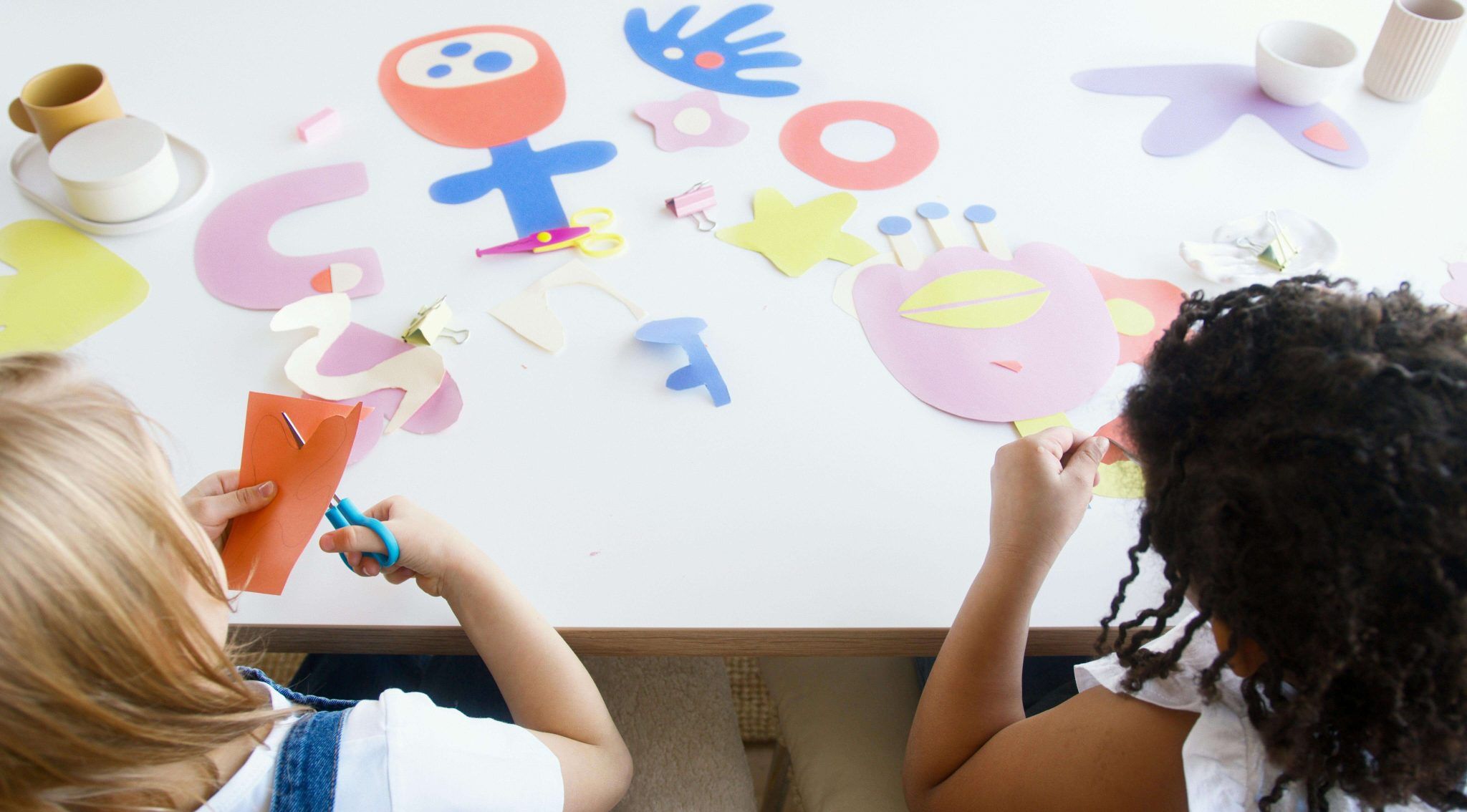
- Visual and Digital Arts: Programs covering traditional drawing, ceramics, graphic design, animation, and digital photography teach visual storytelling, spatial awareness, and fine motor control.
- Music and Instrumental Training: Group vocal ensembles, band programs, or group piano/guitar classes develop auditory processing, rhythm, temporal reasoning, and sustained focus.
- Theater and Drama: Participating in stage productions, improvisation workshops, or scriptwriting builds public speaking confidence, memory retention, vocal projection, and perspective-taking skills aligned with the Collaborative for Academic, Social, and Emotional Learning (CASEL) frameworks.
3. Athletic, Fitness, and Wellness Activities
Distinct from high-intensity competitive varsity sports, enrichment-focused physical activity emphasizes lifelong health, coordination, and cooperative play.
- Non-Competitive and Intramural Sports: Activities such as youth running clubs, climbing, tennis, table tennis, and swimming focus on personal skill acquisition, cardio endurance, and sportsmanship without the pressure of league standings.
- Mindfulness, Movement, and Yoga: Programs incorporating breathwork, structured stretching, and mindfulness exercises help children develop self-soothing mechanisms, body awareness, and stress-reduction techniques.
- Outdoor Exploration and Adventure: Programs focused on orienteering, hiking, basic wilderness survival, and nature navigation foster resilience, environmental awareness, and risk-assessment skills.
4. Life Skills, Leadership, and Humanities
These activities prepare students for civil society, financial independence, and effective communication.
- Speech, Debate, and Model UN: Students learn formal argumentation, research methods, persuasive writing, and active listening by defending various perspectives on complex global or local issues.
- Financial Literacy and Entrepreneurship: Programs such as Junior Achievement introduce basic budgeting, supply-and-demand mechanics, micro-business creation, and compound interest concepts.
- Culinary Arts and Nutrition: Cooking clubs teach food preparation, knife safety, nutritional science, kitchen mathematics (scaling recipes), and cultural food appreciation.
Developmental Benefits Across Age Groups
Enrichment activities must align with a student’s cognitive, emotional, and physical readiness. Over-stimulating young children or under-challenging older teenagers leads to disengagement or unnecessary stress.
Early Childhood and Elementary (Grades K–5)
At this stage, children learn best through play-based discovery, multi-sensory experiences, and brief, structured tasks.
- Primary Focus: Developing fine/gross motor coordination, basic socialization, reading comprehension, and self-expression.
- Ideal Activities: Storytelling circles, introductory block-coding, group art, beginner gymnastics, rhythm-based music, and nature exploration.
- Key Developmental Objective: Building a positive association with structured learning outside formal class time.
Middle School (Grades 6–8)
Middle schoolers undergo significant identity formation, cognitive restructuring, and peer alignment. Programs for this group should balance structure with autonomy.
- Primary Focus: Peer collaboration, identity exploration, deeper skill specialization, and logical analysis.
- Ideal Activities: Competitive robotics teams, theater ensembles, middle school debate, digital media production, track and field, and beginner language immersion.
- Key Developmental Objective: Fostering personal agency, resilience through failure, and positive peer networks.
High School (Grades 9–12)
High school students benefit from enrichment that links academic interests to career paths, higher education, or civic participation.
- Primary Focus: Advanced skill mastery, leadership development, portfolio development, and community engagement.
- Ideal Activities: Advanced coding bootcamps, student government, science research mentorships, Model UN, varsity athletics, internships, and community organizing.
- Key Developmental Objective: Translating personal interests into practical skills, portfolio assets, and career awareness.
Evaluating Program Quality: A Framework for Parents and Educators
Not all afterschool programs offer equal educational or developmental value. When evaluating potential enrichment opportunities, stakeholders can use a structured framework based on five key quality indicators:
| Program Quality Evaluation Framework |
|---|
| 1. Safety & Operational Compliance (Ratios, background checks, space) |
| 2. Instructor Expertise & Pedagogy (Certifications, engagement) |
| 3. Curriculum & Progression (Structured pathways, project outcomes) |
| 4. Inclusivity & Accessibility (Accommodations, psychological safety) |
| 5. Student Agency & Voice (Student choice, collaborative leadership) |
1. Safety and Operational Compliance
- Ratios: Ideal staff-to-student ratios range from 1:8 for early elementary to 1:15 for older students.
- Vetting: Confirm that all instructors undergo comprehensive background checks, first-aid/CPR certification, and child safety training.
- Physical Space: Facilities should be clean, secure, equipped with appropriate materials, and compliant with local building codes.
2. Instructor Qualifications and Pedagogy
- Observe whether instructors act as facilitators who guide discovery rather than traditional lecturers.
- Evaluate staff enthusiasm, patience, and ability to manage group dynamics without relying on punitive measures.
3. Structured Progression and Curriculum
- Quality programs maintain a clear syllabus or project roadmap with clear milestones.
- Look for activities that conclude with a tangible outcome, such as a performance, exhibition, debate showcase, or functional prototype.
4. Inclusivity and Accessibility
- Ensure the program accommodates neurodivergent learners, students with physical disabilities, and English language learners.
- Verify that the social culture of the program actively discourages bullying and fosters psychological safety.
5. Student Agency and Choice
- Effective enrichment empowers students to make decisions about their projects, roles within teams, and creative directions.
Comparison of Major Afterschool Enrichment Categories
The following matrix compares common afterschool enrichment options to assist parents, administrators, and program coordinators in decision-making:
| Category | Primary Focus Areas | Target Age Group | Primary Skill Outcomes | Cost/Resource Profile | Key Evaluation Metric |
|---|---|---|---|---|---|
| STEM / STEAM | Coding, Robotics, Lab Sciences, Math | Grades K–12 | Problem-solving, spatial reasoning, logic, computational thinking | Moderate to High (Requires tech/hardware) | Project completion & functional code/builds |
| Performing Arts | Drama, Musical Instrument, Choir, Dance | Grades 1–12 | Public speaking, spatial awareness, empathy, auditory memory | Low to High (Instruments/costumes vary) | Ensemble cohesion & showcase execution |
| Visual Arts | Painting, Ceramics, Animation, Photography | Grades K–12 | Fine motor skills, visual communication, creative focus | Moderate (Consumable art supplies) | Portfolio development & medium mastery |
| Athletics & Wellness | Martial Arts, Yoga, Running, Intramurals | Grades K–12 | Gross motor control, cardio health, stress regulation, discipline | Low to Moderate (Minimal equipment needed) | Physical endurance & personal progress |
| Debate & Civics | Public Speaking, Model UN, Philosophy | Grades 6–12 | Critical analysis, persuasive writing, active listening | Low (Books, research materials) | Argument structure & research depth |
| Life Skills | Culinary Arts, Finance, Gardening, Repair | Grades 4–12 | Self-reliance, measurement, practical math, safety protocols | Moderate (Kitchen space, materials) | Independent task completion |
Funding, Budgeting, and Accessibility Options
Accessing quality afterschool enrichment can present financial challenges for families and school districts. However, multiple funding streams and low-cost options exist to ensure broad access.
Public and Federal Grant Funding
In the United States, federal support like the U.S. Department of Education 21st Century Community Learning Centers (21st CCLC) program provides grants to inner-city and rural public schools. These funds establish community learning centers that offer academic enrichment, art, youth development, and literacy services to students attending high-poverty schools.
Community-Based and Non-Profit Organizations
- YMCA and Boys & Girls Clubs of America: Offer low-cost, comprehensive afterschool enrichment with sliding-scale fee structures based on family income.
- Public Libraries: Often host free weekly coding workshops, chess clubs, reading circles, and STEAM maker labs funded by municipal budgets and philanthropic donations.
- Parks and Recreation Departments: Municipal recreation divisions regularly offer low-cost seasonal courses in swimming, martial arts, ceramics, and youth theater.
School-Level Funding Models
Parent-Teacher Associations (PTAs) and local educational foundations frequently sponsor enrichment programs by directly hiring specialized contractors or providing scholarships for low-income families.
Overcoming Common Implementation Challenges
1. Preventing Burnout and Over-Scheduling
A common issue in modern youth development is the over-scheduling of children. When students transition directly from a structured school day into high-pressure enrichment activities without downtime, they may experience fatigue, anxiety, and diminished academic performance.
- Solution: Follow the "2-1-0 Rule"—limit intense structured extracurriculars to 2 core disciplines per semester, ensure 1 dedicated day for unstructured rest or free play, and maintain 0 commitments during designated family time.
2. Addressing Transportation Barriers
Transportation between the regular school site and off-campus enrichment providers remains a common barrier for working parents.
- Solution: Prioritize on-site school-run programs, organize neighborhood carpool networks, or advocate for district-provided busing to local community centers.
3. Balancing Fun and Skill Acquisition
When enrichment activities feel too much like standard academic classes, student retention drops. Conversely, if activities lack structure, developmental outcomes decline.
- Solution: Use project-based learning methodologies where foundational concepts are introduced quickly, giving students most of the session to experiment, build, create, or play hands-on.
Frequently Asked Questions
How many afterschool enrichment activities should a child participate in per week?
For elementary students, two to three afternoons of structured enrichment per week is generally optimal, allowing time for unstructured play, rest, and homework. Middle and high school students can handle four to five days if the activities vary in intensity (e.g., combining a physical activity with an academic or artistic one) and do not compromise sleep or academic performance.
How do I know if an enrichment program is high quality?
Look for clear safety protocols, low student-to-staff ratios (ideally under 1:12), well-maintained facilities, qualified instructors, and a structured curriculum that culminates in a final project or performance. A high-quality program should prioritize student engagement, encourage questions, and handle mistakes as learning opportunities.
Are online afterschool enrichment activities as effective as in-person programs?
Online enrichment can be effective for self-motivated older students pursuing specialized topics like advanced coding, digital illustration, or foreign language tutoring. However, for younger children (Grades K–5), in-person activities are generally superior because they foster social-emotional learning, peer collaboration, and tactile skill development.
What is the difference between afterschool care and afterschool enrichment?
Afterschool care primarily provides safe supervision, basic snacks, and unstructured playtime or homework help while parents complete the workday. Afterschool enrichment focuses on targeted skill building, guided instruction, and progressive learning outcomes within a specific discipline such as robotics, music, drama, or martial arts.
How can low-income families access high-quality enrichment programs?
Families can explore programs funded by the federal 21st Century Community Learning Centers (21st CCLC) grant, which are typically free for students attending eligible schools. Additionally, organizations like the YMCA, Boys & Girls Clubs, and local municipal parks departments offer sliding-scale fees, financial aid, or full fee waivers based on household income.
Recommended Next Steps
- Assess Needs and Interests: Sit down with your child to identify their core interests, physical energy levels, and social preferences.
- Audit Current School Offerings: Consult your local school district or PTA to determine on-campus enrichment opportunities, subsidized options, and registration deadlines.
- Visit and Observe: Before committing long-term, request to observe a session or attend an open house to evaluate staff engagement, safety standards, and program culture.
- Establish a Sustainable Schedule: Start with one or two low-pressure activities to gauge how the additional commitments affect your child’s energy, homework habits, and family routines.