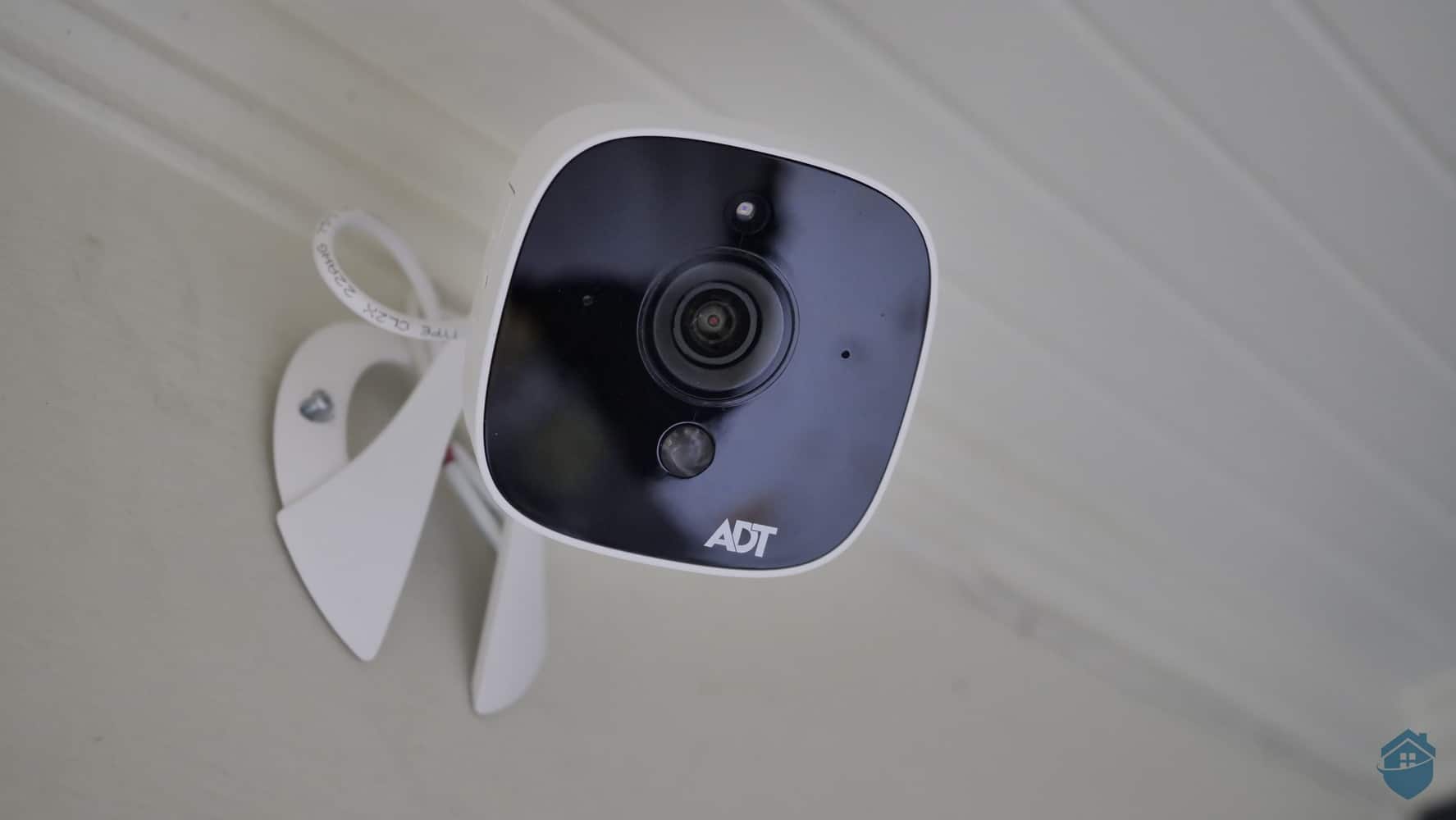
ADT security services in Saint Cloud, Minnesota provide round-the-clock home and business monitoring, integrating Google Nest outdoor cameras, smart locks, and environmental hazard sensors with local emergency dispatch across Stearns, Benton, and Sherburne counties. Residents can choose between professional installation or self-setup, requiring local alarm registration under Saint Cloud municipal ordinances to ensure compliance and prevent unnecessary false alarm penalties.
Understanding ADT Security Infrastructure in Saint Cloud, MN
Installing a home security system in Saint Cloud requires an understanding of how local emergency response infrastructure interfaces with private monitoring networks. The city of Saint Cloud occupies a unique geographic position, straddling three distinct counties: Stearns, Benton, and Sherburne. Because of this tri-county footprint, emergency dispatch routing depends heavily on the precise physical address of your residence or business.
When an ADT security system triggers an alarm in Saint Cloud—whether via a door sensor, motion detector, glass break sensor, or smoke detector—the signal is transmitted instantly to one of ADT's redundant, central monitoring centers. Once an alarm signal is received and confirmed (often utilizing visual verification or two-way voice communication), ADT dispatchers contact the appropriate Public Safety Answering Point (PSAP). For properties west of the Mississippi River, dispatch usually routes through Stearns County Emergency Communications. For properties east of the river or in northern sections, calls route through Benton County Sheriff Dispatch or Sherburne County Dispatch.
- Trigger Event: Door Sensor / Motion / Smoke
- ADT Central Monitoring Center (24/7 Verification)
- Local PSAP Dispatch: Stearns / Benton / Sherburne County
- Saint Cloud Police / Fire / Emergency Medical Deployment
Modern ADT systems deployed in Central Minnesota rely on dual-path communication technology. Primary communication occurs over high-speed home Wi-Fi, while an integrated cellular LTE communicator serves as a fail-safe backup. This dual-path architecture ensures that even during severe weather events—such as summer thunderstorms or winter blizzards that down power lines and knock out broadband service—your alarm panel maintains an uninterrupted connection to the monitoring grid.
Saint Cloud Alarm Permits and Local Municipal Compliance
Homeowners and business operators installing monitored security systems within the city limits of Saint Cloud must adhere to local municipal guidelines governing electronic security devices. The City of Saint Cloud enforces alarm regulations designed to limit false alarm dispatches by public safety personnel, ensuring emergency responders remain available for actual life-safety incidents.
City Registration Requirements
Under Saint Cloud municipal policies, residential and commercial alarm systems must be registered with the local administration or Saint Cloud Police Department. Registration provides dispatchers with vital operational data, including emergency keyholder contact information, property access instructions, and notes regarding pets or hazardous materials on-site.
- Permit Registration Process: Property owners complete an alarm permit application specifying system details, installation vendor (ADT), and primary emergency contacts.
- Fee Schedules: Initial registration fees or annual renewals vary depending on whether the property is residential or commercial.
- Permit Duration: Permits typically require periodic renewal or updates whenever emergency contact details change.
False Alarm Ordinances and Penalties
Unintended alarm activations consume municipal emergency resources. Saint Cloud implements a structured false alarm policy to encourage proper system maintenance and operator training.
- Grace Period / Initial Violations: The municipality typically grants a limited allowance for accidental trips during a rolling calendar year or initial installation period.
- Graduated Fines: Subsequent unexcused false alarm dispatches incur escalating administrative fines charged directly to the permit holder.
- Dispatch Suspension: Excessive unregistered or unpaid false alarm occurrences can lead to temporary suspension of non-verified police response, requiring visual or audio confirmation before officers are dispatched.
ADT mitigates false alarm risks using SMART Monitoring technology. When a sensor triggers, ADT sends an immediate text notification with a secure link to the property owner and designated contacts via the Alarm Messenger system. This permits instant cancellation of accidental trips directly from a smartphone before emergency services are called.
System Equipment and Smart Home Integration Options
ADT security packages in Saint Cloud feature modular equipment options tailored for diverse housing layouts, from historic properties in South Saint Cloud to modern residential developments near Sartell and Waite Park.
- ADT SMART BASE HUB (Touchscreen Control, Battery Backup, LTE Cellular)
- SECURITY SENSORS
- Door/Window Contacts
- Glass Break Sensors
- PIR Motion Detectors
- SMART AUTOMATION
- Z-Wave Smart Locks
- Smart Thermostats
- Smart Plugs & Lighting
- GOOGLE NEST INTEGRATION
- Nest Doorbell
- Nest Cam Outdoor
- Nest Cam Indoor w/ Floodlight
- SECURITY SENSORS
Central Control Panels and Keypads
The core of the ADT system is the central touchscreen panel (such as the ADT Command panel or the updated ADT+ smart hub). Key capabilities include:
- 7-Inch Touchscreen Interface: Intuitive control over security partition arming, smart home devices, and system health status.
- Integrated Camera: Captures photos of the person disarming the panel at the keypad to prevent unauthorized access code usage.
- Bluetooth Disarming: Automatically disarms the security system when an authorized mobile device comes within proximity of the control hub.
Intrusion and Perimeter Protection
- Magnetic Door and Window Contacts: Protect primary access points by alerting the hub immediately when a magnetic seal is broken.
- Passive Infrared (PIR) Motion Sensors: Monitor expansive interior zones, utilizing pet-immunity algorithms to ignore small household animals under 40–80 pounds.
- Acoustic Glass Break Detectors: Monitor the distinct sound frequencies emitted by shattering glass within a 25-foot radius, protecting large sliding glass doors and egress windows.
Life Safety and Environmental Hazard Sensors
Central Minnesota homes face severe seasonal environmental risks. ADT integrates environmental monitoring directly into the security framework:
- Monitored Smoke and Heat Detectors: Detect rapid temperature rises and smoke particles, dispatching the Saint Cloud Fire Department even if the home is unoccupied.
- Carbon Monoxide (CO) Detectors: Detect odorless gas leaks from faulty furnaces, water heaters, or attached garages.
- Low-Temperature (Freeze) Sensors: Trigger alerts if indoor ambient temperatures drop below 45°F, preventing catastrophic frozen pipe bursts during severe winter cold waves.
- Water Leak and Flood Sensors: Placed near sump pumps, water heaters, and washing machines to detect liquid accumulation early.
Google Nest Ecosystem Integration
ADT natively integrates with the Google Nest product line. Nest cameras and doorbells operate inside the ADT platform, offering clean app control and unified billing:
- Google Nest Doorbell: Features high-definition video with HDR, night vision, and intelligent alerts capable of distinguishing between people, packages, animals, and vehicles.
- Google Nest Cam (Outdoor/Indoor): Battery or weather-resistant wired camera units delivering 1080p continuous monitoring, 2-way talk, and customizable activity zones.
- Google Nest Cam with Floodlight: Motion-activated LED floodlights paired with smart cameras for illuminating driveways, side yards, and dark perimeter points.
Central Minnesota Weather and Climate Considerations
Extreme seasonal fluctuations in Central Minnesota introduce unique physical requirements for home security hardware. Saint Cloud regularly experiences sub-zero winter temperatures, severe ice storms, summer humidity, and convective thunderstorms.
SEASONAL ENVIRONMENT HARDWARE REQUIREMENTS (SAINT CLOUD, MN)
- WINTER (Sub-Zero Freezes)
- Outdoor Equipment Rating: Rated for -4°F to -20°F operation
- Camera Power Supply: Hardwired connections preferred over battery
- Hazard Safeguards: Indoor freeze sensors set for < 45°F threshold
- SUMMER & STORMS (Thunderstorms & Outages)
- Communication Backup: Dual-Path Wi-Fi + LTE Cellular failover
- Power Backup: Minimum 24-hour internal panel battery reserve
- Hazard Safeguards: Water leak sensors near baseline sump pumps
Cold-Weather Camera and Battery Performance
Lithium-ion batteries used in wireless security cameras lose chemical efficiency when temperatures drop below freezing (32°F / 0°C) and may cease charging or functioning entirely when temperatures dip below -4°F (-20°C).
- Wired Power Preference: For outdoor camera deployments in Saint Cloud, professional installers recommend using wired power connections rather than relying exclusively on removable batteries.
- Enclosure Standards: Outdoor sensors and cameras must hold an IP65 or higher ingress protection rating to withstand wind-driven snow, sleet, and ice accumulation.
Winter Freeze Protection Strategies
Heating system failures during mid-winter cold snaps can cause residential plumbing pipes to freeze and burst within hours, leading to tens of thousands of dollars in water damage. ADT low-temperature sensors monitor ambient room temperatures continuously. If a home furnace fails while occupants are away, the sensor alerts the central monitoring center, allowing emergency notification to keyholders before pipe damage occurs.
Storm Resilience and Backup Power
Summer severe weather in Stearns and Benton counties frequently disrupts power grids. ADT main control panels contain internal rechargeable backup batteries capable of powering essential security sensors and cellular transceivers for 24 hours during extended power outages.
Professional Installation vs. ADT Self-Setup
Homeowners and renters in Saint Cloud can choose between ADT Professional Installation and ADT Self-Setup (DIY), depending on property type, budget, and system complexity.
CHOSEN INSTALLATION PATHWAY
- Professional Installation
- On-site safety audit
- Hardwired retrofits & mounting
- Complex multi-cam integration
- Ideal for multi-story homes
- ADT Self-Setup (DIY)
- Shipped direct-to-door
- Pre-configured base station
- Peel-and-stick wireless sensors
- Ideal for apartments/renters
Professional Installation
Under the professional installation model, an ADT-certified technician visits the property to perform a comprehensive security audit, mount all hardware, configure network connections, and train residents on system usage.
- Best Suited For: Multi-story homes, properties requiring hardwired camera power, historical structures with thick plaster walls requiring wireless mesh extenders, and homeowners wanting turnkey setup.
- Benefits: Sensor placement optimized for maximum coverage, professional drill mounting, integration of smart home locks, and local municipal permit assistance.
- Cost: Professional installation fees vary depending on system scale and current promotional pricing.
ADT Self-Setup (DIY)
ADT Self-Setup delivers pre-configured equipment directly to your doorstep for quick self-installation using heavy-duty adhesive backing or simple hand tools.
- Best Suited For: Renters, college students attending Saint Cloud State University (SCSU), smaller single-family homes, and apartments.
- Benefits: No professional technician appointment required, lower upfront setup costs, flexible month-to-month monitoring contract options, and easy transferability when moving.
- Limitations: Setup requires self-guided installation via the ADT+ mobile application, and outdoor cameras must be placed within reach of power outlets or rely on battery charging.
Pricing, Monitoring Plans, and Financial Commitments
Understanding the total cost of ownership for an ADT security system involves breaking down hardware purchases, installation fees, monthly monitoring subscriptions, and potential local insurance savings.
ADT Monitoring Tiers
Monitoring plans are billed monthly and dictate the level of protection and smart feature access available to the user.
- Essential / Secure Monitoring: Covers basic intrusion protection, entry sensors, motion detectors, and life-safety hazards (smoke, CO, freeze). Provides 24/7 emergency dispatch over cellular connection.
- Smart Home Monitoring: Adds smart device automation capabilities, allowing users to remotely lock/unlock doors, control Z-Wave thermostats, adjust lighting schedules, and receive custom app push notifications.
- Video & Smart Home Monitoring: Includes full video integration for Google Nest Doorbells, outdoor cameras, and indoor floodlight units. Enables live video streaming, recorded clip storage via Nest Aware, and visual alarm verification.
Contractual Commitments
- Professional Installation Contracts: Typically require a 36-month monitoring agreement. Early termination fees apply if the service is canceled prior to contract expiration, though options exist to move the service to a new address.
- Self-Setup Contracts: Offer flexible month-to-month monitoring plans with no long-term agreement when equipment is purchased upfront.
Homeowners Insurance Discounts
Installing a professionally monitored home security system with fire and environmental hazard monitoring can qualify Saint Cloud property owners for premium discounts on their homeowners insurance.
Major Minnesota insurers often offer discounts ranging from 5% to 20% for homes equipped with central-station monitored security and life-safety systems. ADT supplies a formal Certificate of Monitoring that policyholders can submit directly to their insurance provider to secure these rate reductions.
Package Comparison Matrix
The following table compares standard ADT system packages available to Saint Cloud residents:
| Feature / Package Tier | ADT Secure (Basic) | ADT Smart Home | ADT Video & Smart Home | ADT Self-Setup (DIY) |
|---|---|---|---|---|
| Primary Ideal Use | Basic intrusion detection for budget-conscious homes | Comprehensive home protection with smart locks/lights | Full smart home automation plus indoor/outdoor video | Renters, apartments, and SCSU student housing |
| Standard Hardware Included | Touchscreen Hub, Door/Window Sensors, PIR Motion Detector | Touchscreen Hub, Door Sensors, Motion Detector, Smart Lock | Touchscreen Hub, Door Sensors, Nest Doorbell, Nest Cam | Self-Setup Smart Hub, Door Contacts, Motion Sensor |
| Monitoring Connection | Dual-Path Cellular LTE & Wi-Fi | Dual-Path Cellular LTE & Wi-Fi | Dual-Path Cellular LTE & Wi-Fi | Dual-Path Cellular LTE & Wi-Fi |
| App Remote Control | Basic Arming / Disarming | ADT Control / ADT+ Full Remote Access | ADT Control / ADT+ with Video Live-Stream | ADT+ Application Control |
| Google Nest Support | Optional Add-on | Optional Add-on | Native Integration | Select Nest Device Support |
| Installation Method | Professional Tech | Professional Tech | Professional Tech | User Self-Installation |
| Agreement Term | 36 Months | 36 Months | 36 Months | Month-to-Month or 36 Months |
| Insurance Discount Eligible | Yes (Security Only) | Yes (Security & Smart Devices) | Yes (Full Security, Fire, Water) | Yes (Monitored Plans) |
Frequently Asked Questions
How does ADT dispatch police or fire services in Saint Cloud, MN?
When an alarm sensor triggers, ADT's central monitoring station receives an instant alert. Dispatchers attempt to reach the account holder via text or phone using the SMART Monitoring platform to verify whether the signal was caused by an accidental trip. If the alarm is confirmed or the account holder is unreachable, ADT contacts the appropriate county dispatch agency (Stearns County Emergency Communications, Benton County Dispatch, or Sherburne County Dispatch) based on the property address.
Do I need an alarm permit for an ADT system in Saint Cloud?
Yes, the City of Saint Cloud enforces municipal alarm regulations requiring residential and commercial alarm systems to be registered. Registration ensures emergency responders have current keyholder information and operational details. Check with the Saint Cloud City Finance Department or Police Department to submit the necessary permit applications and avoid non-registration penalties.
Will ADT outdoor cameras work during extreme Minnesota winters?
ADT-supplied outdoor equipment, including Google Nest Cams, is rated for outdoor cold-weather operation. However, extremely low temperatures (below -4°F) can degrade battery life or pause battery charging. In Central Minnesota, it is strongly recommended to install outdoor cameras with hardwired power connections to ensure reliable winter operation.
Can I transfer my ADT system if I move within Central Minnesota?
Yes. ADT offers a relocation program for existing customers moving within Saint Cloud or to nearby areas like Sartell, Waite Park, Sauk Rapids, or Saint Joseph. Depending on your contract terms and installation type, ADT can help uninstall existing hardware and install a updated package at your new home.
Does ADT offer home security options for renters near Saint Cloud State University?
Yes. Renters in SCSU off-campus housing or local apartment complexes can use ADT Self-Setup. These systems utilize non-damaging adhesive strips for mounting door contacts and motion sensors, requiring no drilling into drywall or wood trim. Self-setup packages can easily be uninstalled and moved at the end of a lease.
Action Plan for Saint Cloud Homeowners
To implement an effective security setup tailored to your property, follow these practical steps:
Step 1: Property Risk Audit
Step 2: Check Municipal Permit Guidelines
Step 3: Choose Installation Model (Pro vs. Self-Setup)
Step 4: Select Power Options for Cold-Weather Cameras
Step 5: Submit Certificate to Homeowners Insurance
Perform a Property Perimeter Audit: Count all ground-floor windows, sliding glass doors, and primary exterior entrances. Identify areas requiring motion detection or visual camera coverage, such as detached garages or rear patios.
Check Municipal Permit Requirements: Visit the official City of Saint Cloud administrative portal or contact the Saint Cloud Police Department to review current alarm registration requirements and complete necessary paperwork.
Select Your Preferred Installation Pathway: Determine whether professional installation (ideal for multi-story or hardwired configurations) or self-setup (ideal for apartments and simple layouts) fits your needs.
Plan Power Accessories for Winter: If installing outdoor video cameras, ensure power cables are routed to interior electrical outlets or weather-protected outdoor receptacles to avoid cold-weather battery drain.
Submit Your Insurance Certificate: Once your ADT monitoring service is active, download your Certificate of Monitoring from the ADT customer portal and send it to your homeowners insurance agent to apply for policy discounts.