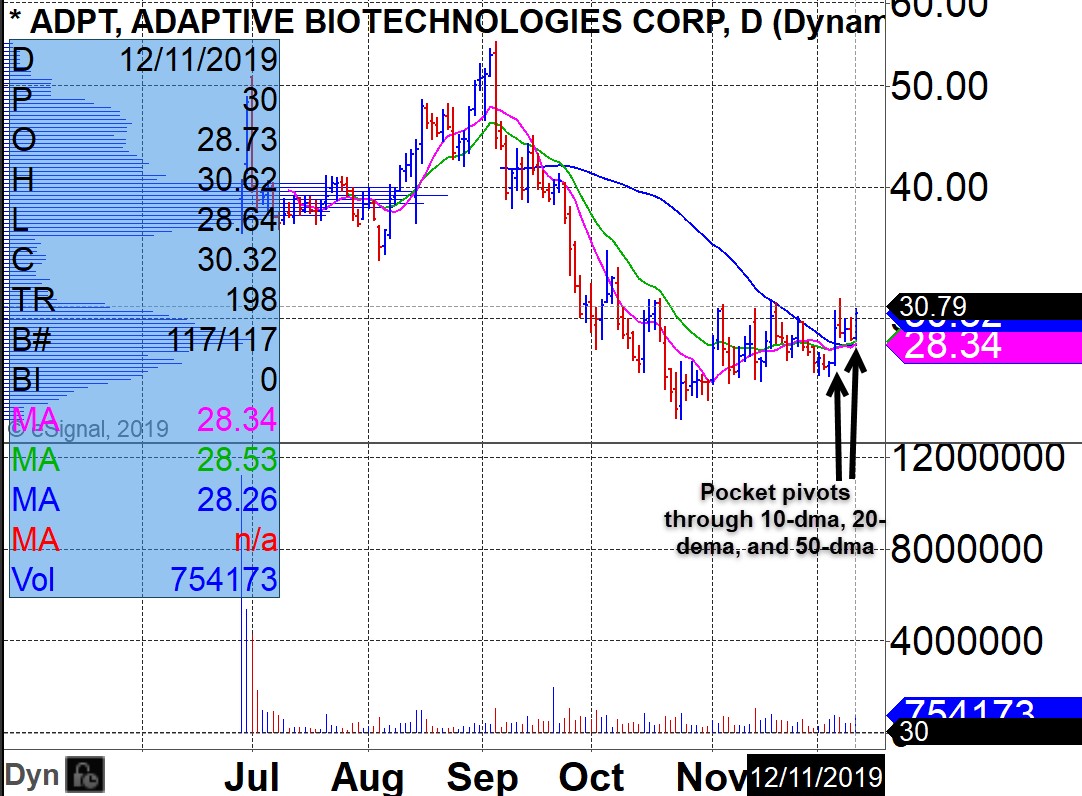
Adaptive Biotechnologies Corporation (NASDAQ: ADPT) represents a specialized segment of the life sciences industry focused on the human immune system. As of 2026, the company centers its value proposition on its immune medicine platform, primarily through the clinical expansion of its clonoSEQ diagnostic and its long-standing therapeutic partnerships aimed at drug discovery.
Adaptive Biotechnologies entered the public markets with the ambitious goal of mapping the human immune system to change the way diseases are diagnosed and treated. By 2026, the narrative surrounding ADPT stock has shifted from a broad-based "immune system search engine" to a more focused, commercially-driven entity. Following several years of strategic realignment, the company has prioritized its Minimal Residual Disease (MRD) business, which provides high-margin diagnostic revenue, while maintaining a leaner approach to its drug discovery collaborations. For investors, understanding ADPT requires a deep dive into the intersection of high-throughput sequencing, bioinformatics, and the evolving regulatory landscape for liquid biopsies.
The Core Technology: Sequencing the Immunome
At the heart of Adaptive Biotechnologies is its proprietary immune medicine platform. This technology is designed to read the genetic code of T-cell and B-cell receptors. Because these receptors are unique to each individual and change in response to disease, sequencing them provides a high-resolution "snapshot" of the body’s immune response.
T-Cell and B-Cell Receptor Mapping
The human immune system relies on a massive diversity of receptors to identify and neutralize threats. ADPT uses specialized chemistry and machine learning algorithms to sequence these receptors at scale. In the 2026 market, this capability remains a significant competitive moat. While other genomic companies focus on the "static" genome (the DNA you are born with), Adaptive focuses on the "dynamic" immunome, which evolves over time.
The Role of Bioinformatics
Sequencing millions of receptors generates petabytes of data. Adaptive’s edge has historically been its database, which correlates specific immune sequences with known diseases. By 2026, this database has become an essential asset for pharmaceutical companies seeking to understand patient responses to immunotherapies, particularly in the fields of oncology and autoimmune disorders.
Commercial Drivers: clonoSEQ and the MRD Market
The primary driver of ADPT stocks in the market is clonoSEQ, the first and only FDA-cleared test for detecting and monitoring Minimal Residual Disease (MRD) in patients with specific blood cancers.
Clinical Utility of clonoSEQ
clonoSEQ is used to detect the presence of cancer cells that remain in a patient's body during and after treatment. Even a tiny number of remaining cells—invisible under a microscope—can lead to a relapse.
- Multiple Myeloma (MM): clonoSEQ is a standard of care for monitoring treatment depth.
- Acute Lymphoblastic Leukemia (ALL): Used to assess the risk of recurrence.
- Chronic Lymphocytic Leukemia (CLL): Helps clinicians decide when treatment can be safely paused.
By 2026, Adaptive has successfully expanded clonoSEQ’s reach into the Diffused Large B-Cell Lymphoma (DLBCL) market and other lymphoid malignancies. The move from bone marrow aspirates to blood-based (liquid biopsy) testing has significantly increased the addressable patient population, as blood draws are less invasive and can be performed more frequently.
The Strategic Pivot
In 2024 and 2025, Adaptive underwent a significant restructuring to separate its MRD business from its more speculative drug discovery arm. This "pure play" diagnostic focus was intended to appeal to investors looking for predictable revenue growth and a clearer path to profitability. In the 2026 fiscal environment, the success of this pivot is measured by the company's ability to achieve positive cash flow—a critical metric for mid-cap biotech stocks.
Therapeutic Partnerships and Immune Medicine
While the diagnostic side (clonoSEQ) provides steady income, the "Immune Medicine" side of the business offers high-upside potential through partnerships.
The Genentech Collaboration
The most notable partnership in Adaptive’s portfolio is with Genentech (a member of the Roche Group). This collaboration aims to develop T-cell receptor (TCR)-based cell therapies. The goal is to engineer T-cells that can target specific "neoantigens" found on a patient’s tumors. By 2026, several milestones related to clinical trial progression and candidate selection have influenced the stock's volatility.
Drug Discovery as a Service
Adaptive also operates a "drug discovery as a service" model. Instead of developing its own drugs—which is capital-intensive and risky—it provides its sequencing platform to other biopharma companies. This allows ADPT to earn upfront payments, research funding, and potential future royalties without bearing the full cost of clinical trials.
Financial Performance and Market Metrics
In the 2026 market, ADPT is evaluated not just on its science, but on its operational efficiency. After years of high cash burn typical of early-stage biotech, the company has had to demonstrate a disciplined approach to spending.
Revenue Mix and Growth
The revenue for ADPT is typically split between:
- Clinical Volume: Revenue from clonoSEQ tests ordered by physicians.
- Pharma/Research Services: Revenue from sequences performed for research and clinical trials.
- Collaborations: Milestone payments from partners like Genentech.
Market Comparison (2026 Estimates)
| Metric | Adaptive Biotechnologies (ADPT) | Industry Average (Diagnostic Biotech) |
|---|---|---|
| Primary Focus | Immune Sequencing / MRD | General Oncology / Liquid Biopsy |
| Key Product | clonoSEQ | Various (Natera, Guardant) |
| Gross Margin | 70% - 75% | 60% - 70% |
| Regulatory Status | FDA Cleared (IVD) | Mixed (LDT/IVD) |
| Revenue Growth | 15% - 20% YoY | 10% - 15% YoY |
Note: Data reflects typical performance ranges for specialized diagnostic firms in the 2026 market cycle.
Competitive Landscape: The Battle for Liquid Biopsy
ADPT does not operate in a vacuum. The liquid biopsy and MRD markets are highly competitive, with several well-funded players vying for market share.
Direct Competitors
- Natera (NTRA): Known for its Signatera test, which dominates the MRD market for solid tumors (colorectal, breast, etc.). While ADPT focuses on blood cancers, the boundaries between blood and solid tumor testing are increasingly blurred.
- Guardant Health (GH): A leader in early cancer detection and therapy selection.
- Illumina (ILMN): As the primary provider of the sequencing hardware that Adaptive uses, Illumina is both a partner and a potential threat if it moves further into specialized diagnostic software.
Competitive Advantages
Adaptive’s primary advantage remains its standardization. Because clonoSEQ is FDA-cleared as an in vitro diagnostic (IVD), it often faces fewer hurdles for Medicare and private insurance reimbursement compared to Laboratory Developed Tests (LDTs). This regulatory "moat" is essential for sustaining long-term commercial volume.
Risks and Challenges for Investors
Investing in ADPT stocks involves significant risks, many of which are inherent to the biotechnology sector.
Reimbursement Pressure
Even with FDA clearance, the company must constantly negotiate with payers (insurance companies) to ensure adequate reimbursement rates. Any reduction in the "price per test" would directly impact the bottom line.
Execution Risk in Drug Discovery
The therapeutic partnerships are lucrative but precarious. If a major partner like Genentech decides to terminate a program or if clinical trials fail to meet their endpoints, the stock often reacts with significant downward pressure, as these milestones are often "priced in" by analysts.
Technological Obsolescence
The field of proteomics (the study of proteins) and single-cell sequencing is advancing rapidly. While Adaptive’s TCR/BCR sequencing is current, new technologies could emerge that provide similar insights at a lower cost or with less complexity.
The 2026 Investment Outlook
As we move through 2026, the sentiment toward ADPT is generally driven by the company's "path to breakeven." Investors are less interested in the visionary "immune mapping" of the past and more focused on the quarterly growth of clonoSEQ test volumes.
Key Catalysts to Watch
- Expanded Indications: Watch for FDA approvals for clonoSEQ in new cancer types.
- Partnership Milestones: Keep an eye on progress reports from the Genentech TCR-T cell therapy trials.
- Profitability Guidance: The stock’s performance is highly sensitive to the timeline for reaching sustained positive EBITDA.
FAQs
What exactly does "MRD" mean in the context of ADPT stock?
MRD stands for Minimal Residual Disease. It refers to the small number of cancer cells that stay in the body after treatment. Adaptive's clonoSEQ test is used to find these cells. For investors, MRD represents a recurring revenue stream because patients often need to be tested multiple times a year for several years to monitor for relapse.
How does Adaptive Biotechnologies make money?
The company has three main revenue streams: selling clonoSEQ tests to clinicians, providing sequencing services to pharmaceutical researchers (immunoSEQ), and receiving milestone and royalty payments from drug development partners (like Genentech) who use Adaptive's technology to find new drug targets.
Is ADPT stock considered a "growth" or "value" investment?
In 2026, ADPT is primarily categorized as a "speculative growth" stock. While it has established revenue from clonoSEQ, it is still in the process of scaling its operations to reach consistent profitability. It is often favored by investors who believe in the long-term potential of personalized immunotherapy.
Why is the Genentech partnership so important for Adaptive?
Genentech is one of the world's leaders in oncology. By partnering with them, Adaptive validates its technology at the highest level. The partnership provides Adaptive with significant non-dilutive capital (money that doesn't require selling more stock) and potentially huge future royalties if a successful drug is brought to market.
What are the main regulatory risks for ADPT?
The main risks involve changes to how the FDA regulates Laboratory Developed Tests (LDTs) and how Medicare sets reimbursement rates. If the government decides to pay less for MRD testing, Adaptive's revenue could decrease even if they perform more tests.
Summary of Next Actions for Investors
For those considering a position in ADPT stocks in the market, the first step is to review the most recent quarterly earnings report, specifically looking at clonoSEQ volume growth and cash burn rates. It is also advisable to monitor the competitive landscape, particularly news from Natera and Guardant Health, as shifts in market share can happen quickly in the diagnostic space. Finally, consult with a financial advisor to ensure that a high-volatility biotech stock like Adaptive fits within your overall portfolio's risk tolerance.