ADA term life insurance offers American Dental Association members, dental students, and their families group term life insurance underwritten by Protective Life Insurance Company through the ADA Members Insurance Trust. It provides flexible coverage options and potential premium credits, though long-term costs depend heavily on whether you choose a step-rate or level-rate structure.
What Is ADA Term Life Insurance?
ADA term life insurance is a specialized group life insurance program sponsored by the American Dental Association (ADA) Members Insurance Trust (ADA MIT). Established to leverage the collective purchasing power of thousands of dental professionals nationwide, the program provides life insurance coverage tailored specifically to dentists, dental hygiene professionals, dental students, and their immediate family members.
The underlying policies are underwritten by Protective Life Insurance Company, a major U.S. insurer rated highly for financial strength by independent rating agencies such as A.M. Best and Standard & Poor’s. (Historically, the trust was administered in partnership with Great-West Financial, which transferred its group life operations to Protective Life).
Because this is a group trust structure rather than an individual policy purchased directly on the open market, the ADA Members Insurance Trust acts as the master policyholder. Members purchase certificates of coverage under this master policy. This structure allows the trust to negotiate group rates, incorporate specialized terms relevant to dental practice, and potentially distribute excess earnings back to participating members in the form of annual premium credits.
- ADA Members Insurance Trust (Master Policyholder & Trust)
- Protective Life Insurance Company (Underwriting Carrier)
- Annually Renewable Step-Rate (5-Year Age Band Rates)
- Guaranteed Level Term (10, 15, or 20-Year Rates)
- Protective Life Insurance Company (Underwriting Carrier)
Types of Term Life Coverage Offered
The ADA Members Insurance Trust offers several coverage pathways designed to accommodate dentists at varying stages of their education and careers.
1. Standard Term Life Insurance (Annually Renewable / Step-Rate)
The flagship product of the trust is an annually renewable term life policy. Under this plan, members can apply for benefit amounts ranging from baseline limits up to several million dollars, subject to medical underwriting.
- Rate Structure: Premiums are structured in five-year age bands (e.g., ages 30–34, 35–39, 40–44). Every time an insured member enters a new age bracket, their premium steps up automatically.
- Flexibility: Insureds can adjust their benefit coverage levels as their family or financial obligations evolve over time.
2. Level Term Life Insurance (10, 15, and 20-Year Plans)
To address the chief complaint regarding step-rate coverage—rising premiums as dentists grow older—the ADA MIT offers level term life insurance.
- Fixed Premiums: Premium rates remain guaranteed and unchanged for a chosen initial term of 10, 15, or 20 years.
- Post-Level Period: Once the initial level term expires, coverage typically converts to an annually renewable step-rate structure at significantly higher rates, unless the member re-underwrites or lets the coverage lapse.
3. Student and New Graduate Coverage
Recognizing that dental students and early-career associates face heavy student loan debts while building initial practice equity, the trust provides simplified access options:
- Guaranteed Issue / Simplified Underwriting: Dental students and recent graduates can often secure initial baseline coverage with minimal or no medical exams during specific enrollment windows.
- Low Initial Costs: Rates for young dentists in their 20s are among the lowest in the market, making it an accessible safety net during residency or early associate positions.
Key Policy Features, Riders, and Mechanics
Evaluating group term life insurance requires examining the policy riders and administrative features that shape daily operations and claims payouts.
Premium Credits (Experience Discounts)
One of the most unique elements of the ADA MIT structure is the potential for premium credits. Because the trust pools ADA members into a single risk group, favorable claims experience (lower-than-expected mortality within the pool) or strong financial management can yield surplus funds.
- The trust board may apply these surpluses as percentage credits against members' upcoming premium bills.
- Important Note: Premium credits are non-guaranteed. In years with higher claim volumes or lower investment returns, credits can decrease or be suspended entirely.
Waiver of Premium for Disability
Dentistry is a physically demanding profession susceptible to musculoskeletal injuries, hand conditions, and vision changes. The ADA term life policy includes or offers an optional Waiver of Premium rider.
- If an insured dentist becomes totally disabled according to policy definitions before a specified age (usually age 60 or 65), the requirement to pay life insurance premiums is waived while life insurance protection continues uninterrupted.
- This feature prevents dentists who suffer a career-ending disability from losing their life insurance protection precisely when their income drops.
Accidental Death & Dismemberment (AD&D)
Members can supplement standard life coverage with AD&D benefits. This rider pays an additional capital sum if death occurs directly from an accident, or partial benefits if the insured suffers loss of limb, eyesight, or speech due to an accidental injury.
Conversion Privileges
If an insured member decides to end their group term coverage or reaches the policy’s maximum term age, ADA term life policies generally contain a conversion option. This allows the certificate holder to convert group term protection into an individual permanent life insurance policy underwritten by Protective Life without submitting new evidence of insurability.
Pricing Structure: Step-Rate vs. Guaranteed Level Premiums
Understanding how premiums change over time is vital when assessing ADA term life insurance. The table below illustrates how the two primary pricing models operate over a dentist’s career trajectory.
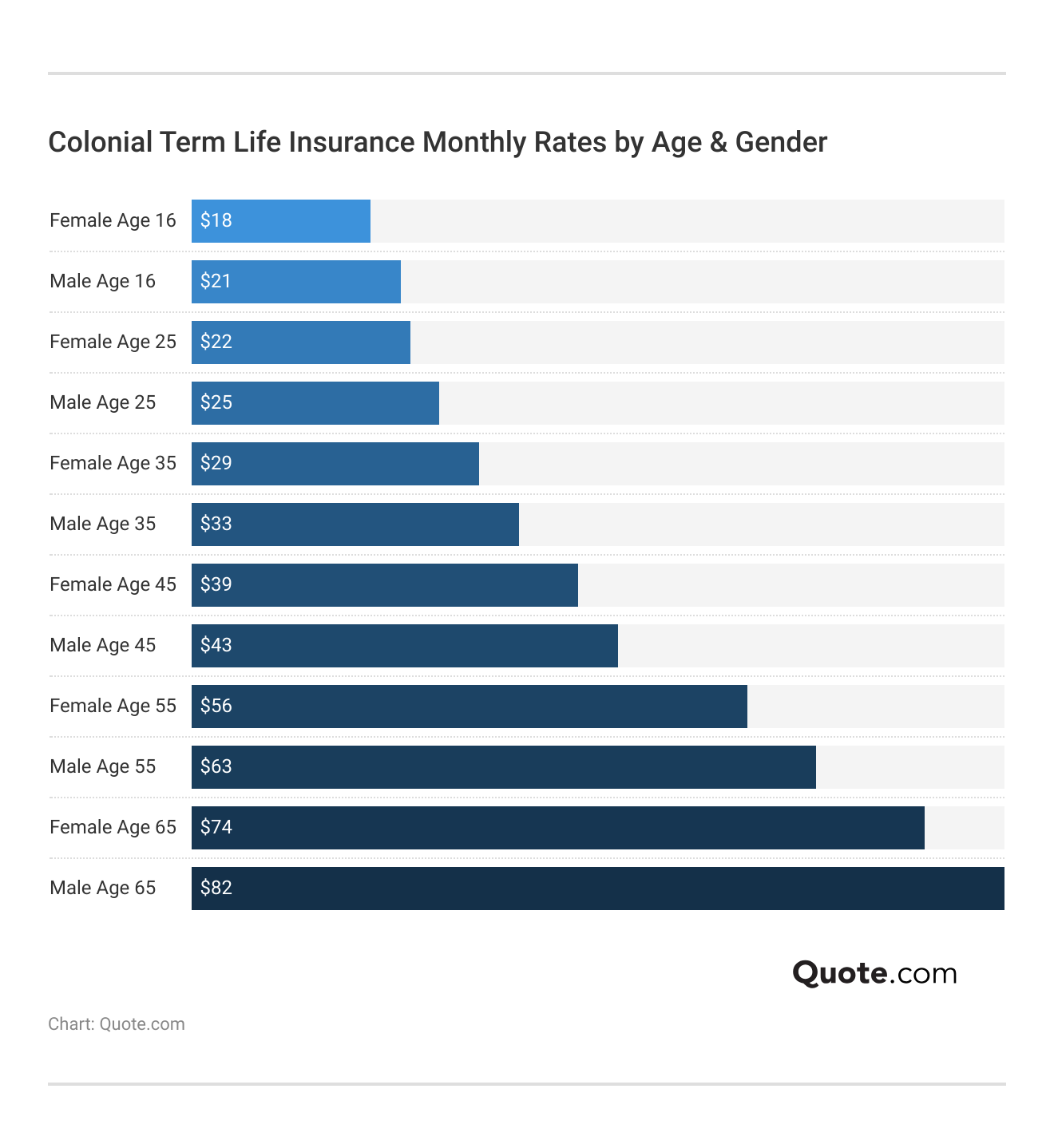
Step-Rate Premium Profile: Cost increases as age increases (ages 30–70).
Guaranteed Level Premium Profile: Cost remains flat at a level rate as age increases (ages 30–70).
Step-Rate Dynamics: In early years (ages 25–40), step-rate premiums are very low. However, between ages 45 and 65, premiums jump noticeably with each five-year band. By age 60 or 65, step-rate premiums can become significantly more expensive than an individual level policy locked in at age 35.
Level-Rate Dynamics: Level-rate premiums average out the cost over the chosen period (e.g., 20 years). While more expensive in years 1–5 compared to step-rate coverage, the level policy provides cost certainty, protecting the policyholder from age-band price spikes during peak earning years.
ADA Group Life vs. Individual Private Life Insurance
When reviewing ADA term life insurance, dentists must weigh the group trust model against securing an individual, medically underwritten term policy directly from a private commercial carrier (such as Banner Life, Lincoln Financial, Mutual of Omaha, or Pacific Life).
| Feature / Dimension | ADA Members Insurance Trust (Group Term) | Individual Private Term Life Insurance |
|---|---|---|
| Underwriting Entity | Protective Life Insurance Company (via ADA MIT) | Various commercial life insurance carriers |
| Membership Requirement | Mandatory: Must maintain active ADA membership to keep coverage | None: Policy is independent of professional association status |
| Pricing Structure | Step-rate (5-year bands) or Level-rate (10, 15, 20 yrs) | Guaranteed Level (10, 15, 20, 30, or 35 years) |
| Potential Premium Credits | Yes (Non-guaranteed credits can lower annual costs) | No (Rates are fixed by contract for the term period) |
| Portability | Portable as long as ADA dues are paid; requires conversion if membership lapses | Fully portable regardless of career changes, association membership, or relocation |
| Policy Control | Master policy owned by Trust; terms subject to trustee updates | Individual contract; terms cannot be altered by carrier once issued |
| Maximum Term Length | Typically caps level periods at 20 years | Offers level periods up to 30 or 35 years |
| Disability Integration | Optional Waiver of Premium aligned with trust rules | Customizable riders available across multiple carriers |
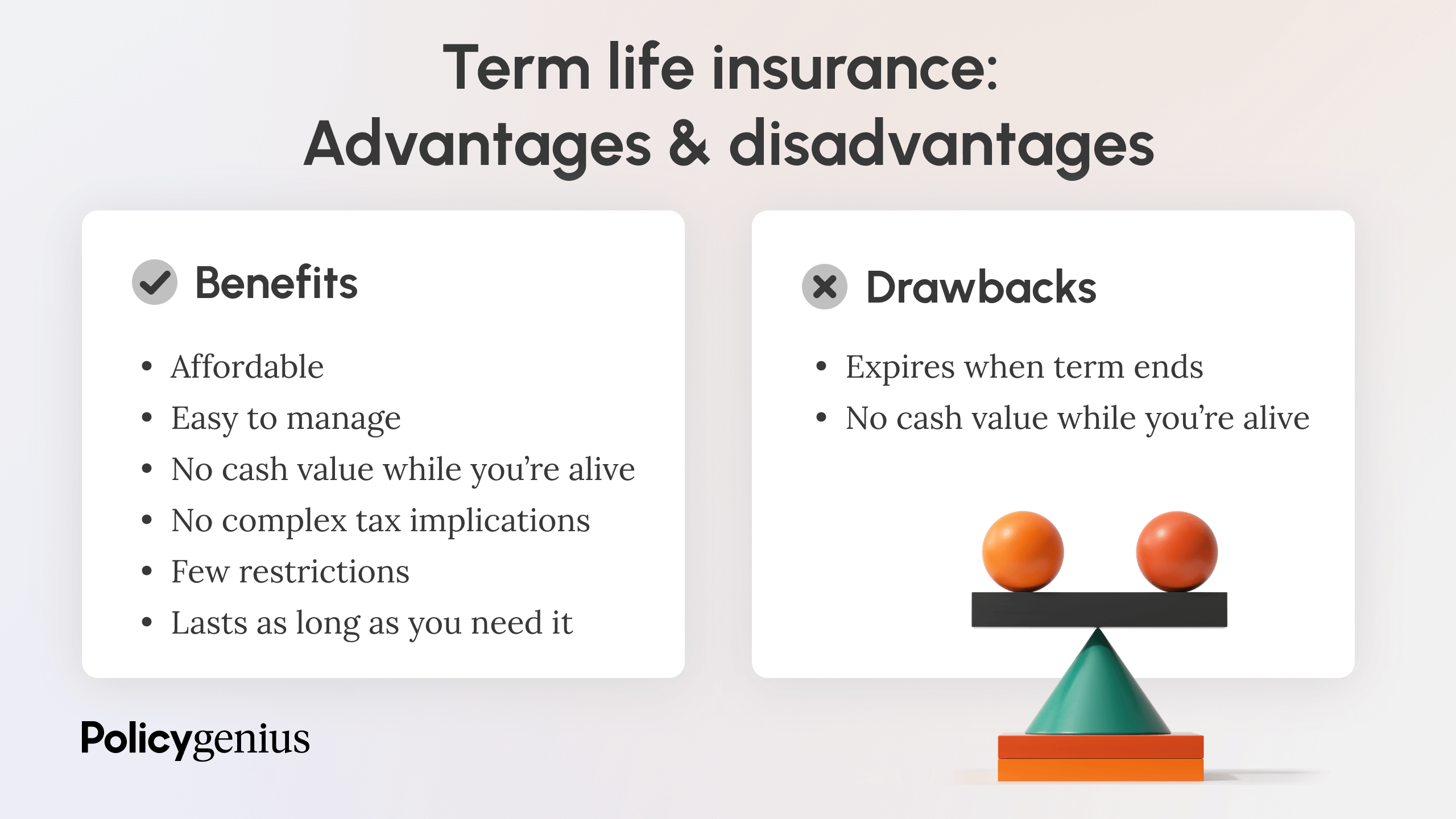
Advantages and Disadvantages of ADA Term Life Insurance
Evaluating the program neutrally requires examining both its primary strengths and its operational drawbacks.
Advantages
- Member-Focused Trust Governance: The plan is overseen by fellow dental professionals acting as trustees for the ADA Members Insurance Trust. Their objective is to maintain competitive coverage designed around the career lifecycle of dentists.
- Competitive Rates for Younger Members: For dental students, residents, and young associates under age 40, early step-rate premiums are often exceptionally cheap, freeing up cash flow for practice acquisition or debt repayment.
- Non-Guaranteed Premium Credits: When claims experience is favorable, annual premium credits reduce the out-of-pocket cost below the published rate table.
- Convenient Enrollment & Administration: Billing can be coordinated alongside ADA dues or set up on consolidated bank drafts, making ongoing administration straightforward.
Disadvantages
- ADA Membership Dependency: Coverage remains contingent on maintaining active ADA membership. If a dentist decides to drop their ADA membership later in their career—due to retirement, practice restructuring, or personal preference—their group coverage will terminate or require conversion to an individual policy at prevailing rates.
- Steep Cost Curve at Older Ages: Under the standard step-rate option, premiums escalate rapidly after age 50. Dentists who retain step-rate plans into their 60s often experience severe premium increases.
- Limited Maximum Level Terms: ADA level-term options generally cap out at 20 years. Dentists seeking a 30-year guaranteed level term to cover a young family or a long-term practice mortgage may need to look to the private individual market.
- Group Master Policy Risk: While rare, the ADA Members Insurance Trust retains the right to modify provisions, adjust master rates across entire risk pools, or switch insurance underwriters. An individual policy, by contrast, is a unilateral contract that cannot be altered by the carrier as long as premiums are paid.
Is ADA Term Life Insurance Right for Your Practice & Family?
Determining whether to purchase ADA group term insurance or opt for an individual policy depends on your current career stage, health status, and long-term financial plan.
- What is your main priority?
- Early career, tight budget, seeking quick/low-cost coverage:
- Consider ADA Group Term Life (Utilize early low step-rates)
- Long-term stability, 25-30 year mortgage, or potential ADA exit:
- Consider Individual Private Term (Lock in 20-30 year level rates)
- Early career, tight budget, seeking quick/low-cost coverage:
Dental Students and New Graduates
- Verdict: Highly Recommended as a Starter Policy.
- Reasoning: Young dentists can secure immediate, low-cost coverage with minimal medical underwriting hassle. Combining student discount rates with initial step-rate pricing provides essential protection against debt obligations without burdening early practice budgets.
Mid-Career Associate Dentists & Practice Owners
- Verdict: Beneficial, but standard private policies should be cross-shopped.
- Reasoning: Practice owners often need coverage for 20 to 30 years to cover commercial practice loans, personal home mortgages, and child college funds. While ADA Level Term (20-year) is competitive, securing a 30-year private level policy early in one's career can lock in favorable rates that remain flat well into retirement age.
Dentists in Special Health Classes or Non-ADA Members
- Verdict: Evaluate Alternatives.
- Reasoning: Dentists with specific medical histories may occasionally find better underwriting decisions by working with an independent broker who can shop multiple private commercial carriers. Naturally, dentists who do not plan to maintain long-term ADA membership should avoid relying solely on association-linked group insurance.
Frequently Asked Questions
What happens to my ADA term life insurance if I cancel my ADA membership?
Because the policy is a group benefit reserved for members, canceling your ADA membership makes you ineligible for group rate coverage. You will typically receive notice allowing you to convert your certificate to an individual permanent policy issued by Protective Life without undergoing a medical exam, but the rates for the converted policy will be based on standard commercial pricing structures rather than group trust rates.
Who actually underwrites the ADA term life insurance plan?
The plan is sponsored by the ADA Members Insurance Trust and underwritten by Protective Life Insurance Company. Protective Life handles the underwriting evaluation, claims processing, and policy reserves.
Are the ADA premium credits guaranteed every year?
No. Premium credits depend on the underwriting performance, claim volume, and financial reserves of the ADA Members Insurance Trust pool. While the trust has historically awarded premium credits in many operating years, they are not contractually guaranteed and may fluctuate or be removed entirely.
Can I use ADA term life insurance as collateral for a practice loan?
Yes. Lenders often require a life insurance policy assignment to secure a Small Business Administration (SBA) loan or commercial practice loan. ADA term life policies permit collateral assignments to financial institutions, provided the proper assignment forms are executed with the plan administrator.
How do step-rate premiums differ from level term premiums under the ADA plan?
Step-rate premiums change every five years as you move into older age bands (e.g., moving from age 39 to 40). Level term premiums stay exact and fixed for the entire duration of the chosen term length (such as 10, 15, or 20 years), offering predictable budgeting without age-band price jumps.
Summary and Practical Next Actions
ADA term life insurance provides robust, trust-governed coverage tailored to the dental community. It shines brightest for young dentists needing fast, affordable coverage, as well as established members looking for competitive group rates backed by potential premium credits. However, relying exclusively on step-rate group coverage can result in high costs later in life, and coverage is fundamentally bound to your ongoing association membership.
Recommended Next Steps
- Audit Existing Coverage Needs: Calculate total financial liabilities, including practice loans, personal debt, mortgage balances, and future education costs, to determine your precise capital requirement.
- Request an Official ADA MIT Quote: Obtain a personalized benefit quote from ADA Member Advantage detailing both the step-rate and 10/15/20-year level rate options for your current age.
- Compare with Independent Private Insurance: Consult an independent life insurance broker to obtain competing quotes for 20-year and 30-year guaranteed level term policies from commercial carriers.
- Evaluate Long-Term Association Plans: Ensure that tying your life insurance protection to continuous ADA membership aligns with your career path and retirement plans.
Disclaimer: This article is for informational and educational purposes only and does not constitute formal financial, legal, or insurance advice. Life insurance policy terms, carrier relationships, premium credit allocations, and underwriting guidelines are subject to change by the ADA Members Insurance Trust and Protective Life Insurance Company. Always consult a licensed insurance professional or financial advisor prior to purchasing or replacing any life insurance contract.