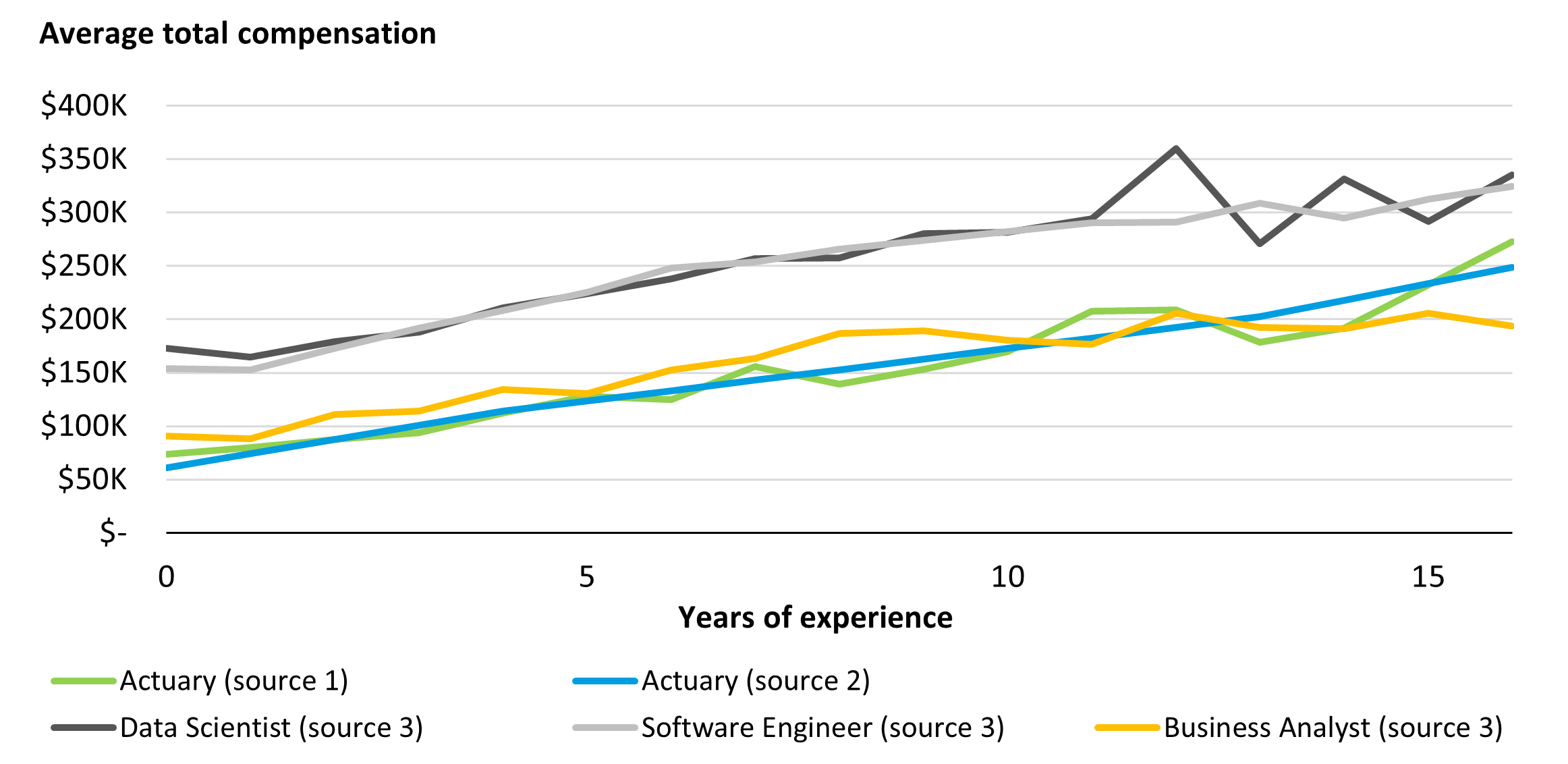
Actuarial data science for insurance is the professional synthesis of traditional actuarial risk assessment with modern machine learning and big data analytics. By 2026, this discipline has evolved into the industry standard for developing dynamic pricing models, automating claims triage, and enhancing customer lifetime value through granular, real-time data processing and advanced computational statistics.
The Evolution of Insurance Risk: From Tables to Algorithms
For over a century, the insurance industry relied on life tables and Generalized Linear Models (GLMs) to quantify risk. While effective, these methods often struggled with non-linear relationships and high-dimensional data. The emergence of actuarial data science represents a paradigm shift where the rigorous financial oversight of the actuary meets the predictive power of the data scientist.
In 2026, the distinction between a "pure" actuary and a data scientist in the insurance sector has significantly blurred. Actuaries have adopted Python and R as their primary tools, moving away from closed-loop proprietary software toward open-source ecosystems that allow for more flexible modeling. This evolution is driven by the sheer volume of data now available—ranging from telematics in vehicles and IoT sensors in smart homes to wearable health technology and real-time economic indicators.
Traditional actuarial science focuses on solvency, regulatory compliance, and long-term financial stability. Data science adds a layer of "now-casting" and micro-segmentation. When combined, actuarial data science allows firms to not only predict that a certain percentage of a population will experience a loss but to identify the specific behavioral and environmental triggers that lead to individual claims.
Key Applications of Data Science in the Insurance Value Chain
The integration of data science into the actuarial workflow impacts every stage of the insurance lifecycle. By 2026, these applications have moved from experimental "innovation labs" to the core operational backbone of global carriers.
Modernizing Underwriting and Pricing
Traditionally, underwriting was a binary process based on broad demographic buckets. Actuarial data science enables "continuous underwriting." For example, in auto insurance, Gradient Boosting Machines (GBMs) such as XGBoost or LightGBM process telematics data—speed, braking frequency, and cornering g-force—to adjust premiums monthly rather than annually.
In life and health insurance, actuaries now use predictive models to analyze electronic health records (EHR) and wearable data, allowing for "fluidless" underwriting. This eliminates the need for medical exams for many applicants, significantly reducing the "time to bind" a policy while maintaining a sophisticated understanding of the underlying mortality and morbidity risks.
Predictive Claims Handling and Triage
Claims management is often the highest cost center for an insurer. Data science models are now deployed the moment a claim is filed. Natural Language Processing (NLP) algorithms analyze the text in claim descriptions to identify potential "jumbo" claims (high-severity losses) early in the process.
Furthermore, Computer Vision (CV) models allow policyholders to upload photos of property damage or vehicle accidents via mobile apps. These models can estimate repair costs with high precision, triggering automatic payouts for simple claims or routing complex cases to specialized human adjusters. This "straight-through processing" (STP) reduces administrative overhead and improves customer satisfaction.
Fraud Detection and Prevention
Insurance fraud costs the industry billions of dollars annually. Actuarial data science employs anomaly detection and network analysis to identify suspicious patterns that human auditors might miss. By analyzing the relationships between claimants, doctors, lawyers, and repair shops, insurers can visualize "fraud rings." In 2026, these models operate in real-time, flagging potential fraud at the point of application or the moment a claim is first notified, rather than months after a payout has been made.
Reserving and Capital Modeling
Actuaries are legally required to set aside reserves to cover future claims. Traditional "Chain Ladder" methods for calculating Incurred But Not Reported (IBNR) claims are increasingly being supplemented by machine learning models. These ML-based reserving methods can account for exogenous factors—such as inflation spikes, changes in litigation environments, or climate-driven catastrophe trends—more effectively than purely historical development triangles.
Technical Toolkit: Essential Skills for the 2026 Actuary
To succeed in this hybrid field, professionals must bridge two distinct technical worlds. The modern actuarial data scientist requires a toolkit that balances statistical rigor with computational efficiency.
- Programming Languages: Python has become the dominant language due to its extensive libraries (Scikit-learn, Pandas, PyTorch), though R remains popular for specialized statistical distributions and academic research. SQL is still mandatory for data extraction from legacy warehouses.
- Machine Learning Frameworks: Understanding ensemble methods (Random Forests, GBMs) is the baseline. Proficiency in deep learning for unstructured data (images, text) is increasingly required for claims and marketing roles.
- Cloud Computing: Most large-scale insurance modeling now occurs on platforms like AWS (Amazon Web Services), Azure, or Google Cloud, requiring knowledge of distributed computing tools like Apache Spark.
- Explainable AI (XAI): Since insurance is a highly regulated industry, "black box" models are rarely acceptable. Actuaries must use techniques like SHAP (SHapley Additive exPlanations) and LIME to explain to regulators and customers exactly why a specific premium was charged or a claim was denied.
- Specialized Actuarial Software: Integration between data science outputs and traditional platforms like GGY AXIS, Prophet, or Mo.net is critical for financial reporting and solvency testing.
Comparison: Traditional Actuarial Science vs. Actuarial Data Science
| Feature | Traditional Actuarial Science | Actuarial Data Science (2026) |
|---|---|---|
| Primary Goal | Solvency and Regulatory Compliance | Predictive Accuracy and Operational Efficiency |
| Data Sources | Internal historical claims, life tables | IoT, Telematics, Social Media, External APIs |
| Core Models | GLMs, Stochastic Processes | GBMs, Neural Networks, Ensemble Models |
| Update Frequency | Quarterly or Annually | Real-time or Monthly |
| Regulatory Focus | Financial Stability (Solvency II, IFRS 17) | Fairness, Ethics, and Model Explainability |
| Handling Unstructured Data | Minimal/Manual | High (NLP for notes, CV for images) |
| Software | Excel, VBA, Prophet, GGY AXIS | Python, R, Cloud-native ML Pipelines |
Regulatory and Ethical Considerations
As of 2026, the regulatory environment for actuarial data science has tightened significantly. Bodies such as the National Association of Insurance Commissioners (NAIC) in the U.S. and the European Insurance and Occupational Pensions Authority (EIOPA) have issued strict guidelines regarding algorithmic bias.
A primary concern is "proxy discrimination." Even if a model does not use protected characteristics (like race or religion) as inputs, machine learning algorithms can inadvertently find proxies for these variables in Zip codes, shopping habits, or education levels. Actuaries are now tasked with performing "bias audits" on their models to ensure that the increased predictive power does not come at the cost of social equity.
Furthermore, the General Data Protection Regulation (GDPR) and similar statutes globally require a "right to explanation." If an AI-driven model determines an insurance premium, the actuary must be able to decompose that decision into understandable factors. This has led to the rise of the "Actuarial Control Cycle" for AI, which involves continuous monitoring of model drift and fairness metrics.
Implementation Challenges and Best Practices
While the benefits are clear, integrating data science into an actuarial department is not without hurdles. Organizations often face "cultural debt," where veteran actuaries may be skeptical of non-traditional methods, and data scientists may lack the deep domain knowledge regarding insurance law and accounting.
Data Quality and Silos
Insurance companies are often burdened by legacy mainframes and siloed data. A successful actuarial data science strategy requires a robust data engineering foundation. In 2026, leading insurers use Data Lakes or Data Mesh architectures to ensure that actuaries have access to clean, labeled, and governed data.
The Problem of "Model Drift"
Insurance risks change over time. A model trained on 2024 driving data may not be accurate in 2026 if infrastructure or vehicle safety features have evolved. Actuaries must implement MLOps (Machine Learning Operations) to monitor model performance in production, triggering retrains when accuracy falls below a defined threshold.
Strategic Recommendations for Firms
- Cross-Functional Teams: Pair data scientists with credentialed actuaries (FSA/FCAS) to ensure models are both mathematically sound and regulatorily compliant.
- Invest in Upskilling: Provide paths for traditional actuaries to earn certifications in data science through organizations like the Society of Actuaries (SOA) or the Casualty Actuarial Society (CAS), which have integrated data science into their 2026 exam syllabi.
- Focus on Explainability First: When deploying machine learning for pricing, start with "Glass Box" models or strong XAI wrappers to ensure smooth approval from state or national regulators.
Frequently Asked Questions
Do I need to be a certified actuary to work in actuarial data science?
While you can work as a data scientist in an insurance company without actuarial credentials, being a certified actuary (ASA/FSA or ACAS/FCAS) provides a significant advantage. It demonstrates a deep understanding of the legal and financial frameworks unique to insurance, which is essential for roles involving pricing and reserving. In 2026, many professionals hold both an actuarial designation and a master’s degree in data science or a related field.
Which programming language is best for actuarial data science?
Python is currently the most versatile language for this field due to its dominance in machine learning and its ability to integrate with cloud infrastructure. However, R remains highly relevant for specific statistical tasks and is deeply embedded in many actuarial research communities. For 2026, proficiency in Python is generally considered a prerequisite for new roles.
How does actuarial data science handle climate change risks?
Actuarial data science uses geospatial analysis and climate modeling to project the frequency and severity of catastrophic events like floods, wildfires, and hurricanes. By integrating satellite imagery and historical weather patterns into machine learning models, actuaries can price property insurance more accurately in high-risk zones, helping to ensure the long-term viability of the insurance pool.
Will AI and data science replace actuaries?
No, AI is not replacing actuaries; it is augmenting their capabilities. While AI can handle the "heavy lifting" of data processing and pattern recognition, the actuary is still required to interpret the results, ensure ethical standards are met, and provide the professional judgment necessary for long-term financial strategy. The role is shifting from manual calculation to model oversight and strategic risk management.
What is the role of IFRS 17 in actuarial data science?
IFRS 17 is an international accounting standard for insurance contracts that requires more granular data and frequent updates to financial assumptions. Actuarial data science is essential for meeting these requirements, as it provides the computational tools needed to handle the complex discounted cash flow projections and risk adjustments mandated by the standard.
Next Actions for Professionals and Firms
For individuals looking to enter the field, the first step is to master the fundamentals of Python for Data Analysis and then pursue the Predictive Analytics credentials offered by major actuarial societies. Building a portfolio that demonstrates the ability to solve specific insurance problems—such as predicting lapse rates or estimating claim severity—is invaluable.
For insurance organizations, the priority should be the modernization of data architecture. Without a central, governed "source of truth," even the most advanced machine learning models will fail to provide actionable insights. By fostering a culture that encourages experimentation while maintaining actuarial rigor, firms can leverage actuarial data science to achieve a significant competitive advantage in the volatile risk landscape of 2026.