Actor Mel Gibson is a multi-Academy Award-winning filmmaker and performer whose career spans over four decades of high-octane action, historical epics, and profound controversy. Known for his "Mad Max" and "Lethal Weapon" franchises, Gibson successfully transitioned from a global leading man to a powerhouse director of visceral, high-stakes cinema, including the landmark films "Braveheart" and "The Passion of the Christ."
The Australian Origins and Early Breakthroughs
Mel Columcille Gerard Gibson was born in Peekskill, New York, but his trajectory was fundamentally shaped by his move to Australia at the age of 12. His father, Hutton Gibson, relocated the family for economic reasons and to avoid the Vietnam War draft for his older sons. This move set the stage for Mel to attend the National Institute of Dramatic Art (NIDA) in Sydney, where he trained alongside future stars like Judy Davis.
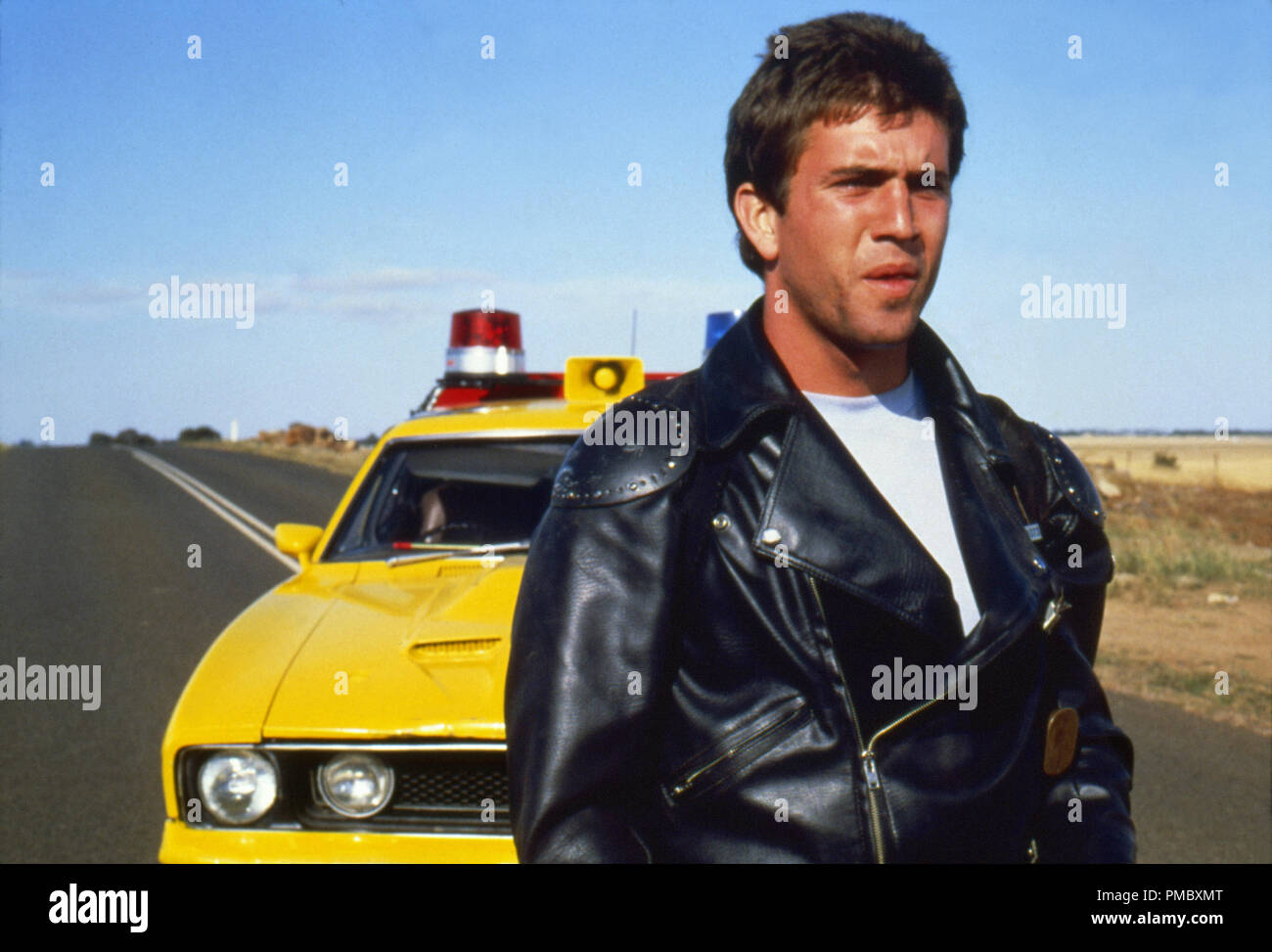
Gibson’s debut in the late 1970s coincided with the "Australian New Wave" of cinema. His collaboration with director George Miller on "Mad Max" (1979) introduced the world to a new kind of anti-hero. The film’s gritty, low-budget aesthetic and Gibson’s quiet, intense performance as Max Rockatansky turned him into an international sensation.
Following the success of "Mad Max," Gibson showcased his range in Peter Weir’s "Gallipoli" (1981). This film demonstrated that he was more than just an action star; he possessed the emotional depth required for serious drama. By the time "Mad Max 2: The Road Warrior" was released in 1982, Gibson was a household name, paving the way for his inevitable transition to Hollywood.
The Definitive Action Hero: The Lethal Weapon Era
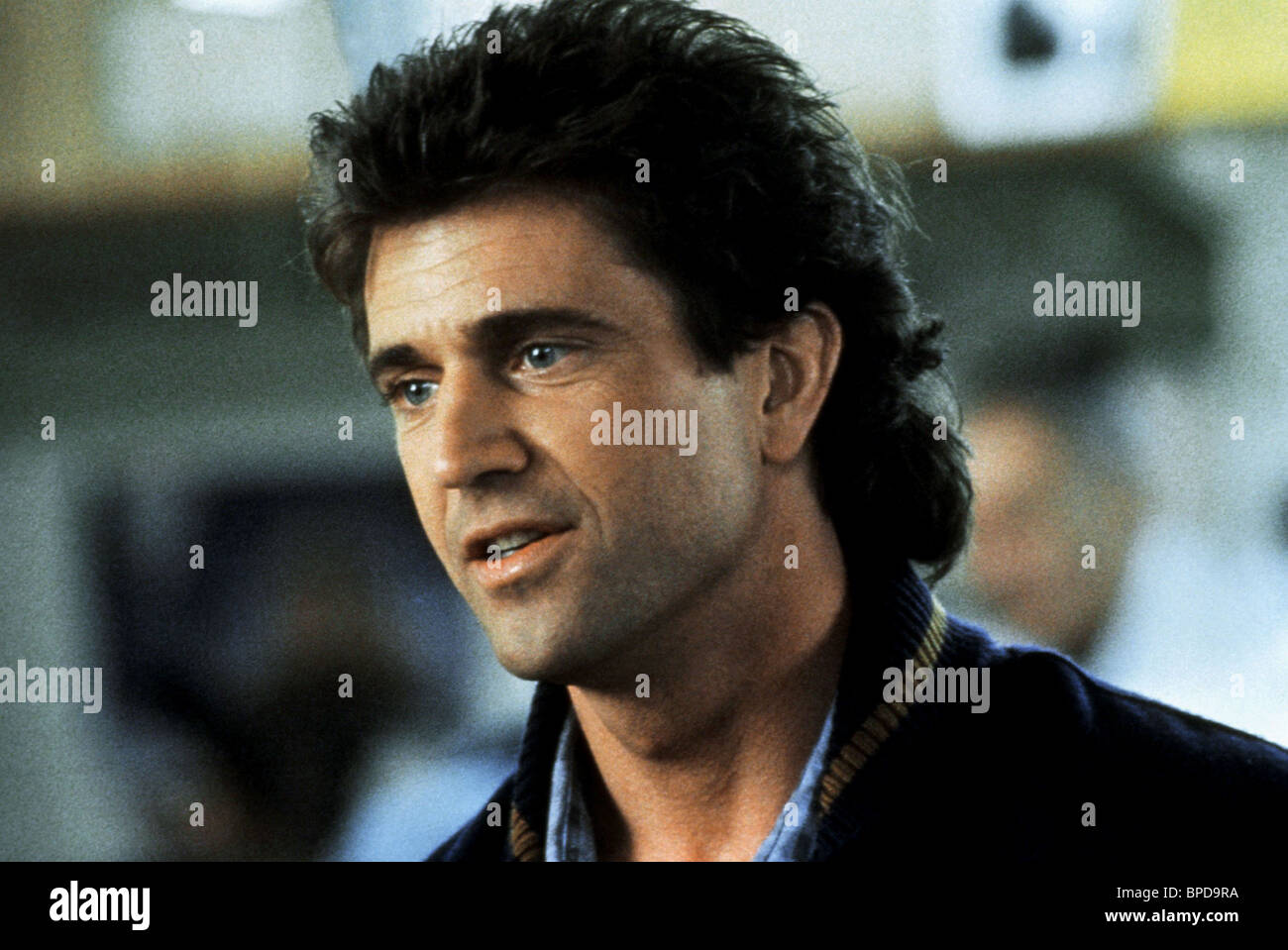
In the 1980s, Mel Gibson redefined the "buddy cop" genre with the "Lethal Weapon" series. Playing Martin Riggs, a suicidal and reckless detective, Gibson utilized his unique "wild-eyed" charisma. His chemistry with co-star Danny Glover became the gold standard for the genre, leading to three sequels and solidifying Gibson as one of the highest-paid actors in the world.
During this period, Gibson was not merely satisfied with action. He sought diverse roles to avoid typecasting. He starred in the romantic drama "The Year of Living Dangerously" (1982), the period piece "The Bounty" (1984), and even took on Shakespeare in Franco Zeffirelli's "Hamlet" (1990). The latter was a significant risk that paid off, proving to critics that his classical training at NIDA was not wasted.
Transition to Directing and the Success of Icon Productions
In 1989, Gibson founded Icon Productions with partner Bruce Davey. This move was critical for his long-term career, as it allowed him to maintain creative control and financial independence. His directorial debut, "The Man Without a Face" (1993), was a modest success, but it was his second effort that changed the landscape of his career.
"Braveheart" (1995), a sweeping historical epic about Scottish warrior William Wallace, was a monumental undertaking. Gibson not only starred but directed and produced the film. Despite historical inaccuracies, the film’s emotional resonance and groundbreaking battle sequences earned it ten Academy Award nominations. Gibson took home the Oscars for Best Director and Best Picture, cementing his status as a premier filmmaker.
The Directorial Style of Mel Gibson
Gibson’s directing is characterized by several distinct hallmarks:
- Visceral Realism: He often emphasizes the physical toll of violence, using practical effects and massive scale to immerse the audience.
- Thematic Focus on Martyrdom: Many of his protagonists undergo extreme physical and spiritual testing.
- Language and Authenticity: He has shown a willingness to use dead or regional languages (Aramaic, Mayan, Gaelic) to enhance the historical atmosphere.
The Cultural Phenomenon of The Passion of the Christ
In 2004, Gibson released "The Passion of the Christ," a film that remains one of the most successful and controversial independent movies ever made. Facing rejection from major studios, Gibson self-funded the $30 million production. The film, depicting the final hours of Jesus Christ, was shot entirely in Aramaic, Latin, and Hebrew.
The movie became a global phenomenon, grossing over $611 million. While it was praised by many for its devotion and artistic merit, it was also heavily criticized for its graphic violence and alleged anti-Semitic undertones. This project marked a turning point where Gibson's personal convictions and public persona began to collide in the media spotlight.
Personal Controversies and Professional Hiatus
Between 2006 and 2010, Gibson’s career faced a significant decline due to several high-profile personal incidents. A 2006 DUI arrest involving anti-Semitic remarks and later leaked recordings of domestic disputes led to a period of industry "blacklisting." For several years, Gibson largely disappeared from A-list productions, appearing only in smaller projects like "The Beaver" (2011), directed by his long-time friend Jodie Foster.
The discourse surrounding Gibson during this time focused on whether an artist's personal failings should permanently disqualify their professional contributions. However, his talent as a filmmaker remained undeniable to many peers in the industry.
The Road to Redemption: Hacksaw Ridge and Recent Work
The tide began to turn in 2016 with the release of "Hacksaw Ridge." The biographical war film told the story of Desmond Doss, a conscientious objector who saved 75 men during the Battle of Okinawa without firing a single shot. The film was a critical and commercial triumph, earning six Oscar nominations, including another Best Director nod for Gibson.
This "comeback" was a testament to his technical skill. "Hacksaw Ridge" was praised for its unflinching portrayal of war and its powerful spiritual core. Since then, Gibson has remained active both in front of and behind the camera.
As of 2026, Gibson has continued to balance roles in independent action thrillers with high-stakes directorial projects. He has been deeply involved in the long-gestating sequel to "The Passion," titled "The Passion of the Christ: Resurrection," and has stepped in to direct the fifth installment of the "Lethal Weapon" franchise, fulfilling a promise to the late Richard Donner.
Significant Filmography and Impact
The following table summarizes the key milestones in Mel Gibson’s career, highlighting the financial and critical scales of his most influential work.
| Year | Title | Role | Role Type | Impact/Note |
|---|---|---|---|---|
| 1979 | Mad Max | Max Rockatansky | Actor | Launch of the Australian New Wave in Hollywood. |
| 1987 | Lethal Weapon | Martin Riggs | Actor | Defined the modern action-comedy genre. |
| 1995 | Braveheart | William Wallace | Actor/Director | Won Academy Awards for Best Picture and Director. |
| 2004 | The Passion of the Christ | — | Director/Producer | Highest-grossing R-rated film for nearly two decades. |
| 2006 | Apocalypto | — | Director/Writer | Praised for its use of the Yucatec Maya language. |
| 2016 | Hacksaw Ridge | — | Director | Marked his formal return to the Hollywood elite. |
| 2024 | Flight Risk | — | Director | A high-concept thriller starring Mark Wahlberg. |
Mel Gibson’s Directorial Legacy and Technical Contributions
Gibson’s influence on cinema extends beyond his acting. As a director, he is known for his collaboration with world-class cinematographers like Dean Semler and Caleb Deschanel. His films often feature a "painterly" quality, even when depicting brutal subjects.
Furthermore, Gibson has been a vocal proponent of practical filmmaking. In an era increasingly dominated by CGI, his preference for real locations, thousands of extras, and physical stunts has given his work a timeless, grounded quality. This is particularly evident in "Apocalypto," which used an entirely indigenous cast and was filmed in the jungles of Mexico, creating a level of immersion rarely seen in modern blockbusters.
Frequently Asked Questions
How many Academy Awards does Mel Gibson have?
Mel Gibson has won two Academy Awards. Both were for the 1995 film "Braveheart," specifically for Best Picture and Best Director. He has also received nominations for "Hacksaw Ridge."
Did Mel Gibson direct all the Lethal Weapon movies?
No, the first four "Lethal Weapon" movies were directed by Richard Donner. Following Donner's passing, Gibson took the helm for the fifth film, currently in production/release as of the 2026 timeframe, to honor his late friend's vision.
What is Mel Gibson's production company?
Gibson’s production company is Icon Productions. Founded in 1989, it has produced not only his own directorial efforts but also films such as "Immortal Beloved" and "187."
Is Mel Gibson still acting in 2026?
Yes, Gibson remains prolific. While he has moved more toward directing and producing in his later years, he continues to take on roles in both independent features and major studio productions, often playing grizzled, mentor-style characters or antagonists.
Why is The Passion of the Christ considered so significant?
The film is significant because it proved that an independent, foreign-language film could achieve massive commercial success without the backing of a traditional studio marketing machine. It also highlighted the massive, underserved market for faith-based cinema.
Summary of Next Actions for Enthusiasts
For those looking to explore the depth of Mel Gibson’s contribution to cinema, the following steps are recommended:
- Watch the "Directorial Trilogy": To understand his vision as a filmmaker, view "Braveheart," "Apocalypto," and "Hacksaw Ridge" in succession. This highlights his evolution in handling large-scale action and complex moral themes.
- Explore Early Australian Cinema: Watch "Gallipoli" and "The Year of Living Dangerously" to see Gibson’s range before he became the "action hero" of the 1980s.
- Monitor Industry News: Keep an eye on updates regarding Icon Productions, as Gibson often chooses unconventional and high-risk projects that eventually become cultural talking points.
- Compare Acting Styles: Contrast his performance in the original "Mad Max" with his later roles in films like "Dragged Across Concrete" to see how his screen presence has aged from frantic energy to stoic intensity.