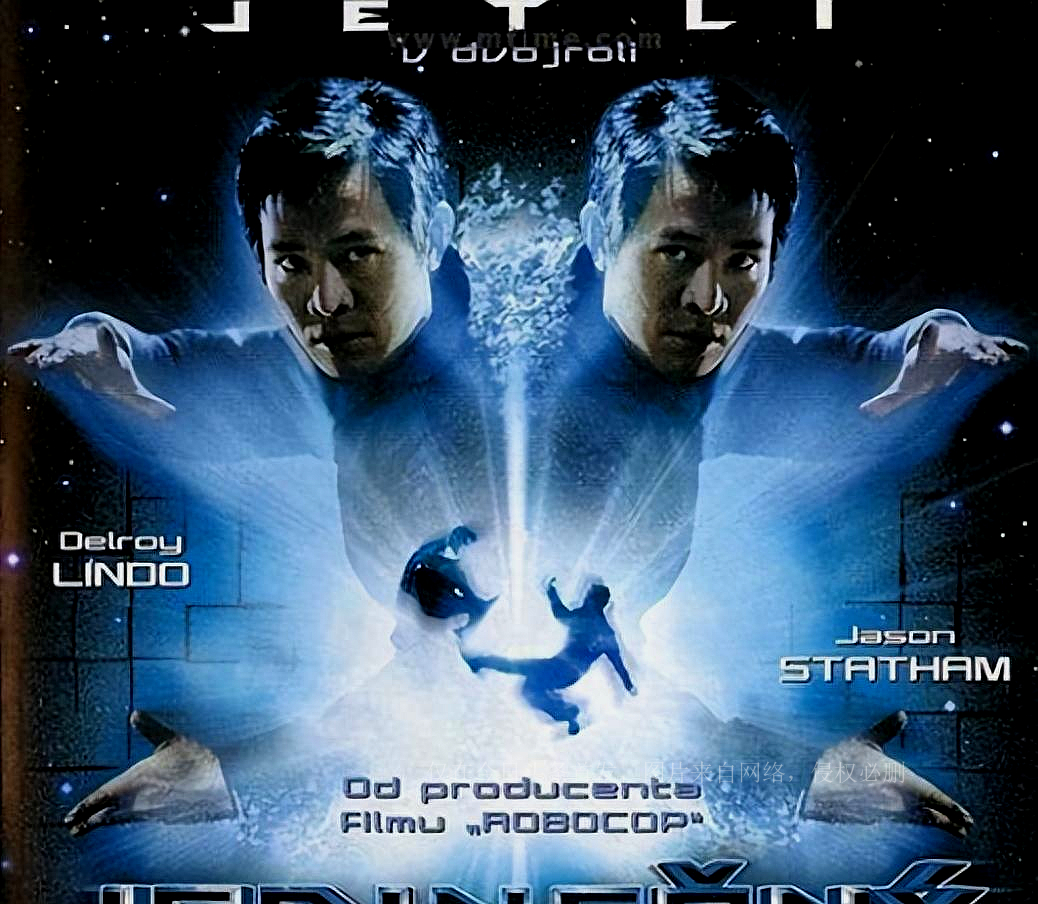
An action blockbuster is a high-budget motion picture characterized by its emphasis on physical conflict, elaborate set pieces, and massive marketing campaigns aimed at a global audience. In 2026, these films represent the pinnacle of cinematic technology, utilizing immersive formats like IMAX and advanced VFX to provide visceral, large-scale experiences that distinguish theatrical viewing from home streaming services.
Defining the Action Blockbuster in 2026
The term "blockbuster" originated in the 1970s with films like Jaws and Star Wars, referring to movies so popular that audiences queued around the block. By 2026, the definition has evolved from mere popularity to a specific production scale. An action blockbuster is defined by its "tentpole" status—a film that a studio relies on to support its financial year. These movies are typically characterized by budgets exceeding $200 million and a reliance on high-stakes narratives where the protagonist faces escalating physical challenges.
The "action" component specifically focuses on choreography, whether it involves hand-to-hand combat, vehicular pursuits, or large-scale military engagements. Unlike thrillers or dramas, the action blockbuster prioritizes kinetic energy and visual spectacle. In the current 2026 landscape, we see a continued shift toward tactile realism, where audiences demand a blend of high-concept digital effects and grounded, physical stunt work that provides a sense of genuine peril.
The Evolution of Stunt Work and Practical Effects
One of the most significant shifts in the action blockbuster genre over the last decade has been the "stunt renaissance." Following the influence of franchises like John Wick and Mission: Impossible, the 2026 action landscape favors "long-take" choreography and practical stunt execution.
The Rise of the Stunt-Performer-Director
A major trend in 2026 is the emergence of directors who began their careers as stunt coordinators. This background brings a technical precision to the screen that was often missing during the "shaky cam" era of the early 2000s. These filmmakers understand the physics of a fight scene, allowing for wider shots that showcase the performers' skills. This transparency in filmmaking has become a selling point, with marketing campaigns often highlighting the "no-green-screen" aspects of a production to appeal to audiences fatigued by purely digital spectacles.
Safety and Innovation
The integration of robotic camera arms and pre-visualization (Pre-viz) software has reached new heights in 2026. Pre-viz allows stunt teams to map out complex sequences in a digital environment before a single frame is shot. This reduces the risk of injury while allowing for more daring maneuvers. Additionally, the Screen Actors Guild (SAG-AFTRA) has implemented more rigorous safety protocols regarding the use of pyrotechnics and high-fall rigs, ensuring that the spectacle does not come at the cost of human life.
Technical Milestones: VFX and Immersive Audio
While practical stunts are in vogue, the action blockbuster remains a marvel of digital engineering. In 2026, the industry has largely moved past the "uncanny valley" issues of the early 2020s.
- Generative Environments: Modern blockbusters use real-time rendering engines (similar to those used in high-end gaming) to create "Volume" sets. These LED walls provide realistic lighting and backgrounds that react to camera movement, providing a more cohesive look than traditional green screens.
- HFR and Resolution: High Frame Rate (HFR) remains a polarizing but utilized tool, particularly in 3D action sequences to reduce motion blur. 8K resolution has become the standard for primary capture, allowing for significant "punch-ins" during post-production without loss of quality.
- Spatial Audio: Sound design in an action blockbuster is as critical as the visuals. Dolby Atmos and DTS:X are utilized to create a 360-degree soundstage. In 2026, sound designers focus on "dynamic range," ensuring that the quietest click of a holster is as impactful as the roar of an explosion. This auditory layering is essential for guiding the audience’s attention during chaotic set pieces.
The Economics of High-Octane Cinema
The financial structure of an action blockbuster is a high-risk, high-reward gambit. Most "tentpoles" require a box office return of at least 2.5 times their production budget to break even, once marketing and theater splits are accounted for.
Budgetary Breakdown
A typical 2026 action blockbuster budget is distributed across three primary pillars:
- Production (40-50%): Includes cast salaries, location fees, crew, and physical construction.
- Post-Production (20-30%): Encompasses VFX, sound mixing, and color grading.
- Marketing/P&A (30%): Prints and Advertising are crucial for ensuring a massive opening weekend.
Global Market Reliance
The action blockbuster is the "universal language" of the film world. Because these movies rely more on visual storytelling and physical movement than nuanced dialogue, they translate seamlessly across cultures. The 2026 market sees a heavy emphasis on the "Big Three" regions: North America, China, and the growing Indian theatrical market. Studios often include international locations and diverse casts not just for representation, but to ensure local appeal in these critical territories.
Comparing Action Sub-Genres in the 2026 Landscape
Not all blockbusters are created equal. The following table illustrates the different approaches to the genre currently dominating the box office.
| Feature | Superhero Blockbuster | Tactical/Military Action | Sci-Fi Action Epic | Legacy Sequel |
|---|---|---|---|---|
| Primary Focus | VFX-heavy powers and lore | Practical stunts and gear | World-building and tech | Nostalgia and stunts |
| Average Budget | $250M - $350M | $100M - $180M | $200M - $400M | $150M - $250M |
| Key Tech | Motion Capture | Practical Pyrotechnics | LED Volumes (The Volume) | IMAX Film Cameras |
| Audience Intent | Escapism/Continuity | Realism/Adrenaline | Immersion/Spectacle | Familiarity/Closure |
| Example Archetype | Multiverse-spanning epics | Spec-ops thrillers | Alien-world expeditions | Revived 80s/90s IPs |
The Role of Pacing and the "Set Piece"
A defining characteristic of the action blockbuster is its structural reliance on the set piece. A set piece is a self-contained sequence of high-intensity action that serves as a milestone in the plot.
In a well-constructed 2026 blockbuster, these sequences are not just "action for action's sake." They serve character development. For example, a chase sequence might reveal a protagonist’s desperation or their tactical genius. The "rhythm" of a blockbuster usually follows a pattern:
- The Hook: An opening action sequence that establishes the stakes.
- The Escalation: Mid-movie set pieces that raise the tension and introduce complications.
- The Climax: A massive, multi-stage confrontation that resolves the primary conflict.
The challenge for modern filmmakers is avoiding "action fatigue." If a movie is at 100% intensity for two hours, the audience becomes desensitized. The most successful blockbusters of 2026 utilize "valleys"—quiet moments of dialogue and tension—to make the "peaks" of the action feel more impactful.
Challenges and Future Prospects
Despite their dominance, action blockbusters face several hurdles in 2026.
Franchise Fatigue
Audiences are increasingly wary of "endless" franchises. While sequels remain profitable, there is a growing demand for original IPs (Intellectual Properties). Studios are responding by taking bigger risks on standalone action epics that offer a definitive beginning, middle, and end, rather than acting as a commercial for a future installment.
Sustainability and Production Ethics
The environmental impact of massive film sets has come under scrutiny. In 2026, "Green Filming" initiatives are common. This includes using solar-powered trailers, reducing single-use plastics on set, and using digital "twins" for locations to minimize travel for large crews.
The Streaming Divide
The "window" between theatrical release and streaming has stabilized, but the pressure remains. To stay relevant, action blockbusters must prove they are "worth the ticket." This has led to an increase in Premium Large Format (PLF) offerings, such as IMAX, where the screen size and sound quality cannot be replicated at home.
Frequently Asked Questions
What makes a movie a "blockbuster" rather than just an action film?
The distinction lies in budget, scale, and marketing. A blockbuster is designed to be a massive cultural event with a global reach and a production budget typically over $100 million. A standard action film may have a smaller scope, a more niche audience, and a lower budget, often relying on home video or streaming rather than a massive theatrical run.
Why do action blockbusters rely so much on sequels and remakes?
Sequels and remakes provide "brand recognition," which reduces the financial risk for studios. In an era where a single failure can jeopardize a studio's fiscal year, investors prefer properties with a proven track record. However, in 2026, we are seeing a shift where "reimagining" a genre is becoming as important as the brand itself.
How has AI influenced action blockbusters in 2026?
AI is primarily used in post-production for tasks like "de-aging" actors, creating massive digital crowds, and optimizing VFX pipelines. It also plays a role in "predictive analytics," helping studios determine which release dates and marketing strategies will yield the highest return on investment. It is rarely used for creative scriptwriting due to labor agreements and the need for human-centric emotional beats.
Are practical effects better than CGI in action movies?
Neither is objectively "better"; the most successful films use a hybrid approach. Practical effects provide a sense of weight and reality that actors can react to, while CGI allows for scales and environments that would be impossible or too dangerous to film in real life. The best 2026 blockbusters use CGI to enhance practical footage rather than replace it.
What is the average length of an action blockbuster in 2026?
The trend toward longer films has stabilized, with most major action blockbusters clocking in between 130 and 150 minutes. This length allows for the "epic" feel required of a tentpole while maintaining enough showings per day in theaters to maximize revenue.
Practical Recommendation for Viewers
To fully appreciate the technical artistry of a 2026 action blockbuster, seek out Premium Large Format (PLF) screenings. Formats like IMAX with Laser or Dolby Cinema offer superior contrast, color accuracy, and uncompressed audio that reveal the layers of work put in by thousands of VFX artists and sound engineers. If you are interested in the "how-it-was-made" aspect, look for behind-the-scenes features that focus on "Stunt Vis" (Stunt Visualization), as these provide the clearest look at the choreography and planning required for modern spectacle.