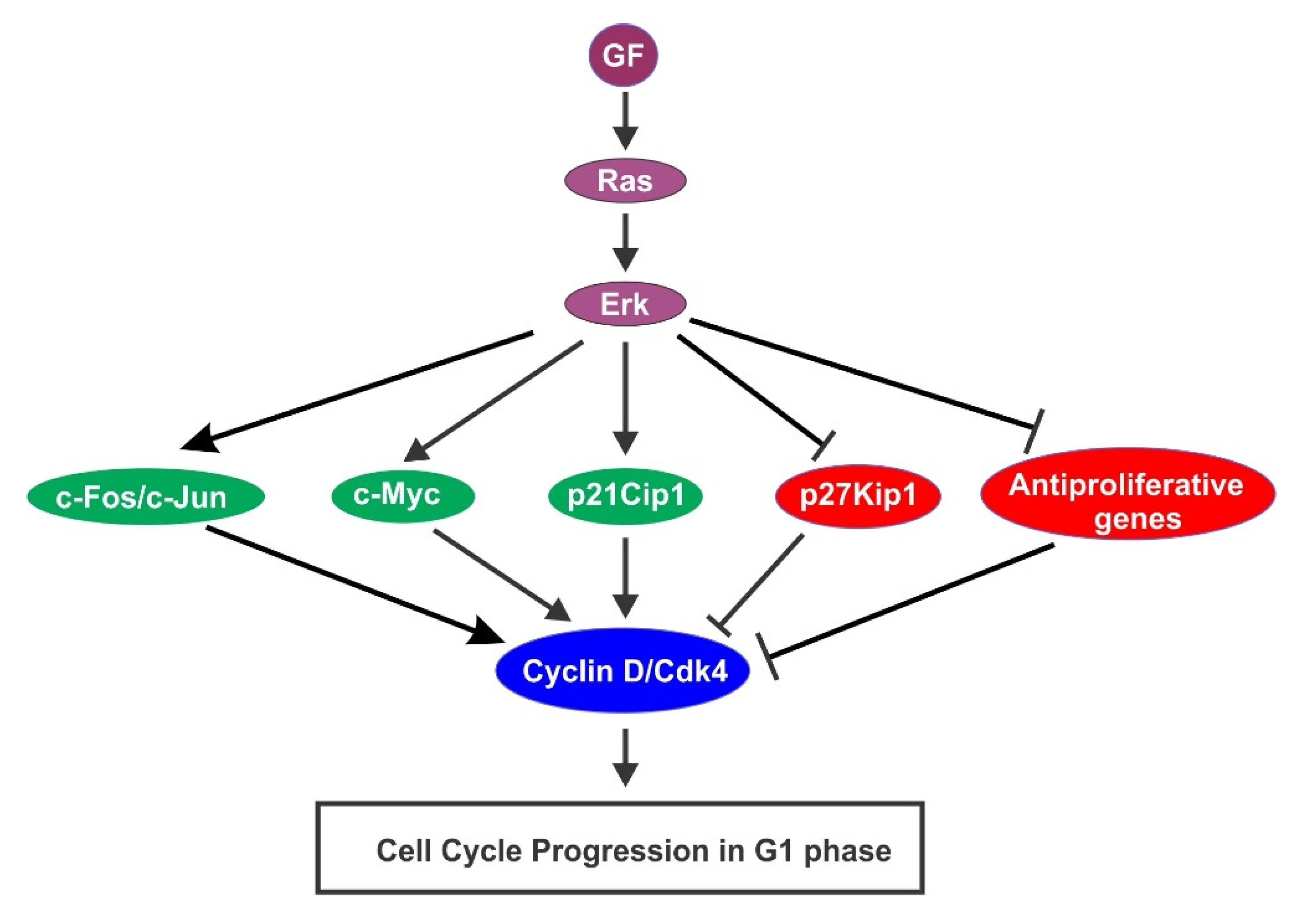
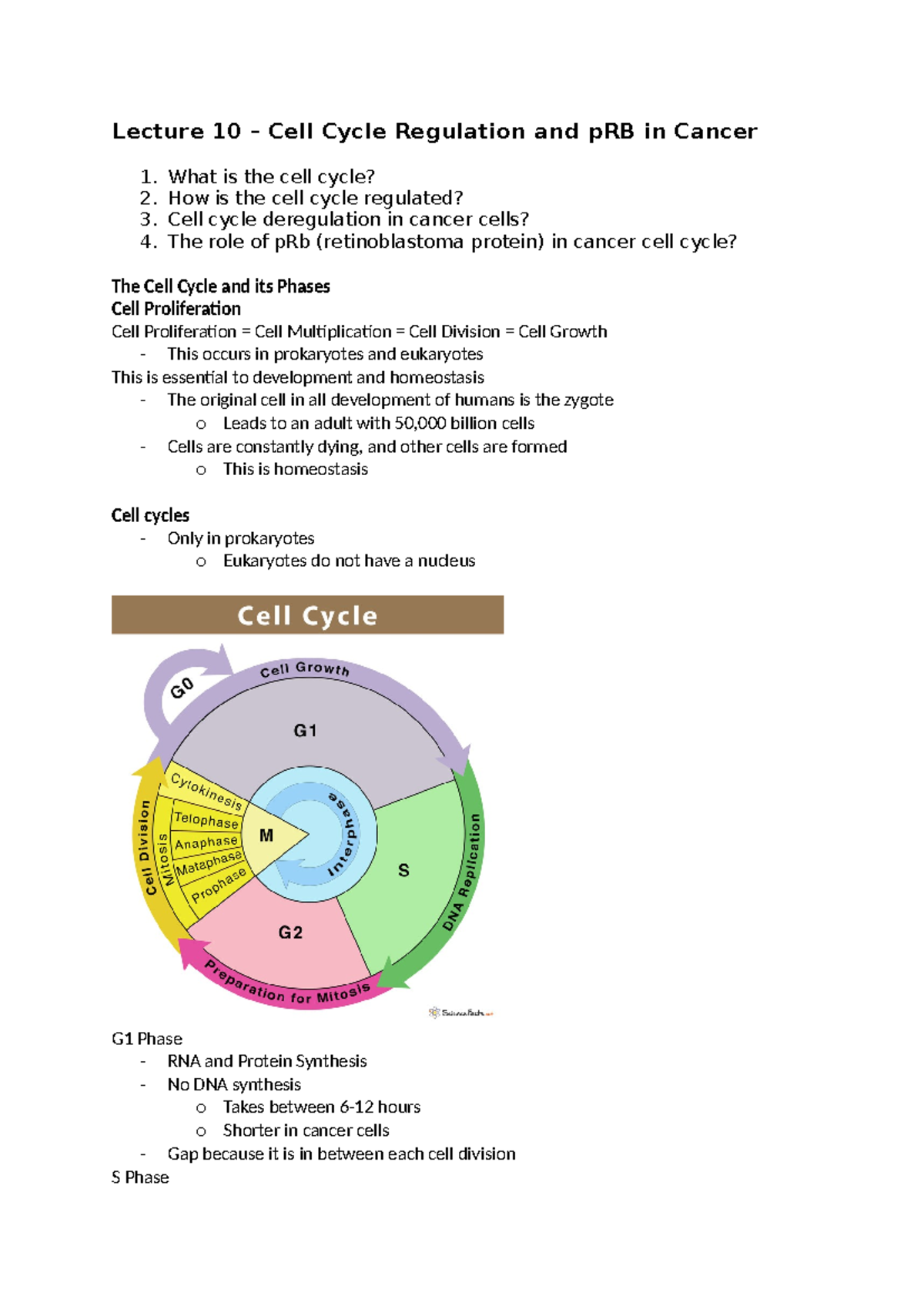
Acm1 serves as a critical stoichiometric inhibitor of the Anaphase-Promoting Complex/Cyclosome (APC/C) in budding yeast, primarily functioning during late G1 and S phase to prevent premature sister chromatid separation. By binding directly to the co-activator Cdh1, Acm1 ensures the cell cycle progresses through DNA replication only when conditions are optimal, thereby maintaining genomic integrity before mitotic entry.
The Role of the APC/C in Eukaryotic Division
To understand the specific function of Acm1, one must first recognize the fundamental importance of the Anaphase-Promoting Complex/Cyclosome (APC/C). The APC/C is a massive E3 ubiquitin ligase that orchestrates the transition from metaphase to anaphase and governs the exit from mitosis. By targeting key regulatory proteins—such as Securin and Cyclin B—for degradation by the 26S proteasome, the APC/C ensures that chromosomal segregation occurs in a precise, irreversible manner.
In Saccharomyces cerevisiae, the activity of the APC/C is tightly regulated by two primary co-activator subunits: Cdc20 and Cdh1. While Cdc20 is essential for the initiation of anaphase, Cdh1 is responsible for maintaining the APC/C in an active state throughout G1, ensuring that mitotic cyclins remain at low levels. This restriction prevents the initiation of DNA replication until the cell has fully completed mitosis and reset its developmental clock.
Acm1: The Stoichiometric Inhibitor
Acm1 (APC/C-activator mediator 1) emerged in biological research as a distinct regulator of this system. Unlike many regulatory enzymes that modify their targets through phosphorylation or dephosphorylation, Acm1 functions as a stoichiometric inhibitor. It physically interacts with the Cdh1-APC/C complex, effectively shielding or sequestering the co-activator from its substrates.
The primary mechanism of Acm1 involves its association with Cdh1. By binding to Cdh1, Acm1 reduces the ability of the APC/C to ubiquitinate its downstream targets. This is not a permanent inactivation; rather, it is a temporal modulation. During the transition from G1 to S phase, the cell must accumulate sufficient B-type cyclins to trigger DNA replication. If the APC/C remained fully active during this transition, the resulting degradation of these cyclins would prevent the S phase from occurring. Acm1 provides the necessary "brake" on the APC/C, allowing cyclin levels to rise effectively.
Mechanistic Insights: How Acm1 Regulates the Cell Cycle
The regulation of the cell cycle by Acm1 is heavily tied to the phosphorylation state of the cell's proteome. Research indicates that Acm1 is itself a target of cyclin-dependent kinases (CDKs). As cells progress into S phase, increasing CDK activity leads to the phosphorylation of Acm1. This phosphorylation event serves two purposes: it enhances Acm1's affinity for Cdh1 while simultaneously marking Acm1 for eventual degradation by the SCF (Skp, Cullin, F-box) complex.
This creates a self-limiting regulatory loop. Acm1 is present during the early stages of the cell cycle to inhibit Cdh1. As S phase proceeds and CDK activity rises, the system begins to dismantle the inhibitor. By the time the cell reaches G2/M, Acm1 levels are significantly reduced, allowing the APC/C to regain its functional status for the subsequent phases of the cycle. This elegant feedback mechanism prevents the cell from entering a state of perpetual arrest and ensures that inhibitors are only present when their inhibitory function is required.
Genomic Integrity and the Consequence of Acm1 Dysfunction
The presence of Acm1 is not merely a convenience of the cell cycle; it is a safeguard for genomic stability. If Acm1 were absent or non-functional, the APC/C would remain constitutively active, leading to the premature degradation of critical cell cycle drivers. This could result in "stuttering" cycles where cells fail to commit to DNA replication or, conversely, progress through phases without reaching the necessary checkpoints.
Studies in yeast models have demonstrated that loss-of-function mutants of Acm1 exhibit sensitivity to conditions that require robust checkpoint responses. While yeast can survive the deletion of the ACM1 gene under optimized laboratory conditions, these cells often show defects in timing their commitment to the cell cycle. In the broader context of evolutionary biology, this highlights the necessity of fine-tuning the APC/C activity to suit the specific metabolic and environmental status of the cell.
Comparative Dynamics of APC/C Inhibition
The following table summarizes the primary functional differences between the main regulatory components acting on the APC/C in budding yeast.
| Regulator | Mechanism of Action | Timing of Activity | Target |
|---|---|---|---|
| Acm1 | Stoichiometric inhibition | G1/S Transition | Cdh1-APC/C |
| Cdc20 | Co-activator | Metaphase/Anaphase | APC/C substrate recognition |
| Cdh1 | Co-activator | Late M phase to G1 | APC/C substrate recognition |
| SCF Complex | Ubiquitin E3 Ligase | S phase | Acm1 (degradation) |
Intersection with Other Cell Cycle Checkpoints
Acm1 does not operate in isolation. It acts in concert with the broader regulatory network of the cell, including the Whi5 repressor and the SBF/MBF transcription factors. The integration of these pathways ensures that extracellular signals—such as nutrient availability—are correctly translated into intracellular decisions regarding proliferation.
When a cell is subjected to stress, the activity of the Acm1-Cdh1 interface can be modulated by stress-activated protein kinases. This allows the cell to pause the cell cycle in response to DNA damage or metabolic distress. If Acm1 were unregulated, the cell might bypass these checkpoints, leading to the propagation of deleterious mutations. Thus, the Acm1-Cdh1 regulatory node functions as an essential "decision gate," weighing the internal readiness of the cell against external environmental constraints.
Common Research Questions Regarding Acm1
As our understanding of cell cycle regulation in 2026 continues to evolve, several recurring questions persist regarding the specific utility and evolutionary conservation of Acm1.
Does Acm1 function identically in higher eukaryotes?
While the APC/C and Cdh1 (often referred to as Cdh1/Fzr1) are highly conserved across eukaryotes, the direct orthologs of Acm1 are not universally identified in all multicellular organisms. Many higher eukaryotes rely on different mechanisms, such as Emi1, which performs an analogous role in inhibiting the APC/C. While the functional intent—preventing premature APC/C activity—is conserved, the structural components have diverged significantly through evolution.
What happens when Acm1 is overexpressed?
Overexpression of Acm1 forces an inhibitory state on the APC/C, which can lead to the inappropriate stabilization of mitotic cyclins. This may cause a delay in mitotic exit or lead to endoreduplication, where cells undergo DNA replication without nuclear division. This condition, if uncontrolled, is lethal to the cell or leads to severe aneuploidy.
Can Acm1 be targeted for therapeutic intervention?
In the context of oncology, the APC/C is often studied as a potential target for therapeutic intervention. Because Acm1-like proteins act as natural inhibitors, researchers investigate the potential for creating small-molecule mimetics that could stabilize these inhibitors. By forcing the APC/C into an inactive state in rapidly dividing tumor cells, one might theoretically halt the progression of certain aggressive cancer types. However, this remains a complex area of pharmacological study due to the systemic importance of the APC/C.
How is Acm1 degradation linked to the SCF complex?
The degradation of Acm1 by the SCF complex is a quintessential example of "proteolytic clearance." When the SCF complex identifies the phosphorylated form of Acm1, it tags it with ubiquitin, marking it for destruction. This ensures that the inhibition provided by Acm1 is irreversible once the cell has decided to proceed into S phase. It prevents the cell from "changing its mind" after the commitment point is passed, ensuring unidirectional movement through the cycle.
Practical Considerations for Research and Analysis
For researchers investigating Acm1, verifying its presence and activity requires precise synchronization of cell cultures. Since Acm1 is highly transient— peaking during the G1/S transition and disappearing rapidly thereafter—traditional bulk population assays often fail to capture its dynamic nature.
- Synchronization Techniques: Use alpha-factor pheromone synchronization to arrest yeast in G1, followed by release into fresh media to track the rapid synthesis of Acm1.
- Detection: Because of its short half-life, Western blotting for Acm1 requires the use of protease inhibitors and rapid cell lysis protocols to prevent degradation during sample preparation.
- Visualization: Fluorescent tagging (e.g., GFP fusion) can be used to visualize the localization of Acm1, though care must be taken to ensure the tag does not interfere with the protein’s native stoichiometry or binding affinity.
- Verification: Utilize immunoprecipitation (IP) assays to confirm the interaction between Acm1 and Cdh1. A reduction in Cdh1-dependent ubiquitin ligase activity in the presence of Acm1 is the gold standard for verifying its inhibitory function.
Toward a More Robust Understanding of Cell Cycle Control
The function of Acm1 in cell cycle regulation underscores the complexity of the molecular machinery driving cellular life. By acting as a mediator that provides a temporary buffer for the APC/C, Acm1 ensures that the cell cycle is not just a series of reactions, but a controlled sequence of events.
Future studies will likely focus on the structural biology of the Acm1-Cdh1 complex. Determining the high-resolution architecture of this interaction will provide deeper insights into how the binding interface is evolved and how it might be manipulated. Furthermore, understanding the interplay between Acm1 and the environmental sensing pathways will shed light on how cells balance their reproductive output with the energetic costs of division.
As of 2026, the study of Acm1 remains a vital window into the mechanics of the eukaryotic cell cycle. Its role as a precise, stoichiometric inhibitor serves as a reminder of the necessity for biological systems to employ both high-speed machinery (like the APC/C) and specific, tunable brakes (like Acm1) to maintain the integrity of life at the cellular level.