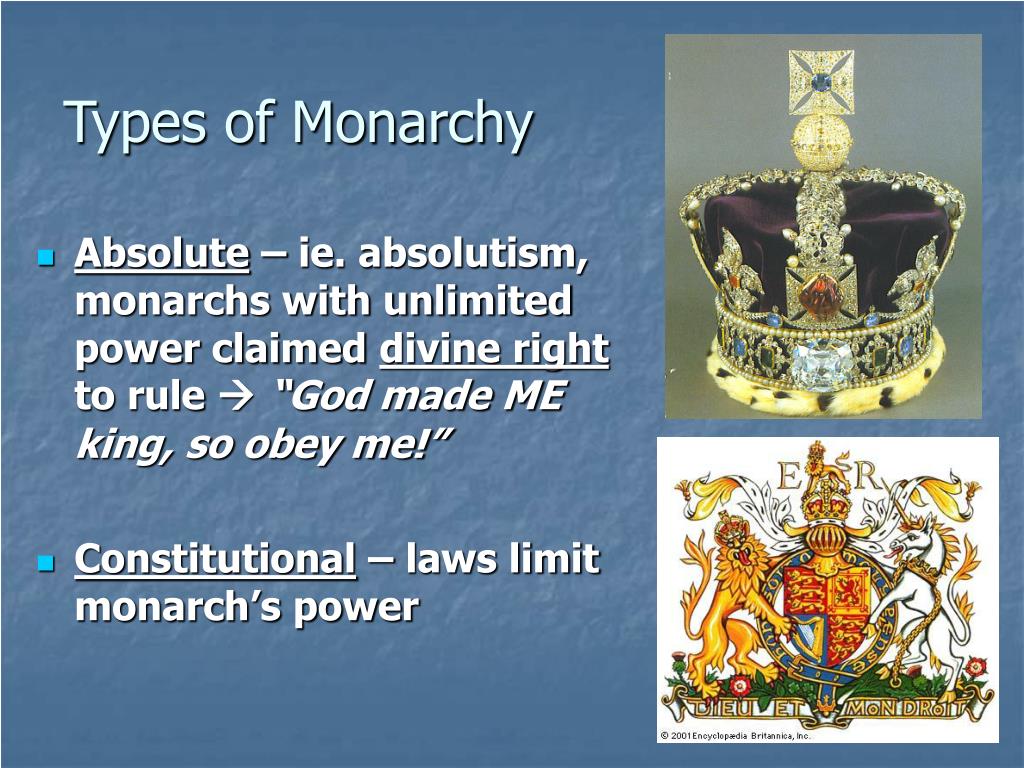
An absolute monarchy vests unlimited, centralized power entirely in a sovereign ruler without legal limitations, whereas a constitutional monarchy divides royal authority with a parliament, operating under a foundational legal framework or constitution that grants ultimate governance to elected representatives.
Understanding the structural differences between absolute monarchy and constitutional monarchy requires examining how political power, legal frameworks, succession, and civil liberties function in both systems. While both forms of governance feature a hereditary monarch as head of state, the scope of their authority, the mechanisms of accountability, and the daily reality for citizens diverge fundamentally. Analyzing these systems reveals how historical evolution reshaped governance across the globe, transforming divine-right rule into systems where crowns often serve primarily ceremonial roles.
Core Definitions and Theoretical Foundations
To understand absolute monarchy and constitutional monarchy, one must examine the philosophical justifications and structural realities underpinning each system. Political structures do not emerge in a vacuum; they reflect centuries of struggle over sovereignty, law, and human rights.
What is an Absolute Monarchy?
An absolute monarchy is a form of government where the monarch holds supreme, unchecked political power over the sovereign state and its people. In this system, the ruler's decisions are not subject to external legal restraints, legislative oversight, or electoral accountability.
- Divine Right of Kings: Historically, absolute monarchs often legitimized their rule through the doctrine of the divine right of kings. This theological and political concept asserted that a monarch derives the right to rule directly from the will of God, making the sovereign accountable only to a higher power rather than to earthly subjects or parliaments.
- Centralized Decision-Making: All executive, legislative, and judicial powers are concentrated in the hands of the monarch. While monarchs typically delegate administrative tasks to ministers, councils, or bureaucrats, these officials serve entirely at the pleasure of the sovereign and can be dismissed at any moment.
- Absence of Codified Checks: There is no independent legislature or supreme constitution capable of vetoing royal decrees. Historical absolute monarchs could levy taxes, declare war, rewrite laws, and sentence individuals without trial, entirely through royal proclamation.
What is a Constitutional Monarchy?
A constitutional monarchy is a system of governance in which a monarch shares power with a constitutionally organized government, such as a parliament. The sovereign's role is defined and limited by a constitution, written or unwritten, meaning the monarch is no longer above the law but is instead subject to it.
- Separation of Powers: Authority is distributed among distinct branches of government, typically an executive branch (led by a prime minister and cabinet), a legislative branch (parliament or congress), and an independent judiciary.
- Ceremonial vs. Executive Roles: In contemporary constitutional monarchies, the monarch generally performs ceremonial, diplomatic, and unifying duties. While constitutional technicalities may still grant the monarch reserve powers—such as formally appointing a prime minister or granting royal assent to bills—these powers are exercised on the binding advice of elected officials.
- Supremacy of Law: The foundational constitution acts as the supreme law of the land. Any royal decree or action that violates the constitutional framework is legally invalid, ensuring that governance reflects the will of the citizens through their elected representatives.
Comparative Analysis of Governance Structures
| Feature | Absolute Monarchy | Constitutional Monarchy |
|---|---|---|
| Source of Power | Hereditary succession, often justified by divine right or autocratic decree. | Hereditary or sometimes elective succession, strictly bound by a constitution. |
| Legislative Authority | Concentrated entirely in the monarch; decrees carry immediate force of law. | Vested in an elected parliament or legislative assembly. |
| Executive Control | The monarch directly manages government operations, policies, and ministries. | Led by a prime minister, chancellor, or cabinet accountable to the legislature. |
| Legal Status of Ruler | The monarch is legally sovereign and generally above the law. | The monarch is subject to the constitution and national laws. |
| Civil Liberties | Rights are granted or revoked at the discretion of the sovereign. | Protected by constitutional guarantees, independent courts, and the rule of law. |
| Modern Examples | Saudi Arabia, Vatican City (elective absolute monarchy), Oman. | United Kingdom, Japan, Spain, Sweden, Canada. |
Historical Evolution and Transition
The transition from absolute power to constitutional limitation represents one of the most significant trajectories in political history. For millennia, absolute rule was the dominant standard across empires and kingdoms worldwide.
The Rise and Decline of Absolute Rule
During the early modern period in Europe, figures such as King Louis XIV of France—famously attributed with the phrase “L'État, c'est moi” (I am the state)—exemplified the zenith of absolute monarchy. These rulers systematically dismantled the power of regional nobility, suppressed independent estates, and built centralized standing armies and bureaucracies to enforce direct control.
However, the inefficiencies, financial crises, and abuses associated with unchecked royal authority eventually sparked widespread intellectual and social pushback. The Enlightenment introduced radical new ideas regarding natural rights, the social contract, and popular sovereignty, championed by philosophers such as John Locke, Montesquieu, and Jean-Jacques Rousseau.
The Path to Constitutionalism
The erosion of absolute monarchy occurred through various historical upheavals, ranging from violent revolutions to gradual legal reforms.
- The Glorious Revolution of 1688: In England, the overthrow of James II and the subsequent enactment of the Bill of Rights 1689 permanently curtailed royal authority, establishing parliamentary supremacy and setting a foundational global precedent for constitutional monarchy.
- Gradual Parliamentary Reform: In nations like Sweden and the United Kingdom, the shift occurred incrementally over centuries. Parliaments gradually asserted control over the national purse strings, forcing monarchs to bargain for funds and slowly strip away unilateral executive privileges.
- Post-War and Modern Transitions: In the 20th century, many remaining absolute or authoritarian monarchies were either overthrown by socialist or democratic revolutions or voluntarily transitioned into constitutional models to maintain political stability and national unity.
Contemporary Realities and Modern Examples
In the 21st century, absolute monarchies are exceedingly rare, while constitutional monarchies persist successfully across multiple continents, blending ancient traditions with modern democratic governance.
Surviving Absolute Monarchies
Today, true absolute monarchies occupy a small fraction of the global political landscape.
- Saudi Arabia: The King of Saudi Arabia holds absolute executive and legislative authority, governed largely by Islamic law (Sharia) alongside royal decrees, though consultative bodies like the Consultative Assembly offer advisory input.
- Oman: The Sultan exercises ultimate authority over state affairs, directing executive and legislative policy.
- Vatican City: Uniquely, Vatican City operates as an absolute, elective monarchy where the Pope holds supreme legislative, executive, and judicial power for the duration of his pontificate.
The Role of the Crown in Constitutional Democracies
In modern constitutional monarchies—such as the United Kingdom, Japan, Norway, and Australia—the sovereign functions as a political safety valve and a symbol of national continuity.
- Non-Partisan Head of State: By remaining strictly neutral in party politics, a constitutional monarch provides a unifying figurehead above the turbulent cycles of electoral politics.
- Reserve Powers: While rarely used, reserve powers allow monarchs to intervene during profound constitutional crises, such as resolving hung parliaments or dismissing a government that has lost the confidence of the legislature, though such actions are governed by strict constitutional conventions.
Frequently Asked Questions
Can an absolute monarchy ever become a constitutional monarchy?
Yes. Throughout history, absolute monarchies have transformed into constitutional monarchies through revolutions, civil unrest, or gradual negotiated reforms. When a sovereign is pressured—or chooses—to sign a constitution that delegates legislative power to an elected parliament, the absolute model effectively ceases to exist, replaced by a constitutional framework.
Do citizens in a constitutional monarchy have more rights than those in an absolute monarchy?
Generally, yes. Constitutional monarchies inherently rely on codified laws, independent judiciaries, and legislative protections that secure fundamental civil liberties, freedom of speech, and due process for citizens. In contrast, rights in an absolute monarchy depend entirely on the benevolence, decrees, and policies of the ruling sovereign, offering no permanent legal guarantees against state overreach.
Is the monarch in a constitutional monarchy completely powerless?
Not entirely. While modern constitutional monarchs lack direct policymaking authority and cannot pass laws independently, they retain significant soft power, diplomatic influence, and ceremonial responsibilities. They hold regular consultations with the prime minister, represent the nation on the global stage, and possess constitutional reserve powers used only under exceptional political circumstances.
How is succession handled differently between the two systems?
Hereditary succession is common to both systems, passing crowns through royal bloodlines via primogeniture or agnatic rules. However, constitutional monarchies often subject royal succession laws to parliamentary statute. For example, parliaments can alter succession rules—such as removing gender biases in line-of-succession laws—or even depose monarchs who violate the nation's constitution, a legal mechanism impossible in a traditional absolute monarchy.
Conclusion
The distinction between absolute monarchy and constitutional monarchy represents the fundamental evolution of political authority from autocracy to accountability. While absolute monarchies concentrate unlimited, unchecked power in a single sovereign, constitutional monarchies distribute governance across legal frameworks, parliaments, and independent courts. Understanding this dichotomy highlights how modern democratic societies balance historical tradition with the rule of law and the protection of civil liberties.