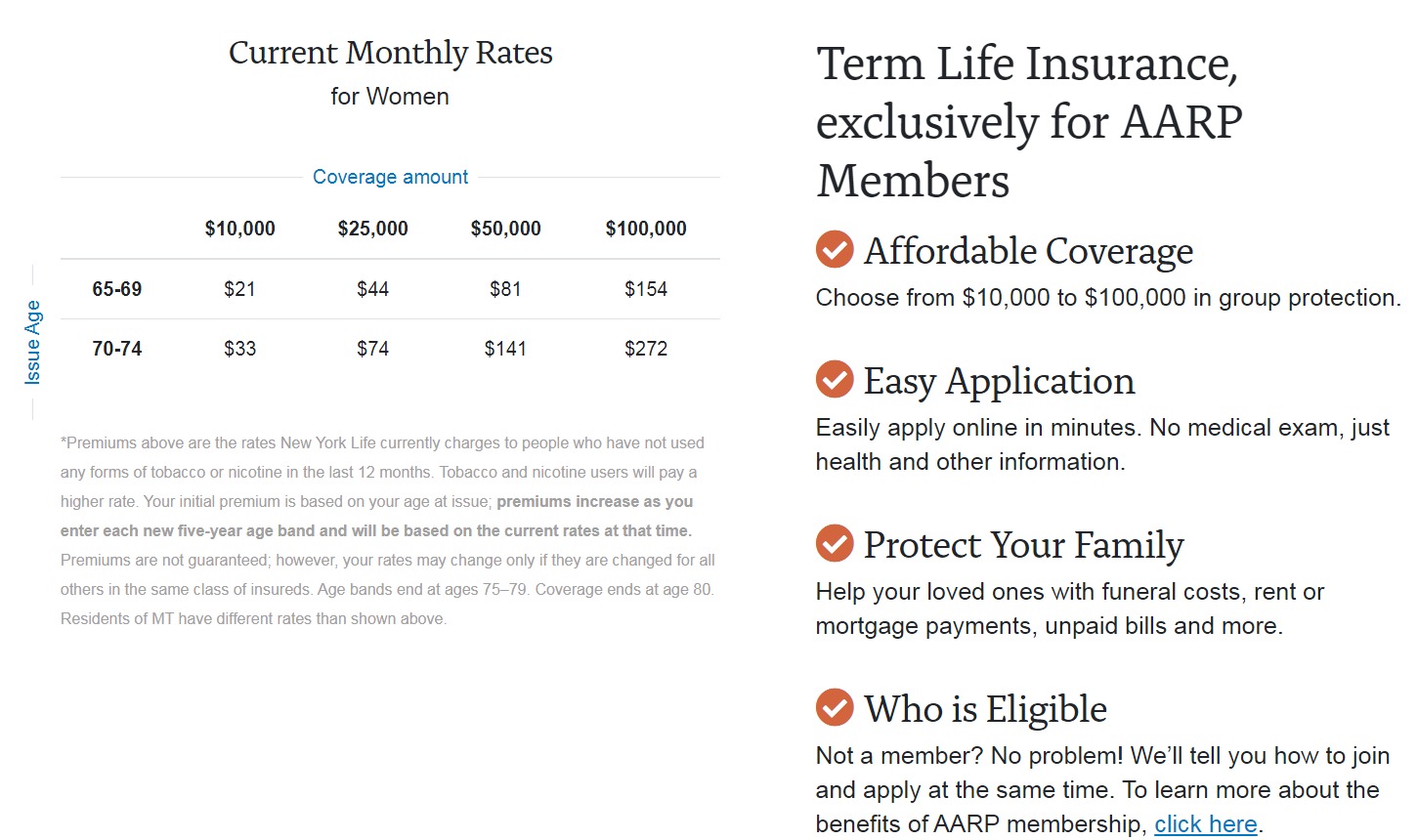
AARP-branded term life insurance, currently underwritten by New York Life Insurance Company, generally offers coverage options for members up to age 75. While the specific age limit for applying can vary by the exact product type and state of residence, most term policies are designed to be renewable until age 80, after which coverage typically terminates or must be converted to a permanent policy.
Navigating Life Insurance Eligibility at AARP
When evaluating life insurance options as an AARP member, understanding the relationship between age, medical underwriting, and policy duration is critical. AARP does not act as the insurance provider itself; rather, it facilitates group insurance programs. These programs are underwritten by New York Life, a relationship that has spanned several decades. Because these policies are group-based, they often provide simplified application processes compared to individual policies found in the open market.
However, "group" does not mean "unlimited." Age is the primary underwriting factor for nearly all life insurance products, and AARP term policies are no exception. The age limits serve two functions: they define who is eligible to apply for a new policy and they dictate the maximum duration of the coverage before the term expires. As of 2026, members should distinguish between the application age limit (the maximum age at which you can request a new policy) and the coverage termination age (the age at which the policy ceases to provide a death benefit).
The Mechanics of AARP Term Life Insurance
Term life insurance is distinct from permanent or whole life insurance. It provides protection for a specified period—the "term"—and typically pays a death benefit only if the insured passes away during that period.
Application Age vs. Renewal Age
For most AARP-branded term life insurance plans, the application window closes at age 75. If you are 76 or older, you generally will not be eligible to apply for a new term life policy through this specific program. This threshold is set to manage the actuarial risk associated with insuring older populations.
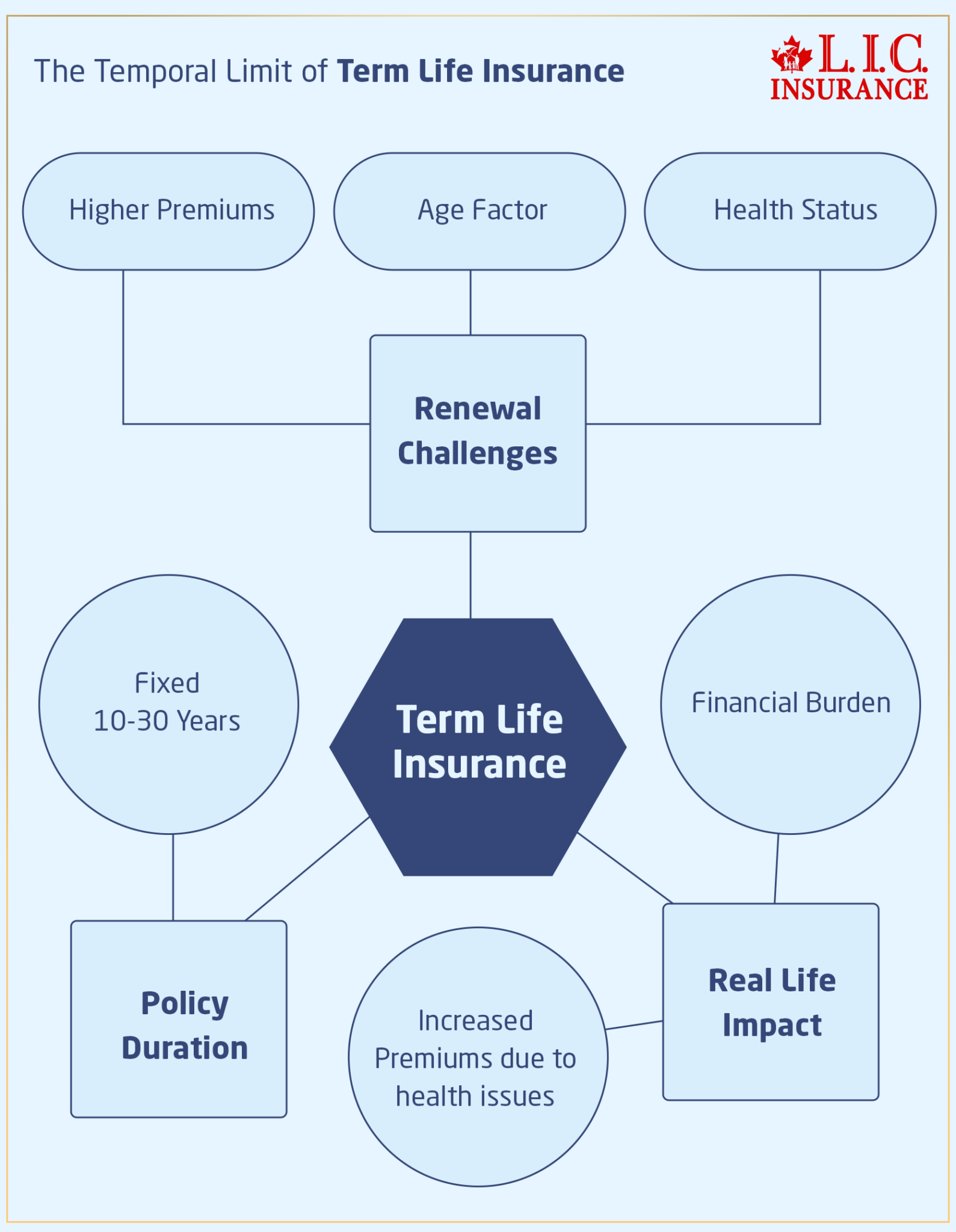
Once a policy is in force, the renewal structure becomes the next significant hurdle. Most AARP term policies are renewable until the insured reaches age 80. This means that even if you apply at age 74, you are purchasing coverage that is guaranteed renewable for a limited window. Once you hit the age of 80, the term life insurance usually expires. At this stage, policyholders often face a choice: allow the coverage to lapse or explore conversion options if the specific policy document permits it.
Why Age Limits Exist in Insurance Underwriting
Insurance companies operate on the principles of risk pooling and statistical probability. As an individual ages, the statistical probability of mortality increases, which inherently increases the risk for the insurer. To maintain the stability of the group insurance pool, insurers must implement cut-off points where the cost of providing coverage becomes unsustainable under the existing premium structure.
In a term life environment, premiums are calculated based on the likelihood of a claim occurring within the term. As you approach the 75-80 age bracket, the risk becomes significantly higher. By capping the application age and the renewal age, New York Life ensures that the premiums collected from the broader pool of AARP members remain balanced against the claims being paid out.
Comparing Life Insurance Options by Age Bracket
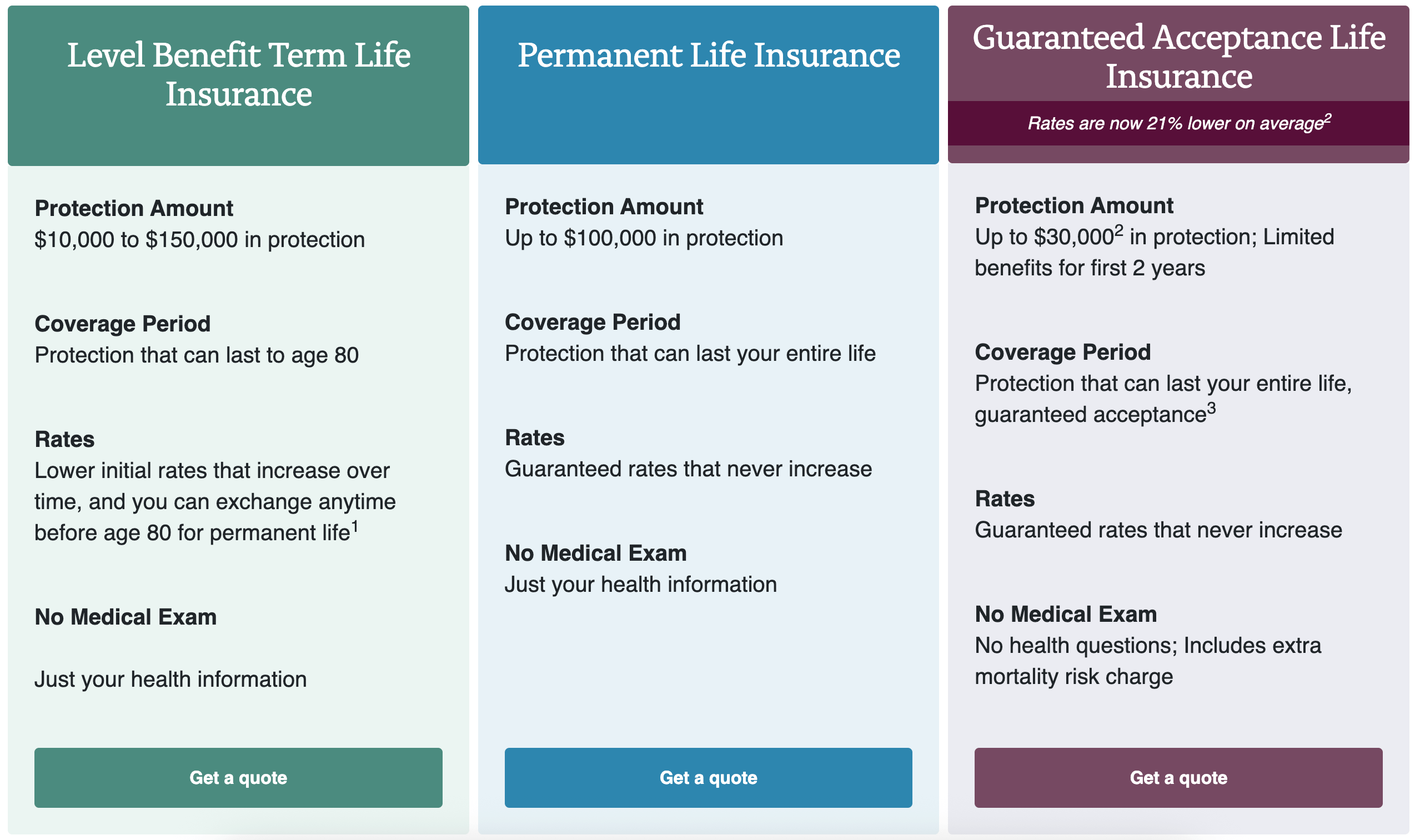
| Policy Type | Typical Application Age Limit | Termination/Renewal Limit | Medical Exam Requirement |
|---|---|---|---|
| AARP Term Life | Up to 75 | Typically age 80 | Often none/Simplified |
| AARP Whole Life | Up to 80 | Guaranteed for life | No medical exam |
| Private Term Life | Varies (often 70-80) | Varies by contract | Usually required |
| Guaranteed Acceptance | 50–80 | Guaranteed for life | None |
Note: The table above reflects general product structures as of 2026. Always verify specific terms in your Certificate of Insurance.
The Conversion Privilege: A Strategic Alternative
One of the most important aspects of an AARP term life policy is the conversion privilege. If you are approaching the age of 80 and your term policy is about to terminate, you may be left without coverage exactly when you might feel you need it most. Many AARP term policies include a provision that allows the policyholder to convert their term coverage into a permanent (whole) life insurance policy without needing to undergo a new medical exam.
This is a vital safeguard. Permanent life insurance does not have a "term" that expires; as long as premiums are paid, the coverage remains in force regardless of age. If your goal is lifetime coverage, utilizing the conversion privilege before your term policy hits its age limit is often the most straightforward path, as it bypasses the need to prove insurability at an older age.
Factors Beyond Age: What Else Matters?
While the age limit is a hard boundary, it is not the only requirement. Even if you are within the eligible age range (under 75), you must meet other criteria:
- Membership: You must be an active AARP member.
- Residency: You must reside in a state where the policy is licensed and available.
- Health Status: While AARP-branded life insurance often features simplified underwriting, "simplified" does not mean "guaranteed." You will still be required to answer health-related questions. A history of certain chronic conditions may lead to an application being declined, even if you are under the age limit.
Steps to Take If You Are Near the Age Limit
If you are currently 74 or 75 and considering AARP term life insurance, time is of the essence. Follow these steps to ensure you make an informed decision:
- Request the Certificate of Insurance: Before signing any paperwork, ask for the specific policy document that outlines the "Termination of Coverage" section. This is the legal document that confirms exactly when your policy will end.
- Review Premium Increases: Term life premiums often increase as you age. Determine if the cost of the premiums will remain affordable for you over the next five years as you approach the renewal limit.
- Compare with Whole Life: If you are over the age of 70, compare the cost of a term policy against a whole life policy. While whole life premiums are typically higher initially, the fact that they do not expire makes them more attractive for older applicants who want permanent protection.
- Consult a Financial Planner: If you are using life insurance for estate planning or final expenses, ensure that the policy limit aligns with your financial goals. A term policy that expires at 80 may leave your beneficiaries without the intended support if you live past that age.
Common Pitfalls to Avoid
Many consumers wait until they are at the very edge of the age limit to apply for insurance. This is risky for several reasons. First, if you apply at age 75, your window for holding that term policy is significantly shorter than someone who applied at age 60. Second, if your health changes while you are waiting to apply, you may find yourself ineligible for the coverage entirely.
Another mistake is failing to disclose health history accurately. Because AARP-branded plans often use simplified underwriting, there is a temptation to omit details. However, insurers conduct investigations into medical records during the claim process. If a material fact was misrepresented, the insurer can deny the death benefit, leaving your family with no coverage regardless of your age.
Seeking Professional Guidance
Life insurance is a long-term financial commitment. If you are struggling to determine whether a term policy is the right fit given your age, consider reaching out to a licensed insurance professional who is familiar with the AARP portfolio. They can provide an objective assessment of whether the term policy's expiration at age 80 conflicts with your long-term goals.
Always remember that insurance needs change with age. In your 50s, you might need a large death benefit to cover a mortgage or children's education. By your 70s, your needs likely shift toward covering final expenses or leaving a legacy. Aligning your product choice with these evolving life stages is more important than simply finding the lowest premium.
Frequently Asked Questions
Can I renew my AARP term life policy after I turn 80? Generally, no. Most AARP term life policies are designed to expire at age 80. To maintain coverage beyond this point, you typically must have converted your term policy to a permanent whole life policy earlier, or you must purchase a policy that is specifically designed as a whole life product from the outset.
What happens to my coverage if I am 75 and apply for a policy? If you successfully pass the underwriting requirements at age 75, your policy will be issued. However, the policy will still be subject to the standard expiration rules. You will be covered for the term duration, but you should carefully check the expiration date on your policy to understand exactly when that coverage will cease.
Does my health affect the age limit for application? While the age limit is a set numerical cutoff, your health can affect your ability to get any policy. If you have significant health issues, you may be declined even if you are well under the 75-year limit. The age limit is a maximum eligibility threshold, not a guarantee of coverage.
Is there a way to get coverage after age 80 through AARP? AARP offers other products, such as whole life insurance, which may have different age eligibility rules than term life. If you are over 80, term life is generally not an option, but you should contact the AARP life insurance program administrator to see what specific whole life or guaranteed acceptance products are currently available in your state.
Why does the coverage end at 80? The age 80 limit is based on the actuarial design of the group term life product. Term insurance is intended to provide a specific benefit during a high-risk period of one's life. By age 80, the actuarial risk of death is high enough that the cost to maintain a "term" structure becomes prohibitive for the pool of participants, leading the program to set a termination age.
Final Recommendation
If you are within the eligibility age for AARP term life insurance and your goal is to provide temporary protection for the next few years, the product can be a convenient solution. However, if your long-term objective is to have insurance that will never expire, prioritize researching whole life insurance options or the conversion privileges associated with the term policy. Always review your policy documents upon receipt to confirm the exact expiration age applicable to your specific state and plan.